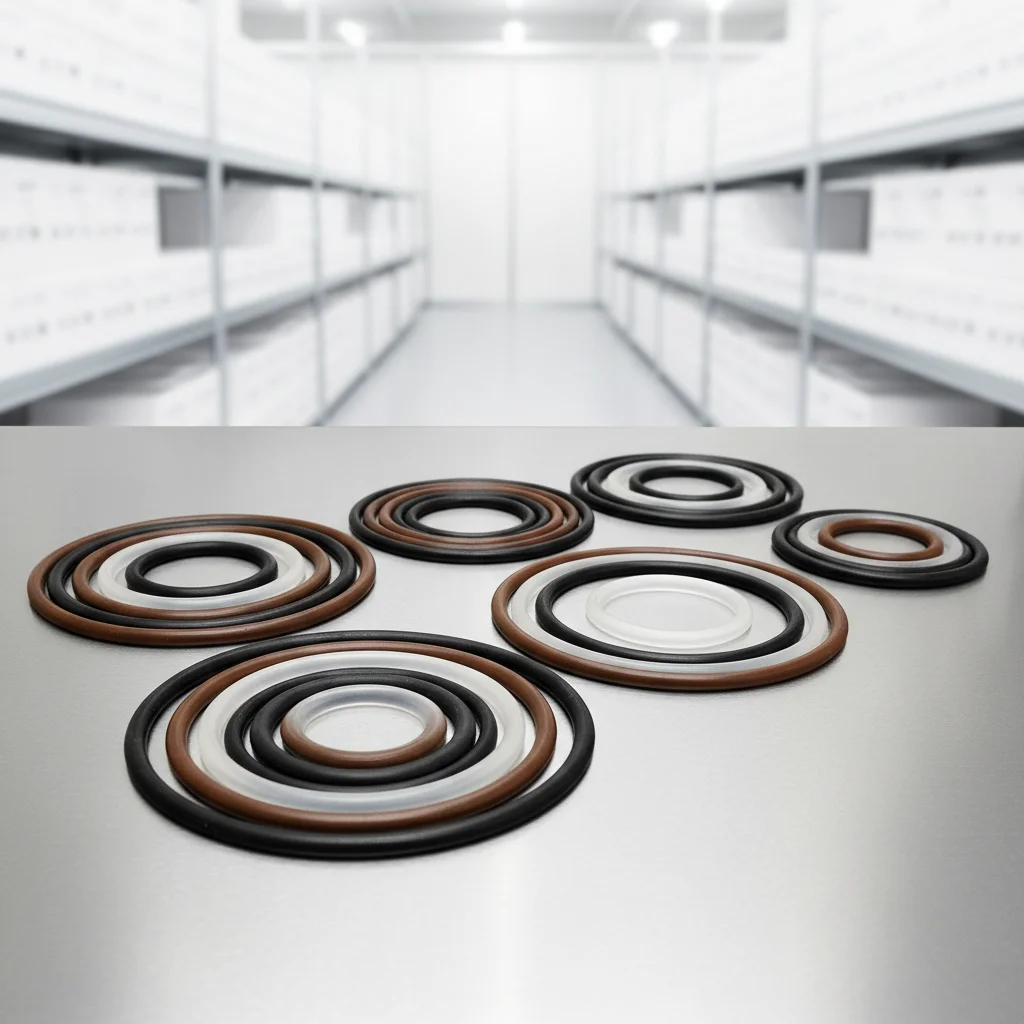
Dustproof O-rings are critical sealing components utilized across a vast spectrum of industries, from aerospace and automotive to medical devices and food processing. Their ability to maintain a reliable seal even in environments laden with particulate matter is paramount to operational efficiency, product quality, and safety. Understanding the nuances of dustproof O-ring design, materials, and applications is increasingly vital in a world demanding higher performance and greater reliability from mechanical systems.
The global demand for effective sealing solutions, and specifically dustproof O-rings, is fueled by industrial expansion, stringent regulatory requirements, and a growing emphasis on environmental protection. According to market research reports, the global O-ring market is projected to reach billions of dollars in the coming years, with a significant portion attributed to specialized applications requiring dust resistance. This growth reflects the increasing complexity of machinery and the need to minimize downtime caused by seal failures.
Dustproof O-rings aren't merely about preventing leaks; they’re about safeguarding equipment, ensuring product integrity, and, in some cases, protecting lives. Proper selection and implementation of these rings directly translate to reduced maintenance costs, extended equipment lifespan, and enhanced operational safety. This makes a comprehensive understanding of dustproof O-rings a necessity for engineers, technicians, and procurement professionals alike.
Defining Dustproof O-Rings and Their Importance
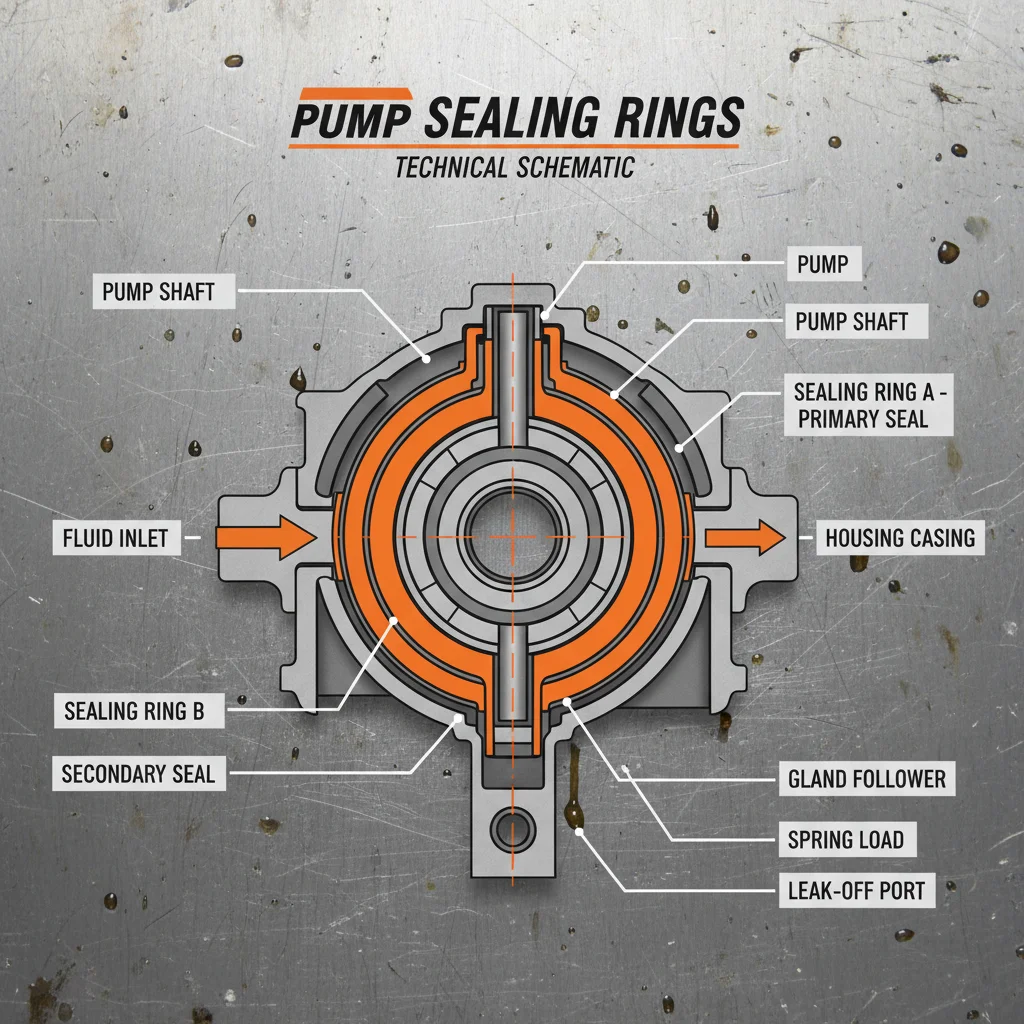
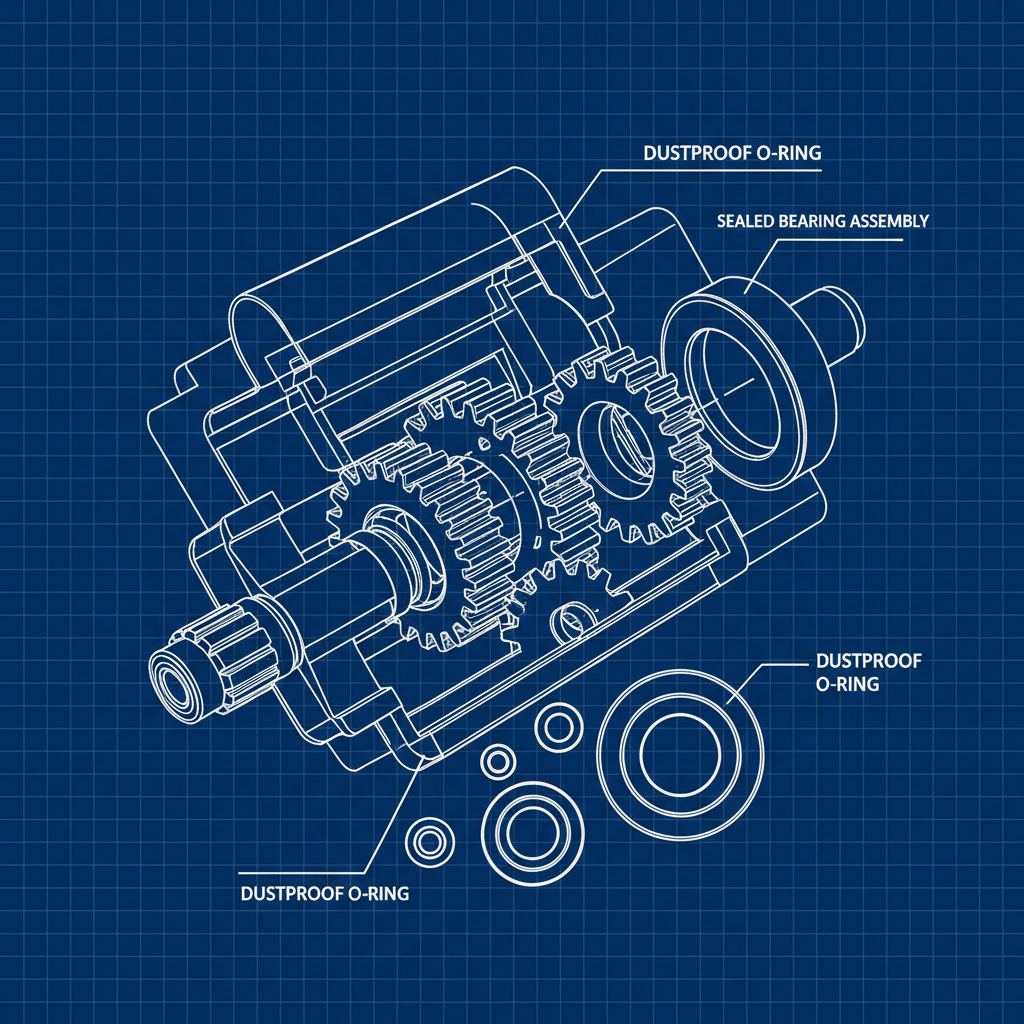
Dustproof O-rings are circular seals designed to prevent the ingress of dust, dirt, and other particulate contaminants into mechanical systems. They differ from standard O-rings through the incorporation of specific materials, designs (like incorporating a lip or a tight fit), or coatings that enhance their resistance to dust penetration. These features are crucial for maintaining the integrity of seals in harsh environments.
Their importance stems from the widespread consequences of dust contamination. In sensitive equipment, even microscopic particles can cause abrasion, wear, and ultimately, failure. Dustproof O-rings are integral to ensuring the reliable operation of everything from automotive engines and hydraulic systems to medical pumps and analytical instruments, contributing to both increased efficiency and extended service life.
The Global Relevance of Dustproof O-Rings
The need for dustproof O-rings transcends geographical boundaries and impacts numerous sectors worldwide. The United Nations Industrial Development Organization (UNIDO) emphasizes the importance of robust sealing solutions in promoting sustainable industrialization, especially in developing nations. Reliable seals are critical for minimizing resource waste, reducing pollution, and enhancing worker safety within manufacturing processes.
Industries like aerospace, operating under stringent ISO standards, demand the highest levels of sealing performance to guarantee flight safety and operational reliability. Similarly, the automotive industry, a global economic powerhouse, heavily relies on dustproof O-rings in engine components, transmissions, and braking systems to meet increasingly strict emissions regulations and performance expectations. The growing prevalence of automation and robotics across industries further amplifies the demand for durable and reliable sealing components.
The challenge often lies in adapting dustproof O-ring solutions to specific environmental conditions and operational requirements in diverse regions. From the arid climates of the Middle East to the highly polluted industrial zones of Asia, specialized O-ring materials and designs are needed to overcome unique sealing challenges. Addressing these demands requires continuous innovation and collaboration across the global supply chain.
Understanding the Composition of Dustproof O-Rings
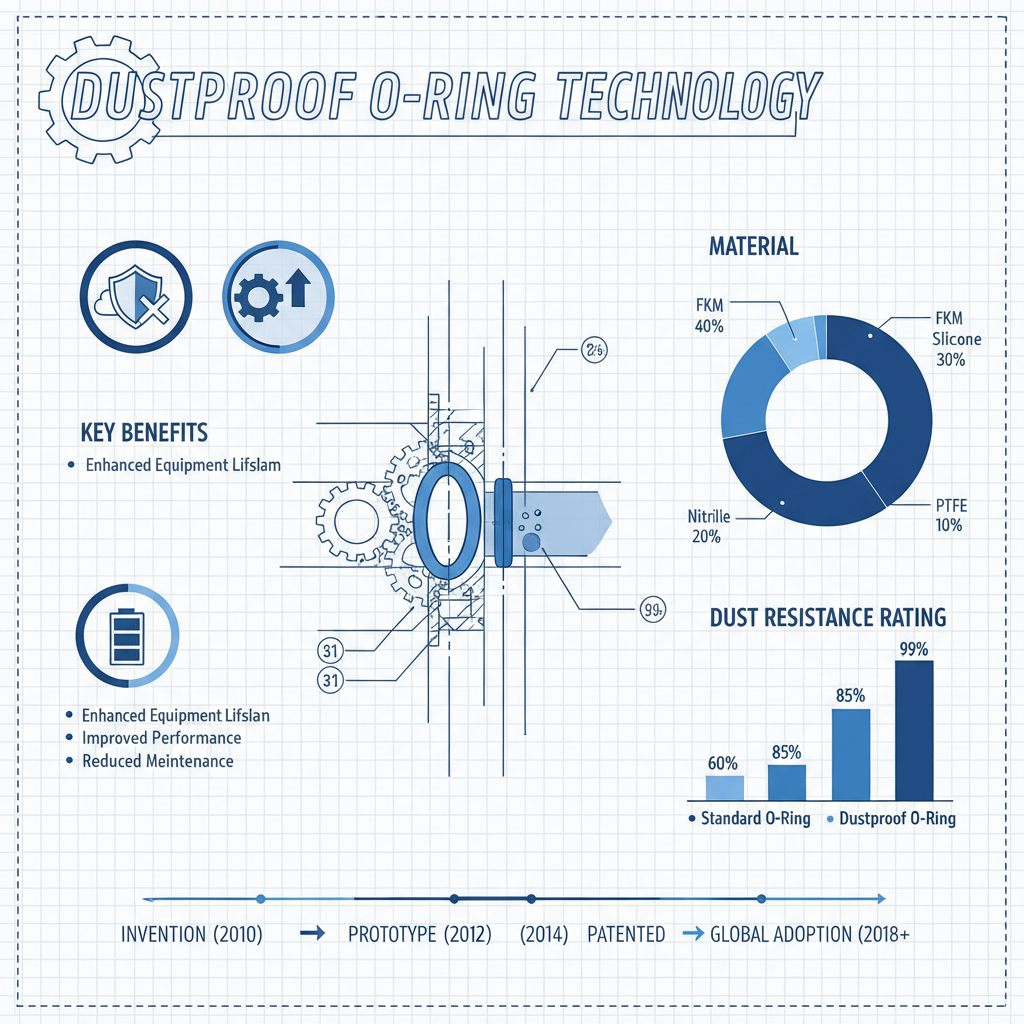
Dustproof O-rings are typically manufactured from a variety of elastomeric materials, each possessing unique properties suited to different applications. Common materials include Nitrile (NBR), Viton (FKM), Silicone (VMQ), and Ethylene Propylene Diene Monomer (EPDM). The selection of the appropriate material is influenced by factors like temperature range, chemical compatibility, and the specific type of dust or contaminant the O-ring will encounter.
Beyond the base elastomer, dustproof O-rings often incorporate additives and coatings to enhance their performance. For instance, PTFE (Teflon) coatings can reduce friction and improve resistance to abrasive dust particles. Fillers like carbon black or glass fiber can increase strength and dimensional stability. The combination of these elements ensures that the O-ring can withstand harsh operating conditions and maintain a reliable seal over an extended period.
Furthermore, the physical design of the O-ring plays a crucial role. Variations like lip seals, which feature an extended edge to actively wipe away contaminants, are commonly employed in dusty environments. The precision of the O-ring’s dimensions and surface finish is also critical; even minor imperfections can create pathways for dust ingress. Therefore, quality control during manufacturing is paramount.
Key Performance Factors of Dustproof O-Rings
Several key factors determine the effectiveness of a dustproof O-ring. First and foremost is Material Compatibility. The O-ring material must be chemically resistant to both the fluid being sealed and the dust contaminants present in the environment. Incompatibility can lead to swelling, degradation, or cracking, compromising the seal’s integrity.
Secondly, Temperature Resistance is critical. Extreme temperatures can alter the elasticity of the O-ring, reducing its ability to conform to sealing surfaces. Choosing a material with a suitable operating temperature range is essential.
Dustproof O-Ring Performance Comparison
Diverse Applications of Dustproof O-Rings Globally
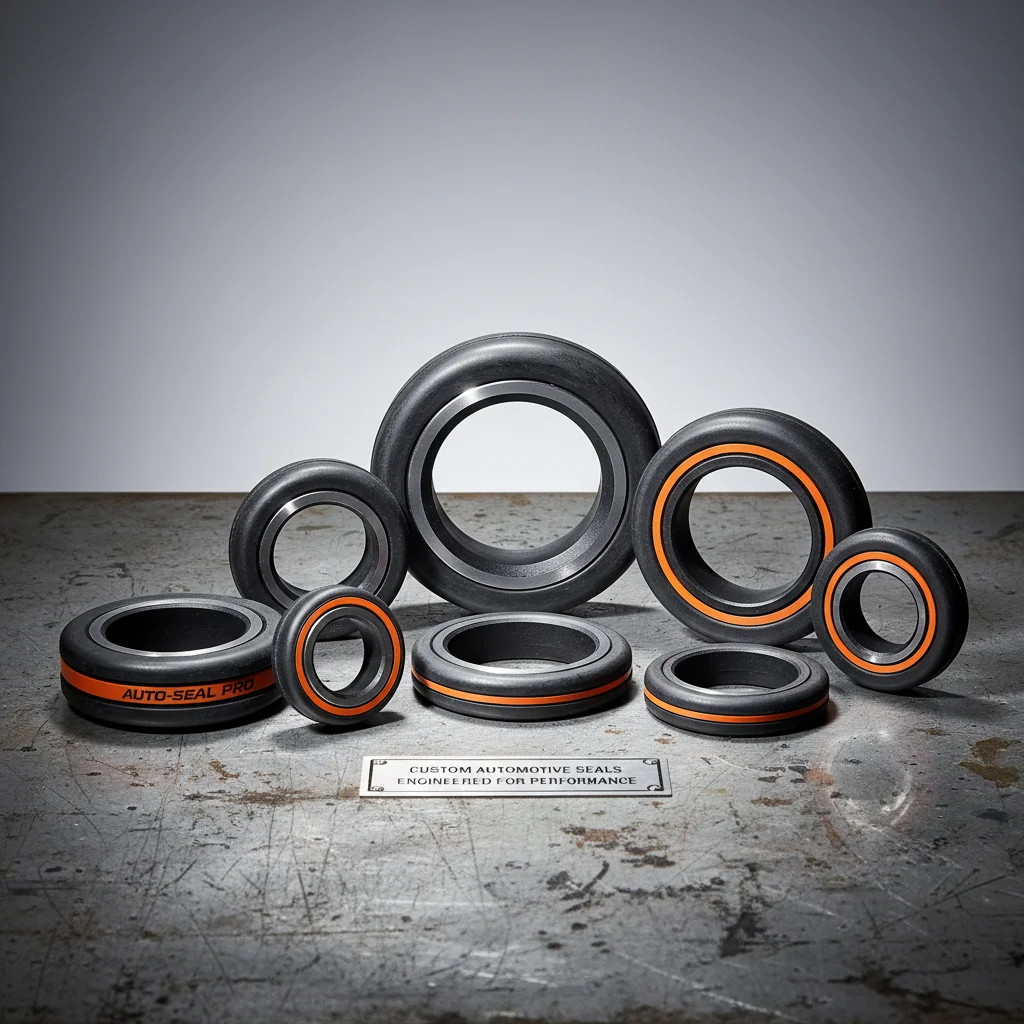
Dustproof O-rings find widespread application in the automotive industry, sealing components like shock absorbers, power steering systems, and engine valve covers. In the aerospace sector, they’re critical in hydraulic actuators, landing gear mechanisms, and fuel systems where maintaining a dust-free seal is vital for flight safety.
The medical device industry utilizes dustproof O-rings in syringe plungers, peristaltic pumps, and surgical instruments, ensuring sterility and accurate fluid delivery. In industrial manufacturing, they’re found in pneumatic cylinders, hydraulic presses, and robotic joints, contributing to operational efficiency and minimizing downtime. Furthermore, in remote industrial zones, especially those with harsh environments, Dustproof O-Rings are paramount for ensuring equipment longevity.
Advantages and Long-Term Value Proposition
The advantages of utilizing high-quality dustproof O-rings are multifaceted. Cost savings are a primary benefit, stemming from reduced maintenance requirements, extended equipment lifespan, and minimized downtime. The enhanced reliability contributes to increased productivity and lower operational expenses.
From a sustainability perspective, durable dustproof O-rings reduce the need for frequent replacements, minimizing waste and conserving resources. The inherent safety benefits – preventing leaks and failures in critical systems – contribute to a safer working environment and protect valuable assets. Ultimately, investing in superior dustproof O-rings fosters trust and confidence in the performance of mechanical systems.
Future Trends and Innovations in Dustproof O-Ring Technology
The future of dustproof O-ring technology is being shaped by several key trends. The development of advanced materials, such as self-lubricating elastomers and nanomaterial-reinforced compounds, promises even greater dust resistance and durability. Digitalization and smart manufacturing are enabling the integration of sensors into O-rings, allowing for real-time monitoring of seal performance and predictive maintenance.
Furthermore, sustainable materials and eco-friendly manufacturing processes are gaining prominence, aligning with global efforts to reduce environmental impact. Automation in O-ring production is improving precision and consistency, leading to higher-quality products. These innovations will contribute to a new generation of dustproof O-rings capable of meeting the evolving demands of modern industries.
Challenges & Solutions
A common challenge with dustproof O-rings is maintaining a consistent seal in dynamic applications, particularly at high speeds or under extreme pressure. Dust buildup can compromise the sealing surface, leading to leakage. Addressing this requires careful material selection and potentially the incorporation of surface treatments to minimize friction and dust adhesion.
Another challenge is the complexity of selecting the right O-ring for a specific application, given the vast array of materials and designs available. Expert consultation and thorough application analysis are crucial to ensure optimal performance. The development of standardized testing procedures and performance metrics can also help simplify the selection process.
Finally, the cost of high-performance dustproof O-rings can be a barrier for some applications. Balancing cost with performance is a critical consideration. Exploring alternative materials and optimized designs can help reduce costs without compromising reliability.
Summary of Challenges and Corresponding Solutions for Dustproof O-Rings
| Challenge |
Root Cause |
Solution |
Implementation Cost (1-10) |
| Seal Failure in Dynamic Systems |
Dust Buildup & Friction |
Self-Lubricating Materials, Surface Treatments |
7 |
| Incorrect Material Selection |
Lack of Application Understanding |
Expert Consultation, Application Analysis |
5 |
| High Material Costs |
Advanced Material Properties |
Alternative Materials, Optimized Designs |
6 |
| Dimensional Instability |
Temperature Fluctuations |
Fillers for Dimensional Stability |
4 |
| Surface Degradation |
Abrasive Dust Particles |
PTFE Coatings, Hardened Elastomers |
8 |
| Lack of Standardization |
Varied Testing Methods |
Industry-Wide Performance Metrics |
9 |
FAQS
For high-temperature environments, Viton (FKM) is often the preferred material due to its excellent heat resistance, chemical compatibility, and ability to maintain elasticity at elevated temperatures. Silicone (VMQ) is another option, offering good temperature performance, but typically exhibits lower tensile strength than Viton. The specific choice depends on the chemical exposure and pressure requirements of the application. Ensuring the correct durometer (hardness) is also crucial for optimal sealing performance.
Determining the correct size requires precise measurements of the gland dimensions – the groove in which the O-ring sits. Consulting O-ring sizing charts and technical documentation is essential. Durometer, measured on the Shore A scale, indicates the O-ring's hardness. Lower durometers provide better sealing at lower pressures, while higher durometers offer improved abrasion resistance and higher pressure capabilities. The application's pressure, temperature, and the surface finish of the gland will influence the optimal durometer selection.
A standard O-ring is designed for general sealing applications, while a dustproof O-ring incorporates features to prevent the ingress of dust and particulate matter. These features can include specialized materials with tighter tolerances, surface treatments like coatings, or design modifications like lip seals. Dustproof O-rings are crucial in environments where contamination can compromise the performance or integrity of a system.
While many dustproof O-rings can function in low-pressure environments, their performance in a true vacuum depends heavily on the material and design. Materials like Viton and Silicone generally exhibit better vacuum compatibility than Nitrile. The O-ring's surface finish and the quality of the gland are also critical to prevent outgassing and maintain a seal in a vacuum. Specialized vacuum O-rings are often preferred for demanding vacuum applications.
Proper storage is essential to prevent degradation. O-rings should be stored in a cool, dry, and dark environment, away from direct sunlight, ozone, and chemicals. Avoid storing them in direct contact with metals, as this can cause corrosion. Original packaging is often ideal, or they can be stored in sealed plastic bags. Avoid excessive compression during storage, which can deform the O-ring.
The lifespan of a dustproof O-ring varies significantly depending on the application, operating conditions, and material selection. Factors like temperature, pressure, chemical exposure, and the presence of abrasive particles all contribute to wear and degradation. With proper selection and installation, a well-maintained dustproof O-ring can last for several years. Regular inspection and preventative maintenance can help extend its lifespan and prevent unexpected failures.
Conclusion
Dustproof O-rings represent a critical component in a vast array of industries, safeguarding equipment, ensuring product quality, and enhancing operational safety. Their ability to maintain reliable seals in challenging environments is a testament to material science and engineering innovation. Understanding the key factors influencing their performance – material compatibility, temperature resistance, and proper installation – is paramount to achieving optimal results.
Looking ahead, continued advancements in materials, design, and manufacturing technologies will drive further improvements in dustproof O-ring performance and sustainability. By embracing these innovations and prioritizing preventative maintenance, organizations can maximize the value of these essential components and ensure the long-term reliability of their critical systems. For high-quality dustproof O-ring solutions, visit our website: https://www.beikesealing.com