• Home
  • Top Blog
0%

Table of Contents

Medical Grade Custom O-Rings are essential components in a wide range of medical devices and applications, playing a crucial role in ensuring safety, reliability, and performance. Their specialized design and material composition meet stringent regulatory requirements and patient needs. Understanding their properties, applications, and manufacturing processes is vital for professionals in the medical device industry, researchers, and healthcare providers. These rings aren't simply seals; they represent a critical barrier against contamination, leakage, and device failure, ultimately impacting patient well-being.

The global demand for Medical Grade Custom O-Rings is directly linked to the growth of the healthcare industry, increasing sophistication of medical technology, and a rising aging population requiring more medical interventions. According to a report by Grand View Research, the global medical device market was valued at USD 494.9 billion in 2023 and is projected to reach USD 697.4 billion by 2030. This growth fuels the need for high-quality, reliable sealing solutions like custom O-rings. Furthermore, the increased focus on minimally invasive procedures and personalized medicine demands highly precise and biocompatible components, driving innovation in the O-ring sector.

The increasing prevalence of chronic diseases and the demand for advanced medical treatments are primary drivers for the demand of Medical Grade Custom O-Rings. Challenges such as maintaining sterility, ensuring biocompatibility, and meeting ever-tightening regulatory standards necessitate the use of specialized materials and precise manufacturing techniques. Successfully navigating these challenges is paramount for device manufacturers seeking to deliver safe and effective healthcare solutions.
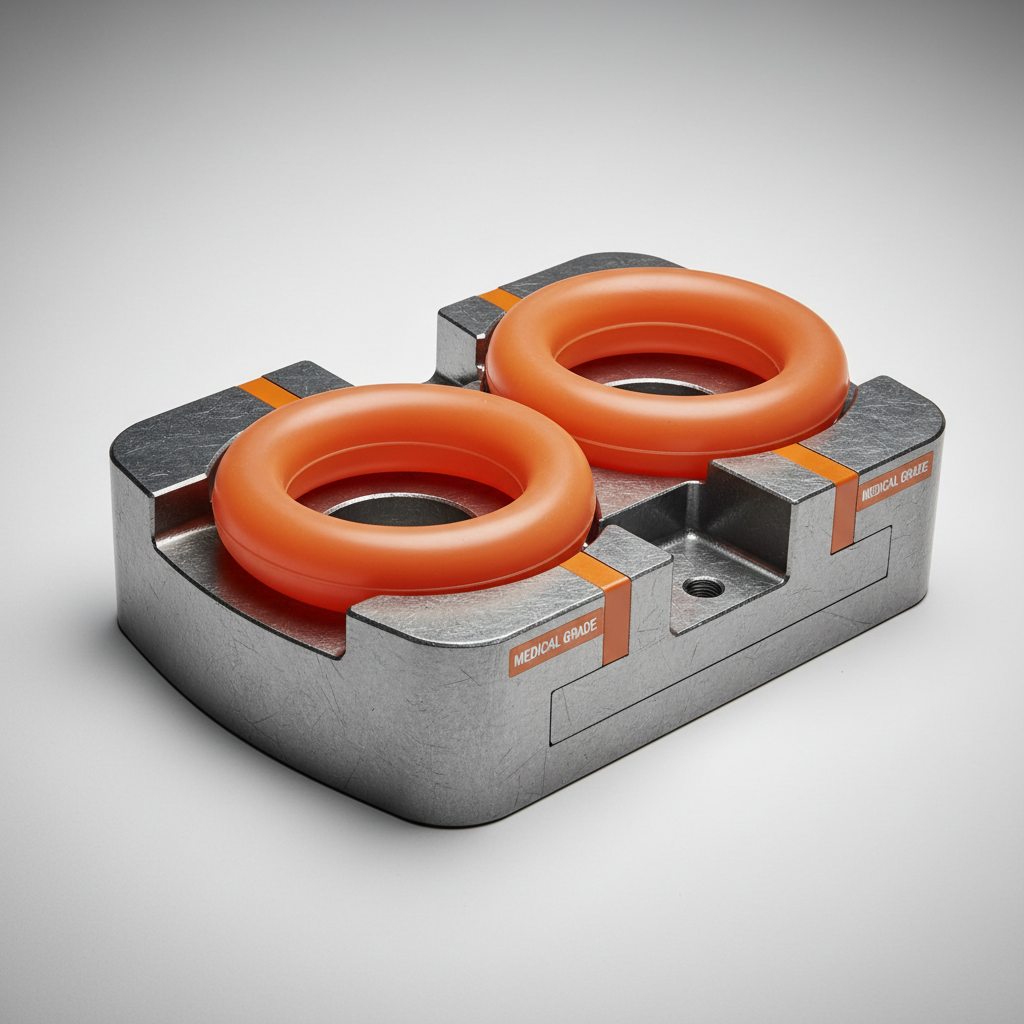
Medical Grade Custom O-Rings

The Importance of Medical Grade Custom O-Rings
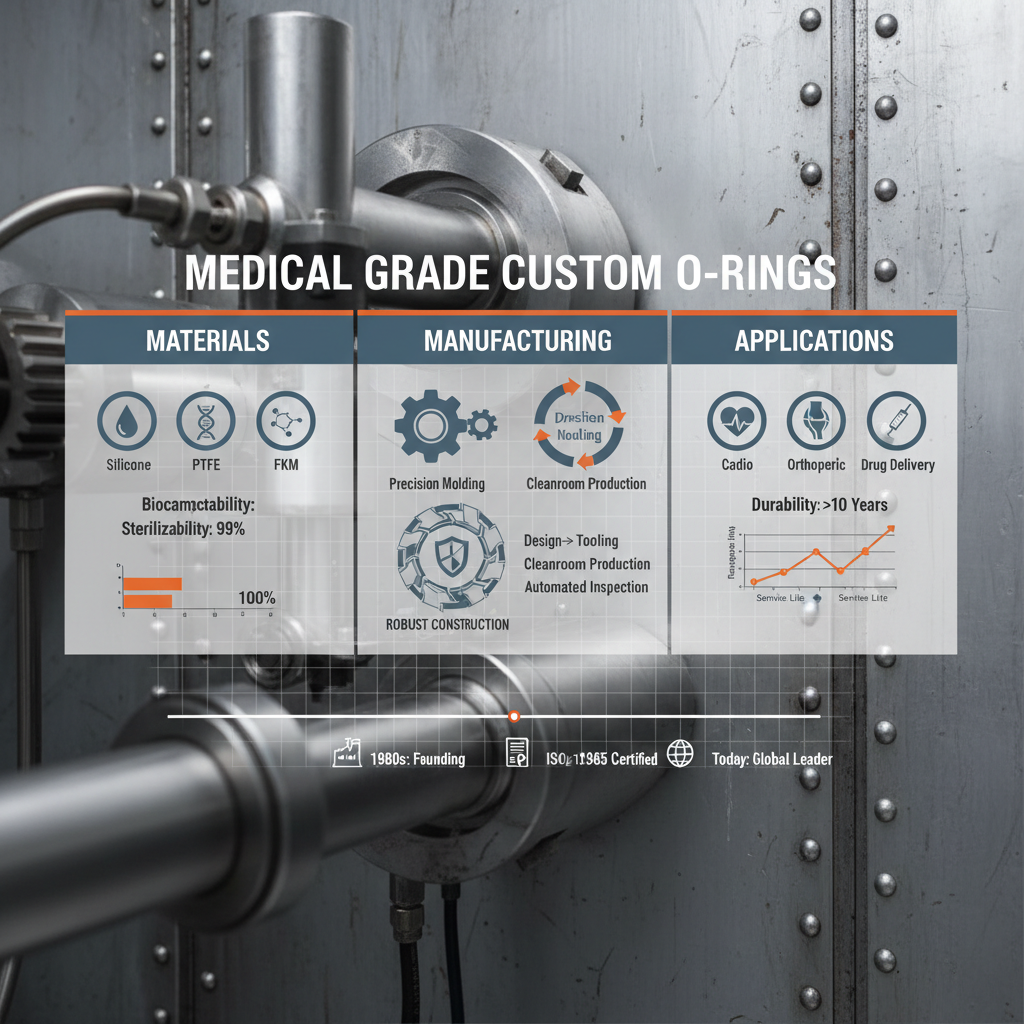
Medical Grade Custom O-Rings

Medical Grade Custom O-Rings are indispensable in safeguarding the integrity and functionality of medical devices. They are meticulously engineered to provide a leak-proof seal in critical applications, protecting both the device itself and, most importantly, the patient. Their importance stems from the rigorous demands of the healthcare environment, where even the smallest compromise in sealing performance can have significant consequences.

The ability to customize these O-rings to specific device requirements is a key benefit. Unlike standard O-rings, custom designs allow for precise dimensions, specialized materials, and unique configurations to address the unique sealing challenges of complex medical equipment. This customization ensures optimal performance, extended device lifespan, and enhanced patient safety, ultimately making them a vital component in modern healthcare.

Defining Medical Grade Custom O-Rings

Medical Grade Custom O-Rings are sealing components specifically designed and manufactured for use in medical devices and healthcare applications. They differ from standard O-rings in their material selection, manufacturing processes, and quality control procedures. The “medical grade” designation signifies that the materials used are biocompatible, non-toxic, and meet stringent regulatory standards, such as those set by the FDA.

These O-rings are often custom-designed to fit specific devices and applications, providing a tailored sealing solution. This customization encompasses variations in size, shape, material, and surface finish. The aim is to create a perfect seal that prevents fluid leakage, maintains sterility, and ensures reliable device operation.

Their connection to modern industry and humanitarian needs lies in their essential role in enabling life-saving and life-improving medical technologies. From implantable devices to surgical instruments, Medical Grade Custom O-Rings are a crucial part of the healthcare ecosystem, ensuring the safe and effective delivery of medical care worldwide.

Key Material Properties of Medical Grade Custom O-Rings

The selection of material is paramount when creating Medical Grade Custom O-Rings. Common materials include silicone, fluorosilicone (FKM), EPDM, and PTFE, each offering unique properties to suit different applications. Silicone offers excellent biocompatibility and temperature resistance, making it ideal for long-term implantable devices.

Fluorosilicone provides superior chemical resistance and is often used in applications involving aggressive fluids or sterilization processes. EPDM is known for its resistance to water and steam, while PTFE offers the broadest chemical compatibility. The chosen material must not only meet sealing requirements but also withstand repeated sterilization cycles and maintain its integrity over the device's lifespan.

Biocompatibility testing, following standards like ISO 10993, is a critical step in validating the suitability of materials for medical applications. This ensures that the material does not cause adverse reactions within the body, minimizing the risk of inflammation, toxicity, or allergic responses. Rigorous material testing and certification are essential for ensuring patient safety and regulatory compliance.

Critical Performance Factors for Medical Applications

Beyond material selection, several performance factors are critical for Medical Grade Custom O-Rings. These include compression set, tensile strength, elongation, and fluid compatibility. Compression set refers to the permanent deformation of the O-ring after prolonged compression, which can compromise its sealing ability.

Maintaining a low compression set is essential for ensuring long-term reliability. Tensile strength and elongation determine the O-ring's ability to withstand stress and deformation without tearing. Finally, fluid compatibility ensures that the O-ring material does not swell, degrade, or react with the fluids it is intended to seal.

Performance Metrics for Medical Grade Custom O-Rings

Global Applications of Medical Grade Custom O-Rings

Medical Grade Custom O-Rings find widespread application across numerous medical fields. They are crucial components in surgical instruments, ensuring leak-proof operation during delicate procedures. They are also utilized in implantable devices such as pacemakers, insulin pumps, and cochlear implants, where long-term reliability and biocompatibility are paramount.

Furthermore, these O-rings are integral to diagnostic equipment like IVD devices, blood analyzers, and imaging systems, maintaining the integrity of fluid pathways and ensuring accurate results. Pharmaceutical manufacturing also relies on Medical Grade Custom O-Rings to maintain sterility and prevent contamination during the production of injectable drugs and other sterile solutions.

Advantages and Long-Term Value

The advantages of using Medical Grade Custom O-Rings extend beyond their sealing capabilities. They offer increased reliability and safety, minimizing the risk of device failure and patient harm. Their customization options lead to optimized performance, reducing waste and improving efficiency in manufacturing processes. The long-term value stems from reduced maintenance costs, extended device lifespan, and enhanced patient outcomes.

From a sustainability perspective, durable and reliable O-rings reduce the need for frequent replacements, minimizing environmental impact. The trust and confidence instilled by using high-quality, certified components contribute to brand reputation and customer loyalty. Ultimately, Medical Grade Custom O-Rings represent an investment in quality, safety, and long-term value.

Investing in these specialized seals also mitigates risk. Device recalls due to sealing failures can be incredibly costly, both financially and in terms of reputation. Medical Grade Custom O-Rings, with their rigorous quality control and biocompatibility testing, minimize this risk significantly.

Future Trends and Innovations in O-Ring Technology

The future of Medical Grade Custom O-Rings is poised for continued innovation. Research into new materials, such as advanced polymers and bio-based elastomers, aims to enhance biocompatibility, chemical resistance, and mechanical properties. Micro-molding techniques are enabling the creation of even smaller and more precise O-rings for miniaturized medical devices.

Digital transformation is playing a role, with the use of advanced modeling and simulation tools to optimize O-ring designs and predict performance. Automation in manufacturing processes is increasing efficiency and reducing costs. Furthermore, a growing emphasis on sustainability is driving the development of eco-friendly materials and manufacturing practices.

The convergence of these trends promises to deliver next-generation Medical Grade Custom O-Rings that are more reliable, more biocompatible, and more sustainable, furthering advancements in healthcare technology and improving patient care.

Challenges and Potential Solutions for Medical Grade Custom O-Rings

Challenge Material Compatibility Manufacturing Cost Quality Control
Biocompatibility Concerns Thorough Material Testing Automated Production ISO 13485 Certification
Sterilization Resistance FKM and Silicone Selection Design for Manufacturability Validation of Sterilization Processes
Small Batch Production Micro-Molding Technologies Optimized Tooling Costs Statistical Process Control
Tight Dimensional Tolerances Advanced Polymer Formulation Precision Injection Molding Coordinate Measuring Machines (CMM)
Fluid Compatibility Issues PTFE or Specialized Elastomers Material Cost Analysis Fluid Immersion Testing
Long Lead Times Strategic Material Stocking Streamlined Ordering Process Supplier Relationship Management

FAQS

What materials are commonly used in medical grade custom O-rings?

Silicone, fluorosilicone (FKM), EPDM, and PTFE are frequently employed due to their biocompatibility, chemical resistance, and temperature stability. Silicone is ideal for long-term implants, while FKM excels in harsh chemical environments. Material selection depends on the specific application and fluid compatibility requirements. Thorough testing ensures adherence to medical standards.

How do custom O-rings differ from standard O-rings in medical applications?

Custom O-rings are engineered to meet precise dimensional requirements and material specifications for specific medical devices, unlike standard O-rings which are mass-produced. This customization ensures optimal sealing performance, compatibility with sterilization processes, and biocompatibility. It also minimizes leakage and enhances device reliability.

What regulatory standards apply to medical grade O-rings?

Medical grade O-rings must comply with stringent regulations, including FDA guidelines, ISO 10993 for biocompatibility, and USP Class VI for plastics. These standards ensure the materials are non-toxic, do not cause adverse reactions, and are suitable for contact with bodily fluids. Compliance is crucial for device approval and patient safety.

How are medical grade custom O-rings sterilized?

Common sterilization methods include autoclaving, gamma irradiation, and ethylene oxide (EtO) sterilization. The chosen method depends on the O-ring material and the device's sterilization requirements. Materials must withstand repeated sterilization cycles without degradation, ensuring the device remains sterile throughout its intended lifespan.

What is the typical lead time for custom O-ring production?

Lead times vary depending on the complexity of the design, material availability, and production volume. Generally, custom O-ring production can take between 2 to 6 weeks. Establishing a strong supplier relationship and providing detailed specifications can help expedite the process.

How can I ensure the quality of medical grade custom O-rings?

Verify that the supplier is ISO 13485 certified and conducts thorough quality control procedures. Request material certificates, dimensional reports, and biocompatibility testing data. Inspect the O-rings upon receipt for any defects or inconsistencies. Proper quality assurance is vital for device performance and patient safety.

Conclusion

Medical Grade Custom O-Rings are a foundational element of modern healthcare, providing critical sealing solutions for a vast range of medical devices and applications. Their specialized materials, customized designs, and adherence to stringent regulatory standards ensure patient safety, device reliability, and optimal performance. Understanding their properties, applications, and evolving technologies is crucial for anyone involved in the medical device industry.

Looking ahead, continued innovation in materials, manufacturing processes, and quality control will further enhance the capabilities of Medical Grade Custom O-Rings. By embracing these advancements, the healthcare industry can continue to develop safer, more effective, and more sustainable medical technologies. For high-quality, customized sealing solutions, visit our website: Medical Grade Custom O-Rings.

Daniel Garcia

Daniel Garcia

Daniel Garcia is a Sales Engineer specializing in the petrochemical and machinery sectors at Shijiazhuang Beike Sealing Technology. For the past 7 years, he has built strong relationships with key clients, providing expert advice on the optimal rubber sealing solutions for their specific applications. Daniel understands the critical role sealing
Previous Essential Guide to Dustproof ORings for Reliable Sealing Solutions
Next Chemical Industry ORings Ensuring Safe and Efficient Containment

If you are interested in our products, you can choose to leave your information here, and we will be in touch with you shortly.