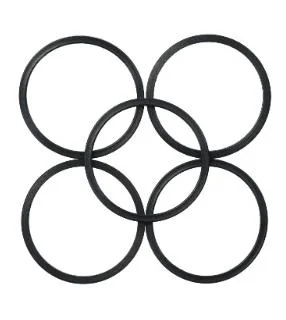
Automotive Custom O-Rings are essential components within the automotive industry, providing sealing solutions for a vast array of applications – from engine components to fuel systems and air conditioning. Their ability to maintain leak-proof integrity under extreme conditions, including fluctuating temperatures, high pressures, and exposure to various fluids, is paramount to vehicle performance and safety. Understanding the nuances of these custom seals is therefore crucial for automotive engineers, manufacturers, and suppliers alike.
The global automotive industry is a multi-trillion dollar market, driven by continuous innovation and stringent performance standards. Within this landscape, the demand for high-quality sealing solutions, especially Automotive Custom O-Rings, is consistently increasing. Factors such as the rise of electric vehicles (EVs), advancements in engine technology, and increasingly complex automotive systems are all contributing to this growth. According to Statista, the automotive industry generated approximately $2.9 trillion in revenue in 2023, highlighting the significant economic impact and the critical need for reliable components.
Addressing the challenges of sealing in modern vehicles—where space is limited and performance demands are high—requires bespoke solutions. Automotive Custom O-Rings offer a critical advantage over standard, off-the-shelf components. This customizability leads to improved efficiency, reduced maintenance, and enhanced overall vehicle reliability, making them a cornerstone of modern automotive engineering. Automotive Custom O-Rings from specialized manufacturers are becoming increasingly vital.
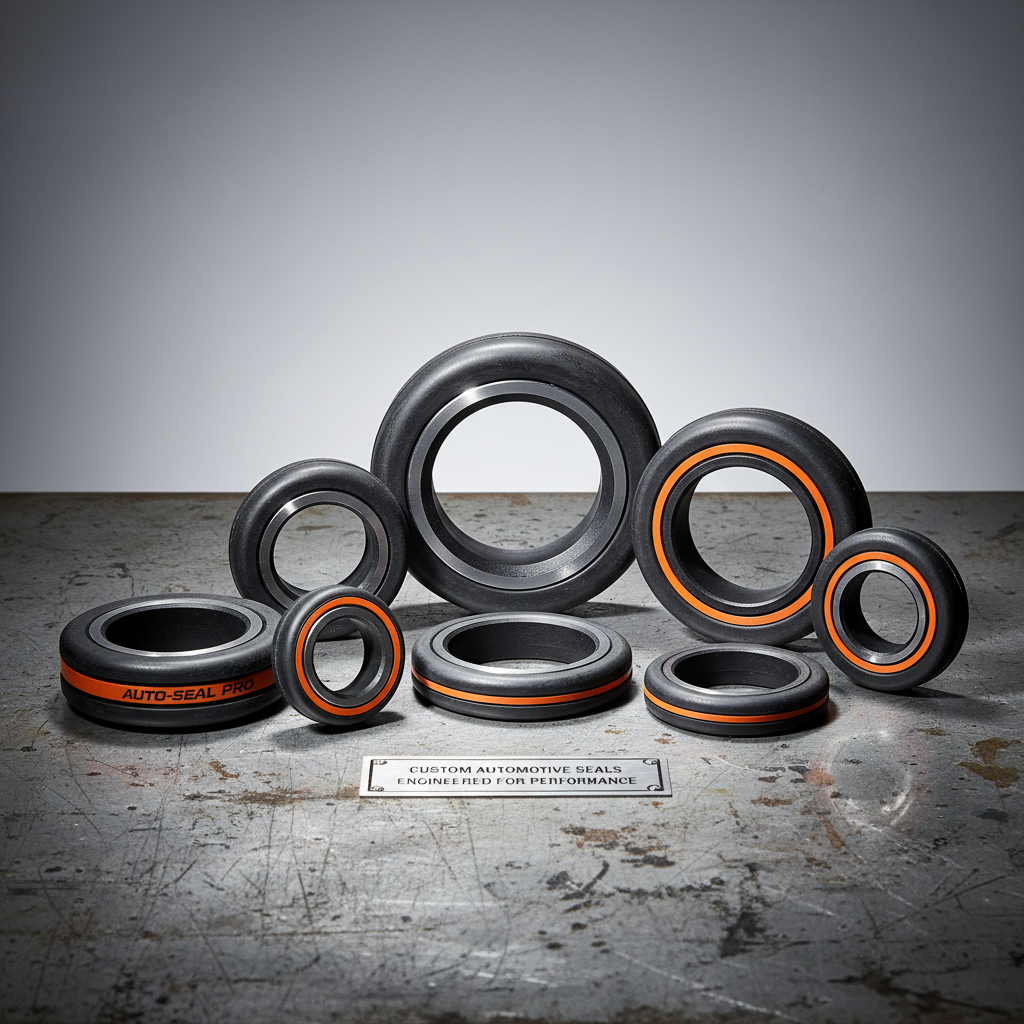
Defining Automotive Custom O-Rings
Automotive Custom O-Rings are toroidal-shaped seals designed to create a static or dynamic seal between mating surfaces. Unlike standard O-rings, they are specifically engineered to meet the unique requirements of automotive applications, including precise dimensions, material compatibility with automotive fluids, and the ability to withstand extreme temperatures and pressures. Automotive Custom O-Rings are a critical element in preventing leaks and ensuring the reliable operation of various vehicle systems.
These seals play a vital role in modern industry, and increasingly in areas demanding high reliability and safety. Their application isn’t limited to automotive; they are found in aerospace, oil and gas, and medical equipment. The custom nature of their design directly addresses the needs of environments where standard seals simply cannot perform adequately, contributing to improved efficiency and reduced downtime in a diverse range of sectors.
Global Relevance and Industry Context
The automotive industry is a global force, with vehicle production and component manufacturing spread across continents. This interconnectedness creates a significant demand for standardized and specialized components, including Automotive Custom O-Rings. The Asia-Pacific region, particularly China, is currently the largest automotive market and a major producer of these seals, followed by Europe and North America. The United Nations Statistics Division estimates that global motor vehicle production reached over 85 million units in 2023, underlining the scale of the industry and its reliance on components like custom seals.
The increasing complexity of modern vehicles, driven by advancements in engine technology (such as direct injection and turbocharging) and the adoption of electric powertrains, presents a growing challenge for sealing solutions. Traditional materials and designs may not be sufficient to handle the higher pressures, temperatures, and corrosive fluids found in these systems. This is where Automotive Custom O-Rings become essential, providing tailored solutions for specific applications.
A major challenge within the industry is maintaining consistent quality and reliability across the global supply chain. Counterfeit or substandard O-rings can lead to catastrophic failures, impacting vehicle safety and performance. Organizations like the International Organization for Standardization (ISO) play a crucial role in setting standards and ensuring quality control, but vigilance and robust supplier vetting are essential for manufacturers.
Material Science and Automotive Custom O-Rings
The selection of the right material is paramount when designing Automotive Custom O-Rings. Common materials include Nitrile (NBR), Viton (FKM), Silicone (VMQ), and EPDM. NBR is cost-effective and provides good resistance to oil and fuels, making it suitable for many general-purpose applications. Viton, however, offers superior resistance to high temperatures, aggressive chemicals, and fuels, making it ideal for critical engine and fuel system seals. The choice depends heavily on the specific operating conditions and the fluids the seal will encounter.
Recent advancements in material science have led to the development of new polymers and compounds offering enhanced performance characteristics. For example, hydrogenated nitrile butadiene rubber (HNBR) provides improved heat resistance and abrasion resistance compared to traditional NBR. Furthermore, the incorporation of fillers like PTFE (Teflon) can reduce friction and improve sealing performance. Automotive Custom O-Rings manufacturers are constantly innovating to meet the evolving demands of the automotive industry.
Material compatibility is a critical factor. Exposure to incompatible fluids can cause swelling, degradation, or embrittlement of the O-ring, leading to leaks and failure. Therefore, thorough testing and validation are essential to ensure that the chosen material can withstand the specific operating conditions. Considerations include fuel type (gasoline, diesel, ethanol blends), engine oil composition, transmission fluid, and coolant characteristics.
Key Performance Indicators of Automotive Custom O-Rings
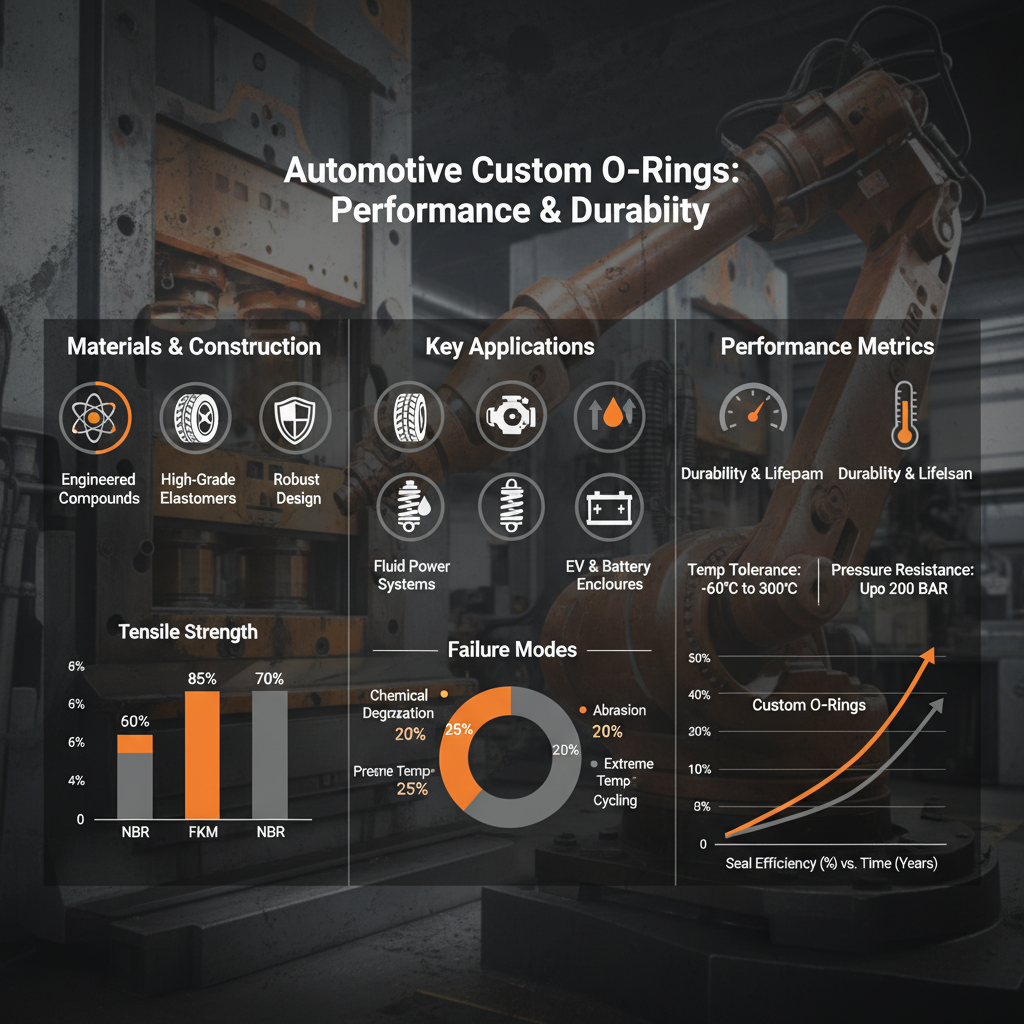
Several key performance indicators (KPIs) are used to evaluate the effectiveness of Automotive Custom O-Rings. These include compression set, tensile strength, elongation at break, and fluid resistance. Compression set measures the permanent deformation of the seal after prolonged compression, indicating its ability to maintain its sealing force over time.
Tensile strength and elongation at break indicate the material's resistance to tearing and stretching, crucial for dynamic sealing applications. Fluid resistance assesses the seal’s ability to withstand prolonged exposure to automotive fluids without swelling, cracking, or degradation. Monitoring these KPIs ensures the long-term reliability and performance of the seal.
Automotive Custom O-Rings Performance Comparison
Applications in Automotive Systems
Automotive Custom O-Rings are utilized in a wide range of applications throughout a vehicle. These include sealing fuel injectors, fuel pumps, oil pans, valve cover gaskets, transmission seals, and coolant system components. In engine applications, they must withstand high temperatures and pressures, as well as exposure to corrosive oils and combustion byproducts.
Within the transmission system, they seal gearboxes, clutches, and torque converters, preventing leaks and maintaining hydraulic pressure. In braking systems, they ensure the integrity of brake calipers and master cylinders. Furthermore, with the rise of EVs, custom O-rings are increasingly used to seal battery packs and cooling systems, protecting critical components from environmental factors and maintaining optimal performance.
Advantages and Long-Term Value Proposition
The use of Automotive Custom O-Rings offers several significant advantages over standard seals. These include improved sealing performance, reduced leakage, enhanced reliability, and extended service life. By tailoring the seal’s design and material to the specific application, manufacturers can optimize performance and minimize the risk of failure.
The long-term value proposition extends beyond immediate cost savings. Reduced leakage translates to lower fluid consumption and reduced environmental impact. Enhanced reliability minimizes downtime and maintenance costs, while extended service life reduces the frequency of seal replacements. This ultimately contributes to a lower total cost of ownership for vehicle owners and manufacturers.
Moreover, utilizing custom-engineered seals demonstrates a commitment to quality and safety, enhancing brand reputation and customer trust. Automotive Custom O-Rings are an investment in long-term performance and vehicle integrity.
Future Trends and Innovation in Automotive Custom O-Rings
The automotive industry is undergoing a period of rapid transformation, driven by the shift towards electric vehicles, autonomous driving, and connected car technologies. This is creating new challenges and opportunities for sealing solutions. The increasing use of high-voltage systems in EVs requires seals with enhanced dielectric properties to prevent electrical leakage and ensure safety.
Advancements in materials science are leading to the development of new polymers and coatings with improved performance characteristics, such as self-healing materials and nanomaterial-enhanced seals. Furthermore, the integration of sensors and data analytics into sealing systems will enable predictive maintenance and optimize seal performance in real-time.
Sustainability is also becoming a major driver of innovation. Manufacturers are exploring the use of bio-based materials and developing seals that can be easily recycled or repurposed. These efforts align with the industry’s commitment to reducing its environmental footprint and promoting a circular economy.
Key Trends in Automotive Custom O-Rings Development
| Trend Category |
Description |
Impact on Automotive Custom O-Rings |
Implementation Timeline |
| Electrification |
Growing adoption of electric and hybrid vehicles. |
Demand for seals with high dielectric strength and compatibility with coolants used in battery thermal management systems. |
Currently (2024-2026) |
| Material Innovation |
Development of new polymers and composite materials. |
Improved resistance to extreme temperatures, chemicals, and abrasion, leading to longer seal life. |
Short-Term (2024-2027) |
| Sustainability |
Focus on reducing environmental impact through material selection and manufacturing processes. |
Increased use of bio-based materials and recyclable seal designs. |
Medium-Term (2027-2030) |
| Sensor Integration |
Embedding sensors into seals for real-time monitoring of performance. |
Predictive maintenance capabilities, improved seal lifetime, and early detection of potential failures. |
Long-Term (2030+) |
| Miniaturization |
Demand for smaller, more compact seals due to increasing component density. |
Advanced manufacturing techniques and new materials are needed to produce reliable miniature seals. |
Medium-Term (2027-2030) |
| Additive Manufacturing |
Utilizing 3D printing for customized seal production. |
Rapid prototyping, on-demand production, and complex geometries become feasible. |
Short-to-Medium Term (2025-2028) |
FAQS
Standard O-rings are mass-produced to common sizes and material specifications, making them a cost-effective solution for general sealing applications. However, Automotive Custom O-Rings are specifically engineered to meet the unique requirements of automotive systems, offering tailored dimensions, material compositions optimized for automotive fluids, and enhanced resistance to high temperatures and pressures. This customization ensures superior performance and reliability in demanding automotive environments.
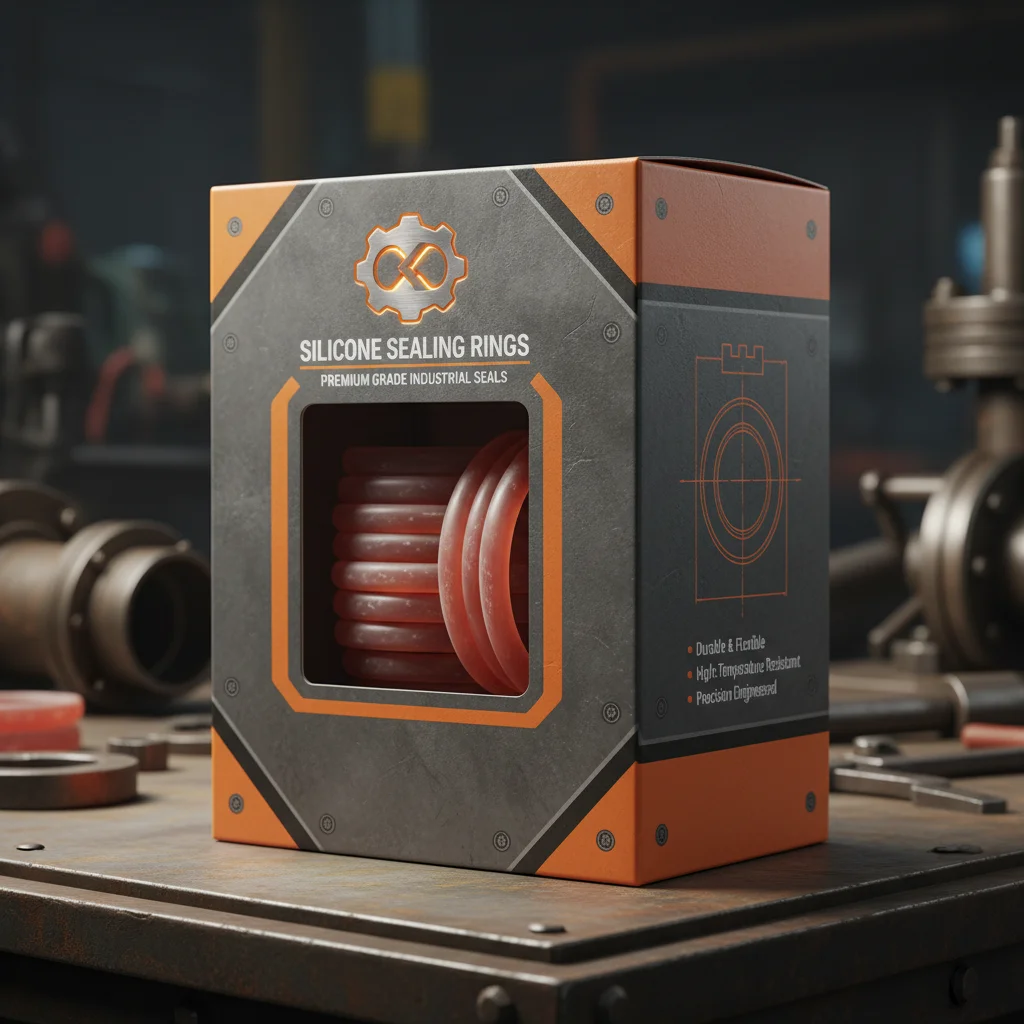
Selecting the appropriate material is crucial for optimal performance. Consider the fluid compatibility, temperature range, pressure requirements, and dynamic conditions of the application. Nitrile (NBR) is a cost-effective option for oil and fuel resistance, while Viton (FKM) provides superior resistance to high temperatures and aggressive chemicals. Silicone (VMQ) excels in extreme temperatures, and EPDM offers excellent resistance to weathering and ozone.
Compression set refers to the permanent deformation of an O-ring after being subjected to prolonged compression. A high compression set indicates that the seal has lost its ability to return to its original shape, leading to leakage. Low compression set is critical for Automotive Custom O-Rings, as it ensures long-term sealing performance and prevents premature failure in demanding automotive applications.
By providing a reliable and leak-proof seal in fuel systems, Automotive Custom O-Rings prevent fuel evaporation and minimize fuel loss. This improves fuel efficiency and reduces emissions. Precision-engineered seals also contribute to optimal engine performance, which further enhances fuel economy. In electric vehicles, they prevent coolant leakage which is essential for battery thermal management and energy efficiency.
Hydrogenated Nitrile Butadiene Rubber (HNBR) offers significant advantages over standard NBR, including improved heat resistance, abrasion resistance, and oil resistance. This translates to extended seal life, reduced maintenance requirements, and enhanced reliability in demanding automotive applications. HNBR is particularly well-suited for use in turbocharger systems and other high-temperature environments.
Look for manufacturers with robust quality control systems and certifications like ISO 9001. Verify material certifications and request testing reports to confirm that the seals meet your specific requirements. Consider working with a reputable supplier who can provide technical support and assist with material selection. Automotive Custom O-Rings are known for their quality.
Conclusion
Automotive Custom O-Rings are indispensable components in modern vehicles, providing critical sealing solutions that ensure reliability, performance, and safety. From managing extreme temperatures and pressures to preventing leaks of vital fluids, these custom-engineered seals play a crucial role in a vast array of automotive systems. The advancements in material science and manufacturing techniques are continuously pushing the boundaries of what’s possible, leading to more durable, efficient, and sustainable sealing solutions.
As the automotive industry continues to evolve, the demand for high-quality Automotive Custom O-Rings will only increase. Embracing innovation, prioritizing material compatibility, and investing in robust quality control measures are essential for manufacturers and suppliers alike. For more information and to explore our range of custom sealing solutions, visit our website at www.beikesealing.com.