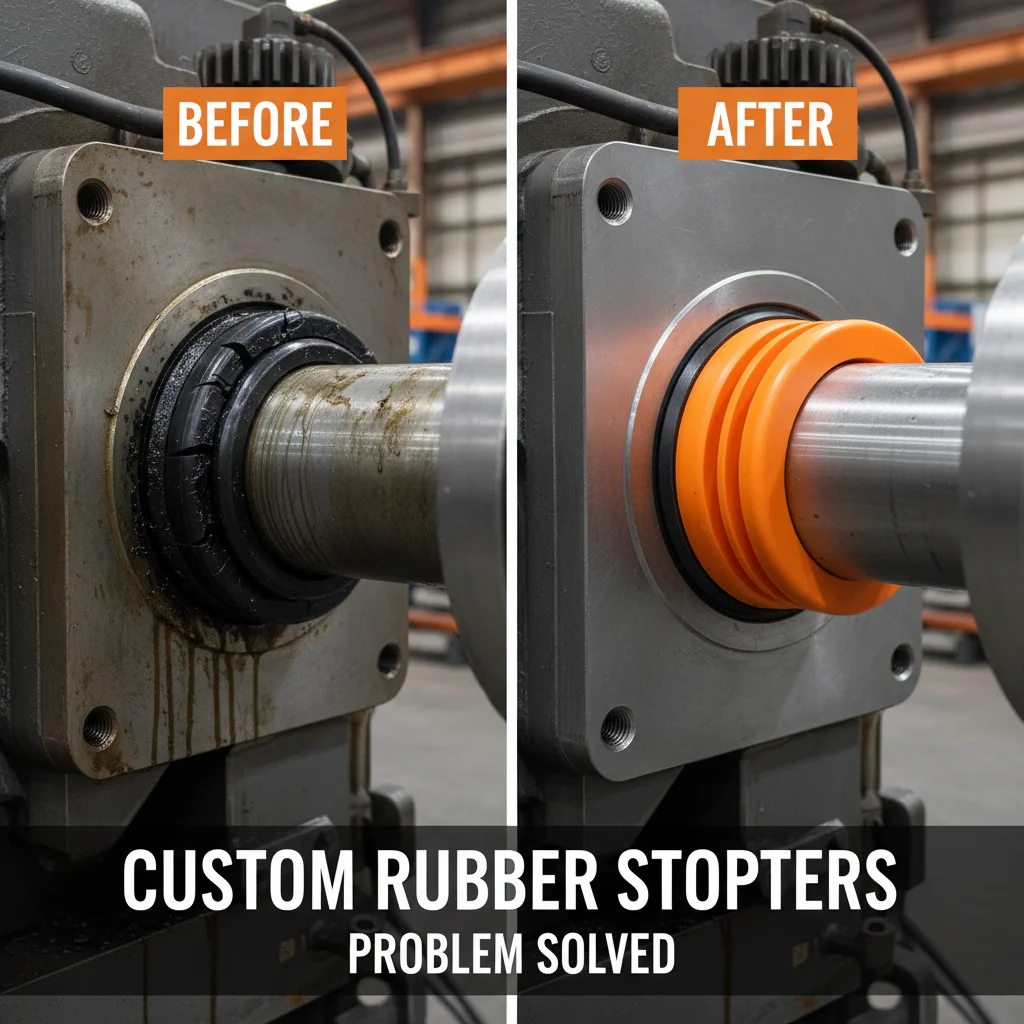
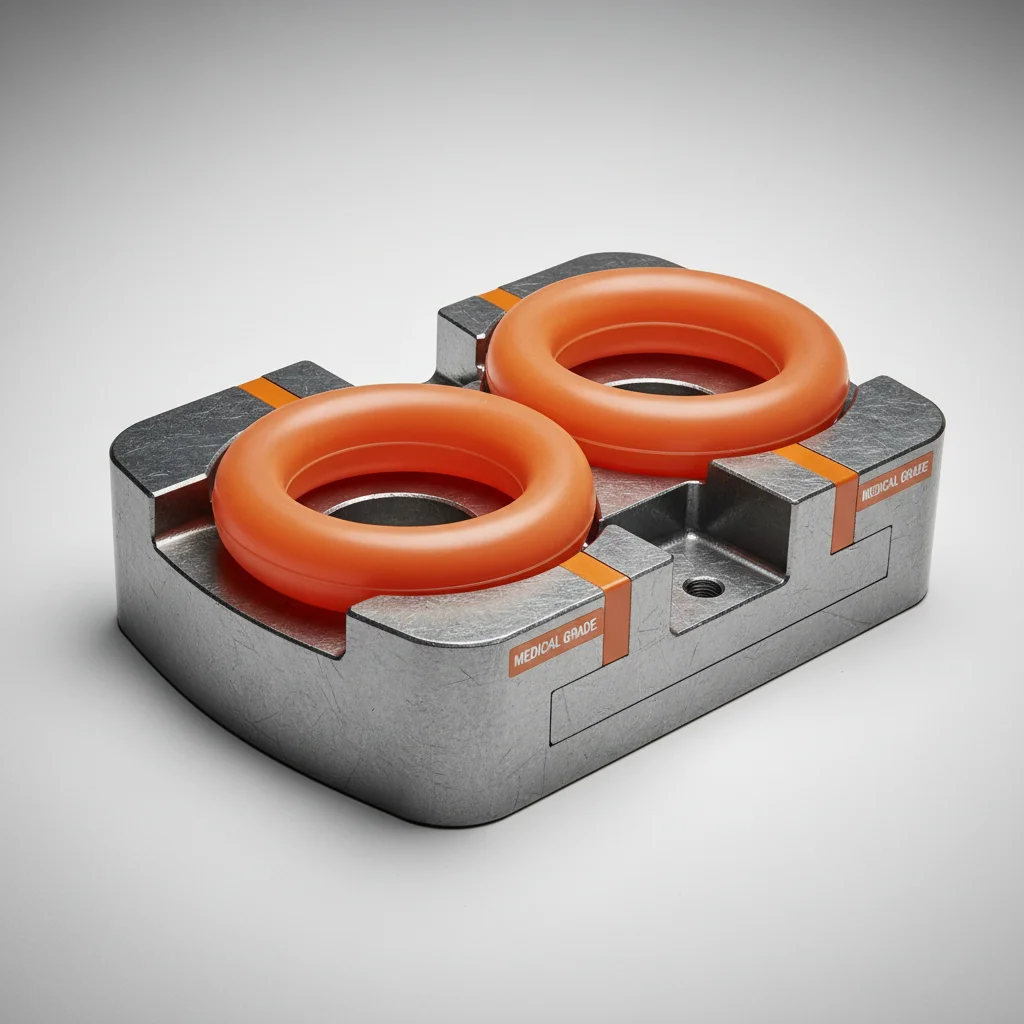
In the complex world of industrial sealing, the demand for precision has led to the rise of Custom Irregular Gaskets. Unlike standard O-rings or flat washers, these specialized components are engineered to fit non-standard geometries, ensuring leak-proof performance in environments where a fraction of a millimeter can mean the difference between operational success and catastrophic failure.
From aerospace manifolds to intricate medical device housings, the global reliance on these tailored seals is growing as machinery becomes more compact and complex. By addressing the unique spatial constraints of modern engineering, Custom Irregular Gaskets allow designers to push the boundaries of product architecture without sacrificing the integrity of the seal.
Understanding the nuances of material selection and precision manufacturing is key to maximizing the lifespan of these parts. This guide explores how transitioning from generic seals to bespoke irregular gaskets can reduce maintenance costs, enhance safety, and improve the overall energy efficiency of industrial systems worldwide.

Global Industry Context of Custom Irregular Gaskets
On a global scale, the manufacturing sector is undergoing a shift toward hyper-customization. According to ISO quality standards and industry benchmarks, the move toward miniaturization in electronics and automotive sectors has rendered standard sealing shapes obsolete in many high-precision applications. Custom Irregular Gaskets have emerged as the primary solution to prevent leakage in complex-shaped flanges and housings.
The challenge lies in the diversity of environmental stressors—ranging from extreme temperature fluctuations in Arctic oil rigs to caustic chemical exposure in pharmaceutical plants. When a standard seal fails due to an improper fit, the resulting downtime can cost companies millions. This industrial pressure has accelerated the adoption of bespoke rubber solutions that are tailored to the exact CAD specifications of the mating surfaces.
Defining Custom Irregular Gaskets in Modern Engineering
In simple terms, Custom Irregular Gaskets are sealing components designed with non-standard, non-circular, or asymmetric shapes to fit specific mechanical interfaces. Unlike a standard O-ring, which relies on a consistent circular cross-section, irregular gaskets are often die-cut, molded, or CNC-machined to follow the exact contours of a unique equipment part, ensuring a perfect airtight or watertight seal.
Beyond the geometry, these components are an intersection of material science and precision engineering. They are developed to address the "gap" in humanitarian and industrial needs—such as creating sustainable water filtration systems in remote areas or developing lightweight, leak-proof components for medical ventilators. The ability to customize the shape allows for a more efficient distribution of compression force across the sealing surface.
By integrating advanced elastomers like EPDM, Viton, or food-grade silicone, these gaskets do more than just block fluids; they absorb vibrations, compensate for surface irregularities, and protect sensitive internal components from environmental contaminants. This makes them indispensable in any industry where "standard" is simply not an option.
Core Components of High-Performance Gasket Design
The effectiveness of Custom Irregular Gaskets depends first on Material Compatibility. Choosing between NBR for oil resistance or EPDM for weatherproofing ensures that the gasket does not degrade prematurely. The chemical interaction between the gasket material and the medium it seals is the foundation of long-term reliability.
Geometric Precision is the second pillar. Because these are irregular shapes, the tolerance levels must be extremely tight. Using high-precision molds or water-jet cutting ensures that the Custom Irregular Gaskets fit perfectly without overlapping or leaving gaps, which would otherwise create leak paths under high pressure.
Finally, Compression Set Resistance determines how well the gasket recovers its shape after being compressed. A high-quality irregular gasket must maintain a constant sealing force over thousands of cycles, preventing the need for frequent retightening of bolts or replacement of the seal, thereby reducing overall operational maintenance.
Material Durability and Cost Efficiency Analysis
When evaluating the ROI of implementing Custom Irregular Gaskets, one must look beyond the initial unit price. While a custom-molded part costs more than a stock item, the reduction in "leakage-related downtime" and the extension of the maintenance cycle provide a significant net gain in cost efficiency.
Durability is closely tied to the elastomer's ability to withstand specific stressors. By optimizing the material for the specific irregular shape, engineers can reduce the amount of material used while increasing the seal's effectiveness, leading to a more sustainable manufacturing process.
Performance Metrics of Custom Irregular Gaskets Methods
Real-World Applications Across Global Industries
In the automotive sector, Custom Irregular Gaskets are vital for electric vehicle (EV) battery packs. These packs require complex, irregular seals to protect lithium cells from moisture and dust while managing thermal expansion. A failure in these gaskets could lead to battery degradation or safety hazards, making precision customization a non-negotiable requirement.
Similarly, in the food and beverage industry, food-grade silicone gaskets are designed in irregular shapes to fit custom-built processing vats and piping systems. These must comply with strict FDA and ISO standards to prevent contamination. In remote industrial zones, such as mining operations in Australia or oil fields in the Middle East, the use of high-durability irregular gaskets reduces the need for frequent flights of technicians to perform seal replacements.
Long-Term Value and Reliability Advantages
The long-term value of investing in Custom Irregular Gaskets manifests as enhanced system reliability. By eliminating the "improvised fit" often seen with trimmed standard gaskets, companies reduce the risk of unexpected blowouts and fluid leaks. This creates a culture of trust and safety, particularly in high-pressure hydraulic systems where a leak can be dangerous to operators.
Furthermore, the environmental impact is significantly lowered. Precisely engineered gaskets lead to fewer leaks of hazardous chemicals into the ecosystem and reduce the volume of wasted rubber material during installation. When a gasket is designed to last five years instead of one, the carbon footprint of the supply chain is drastically reduced.
From a psychological perspective, the use of bespoke components signals a commitment to quality and innovation. For OEMs, providing Custom Irregular Gaskets as part of a complete sealing project ensures that the end-user experiences seamless performance, thereby enhancing brand loyalty and product reputation.
Future Trends and Innovations in Rubber Sealing
The future of Custom Irregular Gaskets is being shaped by the integration of Industry 4.0. 3D printing (additive manufacturing) of elastomers is allowing for rapid prototyping of irregular shapes, reducing the lead time for custom molds from weeks to days. This agility allows engineers to iterate designs in real-time to find the most efficient sealing profile.
Sustainability is also driving the development of bio-based elastomers. We are seeing a trend toward "green rubber" that maintains the high performance of synthetic EPDM but with a lower environmental impact. These materials are being integrated into irregular gasket designs for the renewable energy sector, particularly in hydrogen fuel cell components.
Lastly, the rise of "smart gaskets" is on the horizon. Incorporating conductive materials or sensors into Custom Irregular Gaskets will allow systems to monitor seal integrity in real-time, alerting operators to a potential leak before it occurs.
Comparison of Custom Irregular Gasket Materials and Performance
| Material Type |
Chemical Resistance |
Temp Range (°C) |
Ideal Use Case |
| EPDM Rubber |
High (Ozone/Weather) |
-55 to 150 |
Outdoor Infrastructure |
| Nitrile (NBR) |
Excellent (Oil/Fuel) |
-30 to 120 |
Hydraulic Manifolds |
| Viton (FKM) |
Extreme (Chemicals) |
-20 to 200 |
Aerospace Seals |
| Silicone |
Moderate (Food Grade) |
-60 to 230 |
Medical/Food Equipment |
| Neoprene |
Good (General Purpose) |
-40 to 120 |
Marine Applications |
| Fluorosilicone |
High (Fuel/Heat) |
-60 to 175 |
Automotive Fuel Systems |
FAQS
Custom irregular gaskets are designed to match the exact geometry of a specific mating surface. While O-rings are great for cylindrical holes, irregular gaskets provide full-surface coverage for non-standard shapes, which prevents leaks in complex flanges and reduces the amount of compression force needed to achieve a seal, thereby protecting the equipment from warping.
Selection depends on four key factors: the medium being sealed (oil, water, chemicals), the operational temperature range, whether the seal is static or dynamic, and the surface environment. For example, EPDM is ideal for outdoor weather resistance, while Viton is preferred for high-heat chemical environments.
Yes, professional manufacturers can use reverse engineering to create precise digital drawings from a physical sample. By using high-resolution scanning and calipers, the irregular geometry is mapped to ensure the new gasket is a 100% match to the original specifications.
Lead times vary by complexity. If a mold already exists, delivery can take 5-7 workdays. For entirely new designs requiring mold development, the process usually takes 10-15 workdays. Rapid prototyping methods like CNC machining can further reduce this for sample testing.
While molding has an upfront cost, methods like die-cutting or CNC machining make small batches of custom irregular gaskets very affordable. Additionally, the reduction in downtime and leak-related failures usually offsets the cost of customization within the first year of operation.
Yes, by using food-grade silicone or specific certified elastomers, custom irregular gaskets can be manufactured to meet FDA, LFGB, or ISO standards. It is essential to specify the certification requirement during the design phase to ensure the raw materials used are compliant.
Conclusion
In conclusion, Custom Irregular Gaskets represent the pinnacle of precision sealing in the rubber manufacturing industry. By combining advanced material science with exact geometric tailoring, these components solve the most challenging leakage problems in modern engineering, from the depths of oil wells to the sterile environments of medical labs. The shift from "standard" to "bespoke" is not merely a design choice but a strategic investment in reliability, safety, and long-term operational efficiency.
Looking forward, the integration of smart materials and additive manufacturing will make the development of these seals faster and more intelligent. We encourage engineers and procurement managers to move away from improvised sealing solutions and embrace the precision of custom-engineered rubber parts. For those seeking to optimize their sealing systems and eliminate costly leaks, visit our website: www.beikesealing.com to discover how our expertise can protect your assets.