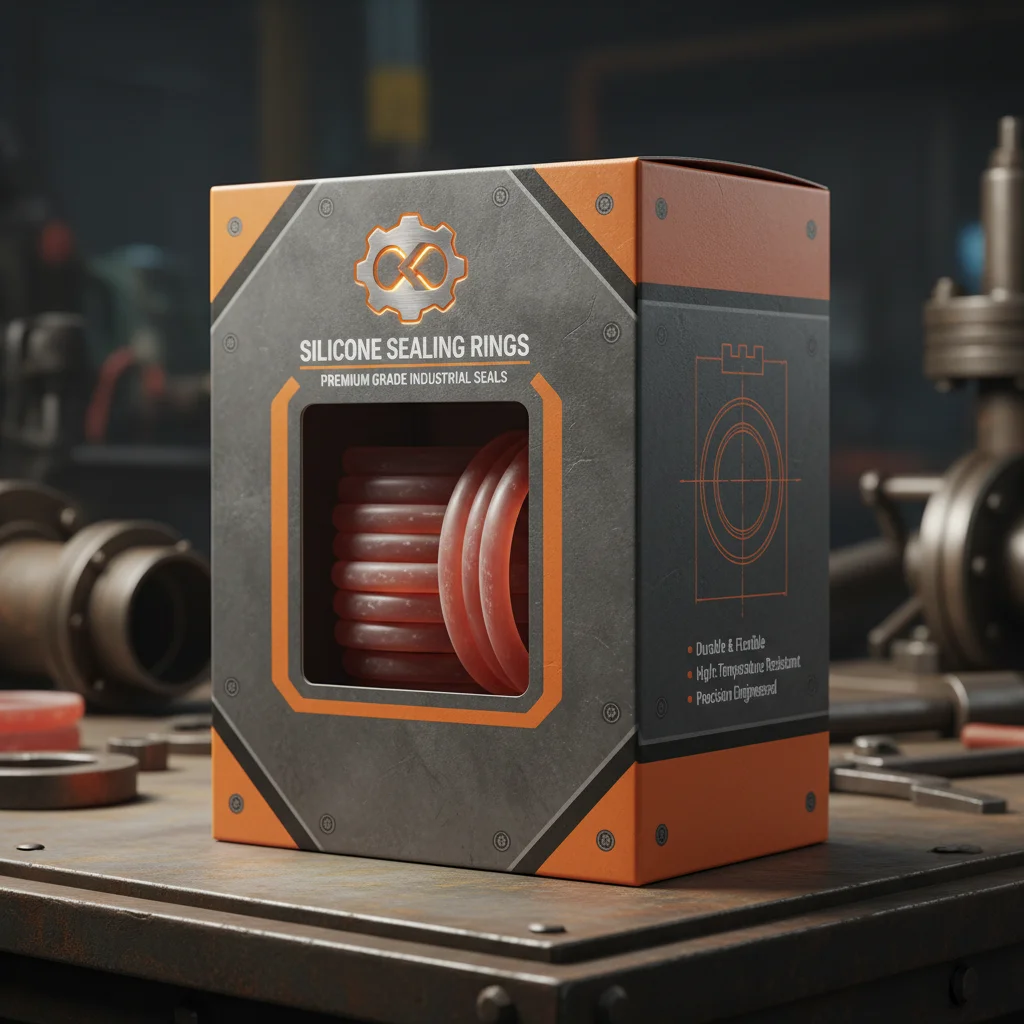
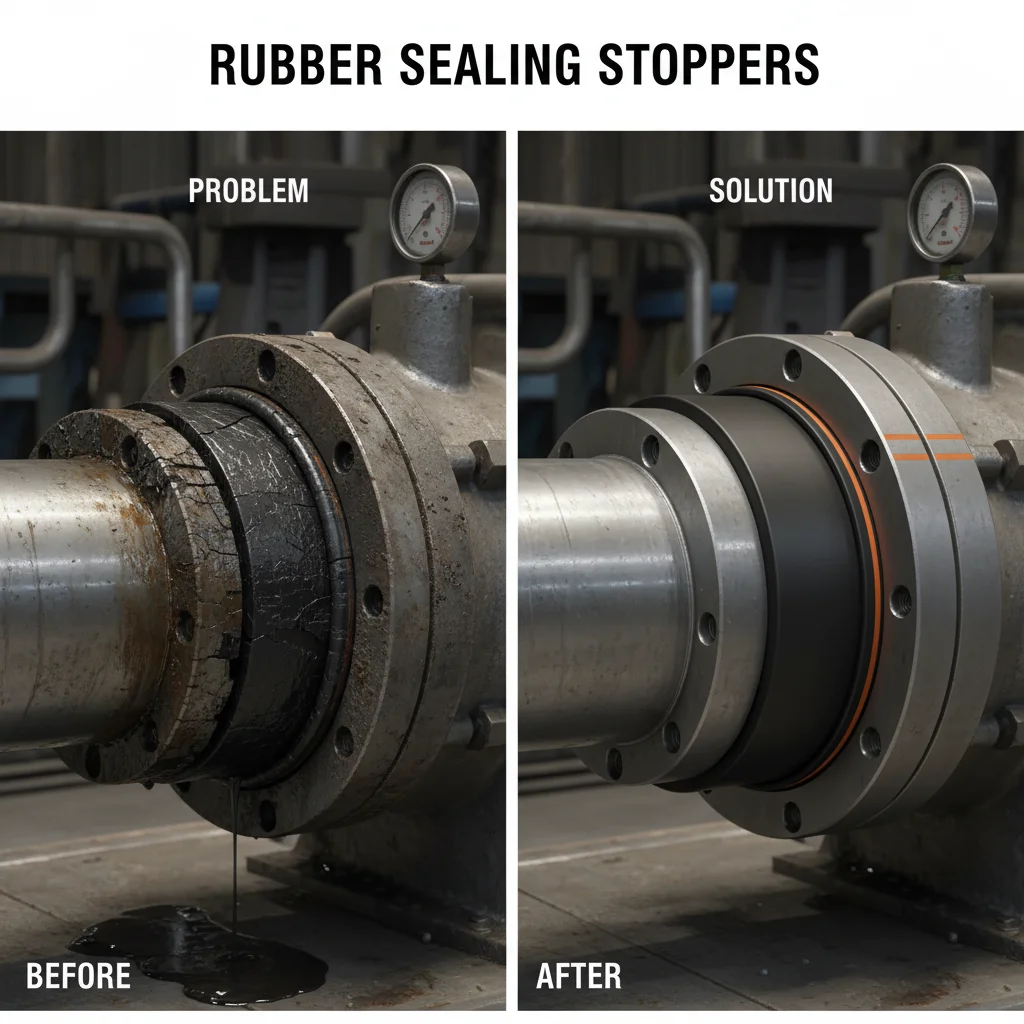
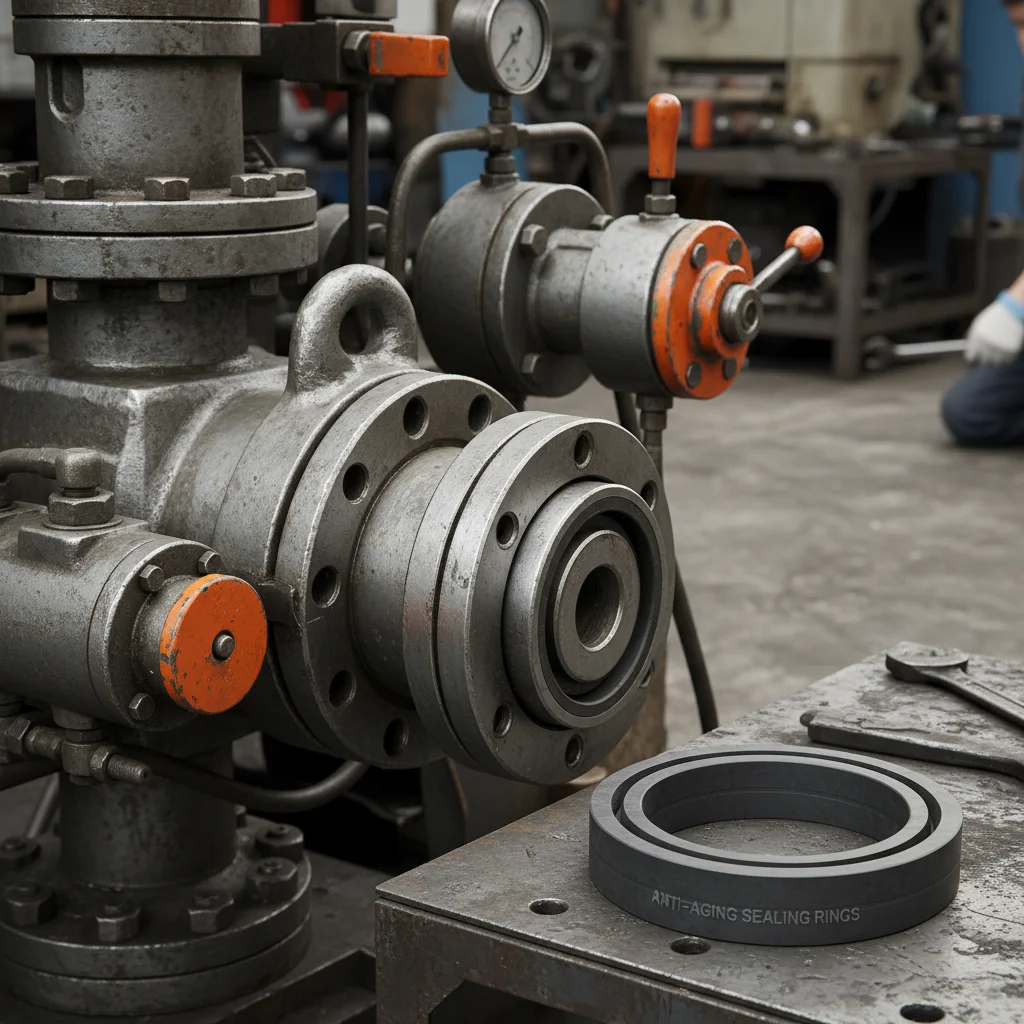
In the complex world of industrial piping and fluid management, the integrity of a connection is only as reliable as the seal between its components. Flange Gaskets serve as the critical barrier that prevents hazardous leaks, maintains system pressure, and ensures the operational safety of plants worldwide. From pharmaceutical laboratories to heavy-duty chemical processing plants, the choice of gasket material and precision directly impacts the longevity of the entire infrastructure.
Modern industrial demands require sealing solutions that can withstand extreme thermal fluctuations and aggressive chemical environments without compromising safety. The global shift toward stricter hygiene standards, particularly in food and medical sectors, has pushed the evolution of Flange Gaskets toward advanced polymers like food-grade silicone. These materials provide a unique combination of elasticity and inertness, ensuring that no contaminants leach into the processed media.
Understanding the nuances of gasket selection—ranging from Shore A hardness to temperature tolerance—is essential for engineers looking to reduce maintenance downtime. By implementing high-performance sealing solutions, industries can achieve a significant return on investment through extended replacement cycles and the elimination of costly unplanned shutdowns. This guide explores the critical role of these components in maintaining industrial excellence.

Global Industrial Relevance of Flange Gaskets
On a global scale, the demand for precision-engineered Flange Gaskets is driven by the expansion of the pharmaceutical and food processing industries. Adherence to international standards such as ISO 9001 and FDA food-grade certifications is no longer optional but a prerequisite for market entry. In regions with strict environmental regulations, the failure of a single seal can lead to catastrophic environmental contamination and massive regulatory fines.
The integration of premium imported silicone into these sealing components addresses the critical need for thermal stability in extreme climates. Whether operating in the freezing conditions of Arctic installations or the searing heat of industrial ovens (up to 250°C), the reliability of the gasket ensures that fluid transport remains uninterrupted and safe. This global reliance underscores the necessity of utilizing materials that are non-toxic and RoHS compliant.
Defining the Function of Flange Gaskets
At its simplest level, Flange Gaskets are specialized sealing rings placed between two mating flange faces to create a leak-proof joint. Their primary purpose is to fill the microscopic irregularities of the flange surfaces, creating a compression seal that prevents the escape of gases, liquids, or steam. In modern industry, this function is the first line of defense against pressure loss and hazardous leaks.
Beyond basic containment, these components are essential for maintaining the purity of the media being transported. In food-grade applications, the gasket must be chemically inert to prevent reaction with the product, ensuring that the food or beverage remains uncontaminated. This intersection of mechanical engineering and material science is what allows for the safe mass production of medical appliances and food handling equipment.
The effectiveness of a seal is determined by its ability to recover—returning to its original shape after the compression load is removed. High-elasticity silicone gaskets excel in this area, providing a "memory" effect that maintains the seal even during the thermal expansion and contraction cycles common in industrial heating and cooling processes.
Core Components of High-Performance Sealing
The performance of Flange Gaskets is primarily dictated by material purity. Utilizing imported food-grade silicone ensures that the seal is non-toxic and safe for human contact, meeting stringent SGS and RoHS standards. This material foundation allows the seal to remain stable under chemical stress that would degrade standard rubber.
Thermal resilience is the second core pillar. While standard rubber seals often fail at 120°C, advanced silicone-based Flange Gaskets operate flawlessly from -55°C up to +250°C. This extreme range is critical for sterilization processes in medical equipment where high-temperature steam is used to eliminate pathogens.
Precision molding and dimensional accuracy complete the technical profile. Whether following AS568, BS806, or custom technical drawings, a gasket must fit with zero tolerance for gaps. Utilizing CNC machining for mold development ensures that every cavity produces a part that fits perfectly, eliminating the risk of "blowouts" caused by uneven compression.
Global Applications and Use Cases
In the food and beverage industry, Flange Gaskets are deployed in everything from brewery piping to automated bottling lines. Because they are non-toxic and resistant to various industrial solvents, they prevent batch contamination and ensure that the end consumer receives a pure product. These seals are particularly vital in "Clean-in-Place" (CIP) systems where the gaskets must withstand frequent chemical washing.
In the electronics and electrical insulation sectors, the dielectric stability of silicone makes these gaskets ideal for protecting sensitive components. Their resistance to UV damage and ozone makes them the preferred choice for outdoor industrial zones and remote energy installations where exposure to the elements is constant. From hydraulic systems to pneumatic seals, the versatility of precision-molded silicone allows for a unified sealing strategy across diverse platforms.
Performance Comparison of Sealing Materials
Long-Term Value and Reliability
The true value of high-grade Flange Gaskets is realized through the reduction of the maintenance cycle. While lower-cost rubber alternatives may seem attractive initially, they degrade quickly under UV exposure and chemical stress, leading to frequent replacements and increased labor costs. Silicone seals, with their superior abrasion and tear resistance, extend the life cycle of the equipment significantly.
Beyond the balance sheet, there is the emotional value of trust and safety. In high-pressure environments, the knowledge that a seal is FDA-certified and precision-molded provides peace of mind to plant operators. This reliability translates to a higher standard of dignity for workers, who are protected from potential leaks of hazardous materials, and a stronger reputation for the brand delivering the final product to the market.
Future Trends in Sealing Technology
The future of Flange Gaskets is moving toward "smart sealing" and enhanced sustainability. We are seeing a trend where materials are being engineered not just for resistance, but for complete recyclability without losing performance. The integration of green chemistry in the production of silicone allows for a lower carbon footprint while maintaining the -55°C to +250°C temperature range.
Digital transformation is also impacting the manufacturing process. The use of high-speed CNC mold opening and real-time in-process control allows for rapid prototyping (OEM/ODM) that can be adjusted based on digital twin simulations. This means gaskets can be optimized for a specific pipe geometry before a single physical mold is even cut, reducing waste and lead times.
Furthermore, as the world shifts toward hydrogen energy and advanced biofuels, the demand for seals that can handle these specific corrosive properties will grow. The next generation of silicone gaskets will likely incorporate nano-composites to further enhance flame resistance and dielectric stability, ensuring they remain the gold standard for the energy transition.
Challenges and Technical Solutions
One of the most common challenges in sealing is "creep" or the permanent deformation of the gasket over time. This is often caused by using low-grade materials that cannot handle the sustained compression load at high temperatures. The solution lies in the use of premium imported silicone with a hardness range of 30~90 Shore A, allowing engineers to select the exact level of rigidity required for the specific pressure of the application.
Another recurring issue is the mismatch between the gasket and the flange surface, which leads to uneven stress distribution and early failure. To solve this, we implement a rigorous "Full Size Check" after mold development and 100% appearance and dimension audits. By ensuring the gasket exactly matches the technical drawings (AS568, DIN3771, etc.), the risk of installation-related failure is virtually eliminated.
Finally, chemical incompatibility can lead to rapid swelling or embrittlement. The solution is a comprehensive material audit before production. By leveraging SGS and RoHS certifications, we ensure that the Flange Gaskets are chemically matched to the solvents and oils used in the specific industrial environment, ensuring a long and stable service life.
Comparison of Sealing Material Performance Metrics
| Material Type |
Temp Stability (Score 1-10) |
Chemical Resistance |
Certification Level |
| Food Grade Silicone |
10 |
High (UV/Ozone) |
FDA/SGS/RoHS |
| Standard Nitrile (NBR) |
5 |
Medium (Oil) |
Industrial Std |
| EPDM Rubber |
7 |
Medium (Weather) |
ISO 9001 |
| Fluorocarbon (FKM) |
9 |
Very High |
High Industrial |
| Natural Rubber |
4 |
Low |
General Purpose |
| Custom Silicone Blend |
10 |
Custom Optimized |
Custom/FDA |
FAQS
For food-grade applications, you should ensure the gaskets are FDA certified and have passed SGS and RoHS tests. These certifications guarantee that the materials are non-toxic and safe for direct contact with food and beverages, preventing chemical leaching into the product.
Yes, we specialize in custom rubber parts. We can produce seals according to your specific technical drawings, photos, or physical samples. Our CNC machining process allows for rapid mold opening to ensure exact tolerances for unique industrial requirements.
Our food-grade silicone O-rings and gaskets are designed for extreme environments, maintaining their elasticity and sealing integrity at temperatures as high as +250°C, while remaining flexible down to -55°C.
Yes, the premium imported silicone used in our production is highly resistant to corrosion, UV damage, ozone, and various industrial solvents, making them ideal for both indoor pharmaceutical use and outdoor industrial applications.
We have a production capacity of 100,000 PCS per week. Lead times vary based on the complexity of the mold, but we utilize high-speed CNC centers to expedite the process and ensure timely delivery for large-scale industrial projects.
Absolutely. We offer free samples to ensure that the material hardness (30~90 Shore A) and the dimensional accuracy meet your specific quality standards before you commit to a bulk order.
Conclusion
In summary, Flange Gaskets manufactured from premium food-grade silicone represent the pinnacle of industrial sealing technology. By combining extreme thermal stability (-55°C to +250°C), non-toxic certifications (FDA, SGS, RoHS), and precision CNC molding, these components solve the most pressing challenges of leak prevention and contamination control in the food, medical, and electronic industries.
As industrial standards continue to evolve toward higher safety and environmental sustainability, investing in high-performance sealing solutions is the most effective way to ensure operational continuity. We recommend a thorough audit of current sealing materials to identify opportunities for extending maintenance cycles and enhancing system safety. Visit our website for professional sealing solutions: www.beikesealing.com