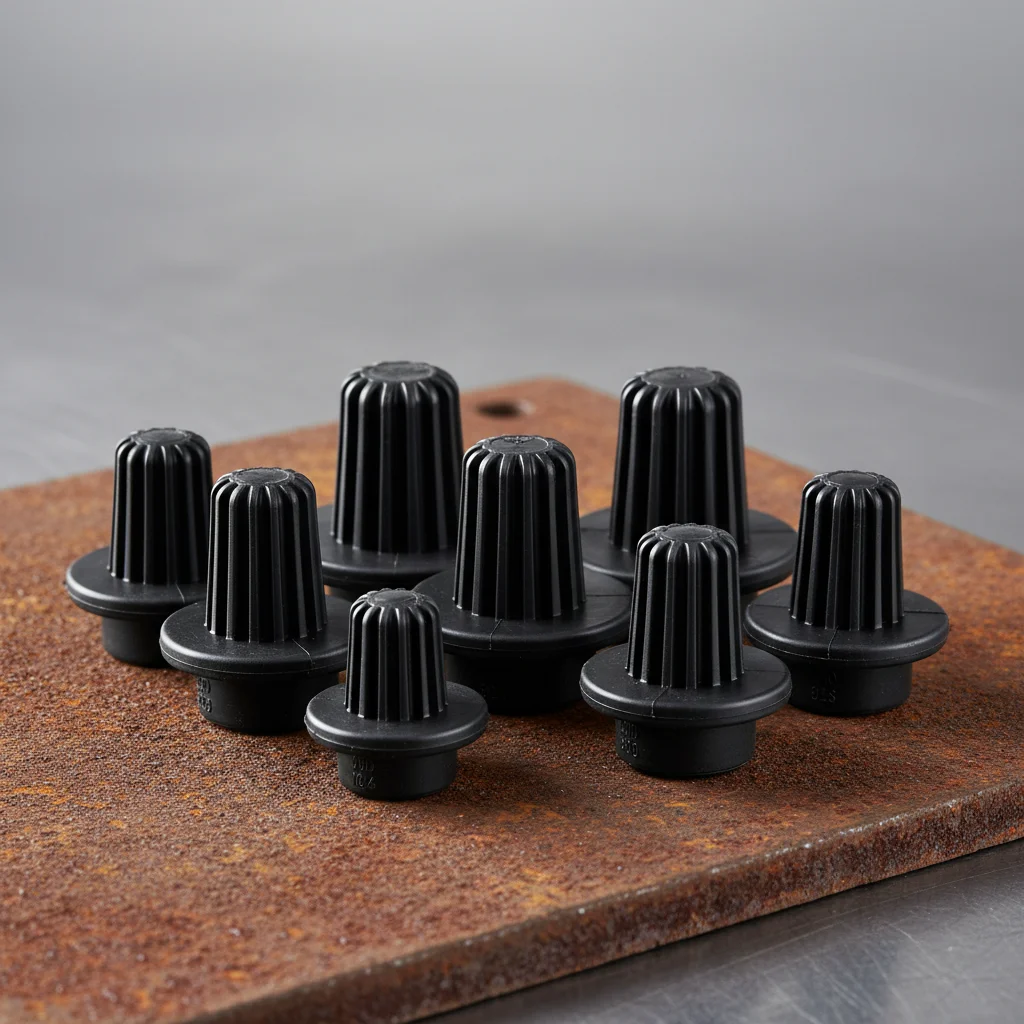
In the demanding environments of chemical processing, oil and gas extraction, and pharmaceutical manufacturing, the integrity of a seal can mean the difference between operational success and catastrophic failure. Corrosion Resistant Gaskets serve as the critical first line of defense, engineered specifically to withstand aggressive chemical attacks and environmental degradation that would destroy standard rubber components. By utilizing advanced polymers and elastomers, these gaskets ensure leak-proof joints and long-term structural stability.
The global industrial landscape is currently shifting toward more aggressive processing agents and higher temperature thresholds to increase efficiency, which places unprecedented stress on sealing technology. This evolution makes the selection of high-performance Corrosion Resistant Gaskets not just a matter of maintenance, but a strategic requirement for safety and environmental compliance. Failure to implement the correct material can lead to hazardous leaks, unplanned downtime, and significant financial loss.
Understanding the nuances of material compatibility—such as the difference between FKM, PTFE, and EPDM—is essential for any procurement manager or engineer. This comprehensive guide explores the technical dimensions of corrosion resistance, the industry applications that rely on these components, and the future of sealing technology. By optimizing the choice of Corrosion Resistant Gaskets, companies can significantly extend the lifecycle of their equipment and ensure a safer working environment.

The Global Importance of Corrosion Resistant Gaskets
On a global scale, the cost of industrial corrosion is estimated to be trillions of dollars annually, affecting everything from municipal water systems to offshore oil rigs. Corrosion Resistant Gaskets are pivotal in mitigating these costs by preventing the ingress of corrosive agents into sensitive machinery and stopping the escape of volatile chemicals into the atmosphere. Following ISO standards for material purity and durability, these components ensure that critical infrastructure remains operational even in the harshest saline or acidic environments.
The challenge lies in the diversity of corrosive media; a gasket that resists sulfuric acid may fail instantly when exposed to concentrated hydrocarbons. Therefore, the global industry relies on a sophisticated classification of elastomers to match the specific chemical profile of the application. By integrating high-grade Corrosion Resistant Gaskets, industries can reduce the frequency of emergency shutdowns, thereby increasing overall productivity and reducing the ecological footprint caused by leaks.
Defining Corrosion Resistance in Sealing Technology
In simple terms, Corrosion Resistant Gaskets are specialized sealing components engineered from materials that do not react chemically with the fluids or gases they are designed to contain. While a standard rubber gasket might swell, crack, or dissolve when exposed to solvents or acids, a corrosion-resistant variant maintains its physical dimensions and elasticity, ensuring a consistent seal over time.
This capability is deeply connected to modern industrial needs, where the pursuit of higher purity in pharmaceutical production or greater energy density in chemical reactors requires the use of extremely aggressive catalysts. In these contexts, the gasket is not merely a filler but a critical safety barrier. The chemical inertness of these parts prevents contamination of the product and protects the metal flanges of the equipment from galvanic corrosion.
From a humanitarian perspective, this technology is essential for clean water initiatives in remote regions. Utilizing Corrosion Resistant Gaskets in desalination plants and water treatment facilities prevents heavy metal leaching and ensures that the infrastructure lasts for decades without requiring expensive, specialized replacements in hard-to-reach locations.
Core Components of High-Performance Sealing
The effectiveness of Corrosion Resistant Gaskets depends primarily on Chemical Compatibility. This is the ability of the polymer chain to resist cleavage when exposed to polar or non-polar solvents. Choosing the wrong material can lead to "compression set," where the gasket loses its bounce and fails to maintain a seal.
Thermal Stability is another critical factor. Many corrosive environments also involve high heat, which accelerates chemical reactions. High-performance Corrosion Resistant Gaskets are often formulated with fluorinated polymers (like Viton) that can withstand temperatures exceeding 200°C without losing their chemical resistance.
Finally, Mechanical Durability and Cost Efficiency must be balanced. While PTFE offers near-universal chemical resistance, its tendency to "creep" or cold-flow requires reinforced structures. By optimizing the blend of fillers and elastomers, manufacturers create Corrosion Resistant Gaskets that offer a long service life while remaining economically viable for large-scale industrial deployments.
Technical Metrics for Material Selection
Selecting the right material for Corrosion Resistant Gaskets requires a data-driven approach. Engineers typically evaluate materials based on a scale of compatibility, ranging from "Excellent" (no effect) to "Severe" (total failure). This ensures that the gasket doesn't just survive the first few days of operation but maintains its integrity over thousands of pressure cycles.
The following analysis compares common materials used in the production of these gaskets, focusing on their resilience against acids, bases, and hydrocarbons to provide a clear selection path for different industrial needs.
Chemical Resistance Performance of Gasket Materials
Global Industrial Applications and Use Cases
The application of Corrosion Resistant Gaskets is ubiquitous in the energy sector. For instance, in offshore oil platforms in the North Sea, seals are constantly exposed to high-salinity seawater and sour gas (H2S). The use of specialized fluoropolymer gaskets prevents the "sour gas" from eating through the seal, which would otherwise lead to catastrophic blowouts and environmental disasters.
Beyond energy, the pharmaceutical and food grade sectors rely on these components for sterilization processes. In Clean-In-Place (CIP) systems, gaskets must withstand caustic soda and nitric acid during cleaning cycles. Corrosion Resistant Gaskets made from FDA-approved silicone or EPDM ensure that no toxic chemicals leach into the medicine or food products, maintaining consumer safety and regulatory compliance.
Long-Term Value and Reliability Benefits
Investing in premium Corrosion Resistant Gaskets provides tangible financial value by reducing the Total Cost of Ownership (TCO). While the initial purchase price of a high-grade PTFE or FKM gasket is higher than a standard rubber one, the extension of the mean time between failures (MTBF) significantly lowers labor costs and prevents the massive revenue loss associated with unplanned production stops.
From a psychological and safety standpoint, these components build trust. Plant operators can work with confidence knowing that the sealing systems are engineered for the worst-case scenario. This reliability is not just about the material, but about the peace of mind that comes from knowing hazardous materials are securely contained, protecting the dignity and health of the workforce.
Furthermore, the sustainability angle cannot be ignored. Corrosion Resistant Gaskets reduce waste by lasting longer and preventing leaks that could contaminate soil and groundwater. By choosing durable, long-life materials, companies contribute to a circular economy by reducing the volume of spent rubber components sent to landfills.
Future Trends in Corrosion Resistant Materials
The next frontier for Corrosion Resistant Gaskets lies in the development of "smart seals." By integrating nano-sensors into the elastomer matrix, future gaskets will be able to detect chemical degradation in real-time and alert operators via IoT platforms before a leak occurs. This transition from reactive to predictive maintenance will redefine industrial safety.
Additionally, there is a strong push toward bio-based elastomers that offer the same corrosion resistance as synthetic polymers but are biodegradable at the end of their life cycle. As green energy initiatives like hydrogen fuel cells expand, the demand for gaskets that can resist hydrogen embrittlement and high-pressure corrosive environments is skyrocketing, leading to the creation of hybrid composite materials.
Automation in the manufacturing of Corrosion Resistant Gaskets, such as 3D printing of complex sealing geometries, will allow for perfectly customized fits. This minimizes the reliance on over-tightening flanges (which can deform the gasket) and ensures a more precise, long-lasting seal tailored to the specific chemical and pressure profile of the equipment.
Comparative Analysis of Corrosion Resistant Gasket Material Performance
| Material Type |
Acid Resistance |
Temp Range |
Lifespan Score (1-10) |
| Expanded PTFE |
Exceptional |
-200 to +260°C |
10 |
| Viton (FKM) |
High |
-20 to +230°C |
9 |
| EPDM Rubber |
Moderate (Bases) |
-50 to +150°C |
7 |
| Nitrile (NBR) |
Low (Oils only) |
-40 to +120°C |
6 |
| Silicone |
Moderate |
-60 to +230°C |
7 |
| Perfluoroelastomer |
Universal |
-10 to +320°C |
10 |
FAQS
Unlike standard seals, Corrosion Resistant Gaskets are made from advanced polymers like PTFE or FKM that possess a chemically stable molecular structure. This prevents the material from absorbing chemicals, swelling, or breaking down when exposed to aggressive acids and solvents, ensuring the seal remains airtight and watertight for much longer periods.
The choice depends on the specific medium. For universal chemical resistance, PTFE is the gold standard. For high-temperature oil and fuel resistance, FKM (Viton) is preferred. For water and steam applications involving alkaline cleaners, EPDM is the most cost-effective choice. We recommend consulting a chemical compatibility chart and specifying the temperature and pressure levels.
Yes, many Corrosion Resistant Gaskets are manufactured using FDA-compliant and USP Class VI materials. PTFE and specific grades of silicone are non-reactive and non-toxic, making them ideal for environments where product purity is critical and rigorous cleaning agents are used.
Lifespan varies by environment, but high-performance gaskets can last 3-5 times longer than standard rubber. In stable conditions, PTFE seals can last for years. However, factors like thermal cycling and pressure spikes can affect durability. Regular inspections and choosing a material with a high "compression set" resistance are key to maximizing life.
While the initial cost of Corrosion Resistant Gaskets is higher, the maintenance cost is actually lower. Because they fail less frequently, you spend less on replacement parts and, more importantly, avoid the massive costs of unplanned downtime and emergency repairs.
Some materials, like PTFE, are prone to "creep" (cold flow). This means they may require more frequent re-torquing of bolts or the use of reinforced inserts to maintain the seal. It is essential to follow the manufacturer's torque specifications to ensure the gasket is compressed enough to seal but not so much that it permanently deforms.
Conclusion
In summary, Corrosion Resistant Gaskets are indispensable components in any modern industrial operation dealing with aggressive chemicals, extreme temperatures, or high-pressure environments. By selecting materials that align with the specific chemical profile of the application—whether it be the universal resilience of PTFE or the thermal stability of FKM—industries can ensure operational safety, reduce environmental risks, and optimize their long-term maintenance budgets.
Looking forward, the integration of smart sensing and sustainable bio-polymers will further enhance the reliability and ecological footprint of sealing technology. We encourage engineers and procurement specialists to move beyond "standard" solutions and invest in high-performance, customized sealing strategies. For premium, customized sealing solutions tailored to your harshest environments, visit our website: www.beikesealing.com