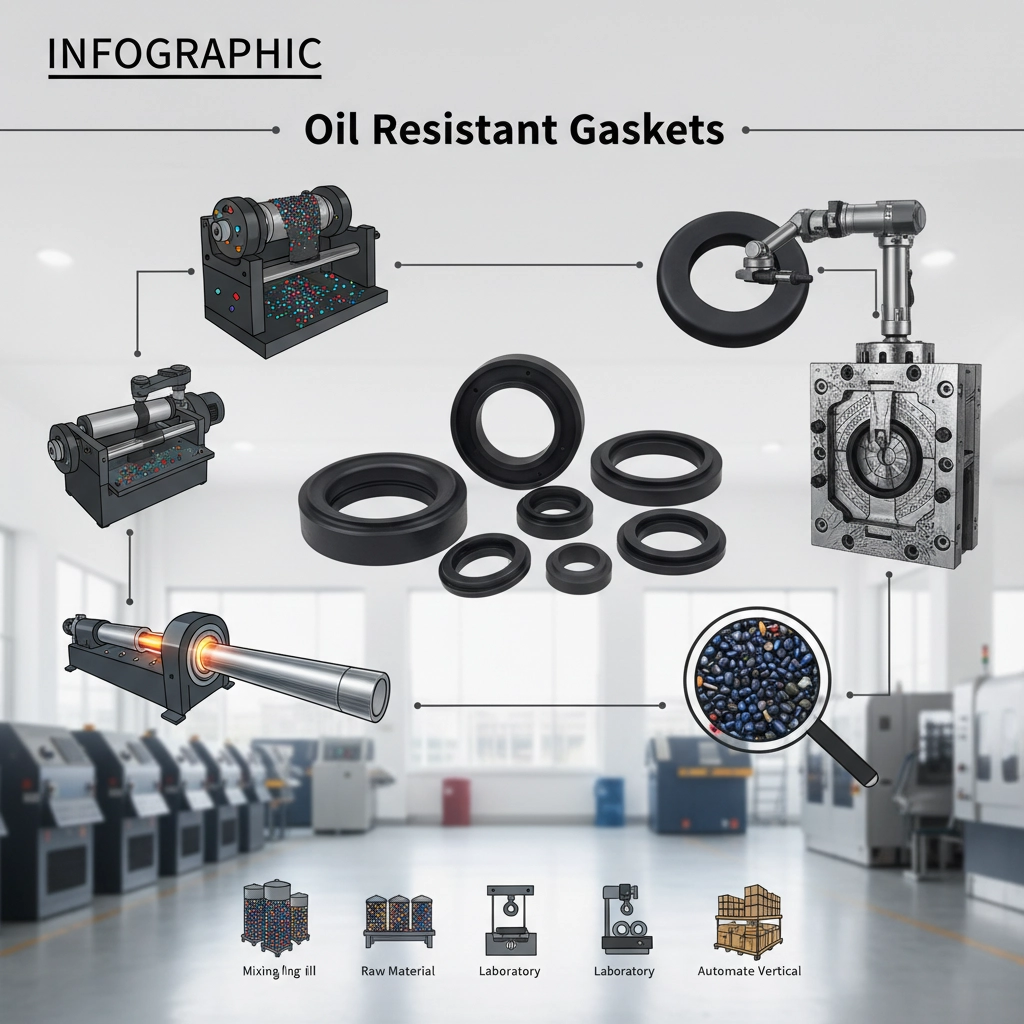
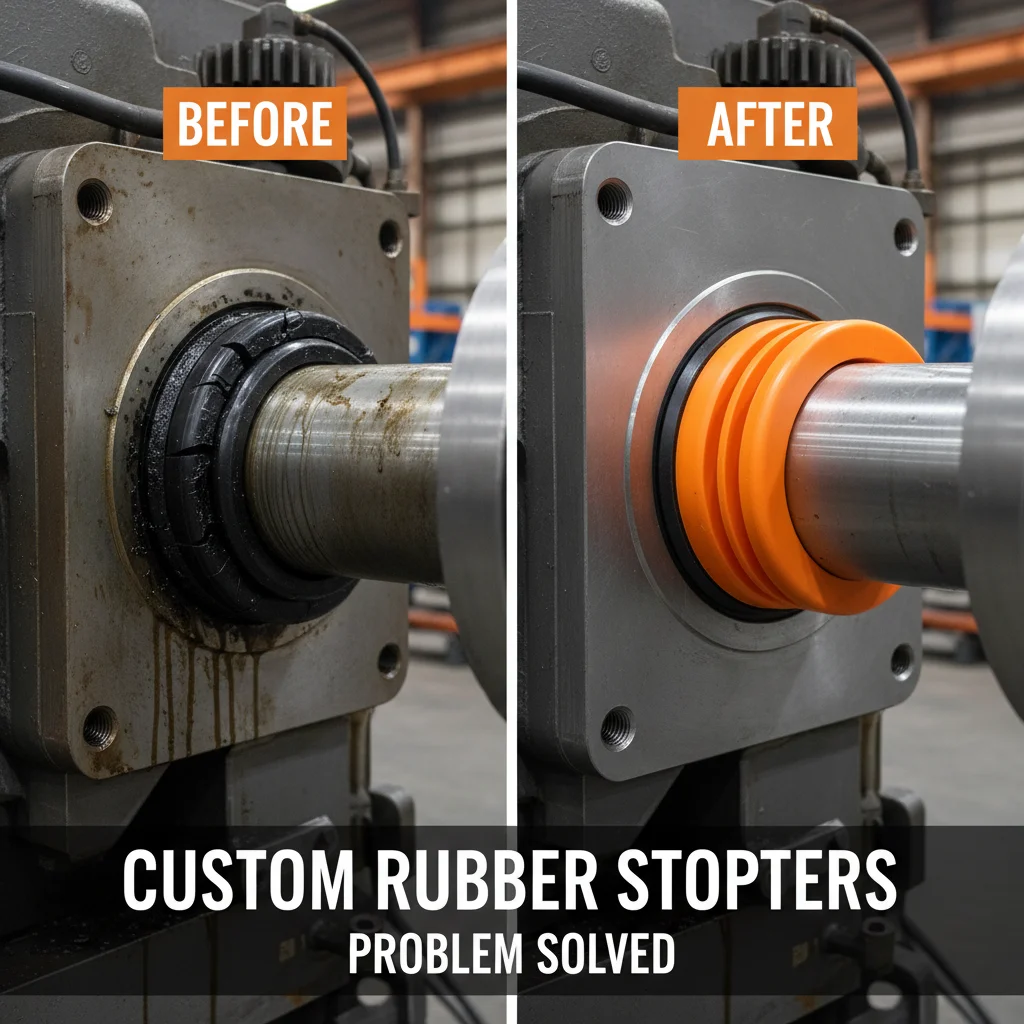
In the demanding landscape of modern industrial machinery, the integrity of a seal can be the difference between seamless operation and catastrophic failure. Oil Resistant Gaskets serve as the critical frontline defense, engineered specifically to withstand the corrosive effects of petroleum-based lubricants, hydraulic fluids, and synthetic oils that would otherwise degrade standard elastomers.
Understanding the nuances of oil-resistant materials is not merely a technical requirement but a strategic necessity for maintaining plant uptime and ensuring workplace safety. By preventing leaks and contamination, these specialized components reduce environmental hazards and significantly lower the long-term maintenance costs associated with equipment degradation.
Whether applied in high-pressure automotive engines, complex aerospace hydraulics, or heavy-duty mining equipment, the correct selection of an oil-resistant sealing solution ensures structural longevity. This guide explores the engineering principles, material science, and practical applications that make these gaskets indispensable in the global manufacturing sector.
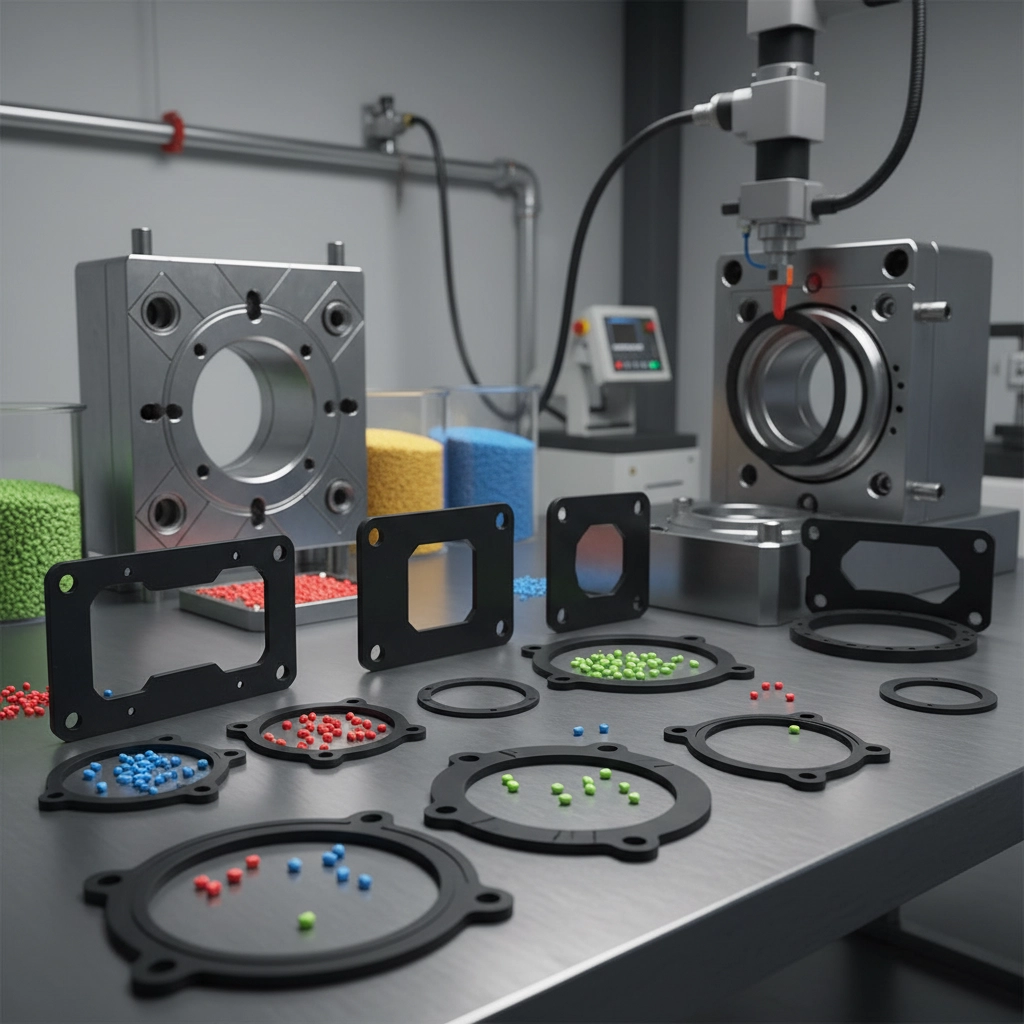
Global Industrial Relevance of Oil Resistant Gaskets
On a global scale, the reliance on hydrocarbon-based lubricants makes Oil Resistant Gaskets a cornerstone of industrial stability. According to ISO standards for sealing materials, the failure of a single gasket in a hydraulic system can lead to massive productivity losses and environmental contamination. In regions with heavy industrial concentrations, such as East Asia and North America, the demand for high-performance Viton and Nitrile gaskets has surged as machinery operates under increasingly extreme pressures and temperatures.
The challenge lies in the chemical affinity between oils and common rubbers; standard elastomers often swell, soften, or crack when exposed to petroleum, leading to "compression set" where the gasket loses its elasticity. This phenomenon creates leak paths that compromise system pressure and risk mechanical failure, necessitating a specialized approach to material selection that prioritizes chemical inertness and mechanical resilience.
Defining the Mechanism of Oil Resistance
At its core, Oil Resistant Gaskets are sealing components manufactured from polymers that possess a low affinity for non-polar solvents. While traditional rubber may absorb oil molecules—causing the material to expand and lose its structural integrity—oil-resistant elastomers utilize saturated polymer chains or fluorine-based bonds to repel hydrocarbon penetration. This chemical barrier ensures that the gasket maintains its original dimensions and sealing force over thousands of hours of operation.
This capability is vital for modern humanitarian and industrial needs, particularly in the maintenance of critical infrastructure like water treatment plants and power grids. In these environments, the presence of lubricating oils is inevitable, but the cost of failure is too high to risk using generic seals. By utilizing precisely engineered rubber compounds, engineers can ensure that critical valves and joints remain airtight and leak-proof regardless of the surrounding chemical environment.
From a technical perspective, oil resistance is often measured by the "volume swell" percentage. A high-quality oil-resistant gasket will exhibit minimal swelling when immersed in a specific oil grade for a set period. This stability allows for predictable maintenance cycles and prevents the gasket from extruding out of the groove under high pressure, which is a common failure mode in lower-grade rubber parts.
Core Performance Factors in Sealing Technology
The effectiveness of Oil Resistant Gaskets is determined by several intersecting factors, the most critical being Chemical Compatibility. Depending on whether the system uses mineral oil, synthetic esters, or vegetable-based lubricants, the elastomer must be tailored. For instance, Nitrile (NBR) is excellent for general petroleum oils, while Fluorocarbon (FKM) is required for aggressive chemicals and higher temperatures.
Another vital factor is Thermal Stability. Oil resistance often degrades as temperatures rise; therefore, the gasket must maintain its cross-linked structure under heat to prevent premature hardening. The synergy between oil repellency and heat resistance ensures that Oil Resistant Gaskets do not become brittle and crack during high-load industrial cycles.
Finally, Compression Set Resistance and Mechanical Durability define the long-term seal. A gasket must be able to recover its shape after being compressed. If the material "remembers" the compressed state too well (high compression set), it will fail to seal if the joint shifts slightly. High-performance gaskets are engineered to provide a constant "push-back" force, ensuring a hermetic seal throughout the component's lifecycle.
Strategic Applications Across Global Industries
The application of Oil Resistant Gaskets spans nearly every sector of heavy industry. In the automotive sector, they are indispensable for oil pans, transmission housings, and fuel systems. In the energy sector, specifically in offshore oil rigs and remote drilling zones, these gaskets must withstand not only the oil they contain but also the corrosive effects of saltwater and extreme atmospheric pressure, making material purity a top priority.
Beyond heavy machinery, these solutions are critical in food-grade industrial processing where "food-safe" oil-resistant elastomers are used to prevent lubricant leaks from contaminating production lines. In remote industrial zones, such as mining operations in the Andes or the Outback, the reliability of these seals reduces the need for frequent, costly technician deployments, thereby increasing the overall sustainability of the operation.
Performance Comparison of Oil Resistant Gasket Materials
Long-Term Value and Operational Reliability
Investing in premium Oil Resistant Gaskets provides value that extends far beyond the initial purchase price. From a logical standpoint, the reduction in unplanned downtime is the most significant gain. When a low-quality seal fails, the resulting "cascade failure" can damage pumps, contaminate lubricants with external debris, and lead to expensive emergency repairs that cost ten times the price of a high-grade gasket.
From an emotional and safety perspective, the reliability of these components builds trust within an organization. Operators can work with confidence knowing that the systems they manage are secure and that the risk of hazardous oil spills is minimized. This sense of security fosters an environment of innovation, as engineers can push machinery to higher performance limits knowing the sealing integrity is guaranteed.
Future Trends in Elastomeric Material Innovation
The future of Oil Resistant Gaskets is being shaped by the global shift toward sustainability and "green chemistry." There is a growing demand for bio-based elastomers that provide the same oil-repelling properties as petroleum-based rubbers but with a significantly lower carbon footprint. Research into nano-composite fillers is also allowing for the creation of gaskets that are thinner yet more resistant to extreme pressures.
Digital transformation is also entering the sealing world through the integration of "smart seals." These are gaskets embedded with micro-sensors that can detect early-stage leakage or material degradation and transmit this data to a central monitoring system. This transition from reactive to predictive maintenance will revolutionize how industries manage their sealing assets.
Furthermore, as the world moves toward electric vehicles (EVs), the types of "oils" change. EV cooling fluids and specialized lubricants require different chemical resistances than traditional internal combustion oils. This is sparking a new wave of material development focused on compatibility with dielectric fluids and high-voltage thermal management systems.
Overcoming Common Implementation Challenges
One of the most common challenges in utilizing Oil Resistant Gaskets is "material mismatch." Often, procurement teams select a gasket based on cost without consulting the chemical profile of the fluid being sealed. This leads to rapid degradation. The solution lies in implementing a strict "Material Compatibility Matrix" during the design phase to ensure the elastomer is perfectly matched to the medium.
Another hurdle is improper installation, such as over-torquing bolts, which can crush the gasket and permanently deform its structure, or under-torquing, which fails to create the necessary seal. Professional training and the use of calibrated torque wrenches are essential to ensure that the engineering properties of the gasket are actually realized in the field.
Lastly, environmental fluctuations—such as extreme cold in arctic operations—can make oil-resistant materials too rigid, causing them to leak during startup. To overcome this, hybrid compounds are being developed that combine oil resistance with low-temperature flexibility, ensuring a reliable seal from -40°C to +200°C.
Comparison of Common Materials for Oil Resistant Gaskets
| Material Type |
Oil Compatibility |
Temp Range |
Durability Score |
| Nitrile (NBR) |
High (Mineral Oils) |
-30°C to 120°C |
7/10 |
| Viton (FKM) |
Excellent (Chemicals) |
-20°C to 230°C |
10/10 |
| HNBR |
Very High (Synthetic) |
-40°C to 150°C |
9/10 |
| Silicone (VMQ) |
Low (Specific oils) |
-60°C to 230°C |
5/10 |
| EPDM |
Poor (Not for oil) |
-50°C to 150°C |
3/10 |
| Neoprene |
Moderate |
-40°C to 120°C |
6/10 |
FAQS
For high-temperature applications, Viton (FKM) is widely considered the gold standard. It offers exceptional resistance to a wide range of oils and chemicals while maintaining its structural integrity at temperatures exceeding 200°C. If the application also requires high mechanical strength and abrasion resistance, HNBR (Hydrogenated Nitrile) is a strong alternative, though it generally has a lower maximum temperature limit than FKM.
The most obvious sign of oil swelling is a visible increase in the gasket's thickness or "bulging" beyond the groove. Physically, the material will feel softer or "spongy" compared to its original state. In some cases, the gasket may actually cause a leak because the swelling increases the internal pressure to a point where the material is pushed out of the joint or the bolts are stressed to their limit.
No, not all. While standard Nitrile (NBR) is excellent for mineral oils, some synthetic oils (like certain esters or phosphate esters) can cause NBR to degrade rapidly. In these cases, FKM or specialized EPDM (for specific non-petroleum synthetics) must be used. Always check the chemical compatibility chart provided by the manufacturer to match the elastomer to the specific lubricant grade.
Generally, it is strongly discouraged to reuse gaskets. Once a gasket has been compressed, it undergoes "compression set." Even if it looks intact, it may have lost the elasticity required to create a perfect seal upon reinstallation. Reusing a gasket significantly increases the risk of leaks, which far outweighs the small cost saving of not replacing the part.
Shore hardness refers to the material's resistance to indentation. While it doesn't directly change the chemical oil resistance, a harder gasket (higher Shore A) is often more resistant to extrusion under high pressure. However, if it's too hard, it may not conform well to surface irregularities, leading to leaks. The key is balancing the chemical resistance of the compound with the appropriate hardness for the application.
Yes, elastomers naturally degrade over time due to oxidation and ozone exposure, even when not in use. Most high-quality oil resistant gaskets have a shelf life of 5 to 10 years if stored in a cool, dark, and dry environment away from electric motors (which produce ozone). Storing them in original UV-protected packaging is the best way to ensure they maintain their properties until installation.
Conclusion
In summary, Oil Resistant Gaskets are far more than simple rubber rings; they are precision-engineered components that ensure the safety and efficiency of the world's industrial infrastructure. By balancing chemical compatibility, thermal stability, and mechanical resilience, these seals prevent costly downtime and environmental hazards. The transition from basic Nitrile to advanced Fluorocarbons and smart materials highlights the ongoing evolution of sealing technology in response to more demanding operational environments.
As industries move toward greener lubricants and more autonomous machinery, the role of high-performance sealing will only grow in importance. We recommend that engineers and procurement specialists prioritize material certification and compatibility testing over initial cost to secure long-term operational reliability. For those seeking custom, high-durability sealing solutions tailored to specific chemical environments, exploring professional-grade options is the most sustainable path forward. Visit our website: www.beikesealing.com