
Waterproof Rubber Plugs. It sounds simple, right? But spend a year knee-deep in mud on construction sites, wrestling with cable runs and conduit, and you realize how crucial a little piece of rubber can be. These aren’t just ‘plugs’; they’re the silent guardians against shorts, corrosion, and project delays. I've seen projects held up for days – days – because of water ingress, and more often than not, it comes down to a failed or missing waterproof seal. It’s about reliability, it’s about keeping things running, and ultimately, it’s about getting the job done safely and on time.
What’s always struck me is how often these things are an afterthought. Engineers specify the big stuff – the steel, the concrete, the power systems – and sometimes, the waterproof sealing gets lost in the details. But trust me, you don’t want to be scrambling for a solution when the rain starts coming in. A proactive approach with quality Waterproof Rubber Plugs saves a headache, and a lot of money, down the line. The market’s expanding rapidly, driven by increasingly stringent safety standards and a growing awareness of long-term infrastructure integrity.
We're seeing demand surge not just in traditional construction, but also in renewable energy installations – think offshore wind farms, solar panel cabling – and even data centers, where temperature and humidity control are paramount. Protecting sensitive electronics is a major driver. That’s why understanding the nuances of these plugs – the materials, the sealing mechanisms, the application-specific requirements – is more important than ever.
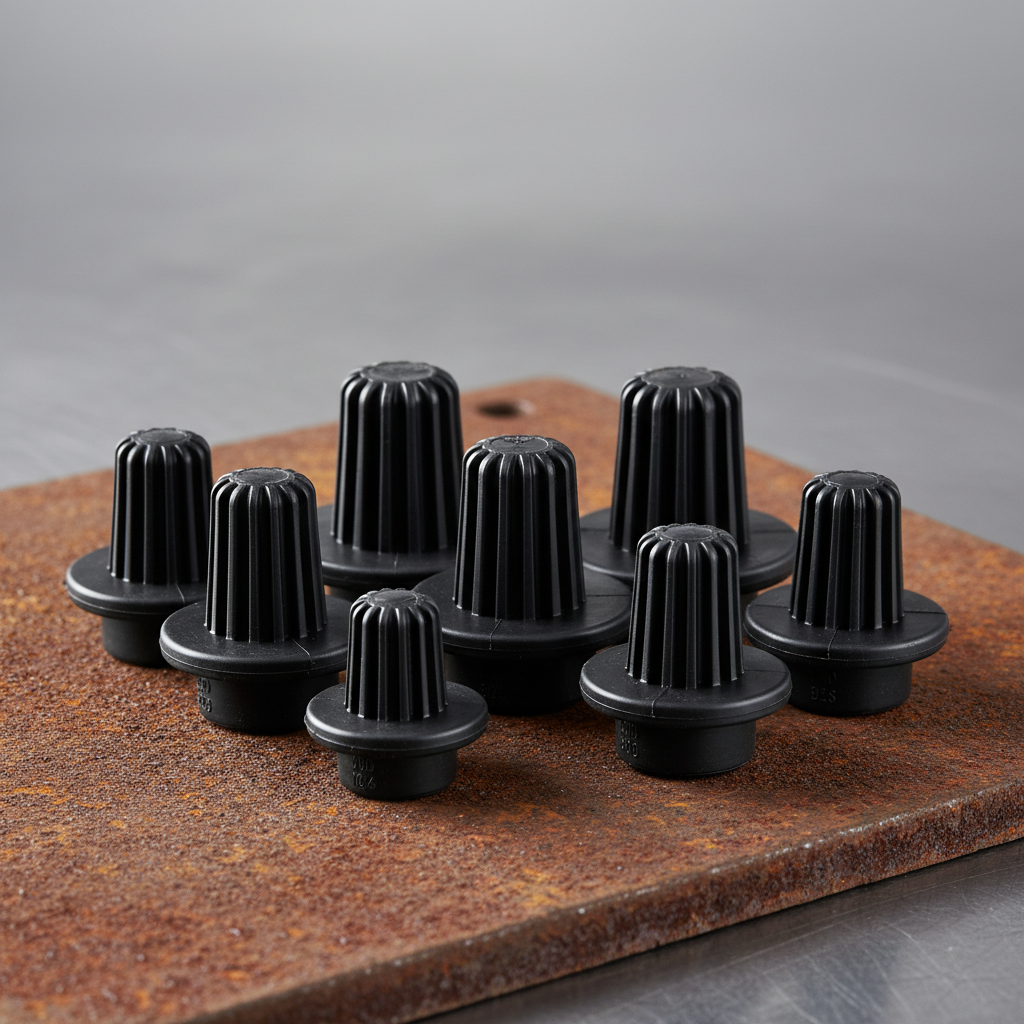
The Importance of Waterproof Rubber Plugs in Infrastructure
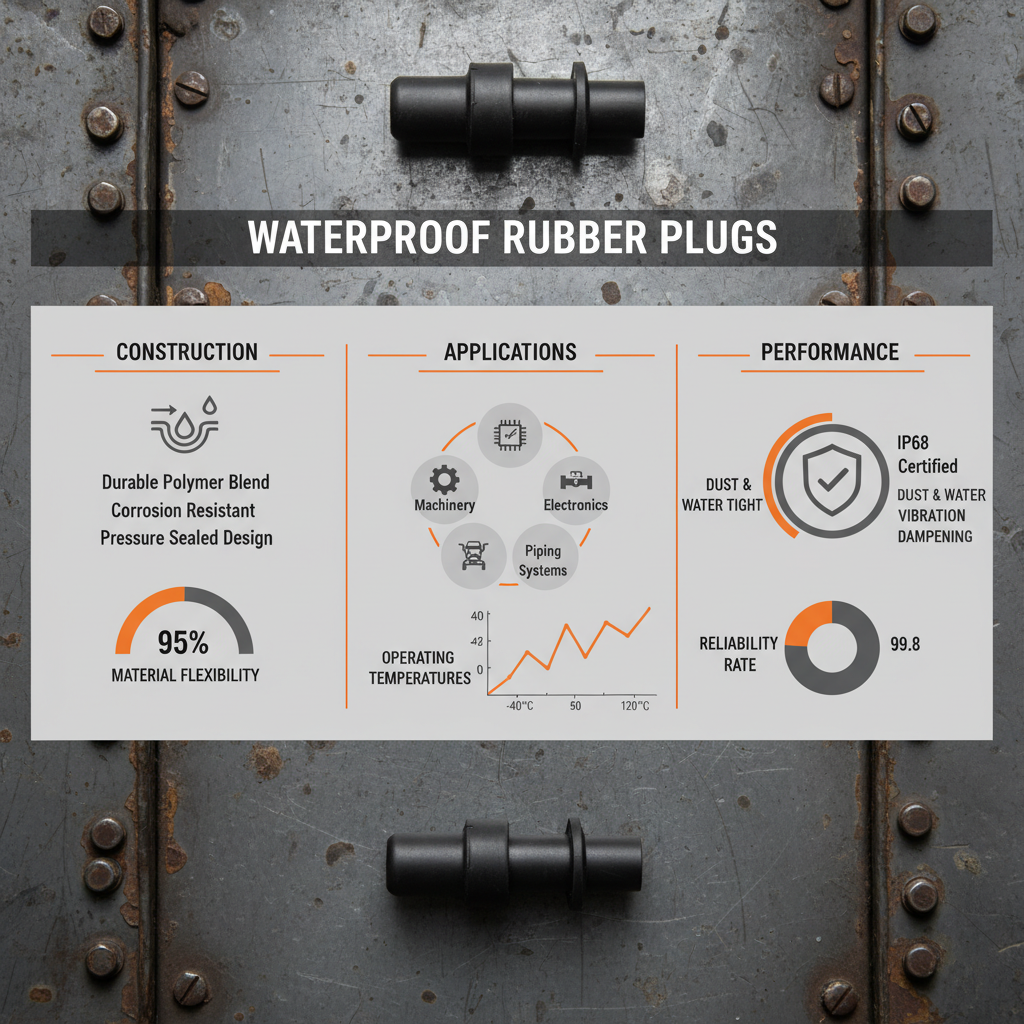
I’ve been on enough sites to know that water is the enemy. It corrodes metal, damages electrical systems, and compromises structural integrity. Waterproof Rubber Plugs are the first line of defense against this constant threat. They're used everywhere, from sealing cable entries in control panels to protecting splices in underground wiring. The UN estimates that global infrastructure investment will reach $79 trillion by 2040, and a significant portion of that will rely on effective waterproofing solutions.
It’s not just about preventing immediate damage; it’s about long-term durability and reducing lifecycle costs. Replacing corroded components or repairing water damage is far more expensive than investing in quality plugs upfront. ISO standards are also becoming stricter, demanding higher levels of ingress protection, which naturally drives demand for better sealing technology.
FAQS
For saltwater, you absolutely want a fluorocarbon elastomer. It’s incredibly resistant to degradation from salt, UV exposure, and a wide range of chemicals. Neoprene will work short-term, but it breaks down much faster. I've seen entire projects delayed due to using the wrong material – don’t skimp here. Investing in the right plug upfront saves a ton of headaches and replacement costs down the line.
Proper installation is key! First, make sure the surface is clean and free of debris. Use a torque wrench to tighten the plug to the manufacturer's specifications—too loose, and it leaks; too tight, and you risk damaging the plug or the surrounding material. A bit of lubricant specifically designed for rubber can also help. Always double-check for any gaps or imperfections after installation.
That varies hugely depending on the environment and the material. A high-quality silicone plug in a protected indoor environment could last 20 years or more. But a neoprene plug exposed to sunlight and saltwater might only last a couple of years. Regular inspections are crucial to identify any signs of degradation and replace plugs before they fail.
Generally, no. Once a plug has been compressed, it loses some of its resilience. Reusing it compromises the seal. It’s always best to use a new plug for each application. You might get away with it in a very low-stakes situation, but it’s not worth the risk when you’re dealing with critical infrastructure.
Temperature range is paramount. Silicone rubber is excellent for both high and low temperatures. EPDM is good for moderate temperatures, but avoid it in extremely cold conditions. Always check the manufacturer’s specifications to ensure the plug can withstand the expected temperature fluctuations. Don't forget to consider the impact of temperature on the surrounding materials, too.
Absolutely. Look for plugs that meet relevant IP ratings (Ingress Protection) – IP67 and IP68 are common for waterproof applications. Also, check for compliance with industry standards like RoHS and REACH, which ensure the plugs are free of hazardous substances. Certifications from reputable testing labs provide added assurance of quality and performance.
Conclusion
Waterproof Rubber Plugs, while seemingly simple, are critical components in protecting infrastructure, ensuring safety, and minimizing downtime. From the choice of materials to proper installation and long-term monitoring, a holistic approach is essential. The investment in quality plugs and best practices far outweighs the costs associated with failures and repairs.
Looking ahead, advancements in materials science, automation, and data-driven monitoring will continue to improve the performance and reliability of these vital sealing solutions. By embracing innovation and prioritizing proactive maintenance, we can build more resilient and sustainable infrastructure for the future. For all your sealing needs, visit our website at Beikesealing.
Related Posts
-
Understanding Static Sealing Rings for Industrial Applications and Longevity
-
Comprehensive Guide to Oil Resistant Sealing Rings and Industrial Applications
-
High Temp FKM Sealing Rings for Extreme Environments and Industrial Applications
-
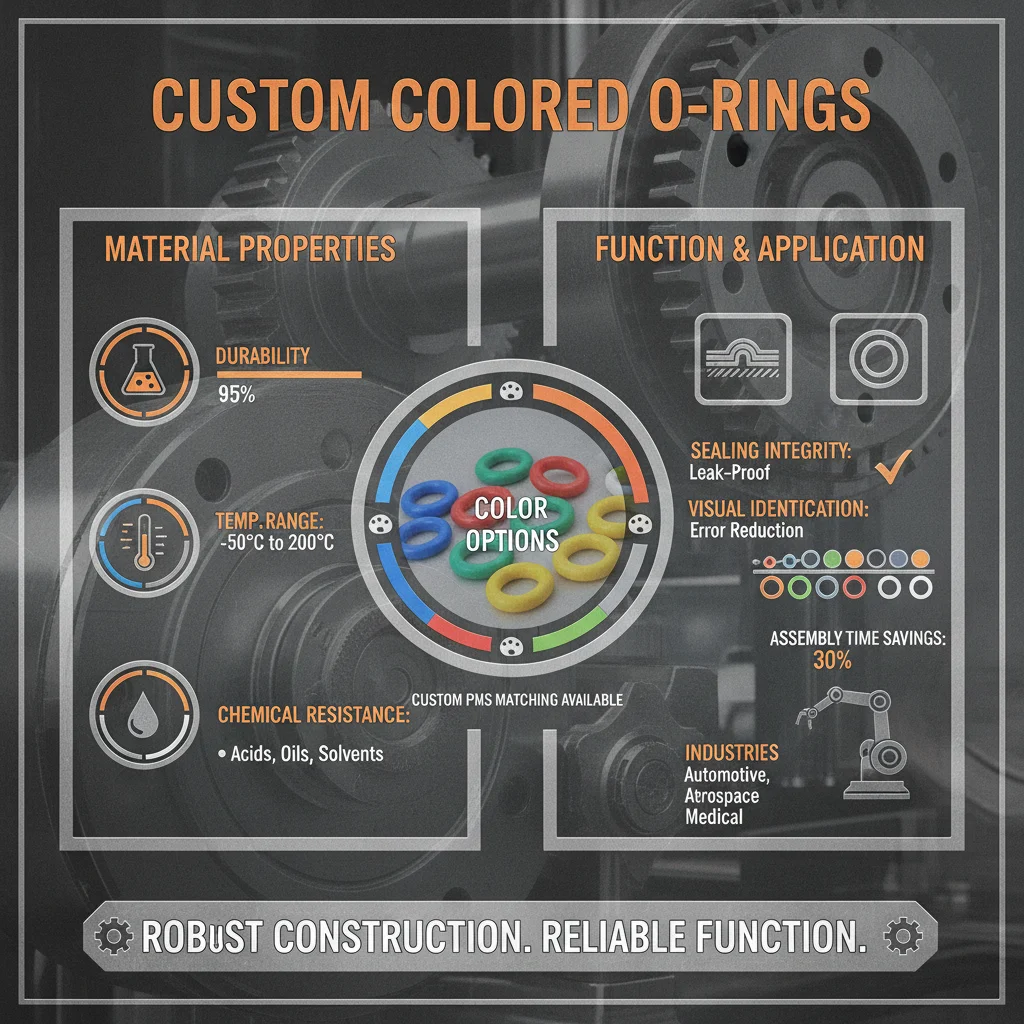
Custom Colored ORings Essential Sealing Solutions for Diverse Industries


