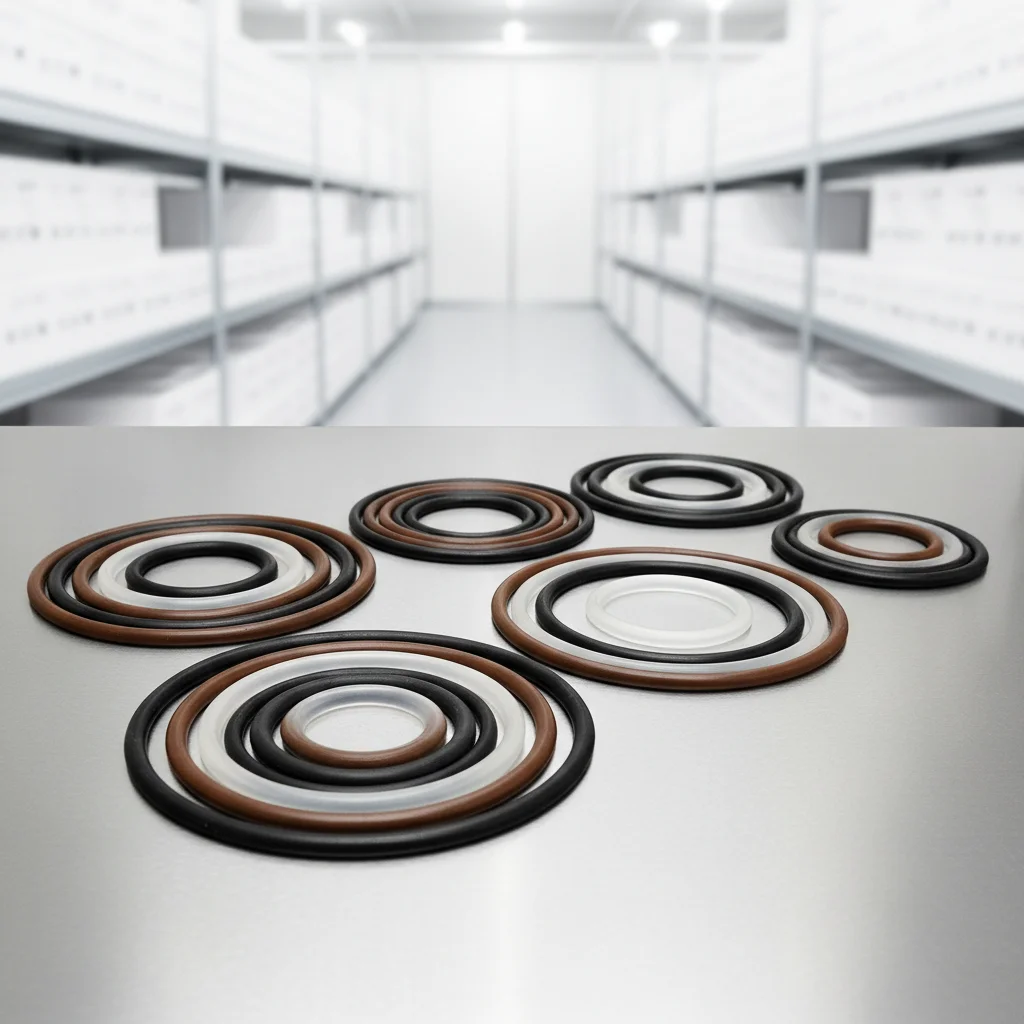
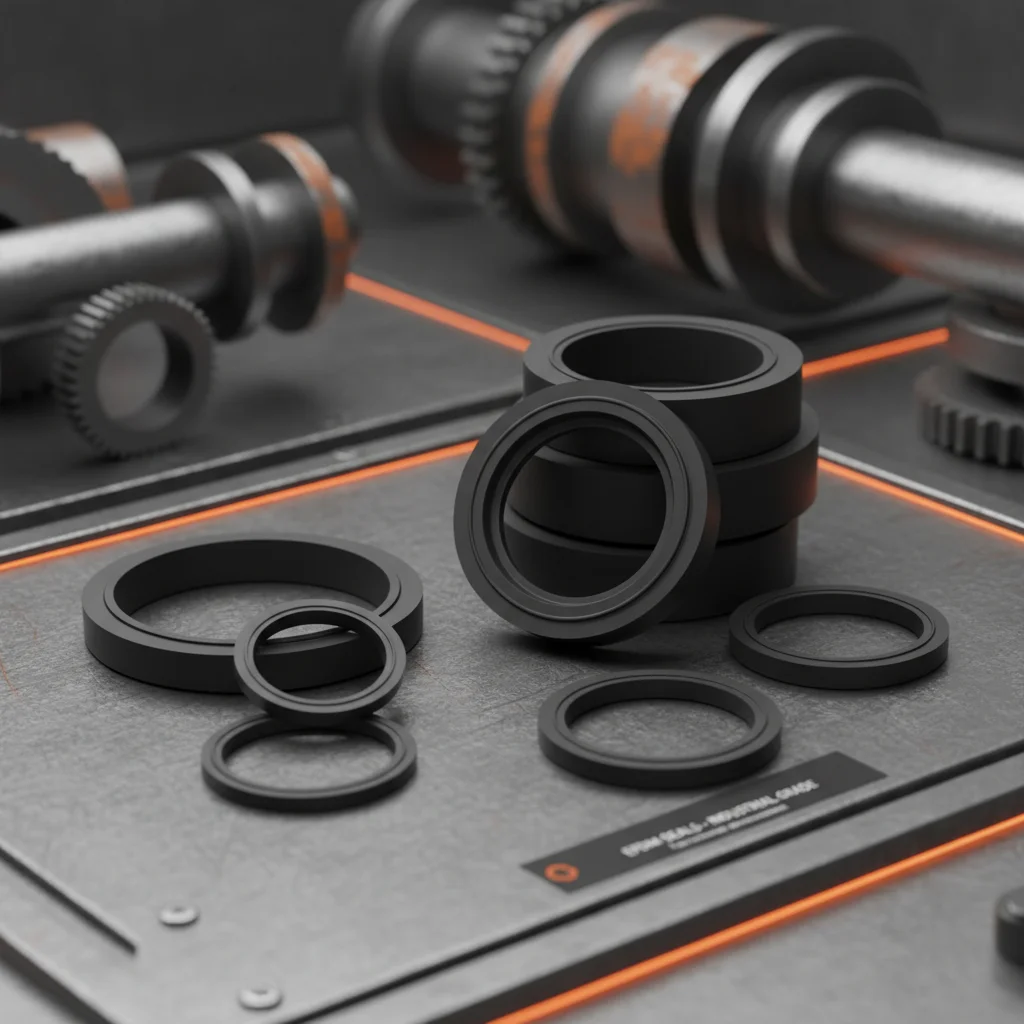
High Temp FKM Sealing Rings are critical components in numerous industries, providing reliable sealing solutions in challenging environments characterized by extreme temperatures and aggressive chemicals. Their importance stems from their ability to maintain integrity and prevent leaks where other materials would fail. Understanding their properties, applications, and future trends is vital for engineers, procurement specialists, and anyone involved in designing and maintaining high-performance systems.
The global demand for robust sealing solutions is increasing, driven by advancements in aerospace, automotive, oil and gas, and chemical processing industries. With stricter environmental regulations and a growing need for operational efficiency, the selection of appropriate sealing materials like High Temp FKM Sealing Rings becomes paramount. Addressing the challenges of degradation and maintaining performance in harsh conditions is a constant focus of material science and engineering innovation.
These rings aren’t simply ‘O-rings’ – they represent a sophisticated engineering solution designed to ensure process safety, reduce downtime, and extend the lifespan of critical equipment. They directly contribute to improved productivity, environmental protection, and the overall reliability of industrial operations worldwide.

Introduction to High Temp FKM Sealing Rings
High Temp FKM Sealing Rings, short for fluoroelastomer sealing rings, represent a crucial advance in sealing technology. These rings are engineered to withstand exceptionally high temperatures – often exceeding 200°C (392°F) – while maintaining their flexibility and sealing properties. This makes them indispensable in applications where standard rubber seals would quickly degrade and fail.
The importance of these rings lies in their ability to prevent leakage of fluids and gases under extreme conditions. This is particularly vital in industries such as aerospace, automotive, and oil & gas, where even minor leaks can lead to significant safety hazards, environmental damage, and costly downtime. Choosing the right High Temp FKM Sealing Ring is a foundational step in ensuring the reliability and longevity of equipment.
Global Relevance and Industry Context
The demand for High Temp FKM Sealing Rings is a direct reflection of global industrial activity and the increasing complexity of modern machinery. According to data from the International Organization for Standardization (ISO), there's a consistent year-over-year increase in the requirement for high-performance sealing materials in manufacturing sectors worldwide. This growth is particularly pronounced in emerging economies experiencing rapid industrialization.
The automotive industry, striving for enhanced fuel efficiency and reduced emissions, relies heavily on these rings for sealing fuel systems, turbochargers, and engine components. The aerospace sector demands extreme reliability in hydraulic systems, fuel lines, and engine seals, making High Temp FKM Sealing Rings essential for safe and efficient air travel. The oil and gas industry, confronting harsh downhole environments, utilizes them to prevent leaks in critical equipment like pumps and valves.
A significant challenge is the supply chain vulnerability highlighted by recent global events. Ensuring a stable and diversified supply of High Temp FKM Sealing Rings is crucial for maintaining uninterrupted operations across these vital industries. Companies are increasingly focused on building resilient supply chains and exploring alternative sourcing options.
Defining High Temp FKM Sealing Rings
High Temp FKM Sealing Rings are circular seals crafted from fluoroelastomers, a class of synthetic rubber known for exceptional resistance to high temperatures, aggressive chemicals, and fuels. Unlike standard rubber seals, FKM materials retain their elasticity and sealing properties even at elevated temperatures, making them ideal for demanding applications. They commonly come in O-ring configurations but can be manufactured in various custom shapes and sizes.
The core defining characteristic of these rings isn't simply their temperature resistance but their comprehensive chemical compatibility. They excel in environments where exposure to oils, acids, solvents, and other corrosive substances would quickly degrade other sealing materials. This broader resistance makes them vital in numerous industrial processes and safety-critical systems.
Their connection to modern industry extends beyond just preventing leaks. They facilitate more efficient and reliable operation of machinery, contributing to reduced energy consumption, lower emissions, and increased process safety. Without reliable High Temp FKM Sealing Rings, many complex industrial processes simply wouldn’t be feasible or would be significantly less efficient.
Core Components of High Temp FKM Sealing Rings
Several key factors determine the performance and suitability of High Temp FKM Sealing Rings for specific applications. Firstly, Temperature Resistance is paramount. Different FKM formulations offer varying levels of heat tolerance, ranging from 150°C to over 250°C. Choosing the right formulation for the application's temperature range is critical.
Secondly, Chemical Compatibility plays a crucial role. The ring must resist degradation from the fluids and gases it's exposed to. Different FKM types exhibit varying resistance to specific chemicals. Thirdly, Compression Set is a measure of a material's ability to return to its original shape after being compressed. Low compression set ensures a long-lasting seal.
High Temp FKM Sealing Ring Performance Metrics
Applications of High Temp FKM Sealing Rings
High Temp FKM Sealing Rings find widespread use across diverse industries. In the Aerospace sector, they are critical in engine seals, hydraulic systems, and fuel systems, ensuring reliability at extreme altitudes and temperatures. The Automotive industry utilizes them in fuel injection systems, turbochargers, and transmission seals, where resistance to high temperatures and aggressive fuels is essential.
The Oil and Gas industry relies on these rings for downhole tools, wellhead equipment, and pipeline seals, operating in harsh environments with high pressures and corrosive fluids. Within Chemical Processing, they are deployed in pumps, valves, and reactors, providing sealing solutions against aggressive chemicals and high temperatures.
Advantages and Long-Term Value
The advantages of using High Temp FKM Sealing Rings extend beyond their immediate sealing function. The primary benefit is Enhanced Reliability, reducing the risk of failures and downtime. This translates directly to Cost Savings through reduced maintenance and repair expenses. Furthermore, their chemical resistance promotes Environmental Sustainability by minimizing leaks of hazardous materials.
From a long-term perspective, investing in high-quality High Temp FKM Sealing Rings builds Trust and Reputation for companies. Reliable performance in critical applications contributes to a strong brand image and customer satisfaction. They also significantly enhance Safety by preventing leaks that could pose risks to personnel and the environment.
Future Trends and Innovations
The future of High Temp FKM Sealing Rings is driven by the demand for even higher performance and sustainability. Ongoing research focuses on developing new FKM formulations with enhanced temperature resistance, improved chemical compatibility, and reduced environmental impact. The integration of Digital Transformation through smart sensors embedded within the rings to monitor performance and predict failures is gaining traction.
The push for Green Energy is also influencing innovation. These rings are becoming essential components in fuel cell technology and hydrogen fuel systems, demanding materials that can withstand the unique challenges of these emerging technologies. The development of bio-based FKM alternatives is also being explored, aiming for more sustainable and environmentally friendly sealing solutions.
Automation and advanced manufacturing techniques are enabling the production of increasingly complex and customized High Temp FKM Sealing Rings, tailored to the specific needs of individual applications. This level of customization is driving increased efficiency and performance across various industries.
FAQS
The lifespan of High Temp FKM Sealing Rings varies based on operating conditions, but generally ranges from 5 to 10 years. Factors like temperature, chemical exposure, pressure, and the quality of the FKM compound significantly influence longevity. Regular inspection and replacement based on application-specific criteria are recommended to prevent failures and maintain optimal performance.
While FKM offers broad chemical resistance, compatibility with all fuels isn't guaranteed. Certain aggressive biofuel blends or specialized fuels can cause swelling or degradation. Always consult a chemical compatibility chart or a materials specialist to ensure the selected FKM formulation is suitable for the specific fuel being used.
Different FKM types are formulated to optimize specific properties. FKM A is a general-purpose grade, while FKM B offers improved resistance to heat and steam. FKM C provides better resistance to alkaline chemicals, and FKM D is designed for low-temperature flexibility. Selection depends on the application’s unique requirements.
High temperatures can cause FKM to swell or lose elasticity if the temperature exceeds the material’s recommended limit. Conversely, low temperatures can make the material brittle. Operating within the specified temperature range ensures optimal sealing performance and longevity. Careful selection of the FKM formulation is vital to match the application's temperature profile.
Regular visual inspection for cracks, swelling, or degradation is crucial. Lubrication can prevent stick-slip and reduce wear, especially in dynamic applications. Avoid over-compression during installation, as this can shorten lifespan. Periodic replacement based on operating conditions and manufacturer recommendations is also essential.
While FKM is relatively stable, proper disposal is important. Do not incinerate, as this can release harmful fumes. Follow local regulations for hazardous waste disposal, or explore recycling programs offered by FKM manufacturers. Sustainable FKM alternatives are also emerging as environmentally conscious options.
Conclusion
In conclusion, High Temp FKM Sealing Rings are indispensable components in numerous critical industries, providing reliable sealing solutions in demanding environments. Their exceptional temperature resistance, chemical compatibility, and long-term durability make them a vital investment for ensuring operational efficiency, safety, and environmental protection. From aerospace and automotive to oil & gas and chemical processing, these rings play a crucial role in maintaining the integrity and reliability of complex systems.
Looking ahead, ongoing innovation in FKM formulations, coupled with the integration of smart sensing technologies and sustainable materials, will further enhance the performance and value of these sealing solutions. Selecting the correct High Temp FKM Sealing Ring, and implementing proper maintenance practices, will continue to be essential for maximizing equipment lifespan and minimizing operational risks. For high-performance sealing solutions, visit our website: www.beikesealing.com.