• Home
  • Top Blog
0%

Table of Contents

High Pressure O-Rings are critical sealing components utilized across a vast spectrum of industries, from aerospace and oil & gas to automotive and medical engineering. These aren’t your standard rubber rings; they are engineered to maintain a leak-proof seal in environments characterized by extremely high pressures and often, extreme temperatures. Their reliability is paramount, as failure can lead to catastrophic consequences, impacting safety, efficiency, and environmental sustainability. High Pressure O-Rings have become indispensable for modern industrial operations.

The global demand for high-pressure sealing solutions is driven by factors such as increased oil and gas exploration in deepwater environments, the growth of the aerospace industry, and advancements in automotive technologies like fuel injection systems. According to a recent report by the Global Sealing Association, the high-pressure sealing market is projected to reach $X billion by 2028, exhibiting a compound annual growth rate (CAGR) of Y%. This growth underscores the increasing need for robust and reliable sealing technology.

The development of superior High Pressure O-Rings addresses a critical need in diverse sectors, mitigating risks associated with fluid leakage, equipment failure, and process inefficiencies. They represent a cornerstone of safe and reliable operation in many applications and ongoing improvements are crucial for further innovation.
High Pressure O-Rings

Understanding High Pressure O-Ring Fundamentals
High Pressure O-Rings

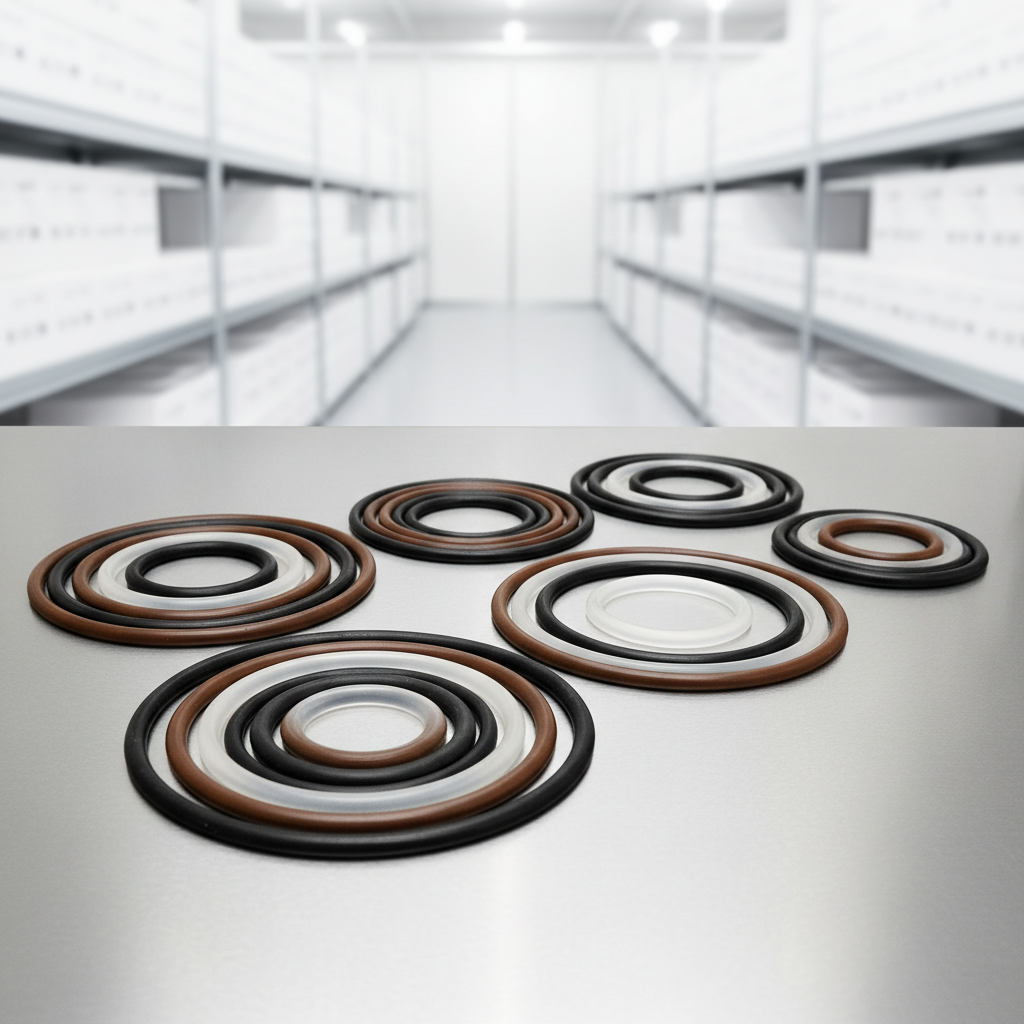
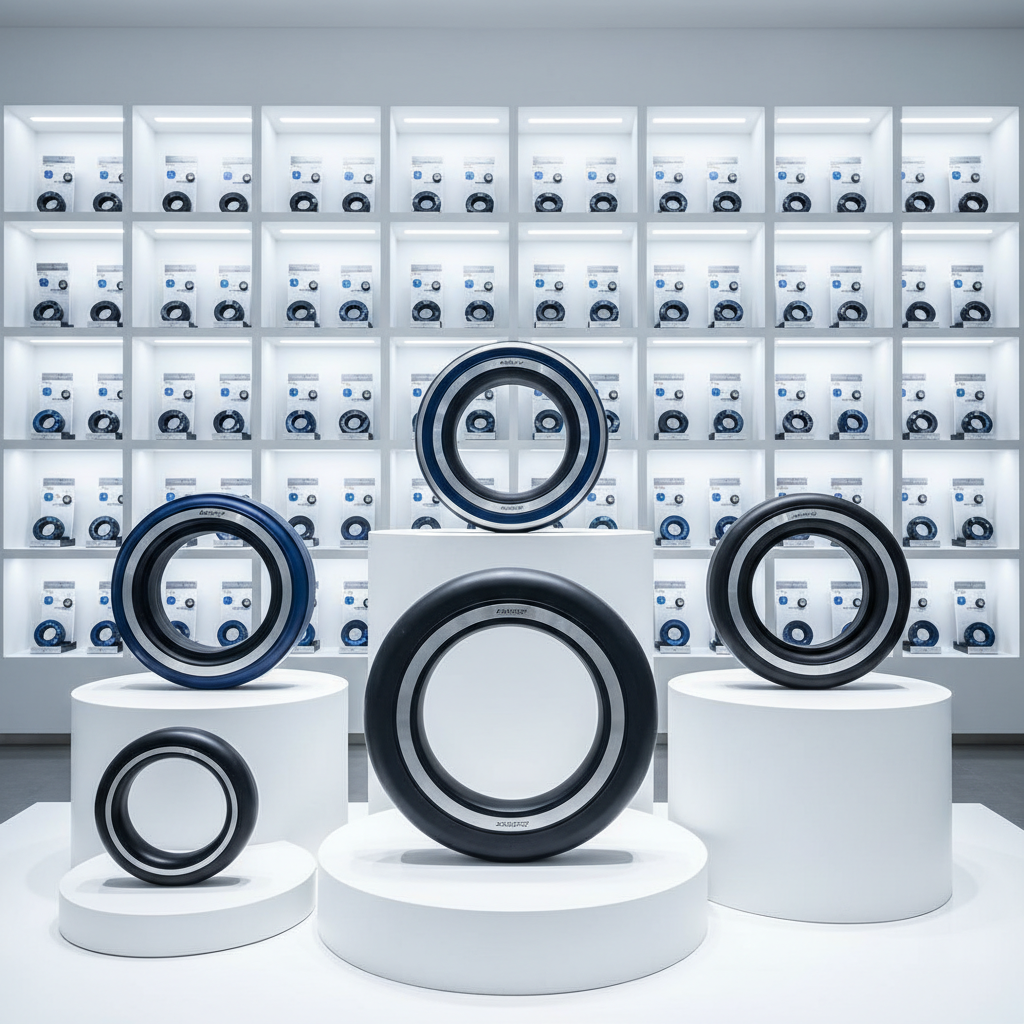
High Pressure O-Rings are not simply about withstanding significant force. They encompass a complex interplay of material science, precision engineering, and application-specific design. The key lies in the elastomer material—often specialized polymers like FFKM, PTFE, or high-performance nitrile—and its ability to deform and seal under extreme compression. High Pressure O-Rings are carefully designed.

Understanding the fundamental principles of O-ring sealing – including squeeze, sealing force, and material compatibility – is crucial for selecting the right O-ring for a given application. Factors like fluid type, temperature range, and pressure cycles all dictate the material and dimensions required to achieve a reliable seal.

Defining High Pressure O-Rings and Their Relevance

A High Pressure O-Ring is a toroidal-shaped seal designed to create a static or dynamic seal in high-pressure applications. Unlike standard O-rings, these are engineered with tighter tolerances, specialized materials, and often, reinforced constructions to prevent extrusion – a common failure mode under intense pressure. The relevance is profound, touching nearly every industry where fluid containment is critical.

They connect directly to modern industrial needs, ensuring the safe and efficient operation of machinery, equipment, and processes. In the context of humanitarian needs, reliable sealing is vital in water purification systems, medical devices, and disaster relief equipment, where failure could have severe consequences.

The precision and reliability of High Pressure O-Rings have made them essential for upholding the integrity of operations and the safety of personnel in demanding conditions. Continuous innovation in materials and design remains central to expanding their applicability.

Core Characteristics of High Pressure O-Rings

Durability is perhaps the most important characteristic. High Pressure O-Rings must maintain their sealing integrity over extended periods, even when exposed to harsh chemicals, extreme temperatures, and cyclical pressure fluctuations. This often necessitates the use of specialized elastomers with excellent resistance to degradation and wear.

Material Compatibility is critical. The O-ring material must be chemically compatible with the fluid being sealed. Incompatibility can lead to swelling, softening, or cracking, compromising the seal's effectiveness. Choosing the correct material—FFKM for aggressive chemicals, PTFE for broad compatibility, or HNBR for oil resistance—is essential.

Pressure Resistance is the defining factor. The ability to withstand extremely high pressures without extrusion or deformation is paramount. Reinforced O-rings, incorporating materials like PTFE or fabrics, are often employed to enhance pressure resistance. Accurate dimensioning and groove design are also vital for maximizing performance.

Key Performance Indicators for High Pressure O-Rings

Assessing the performance of High Pressure O-Rings requires careful consideration of several key indicators. These metrics provide insights into the O-ring’s ability to maintain a reliable seal under demanding conditions and help ensure long-term operational stability.

Leakage Rate is a primary indicator, quantifying the amount of fluid that escapes past the seal over time. Lower leakage rates indicate better sealing performance. Extrusion Resistance measures the O-ring's ability to withstand high pressures without being forced into the gap between mating components.

High Pressure O-Ring Performance Metrics

Global Applications of High Pressure O-Rings

The oil and gas industry is a major consumer of High Pressure O-Rings, utilizing them in downhole tools, wellhead equipment, and pipeline systems to prevent leakage of hydrocarbons. In aerospace, they are essential in hydraulic systems, fuel injectors, and engine components, ensuring the safe and reliable operation of aircraft.

Automotive applications include fuel rails, power steering systems, and transmission seals, where High Pressure O-Rings maintain fluid containment under high pressure and temperature conditions. Medical devices, such as high-pressure syringes and diagnostic equipment, rely on these seals for accuracy and safety.

The Advantages of Utilizing High Pressure O-Rings

Employing High Pressure O-Rings translates into substantial cost savings through reduced downtime, minimized fluid loss, and extended equipment life. Their robust design and reliability decrease the frequency of seal replacements, lowering maintenance expenses and improving overall operational efficiency.

From a safety standpoint, they mitigate the risk of hazardous leaks, protecting personnel and the environment. Their ability to perform reliably in extreme conditions fosters trust and confidence in critical applications, ultimately enhancing the reputation of the organizations utilizing them.

The adoption of advanced materials and designs contributes to sustainability by reducing waste and minimizing environmental impact. The enhanced efficiency achieved through reliable sealing also supports resource conservation and responsible operations.

Future Trends in High Pressure O-Ring Technology

The future of High Pressure O-Ring technology is poised for significant innovation, driven by the demand for enhanced performance, sustainability, and cost-effectiveness. Development of new elastomer materials with superior chemical resistance, temperature stability, and pressure handling capabilities will continue to be a priority.

Smart O-rings, incorporating sensors to monitor seal health and predict potential failures, represent an exciting frontier. Digital integration and predictive maintenance capabilities will enable proactive interventions, minimizing downtime and maximizing equipment lifespan.

Advancements in manufacturing processes, such as additive manufacturing (3D printing), offer the potential to create customized O-ring designs tailored to specific applications, optimizing performance and reducing material waste. This aligns with the broader trend toward sustainable manufacturing practices.

FAQS

What factors should I consider when selecting a High Pressure O-Ring for a hydraulic system?

Choosing the right High Pressure O-Ring for a hydraulic system depends on several factors: the operating pressure, fluid compatibility, temperature range, and the type of motion (static or dynamic). The material must resist swelling or degradation in contact with the hydraulic fluid, and the size and durometer must be appropriate for the pressure and groove design. Reinforced O-rings are often preferred for very high-pressure applications.

How do I prevent O-ring extrusion in a high-pressure environment?

Preventing O-ring extrusion involves several strategies. Using a reinforced O-ring with a PTFE or fabric backing adds structural integrity. Ensure the O-ring groove is properly designed with sufficient squeeze and a tight interference fit. Reducing pressure spikes and selecting a compatible material are also crucial. Proper lubrication can reduce friction and minimize the risk of extrusion.

What is the difference between FFKM and PTFE O-rings?

FFKM (Perfluoroelastomer) offers broader chemical resistance and higher temperature stability than PTFE (Polytetrafluoroethylene). However, PTFE has a lower coefficient of friction and is generally more cost-effective. FFKM is ideal for highly aggressive chemicals, while PTFE is suitable for a wider range of fluids, particularly where low friction is important.

How do I properly install a High Pressure O-Ring to ensure a leak-free seal?

Proper installation is critical. Always lubricate the O-ring with a compatible lubricant before installation. Avoid twisting or damaging the O-ring during insertion. Ensure the O-ring is correctly seated in the groove, and that the mating surfaces are clean and free of debris. Tighten fasteners to the manufacturer’s specified torque.

What is the expected lifespan of a High Pressure O-Ring?

The lifespan of a High Pressure O-Ring varies depending on the application, operating conditions, and material. Under optimal conditions, they can last for several years. Factors like extreme temperatures, aggressive chemicals, and high pressures can significantly reduce lifespan. Regular inspection and replacement are recommended based on application-specific requirements.

Can High Pressure O-Rings be used in vacuum applications?

Yes, certain High Pressure O-Rings, particularly those made from materials like PTFE, can be used in vacuum applications. These materials exhibit low outgassing properties and maintain their sealing capabilities in low-pressure environments. However, careful material selection and groove design are essential to prevent leakage.

Conclusion

In conclusion, High Pressure O-Rings are indispensable components across a multitude of industries, ensuring the safe, efficient, and reliable operation of critical systems. Their importance stems from their ability to withstand extreme conditions, prevent leakage, and contribute to overall operational sustainability. Understanding the nuances of material selection, design considerations, and proper installation is paramount for maximizing their performance and lifespan.

Looking ahead, advancements in materials science, smart technologies, and manufacturing processes will continue to drive innovation in High Pressure O-Ring technology. By embracing these developments, we can unlock even greater levels of performance, reliability, and sustainability, solidifying their role as essential elements of modern industrial infrastructure.
Michael Wilson

Michael Wilson

Michael Wilson is a Product Development Engineer with Shijiazhuang Beike Sealing Technology, focused on innovative rubber part design. He’s been with the company for 5 years, initially specializing in mold design and now leading the development of new FFKM O-ring solutions. Michael collaborates closely with the R&D center, leveraging their
Next High Performance Wear Resistant ORings for Industrial Applications

If you are interested in our products, you can choose to leave your information here, and we will be in touch with you shortly.