Wear Resistant O-Rings are critical components in countless industrial and commercial applications, often unseen but essential for preventing leaks, maintaining pressure, and ensuring the reliable operation of machinery. Their ability to withstand demanding conditions – abrasion, extreme temperatures, and corrosive substances – makes them indispensable across diverse sectors. Understanding the nuances of these seals is paramount for engineers, procurement specialists, and maintenance personnel seeking optimal performance and longevity in their systems.
The global market for O-rings, including those specifically designed for wear resistance, is substantial and growing. According to market research reports, the O-ring market was valued at approximately USD 3.5 billion in 2023 and is projected to reach USD 4.8 billion by 2030, exhibiting a compound annual growth rate (CAGR) of 4.6% (Source: Global Industry Analysts Inc.). This growth is driven by increasing industrialization, particularly in emerging economies, and the demand for higher-performing, longer-lasting sealing solutions.
The need for effective sealing solutions isn’t just economic; it’s tied to safety, environmental responsibility, and operational efficiency. Failures in O-ring seals can lead to costly downtime, environmental contamination, and even hazardous accidents. High-quality Wear Resistant O-Rings address these challenges, providing a crucial layer of protection and reliability in critical applications.

Introduction: Global or Industry Context
Wear Resistant O-Rings aren’t merely rubber components; they represent a significant advancement in material science and engineering, impacting industries from aerospace to automotive, oil and gas to medical devices. Their ability to maintain a seal under extreme conditions, coupled with increasing demands for reduced maintenance and extended equipment life, fuels the continuous development and adoption of enhanced sealing technologies. Wear Resistant O-Rings are at the forefront of this innovation.
The escalating cost of downtime and the heightened focus on environmental protection are pushing companies to invest in robust sealing solutions. Leaks can result in product loss, production halts, environmental damage, and potential safety hazards. Investing in high-quality, wear-resistant seals is, therefore, a proactive measure that yields substantial long-term benefits. The ISO standards relating to sealing performance (e.g., ISO 3601-1) further emphasize the importance of quality and reliability.
Definition & Meaning
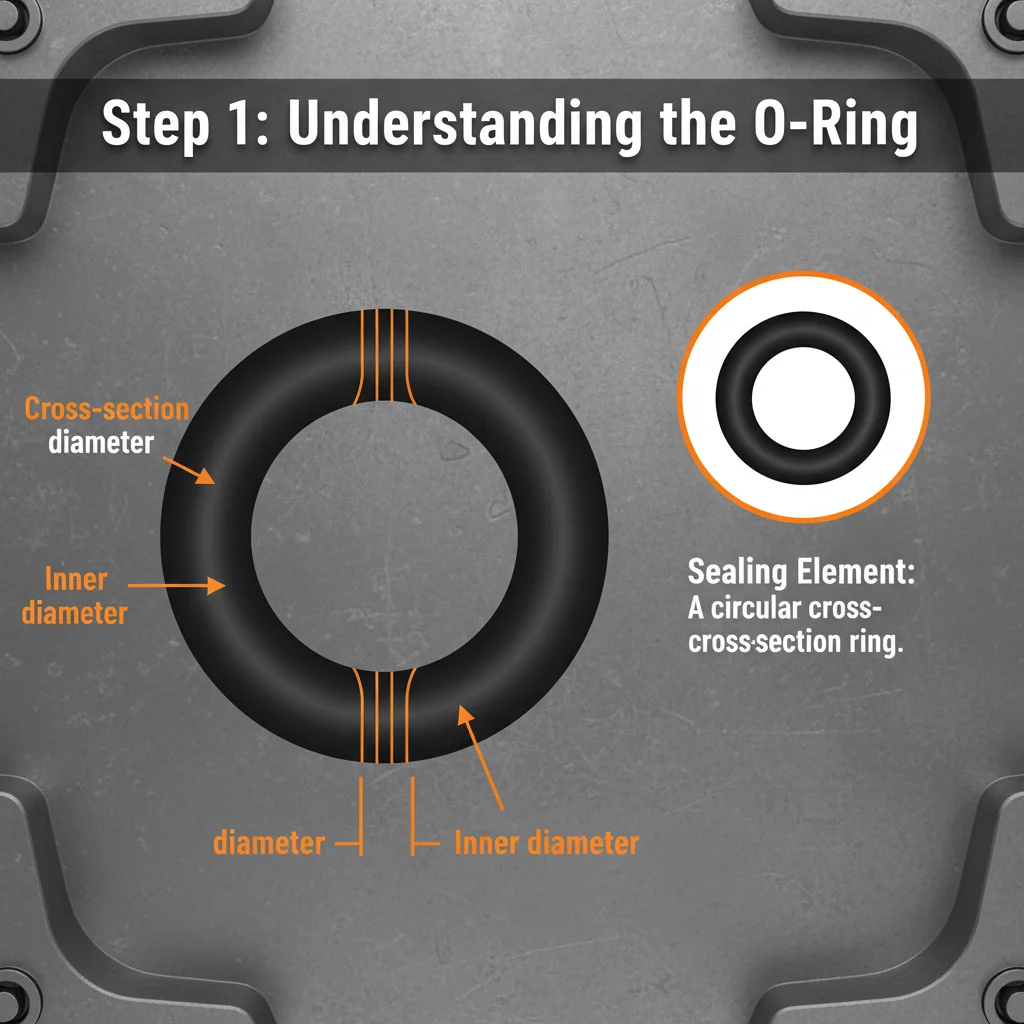
Wear Resistant O-Rings are circular seals with a cross-sectional shape, typically made from elastomers, engineered to create a static or dynamic seal between mating surfaces. Unlike standard O-rings, they are specifically formulated or treated to exhibit exceptional resistance to abrasion, erosion, and wear caused by friction, particulate matter, or aggressive media. They are designed to maintain their sealing integrity over extended periods, even in harsh operating environments.
This enhanced durability is crucial in applications where continuous movement, high pressures, or abrasive substances are present. Their importance extends beyond simply preventing leaks; they contribute to the overall efficiency and reliability of the equipment they serve. Wear Resistant O-Rings play a vital role in modern industry.
The connection to modern industry and humanitarian needs is profound. In industrial settings, they minimize downtime and maintenance costs. In critical infrastructure like water purification plants and medical equipment, they ensure safe and reliable operation, directly impacting public health and wellbeing. Their longevity contributes to sustainability by reducing the frequency of replacements and minimizing waste.
Key Factors or Core Components
Material Composition: The choice of elastomer is paramount. Materials like Fluorocarbon (Viton), Perfluoroelastomer (FFKM), Polyurethane (PU), and Hydrogenated Nitrile Butadiene Rubber (HNBR) are commonly used due to their inherent wear resistance, chemical compatibility, and temperature stability. Fillers, such as PTFE or carbon fiber, can further enhance wear characteristics.
Surface Finish: A smooth surface finish on both the O-ring and the mating hardware minimizes friction and reduces wear. Special coatings can also be applied to the O-ring surface to further enhance its wear resistance and reduce the coefficient of friction.
Durometer (Hardness): The durometer, measured on the Shore scale, dictates the O-ring's hardness. Selecting the appropriate durometer is crucial; softer materials conform better to surface irregularities but may wear more quickly, while harder materials offer greater wear resistance but may have sealing issues.
Design & Geometry: The O-ring's cross-sectional shape and groove design impact its performance. Proper groove dimensions (width and depth) are essential to prevent excessive stress and premature failure.
Lubrication: Applying a compatible lubricant reduces friction and wear, extending the O-ring's service life. The lubricant should be chemically compatible with both the O-ring material and the fluid being sealed.
Global Applications & Use Cases
Wear Resistant O-Rings are deployed across a vast spectrum of industries. In the oil and gas sector, they seal critical components in downhole tools, pumps, and valves, operating under extreme pressures and temperatures. In the automotive industry, they are used in engine seals, fuel systems, and transmission systems, contributing to vehicle reliability and fuel efficiency.
The aerospace industry relies heavily on these seals in hydraulic systems, actuators, and fuel systems, where failure is not an option. Medical device manufacturers utilize them in surgical instruments, pumps, and diagnostic equipment, demanding biocompatibility and exceptional reliability. Wear Resistant O-Rings are critical in these demanding environments.
In remote industrial zones, where access to maintenance and replacement parts is limited, the long lifespan of wear-resistant O-rings is especially valuable. Similarly, in post-disaster relief operations, durable sealing solutions are crucial for maintaining the functionality of water purification systems and emergency power generators.
Wear Resistant O-Ring Application Distribution
Advantages & Long-Term Value
The primary advantage of utilizing Wear Resistant O-Rings is a significant reduction in maintenance frequency and associated costs. By extending the service life of seals, companies can minimize downtime, reduce the need for costly replacements, and improve overall operational efficiency. This translates to substantial cost savings over the long term.
From a sustainability perspective, fewer replacements mean less material waste and a reduced environmental footprint. The reliability of these seals also enhances safety, preventing leaks of hazardous materials and mitigating potential risks to personnel and the environment. Trust in the sealing integrity of critical systems fosters confidence and peace of mind.
Future Trends & Innovations
Ongoing research and development are focused on creating even more durable and versatile Wear Resistant O-Rings. Nanomaterials, such as graphene and carbon nanotubes, are being incorporated into elastomer formulations to enhance wear resistance and reduce friction. Self-healing elastomers, which can repair minor damage, are also under development, promising significantly extended service life.
The integration of digital technologies, such as predictive maintenance sensors and AI-powered analytics, will enable more proactive monitoring of seal performance and optimized maintenance schedules. Automation in manufacturing processes is leading to tighter tolerances and more consistent quality in O-ring production, further enhancing their reliability.
Challenges & Solutions
One of the main challenges is the cost premium associated with high-performance Wear Resistant O-Rings compared to standard elastomers. However, a life-cycle cost analysis often reveals that the initial investment is justified by the long-term savings in maintenance and downtime. Another challenge is selecting the appropriate material for specific applications, requiring a thorough understanding of the operating conditions and fluid compatibility.
To overcome these challenges, material scientists are developing new elastomer formulations that offer improved wear resistance at a lower cost. Expert consultation and detailed application analysis can help engineers choose the optimal O-ring material for their specific needs. Implementing robust quality control procedures during manufacturing is also crucial to ensure consistent performance. Wear Resistant O-Rings are constantly improving.
Further, advancements in surface treatments and coatings are providing innovative ways to enhance the wear resistance of existing O-ring materials without significantly increasing cost.
Summary of Wear Resistant O-Ring Performance Characteristics
| Material Type |
Wear Resistance Rating (1-10) |
Temperature Range (°C) |
Typical Applications |
| Fluorocarbon (Viton) |
8 |
-20 to 200 |
Automotive, Aerospace, Oil & Gas |
| Perfluoroelastomer (FFKM) |
10 |
-20 to 250 |
Chemical Processing, Semiconductor Manufacturing |
| Polyurethane (PU) |
7 |
-40 to 120 |
Hydraulic Systems, Pneumatic Cylinders |
| Hydrogenated Nitrile Butadiene Rubber (HNBR) |
9 |
-30 to 150 |
Automotive, Oilfield Applications |
| Silicone Rubber (with fillers) |
6 |
-60 to 200 |
Food & Beverage, Medical Devices |
| Ethylene Propylene Diene Monomer (EPDM) |
5 |
-50 to 150 |
Water Systems, Steam Applications |
FAQS
Wear Resistant O-Rings utilize specialized materials and often surface treatments to enhance their ability to withstand abrasion, erosion, and friction. Standard O-rings typically use less expensive materials that may not perform as well in harsh environments. The key difference lies in the extended service life and reduced maintenance requirements of wear-resistant seals.
Selecting the right material requires considering several factors, including the fluid being sealed, the operating temperature, the pressure, and the presence of abrasive particles. Consulting material compatibility charts and seeking expert advice is highly recommended. Factors like chemical resistance, durometer, and elongation at break should be carefully evaluated.
The lifespan varies greatly depending on the application and operating conditions. However, Wear Resistant O-Rings generally last significantly longer than standard O-rings in comparable environments. Proper installation, lubrication, and adherence to recommended operating parameters are crucial for maximizing service life. Expect lifespans ranging from months to years.
No. Material compatibility is critical. Certain fluids can cause swelling, degradation, or embrittlement of the O-ring material, leading to premature failure. It's essential to consult material compatibility charts to ensure the chosen material is resistant to the specific fluid being sealed.
Yes, many Wear Resistant O-Rings are designed for dynamic applications involving reciprocating, rotary, or oscillating movements. However, the selection of the appropriate material and design is crucial to prevent wear and ensure a reliable seal. Specialized materials like PTFE filled elastomers are often used for high-speed, high-pressure dynamic seals.
Regular inspection for wear and tear, proper lubrication with a compatible lubricant, and ensuring correct installation are essential maintenance practices. Keeping the sealing surfaces clean and free from debris can also significantly extend the O-ring’s lifespan. Avoid overcompression during installation.
Conclusion
Wear Resistant O-Rings are far more than simple sealing components; they are vital contributors to operational efficiency, safety, and sustainability across a vast range of industries. Their superior durability and reliability minimize downtime, reduce maintenance costs, and enhance the overall performance of critical equipment. The continuous advancements in materials science and manufacturing techniques promise even more robust and versatile sealing solutions in the future.
Investing in high-quality Wear Resistant O-Rings is a proactive step towards long-term cost savings and improved operational reliability. As industries continue to demand higher levels of performance and sustainability, the role of these specialized seals will only become more critical. Explore our comprehensive range of Wear Resistant O-Rings and find the perfect solution for your application. Visit our website: www.beikesealing.com