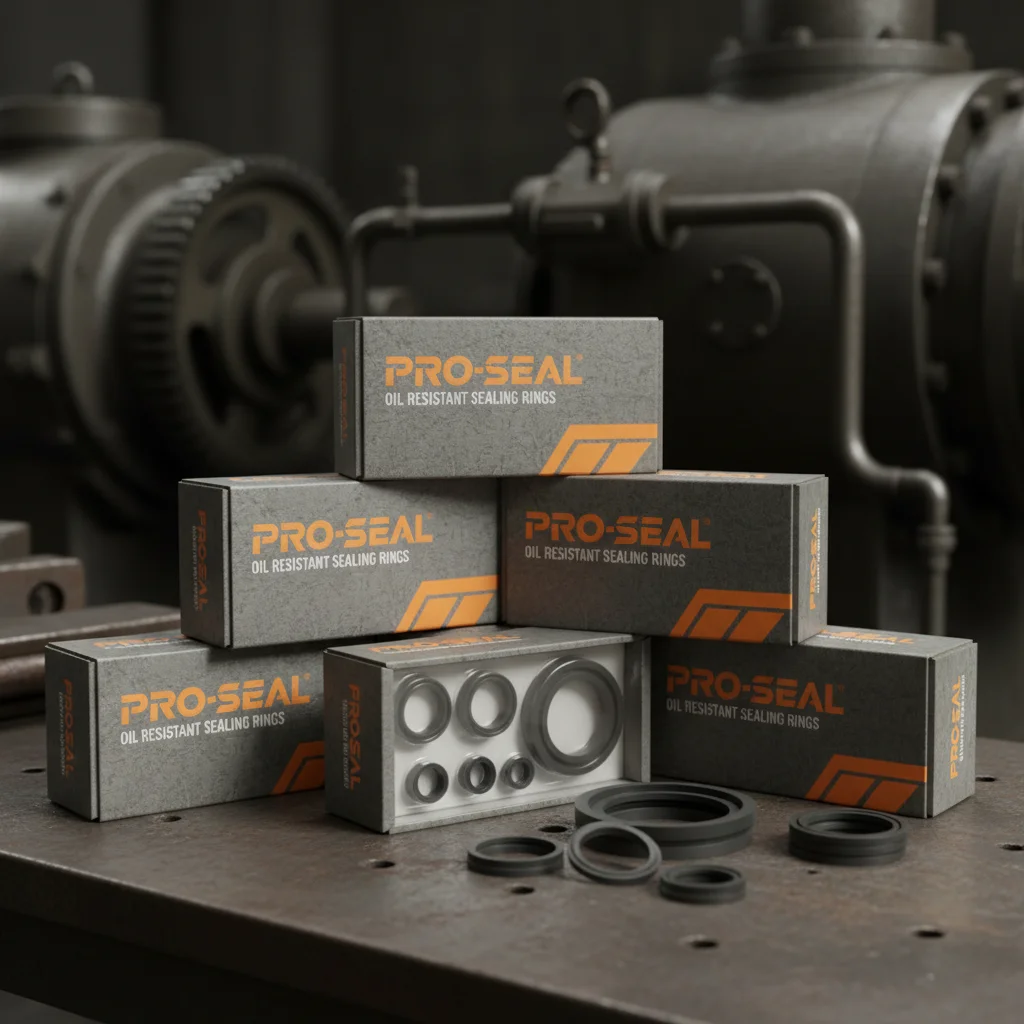
Silicone Rubber Plugs – they're not glamorous, not something engineers brag about at conferences. But let me tell you, after years spent knee-deep in dust and concrete on construction sites, watching projects get held up by the simplest things, these little guys are often the unsung heroes. They’re about reliability, preventing leaks, protecting connections. They're a foundational element in countless applications, and getting them right saves time, money, and a whole lot of headaches. I've seen enough patching and rework to appreciate a good plug.
It’s easy to overlook something like a Silicone Rubber Plug, but think about the sheer scope of infrastructure relying on sealing solutions. From massive pipeline projects to delicate instrumentation, ensuring a tight, dependable seal is critical. The global demand is huge – driven by growing infrastructure needs, especially in developing nations, and increasingly stringent safety regulations across the board. We're not just talking about preventing water damage, we're talking about safeguarding critical systems.
And it’s a sector constantly evolving. I’m seeing a demand for more specialized plugs, with increased chemical resistance, higher temperature tolerances, and improved durability. The days of a ‘one size fits all’ approach are long gone. Clients want solutions tailored to their specific challenges, and that's where innovation in materials and design comes in.
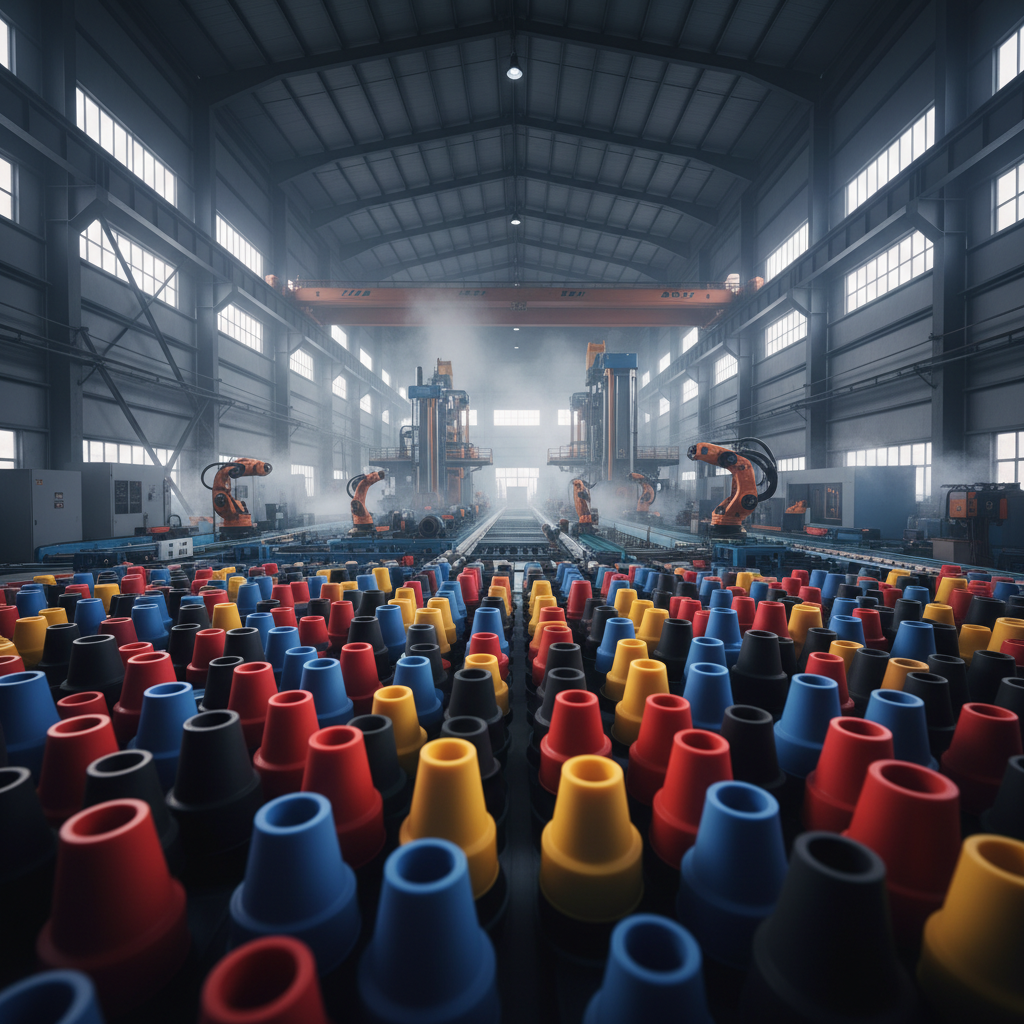
The Importance of Silicone Rubber Plugs
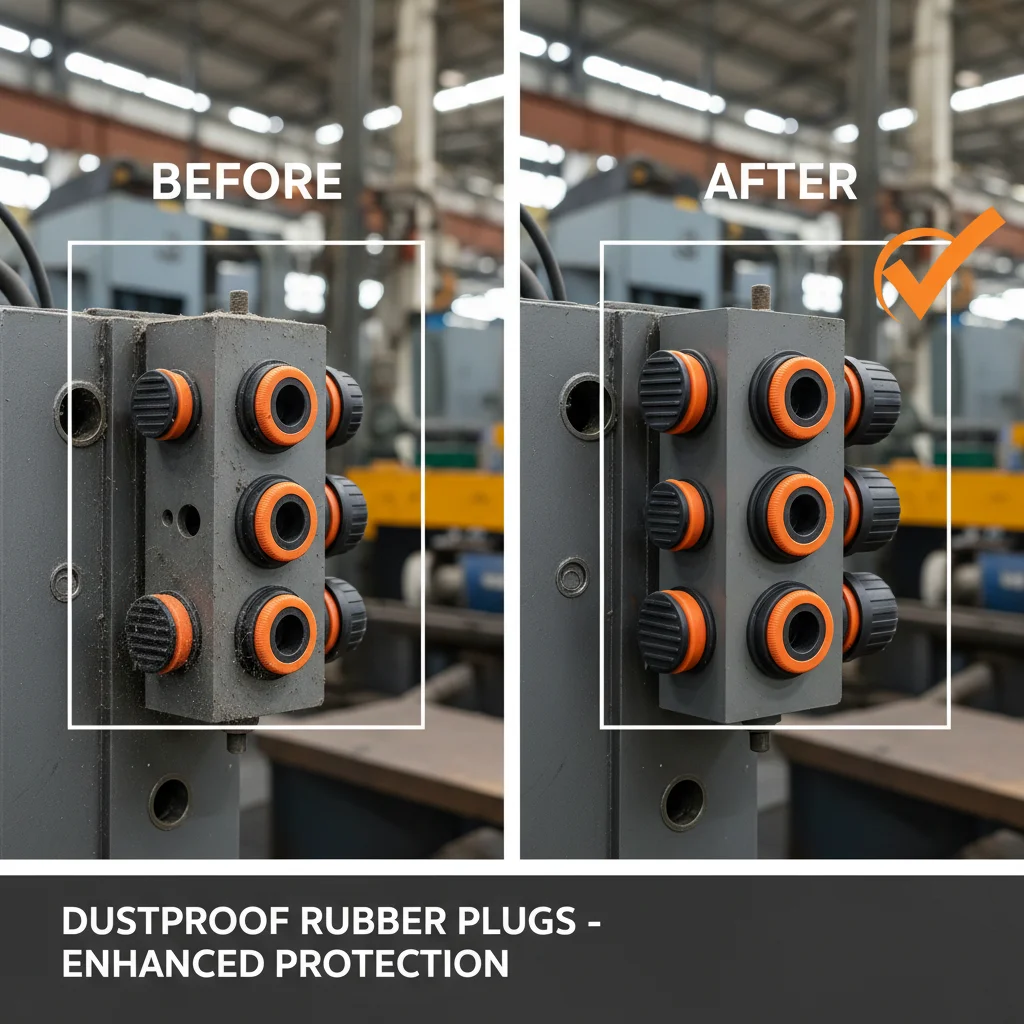
Let’s be real, a lot of the work we do on site hinges on preventing ingress – water, dust, chemicals, you name it. Silicone Rubber Plugs are often the first line of defense. I’ve seen projects delayed for days, even weeks, because a cheap or poorly fitted plug failed. It’s not just about the immediate repair costs, it’s the knock-on effect: scheduling disruptions, frustrated clients, and the hit to reputation.
The versatility of these plugs is what makes them so valuable. They’re used in everything from capping hydraulic lines during maintenance to sealing test ports on complex machinery. And it's not just construction. I've seen them essential in automotive, aerospace, and even medical applications where precision and reliability are paramount.
Global Relevance and Industry Context
The demand for robust sealing solutions like Silicone Rubber Plugs is directly tied to global infrastructure development. The UN projects a global population of nearly 10 billion by 2050, driving an unprecedented need for housing, transportation, and utilities. That translates to a massive increase in construction and maintenance projects, all requiring reliable sealing components. According to ISO standards, ensuring the integrity of these systems is increasingly critical for safety and environmental protection.
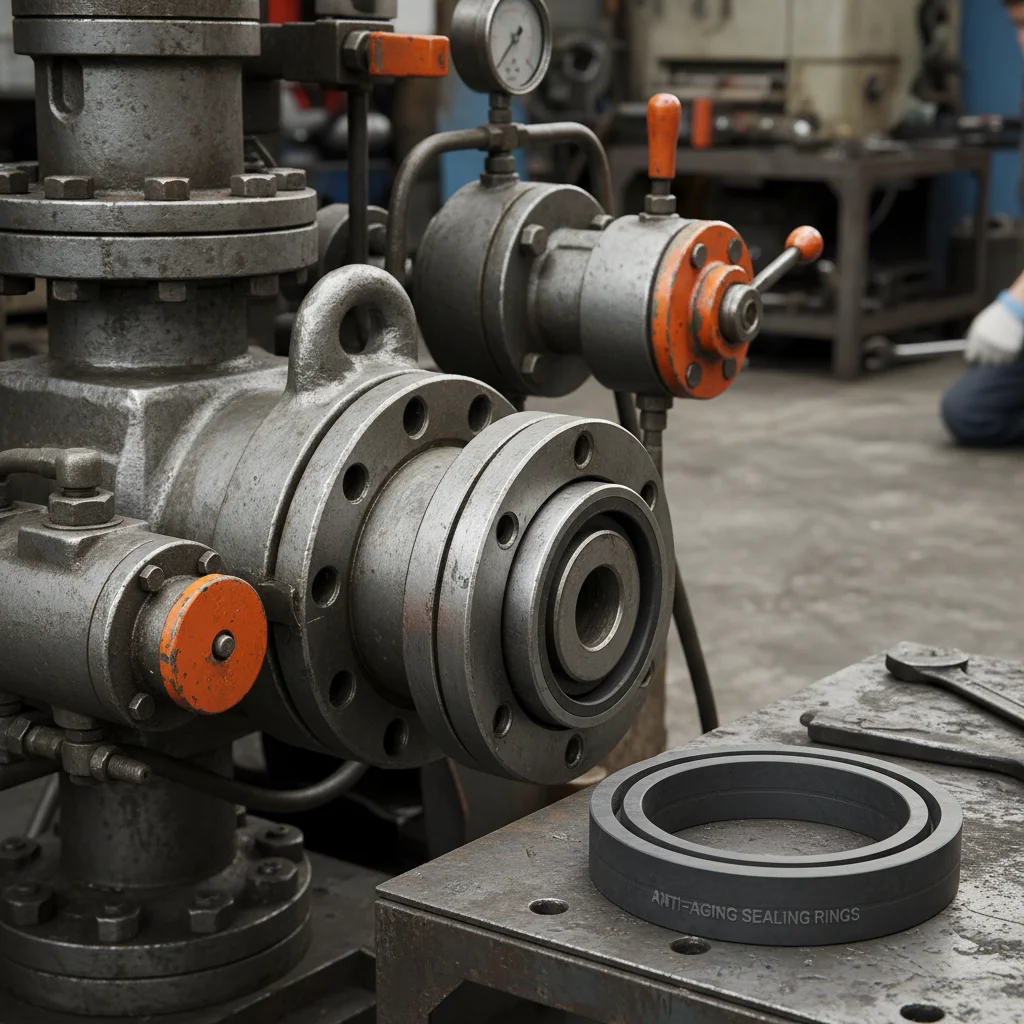
We’re also seeing a major push for modernization of existing infrastructure in developed nations. Aging pipelines, deteriorating bridges – these require constant repair and maintenance, and Silicone Rubber Plugs play a vital role in extending their lifespan. The cost of inaction is enormous: water loss, environmental contamination, and potential structural failures.
The challenge, though, isn’t just meeting demand; it’s doing so sustainably. Traditional sealing materials often have a significant environmental footprint. There's increasing pressure to adopt eco-friendly alternatives, and that’s where the inherent properties of silicone become particularly attractive.
Defining Silicone Rubber Plugs
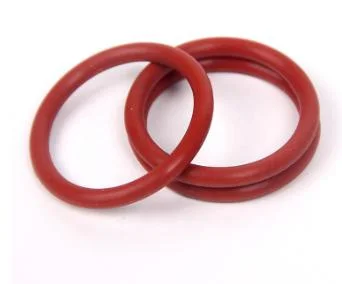
Simply put, a Silicone Rubber Plug is a closure designed to seal an opening – a hole, a port, a tube. But it’s more than just a stopper. It’s an engineered component designed to provide a secure, reliable barrier against fluids, gases, and contaminants. They are molded from silicone rubber, a synthetic elastomer known for its exceptional properties.
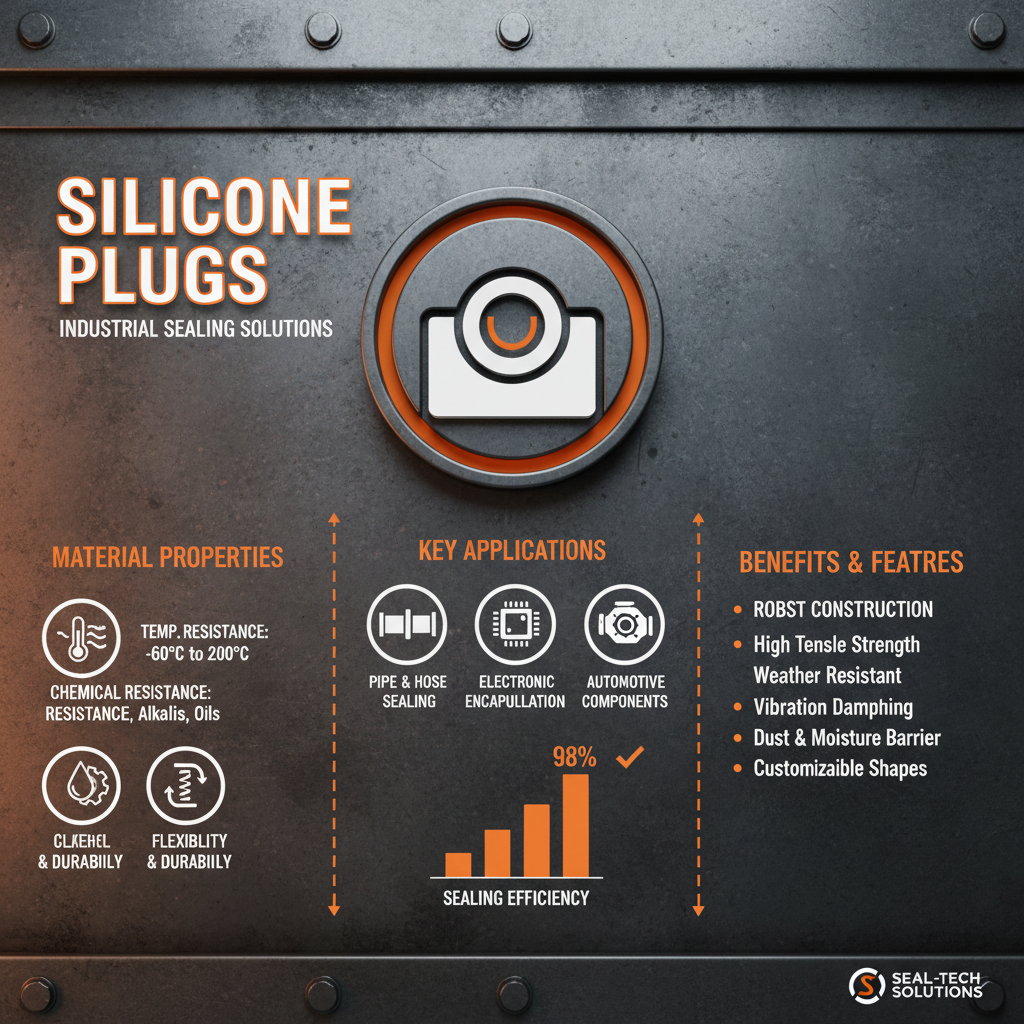
What sets silicone apart? It’s temperature resistance – these plugs can withstand extreme heat and cold without degrading. It’s chemical inertness – they won’t react with most fluids, making them ideal for harsh environments. And it’s flexibility – they can compress and deform to create a tight seal, even on irregular surfaces. From my experience, silicone’s flexibility is often overlooked, but it’s a huge advantage when dealing with imperfectly machined parts or slightly damaged housings.
These aren’t just about plugging holes; they’re about protecting complex systems, ensuring operational safety, and preventing costly downtime. Their connection to modern industry and even humanitarian needs – think disaster relief efforts, providing clean water access – is more significant than people realize.
Key Factors and Core Components
Let’s talk about what makes a good Silicone Rubber Plug. First, Durability is paramount. I’ve thrown plugs in toolboxes, left them exposed to the elements, and generally abused them on site. They need to withstand physical stress, UV exposure, and repeated compression without losing their sealing properties. Second, Chemical Resistance is vital. Different applications demand resistance to different chemicals, so knowing the specific environment is crucial.
Then you have Temperature Stability. Out on a hot pipeline in the desert or a frigid offshore platform, the plug needs to hold its shape and seal. Dimensional Accuracy matters too – a poorly sized plug won't create a proper seal, no matter how good the material. Finally, Material Grade is key. There are different silicone formulations, each with its own unique properties.
Silicone Rubber Plug Performance Metrics
Global Applications & Use Cases
The applications are incredibly diverse. In post-disaster relief operations, you’ll find Silicone Rubber Plugs used to seal damaged water pipes and create temporary sanitation systems. In remote industrial zones, they’re essential for maintaining the integrity of oil and gas pipelines. I've personally used them countless times to protect sensitive instrumentation during field calibrations.
Automotive manufacturers rely on them for sealing connectors and protecting electrical components. The aerospace industry uses specialized, high-temperature silicone plugs for engine testing and maintenance. And in the medical field, they’re critical for sealing IV lines and other medical devices.
Advantages & Long-Term Value
The tangible benefits are clear: reduced maintenance costs, minimized downtime, and improved safety. Silicone Rubber Plugs, when properly specified and installed, simply last longer than many alternative materials. They require less frequent replacement, saving money in the long run. From a sustainability perspective, the durability of silicone minimizes waste, aligning with increasingly stringent environmental regulations.
Beyond the cost savings, there's a peace of mind factor. Knowing your systems are reliably sealed provides confidence and reduces the risk of catastrophic failures. That translates to improved operational efficiency, enhanced safety for workers, and a stronger reputation for your organization. That's something you can't put a price on.
Future Trends & Innovations
We're starting to see the integration of smart materials and sensors into Silicone Rubber Plugs. Imagine a plug that can monitor its own sealing pressure and alert you to potential leaks. That’s not science fiction; it’s becoming a reality. The development of self-healing silicone materials is also exciting – plugs that can automatically repair minor damage, extending their lifespan and reducing the need for replacement.
Bio-based silicone alternatives are gaining traction, offering a more sustainable option. And with the rise of automation and Industry 4.0, we're seeing increased demand for plugs that can be easily integrated into automated assembly processes.
The focus on green energy is also driving innovation. Silicone Rubber Plugs are playing a crucial role in sealing components in solar panels, wind turbines, and battery storage systems, helping to accelerate the transition to a cleaner energy future.
Key Challenges and Solutions in Silicone Rubber Plug Implementation
One consistent challenge is proper sizing and installation. I've seen too many projects hampered by plugs that are either too small, leading to leaks, or too large, causing damage during insertion. Providing clear guidelines and training for installers is essential. Another issue is material selection – choosing the right silicone formulation for the specific application.
The cost of high-performance silicone can be a barrier for some clients, but it's crucial to emphasize the long-term value. A slightly more expensive plug that lasts twice as long can ultimately be more cost-effective. Addressing supply chain disruptions is also a priority – diversifying sourcing and building strategic partnerships with reliable suppliers.
Finally, quality control is paramount. Implementing rigorous testing procedures and ensuring that plugs meet industry standards is critical for preventing failures and maintaining customer trust. It's about building a reputation for reliability and delivering solutions that perform under pressure.
A Comparative Analysis of Silicone Rubber Plug Characteristics
| Plug Material |
Temperature Resistance (°C) |
Chemical Compatibility |
Typical Applications |
| Standard Silicone |
-60 to +200 |
Good - Moderate resistance to oils, solvents |
General purpose sealing, test ports |
| Fluorosilicone |
-70 to +150 |
Excellent - Resistant to fuels, oils, and many chemicals |
Aerospace, automotive fuel systems |
| High-Temperature Silicone |
-50 to +300 |
Moderate - Limited resistance to certain solvents |
Engine components, exhaust systems |
| Medical-Grade Silicone |
-60 to +200 |
Excellent - Biocompatible, sterilizable |
Medical devices, pharmaceutical applications |
| Self-Sealing Silicone |
-40 to +180 |
Good - General purpose chemical resistance |
Applications needing auto-repair after damage |
| Conductive Silicone |
-50 to +150 |
Moderate - Dependent on Filler Material |
EMI shielding, grounding applications |
FAQS
The lifespan really depends on the specific exposure – UV radiation, temperature swings, chemical contact. A high-quality plug, properly installed, can last 5-10 years, but regular inspection is crucial. Look for signs of cracking, hardening, or deformation. We've seen plugs in demanding environments fail sooner, so proactive maintenance is key. Replacing them before complete failure prevents costly downtime.
Yes, but you must use a medical-grade or NSF-certified silicone formulation. Standard silicone may contain additives that aren't safe for drinking water. These certified plugs are specifically manufactured to meet strict safety standards and won't leach harmful chemicals into the water supply. Always check the product specifications and certifications before using them in a potable water application.
Accurate measurement is critical. Measure the inner diameter of the opening you need to seal, and choose a plug that's slightly larger to create a tight interference fit. Consider the material of the opening – if it’s metal, you might need a plug with a slightly softer durometer to ensure a good seal. Most manufacturers provide sizing guides, and we're always happy to offer assistance in selecting the correct size.
It depends. If the plug wasn't subjected to significant stress or deformation during removal, it might be reusable. However, repeated use can compromise the sealing properties. The rubber can become stretched or compressed, leading to leaks. For critical applications, it’s generally best practice to use a new plug each time to ensure a reliable seal.
Store them in a cool, dry place away from direct sunlight and ozone sources. Avoid storing them near chemicals or solvents that could cause degradation. Keep them in their original packaging or in sealed containers to protect them from dust and contamination. Proper storage significantly extends their shelf life and ensures optimal performance.
Silicone Rubber Plugs generally have a higher initial cost than standard rubber or plastic plugs. However, their superior durability, temperature resistance, and chemical inertness often result in lower long-term costs due to reduced replacement frequency and fewer failures. Consider the total cost of ownership, not just the upfront price, when evaluating your options.
Conclusion
Silicone Rubber Plugs may seem like a small component, but their impact on the reliability, safety, and sustainability of countless industries is significant. From preventing leaks in critical infrastructure to protecting sensitive equipment, these versatile plugs are often the unsung heroes of modern engineering. Understanding their properties, applications, and future trends is essential for anyone involved in design, maintenance, or construction.
Investing in high-quality Silicone Rubber Plugs and proper installation practices is a smart move that pays dividends in the long run. By staying informed about the latest innovations and adopting a proactive approach to maintenance, you can ensure the integrity of your systems and minimize costly downtime. To explore our range of Silicone Rubber Plugs and discuss your specific needs, visit our website: Silicone Rubber Plugs.