
Low Temperature O-Rings are critical sealing solutions designed to maintain performance and integrity in extremely cold environments. Their importance spans numerous industries, from aerospace and automotive to oil and gas, and increasingly, specialized applications in cryogenics and cold-chain logistics. The demand for reliable seals that don’t become brittle or lose their elasticity at sub-zero temperatures is constantly growing, driven by advancements in technology and the need for safer, more efficient operations.
Globally, industries operating in frigid climates or dealing with cryogenic materials face significant challenges in maintaining equipment functionality. Traditional O-ring materials often fail in these conditions, leading to leaks, equipment downtime, and potential safety hazards. Addressing this problem requires specialized materials and designs tailored to withstand extreme cold, ensuring operational continuity and minimizing risks.
Understanding the nuances of Low Temperature O-Rings – their material composition, design considerations, and application-specific performance – is crucial for engineers, procurement specialists, and anyone involved in maintaining critical systems in cold environments. The benefits extend beyond simple leak prevention; they impact overall system efficiency, reliability, and safety.
The Core Principles of Low Temperature O-Rings
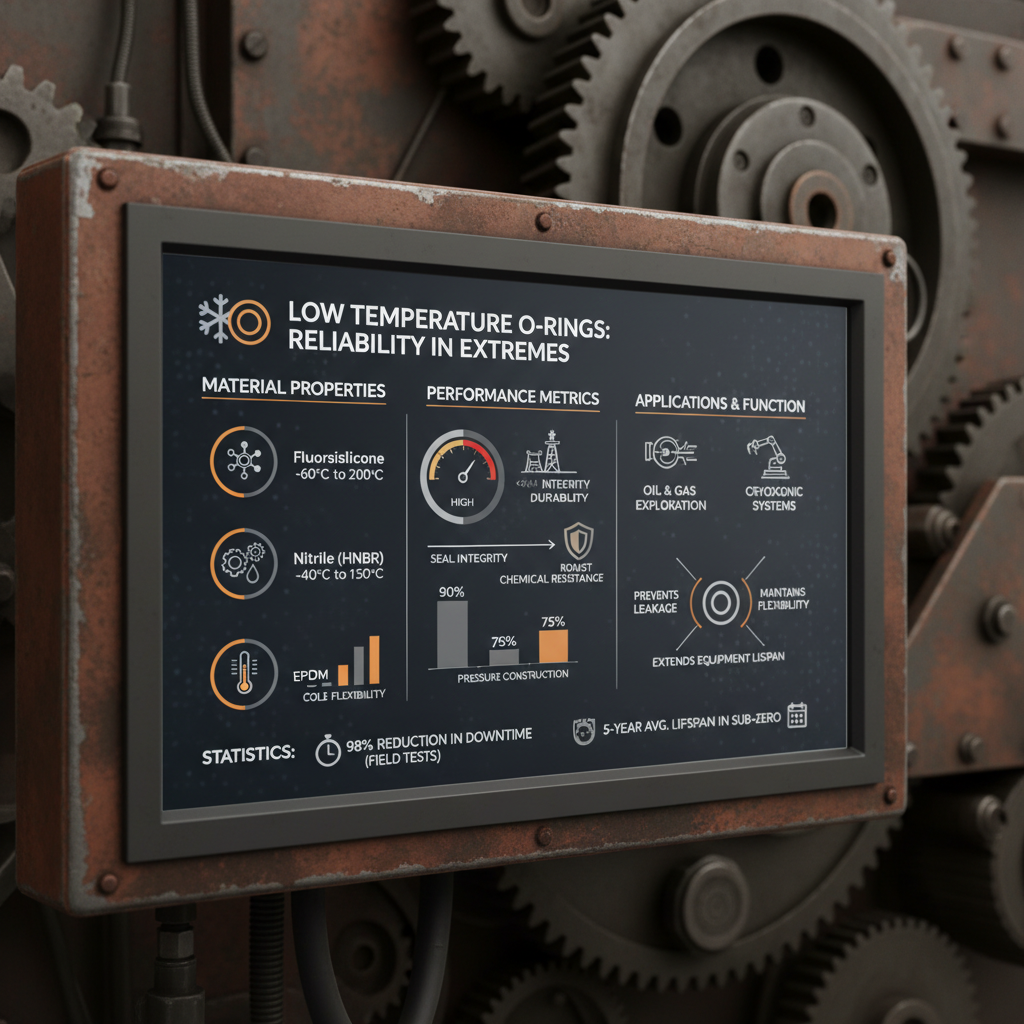
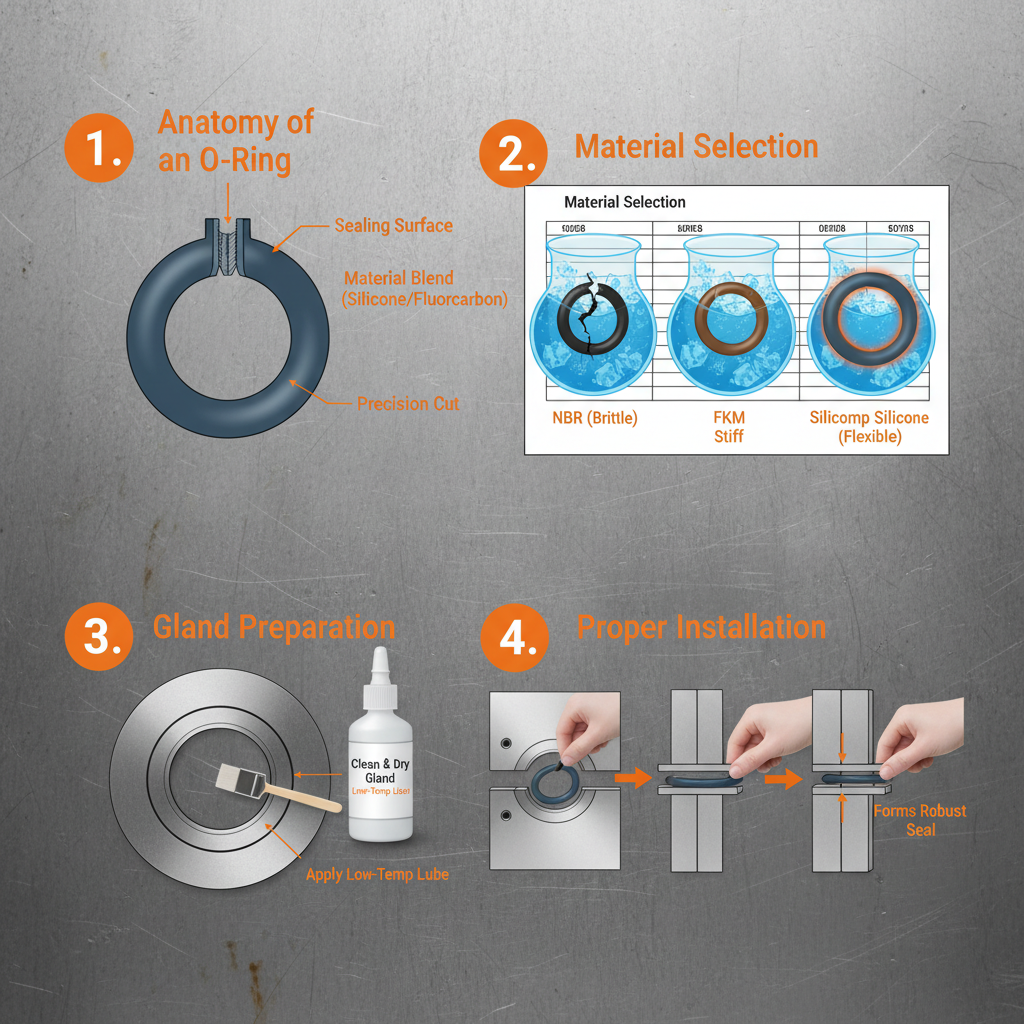
The fundamental principle behind Low Temperature O-Rings lies in the selection of materials that retain their elasticity and sealing capabilities even at extremely low temperatures. Unlike standard O-rings, which become brittle and prone to cracking in the cold, these specialized seals utilize compounds like fluorosilicone (FVMQ), Viton, and certain grades of nitrile rubber (HNBR) specifically formulated for cryogenic applications.
These materials maintain a lower glass transition temperature, meaning they remain flexible and can conform to sealing surfaces even when exposed to sub-zero conditions. This is vital for preventing leaks and maintaining the integrity of systems operating in cold environments, like those found in aerospace or arctic oil exploration.
FAQS
The key distinction lies in the material composition. Standard O-rings become brittle and lose their elasticity at low temperatures, leading to leaks. Low Temperature O-Rings are manufactured using materials like fluorosilicone or specially formulated nitriles that retain flexibility and sealing performance even in extremely cold environments. This allows them to effectively seal fluids and gases where standard O-rings would fail.
The specific temperature range depends on the material used. Fluorosilicone (FVMQ) O-rings commonly operate between -60°C to 200°C (-76°F to 392°F), while certain Viton formulations can handle temperatures down to -40°C (-40°F). It's crucial to consult the manufacturer's specifications for the exact temperature limits of a particular O-ring.
No, compatibility varies based on the material. While fluorosilicone offers broad chemical resistance, it may not be suitable for all aggressive chemicals. Viton generally provides excellent resistance to oils, fuels, and hydraulic fluids, but may be less compatible with certain solvents. Always verify chemical compatibility with the O-ring material before use to prevent degradation and failure.
Proper sizing requires considering the groove dimensions, the fluid pressure, and the operating temperature. The O-ring should be slightly compressed when installed to create a tight seal. Consult O-ring sizing charts and industry standards (like AS568) to determine the correct dimensions. Incorrect sizing can lead to leakage or premature failure.
Common applications include aerospace systems (sealing fuel and hydraulic components), oil and gas exploration in Arctic regions, cryogenic equipment (MRI machines, liquid nitrogen storage), and medical devices used for cryopreservation. They are also found in automotive systems operating in cold climates and cold chain logistics.
Store Low Temperature O-Rings in a cool, dry place away from direct sunlight and ozone sources. Avoid contact with oils, solvents, and other chemicals that could cause degradation. Ideally, store them in sealed containers to protect them from contamination and environmental factors. Proper storage ensures they retain their elasticity and sealing properties.
Conclusion
In summary, Low Temperature O-Rings are essential components for ensuring reliable sealing performance in extreme cold environments. Their specialized materials and designs address the limitations of standard O-rings, offering enhanced durability, safety, and operational efficiency across a wide range of industries, including aerospace, oil and gas, and healthcare. Understanding their properties and applications is critical for engineers and professionals involved in these fields.
As technology advances and the demand for reliable cold-weather solutions grows, continued innovation in Low Temperature O-Ring materials and manufacturing processes will be crucial. Investing in these specialized seals is not merely a cost of doing business but a strategic move towards optimizing performance, minimizing risk, and building sustainable operations in challenging environments. Visit our website at www.beikesealing.com to learn more about our range of Low Temperature O-Ring solutions.
Related Posts
-
Global Leading Customized Seals Factory at China International Rubber Technology Exhibition
-
Custom Colored ORings Essential Sealing Solutions for Diverse Industries
-
High Performance Food Grade Rubber Plugs for Food Safety Sealing
-
Advanced Solutions Rubber Seals Supplier at China International Rubber Technology Exhibition


