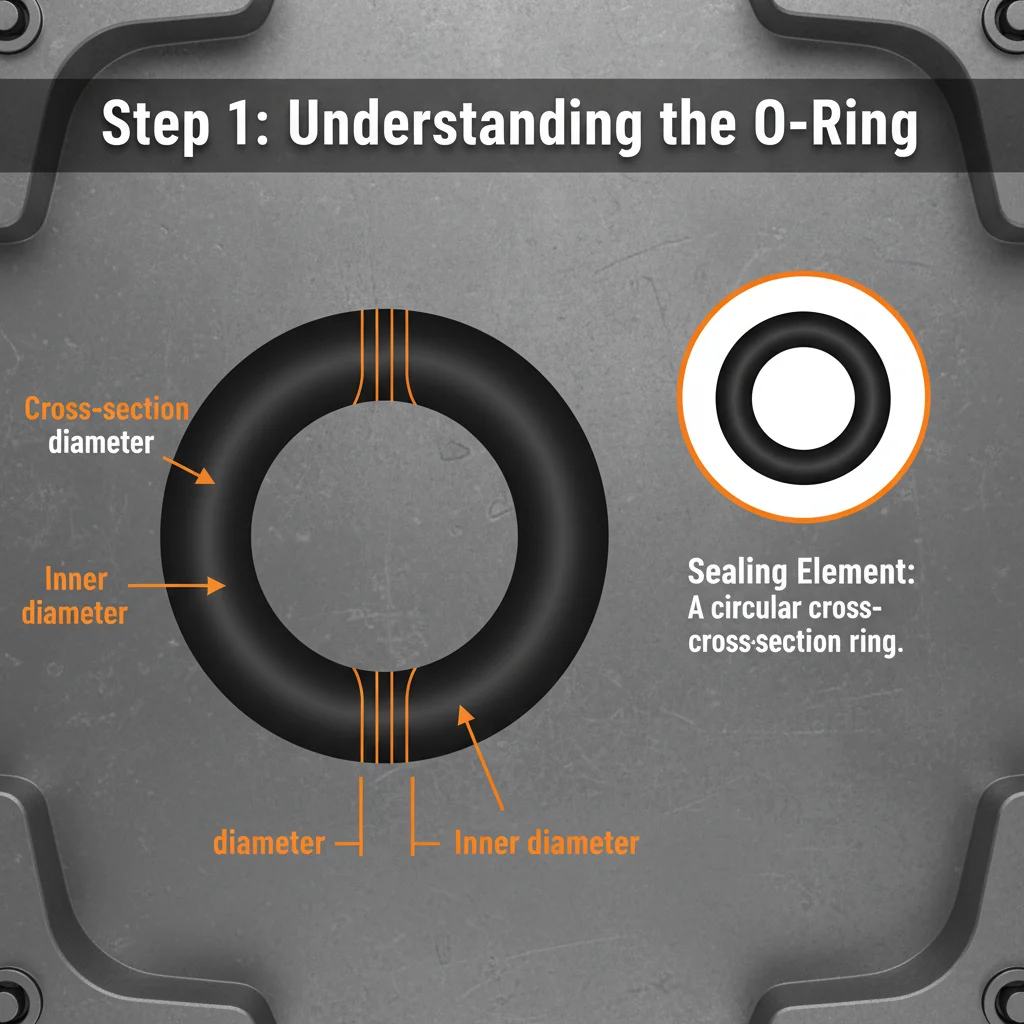
In the complex landscape of food processing and pharmaceutical packaging, the integrity of a seal can be the difference between a premium product and a costly recall. Food Grade Rubber Plugs serve as critical components in this ecosystem, providing airtight and liquid-tight closures that protect sensitive contents from contamination and oxidation. Understanding the nuances of these components is essential for engineers and procurement specialists who prioritize consumer safety and product shelf-life.
Globally, the demand for high-performance sealing solutions has surged as food safety regulations become more stringent. Whether it is for bottling, laboratory sampling, or industrial food transport, the reliance on materials that do not leach harmful chemicals is non-negotiable. By integrating advanced polymer science, modern Food Grade Rubber Plugs offer a balance of flexibility, chemical resistance, and biological inertness.
Exploring the technical specifications and application methods of these plugs allows businesses to optimize their production lines and reduce waste. From choosing the right elastomer to ensuring compliance with FDA and EU standards, the strategic implementation of these sealing solutions enhances operational efficiency and guarantees that the end consumer receives a pure, untainted product.
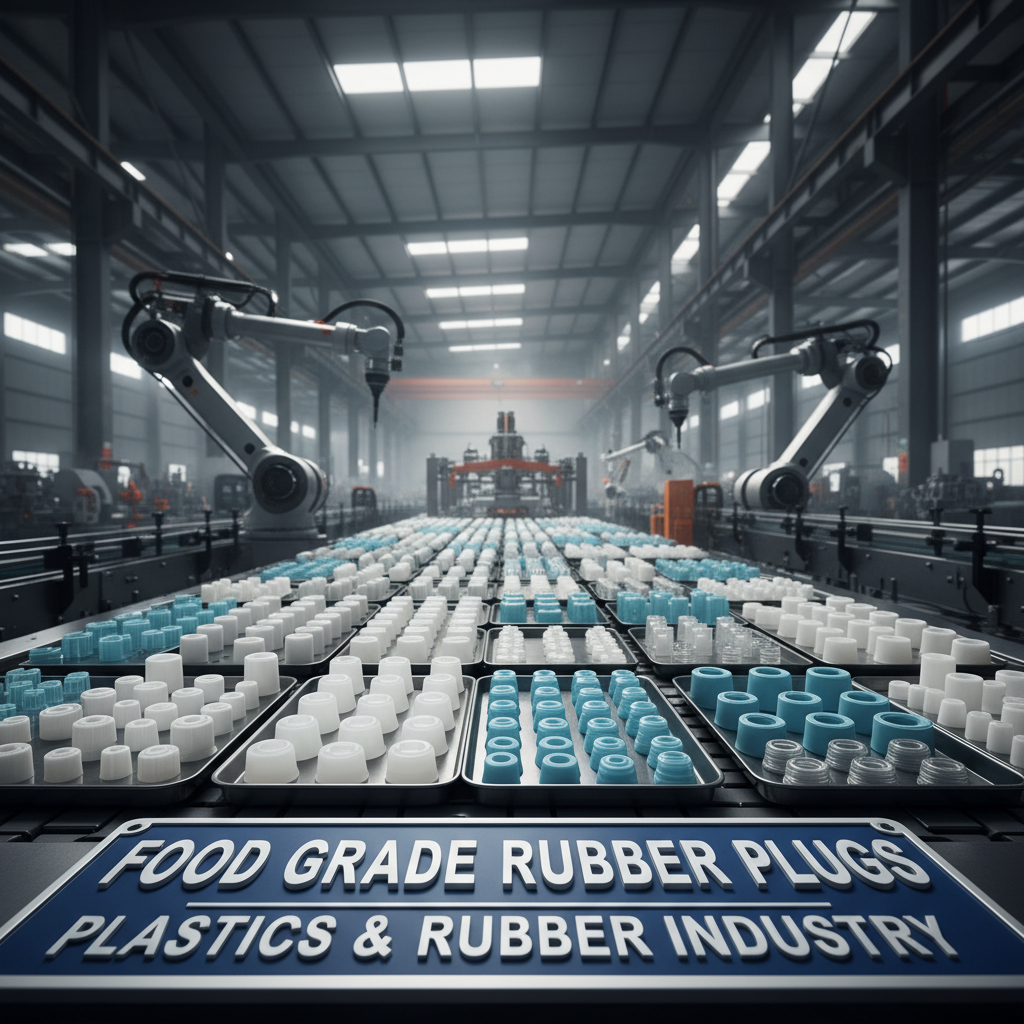
Global Industry Context of Food Grade Rubber Plugs
The global food and beverage industry operates under an unprecedented level of scrutiny, with ISO 22000 and HACCP guidelines dictating every stage of production. In this environment, the use of Food Grade Rubber Plugs is not merely a choice but a regulatory necessity to prevent cross-contamination. The challenge lies in the diverse nature of food contact—ranging from highly acidic citrus juices to volatile oils—requiring seals that can withstand extreme pH levels without degrading.
Statistically, contamination due to material failure in packaging accounts for a significant percentage of product recalls globally. By utilizing certified elastomers, manufacturers can mitigate the risk of phthalate or BPA migration. The global shift toward "clean label" products has further pushed the industry to adopt biocompatible sealing solutions that ensure the purity of organic and natural food lines.
Defining High-Performance Food Grade Rubber Plugs
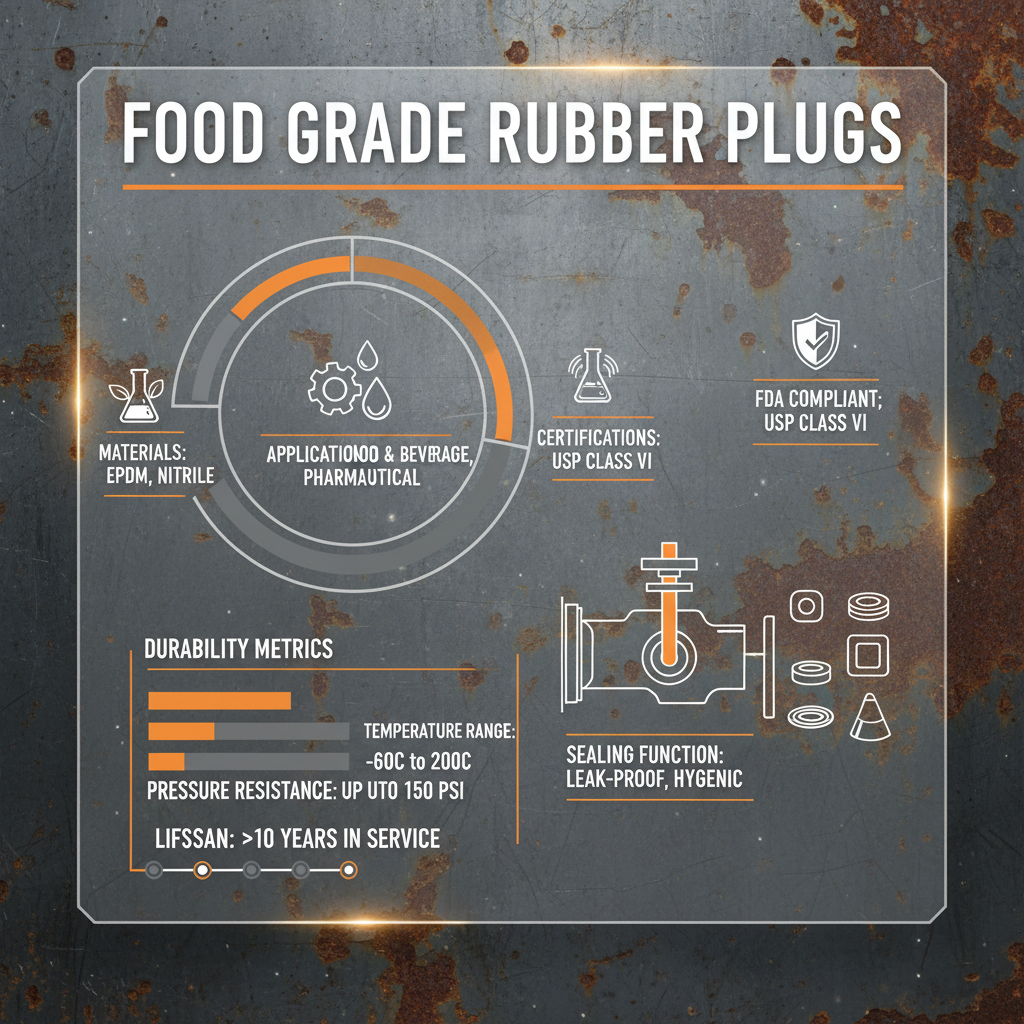
In simple terms, Food Grade Rubber Plugs are specialized closures made from elastomers—such as silicone, EPDM, or nitrile—that have been processed specifically to meet health and safety standards for food contact. Unlike industrial rubber, these plugs are formulated without toxic accelerators or fillers that could migrate into the food stream, ensuring that the taste, smell, and safety of the contents remain unchanged.
These components serve as the primary barrier between the product and the external environment. Their role extends beyond mere closure; they provide a vacuum-tight seal that prevents the ingress of oxygen and moisture, which are the primary catalysts for food spoilage. In modern humanitarian aid, for example, these plugs are vital for sealing emergency nutrient packets and medical-grade food supplements used in remote areas.
The connection to modern industry is found in the pursuit of "Zero Defect" manufacturing. By leveraging precision molding, these plugs provide a consistent fit that allows for automated bottling and capping processes, reducing human error and increasing the throughput of food production lines worldwide.
Core Components and Material Factors
Durability is the cornerstone of Food Grade Rubber Plugs. The material must withstand repeated sterilization cycles, such as autoclaving or gamma irradiation, without losing its elasticity or developing micro-cracks. This ensures that the seal remains intact throughout the entire lifecycle of the product, from the factory floor to the consumer's table.
Chemical Inertness is equally critical. Because Food Grade Rubber Plugs often contact fats, acids, and alcohols, they must be chemically stable. This prevents the "leaching" effect, where rubber additives migrate into the food, which could not only alter the flavor profile but also pose serious health risks to the end user.
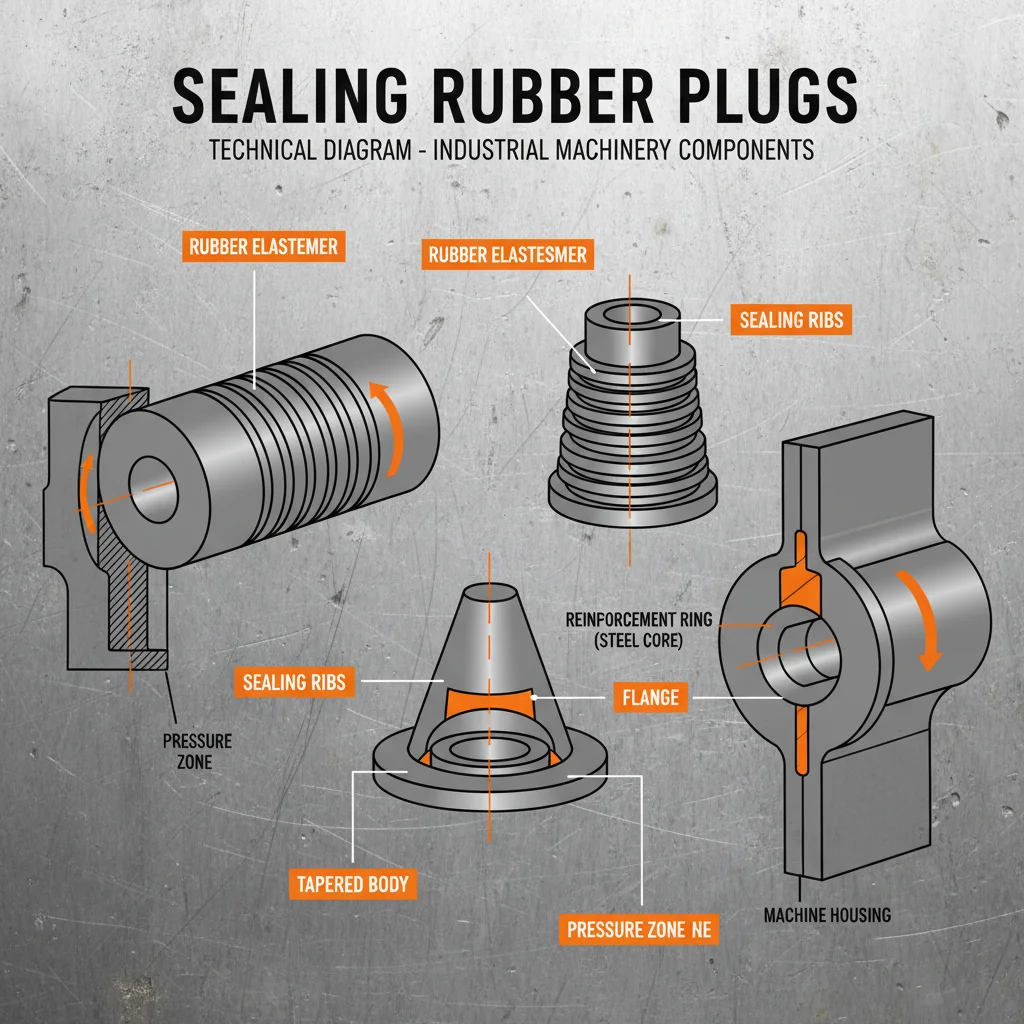
Scalability and Cost-Efficiency are achieved through advanced injection molding and compression molding techniques. By optimizing the geometry of the plug—such as incorporating tapered edges or reinforced ribs—manufacturers can create seals that are easier to insert and remove while using the minimum amount of raw material, thereby reducing the overall carbon footprint of the packaging.
Performance Metrics and Comparative Efficiency
When evaluating different sealing methods, engineers look at a combination of compression set, tensile strength, and compliance with FDA 21 CFR 177.2600. Food Grade Rubber Plugs made from platinum-cured silicone typically outperform peroxide-cured versions in terms of purity and transparency, although EPDM may be preferred for applications involving high heat and steam.
The following analysis compares various elastomer types used in the production of food-grade closures, focusing on their effectiveness across different food-contact scenarios.
Comparative Performance of Material Variants for Food Grade Rubber Plugs
Global Applications and Use Cases
In real-world contexts, Food Grade Rubber Plugs are indispensable across diverse sectors. In the dairy industry in Northern Europe, they are used to seal large-scale transport vats, preventing the entry of airborne bacteria during transit. Similarly, in the beverage industry in Southeast Asia, these plugs are used in the sampling ports of fermentation tanks to maintain anaerobic conditions essential for brewing.
Beyond industrial food production, these seals play a critical role in medical nutrition. In post-disaster relief operations, specialized liquid nutrient pouches rely on high-integrity rubber plugs to remain sterile while being transported through extreme temperatures and humidities in remote industrial zones or disaster-stricken regions, ensuring that life-saving nutrition reaches the vulnerable without contamination.
Long-Term Value and Sustainability Benefits
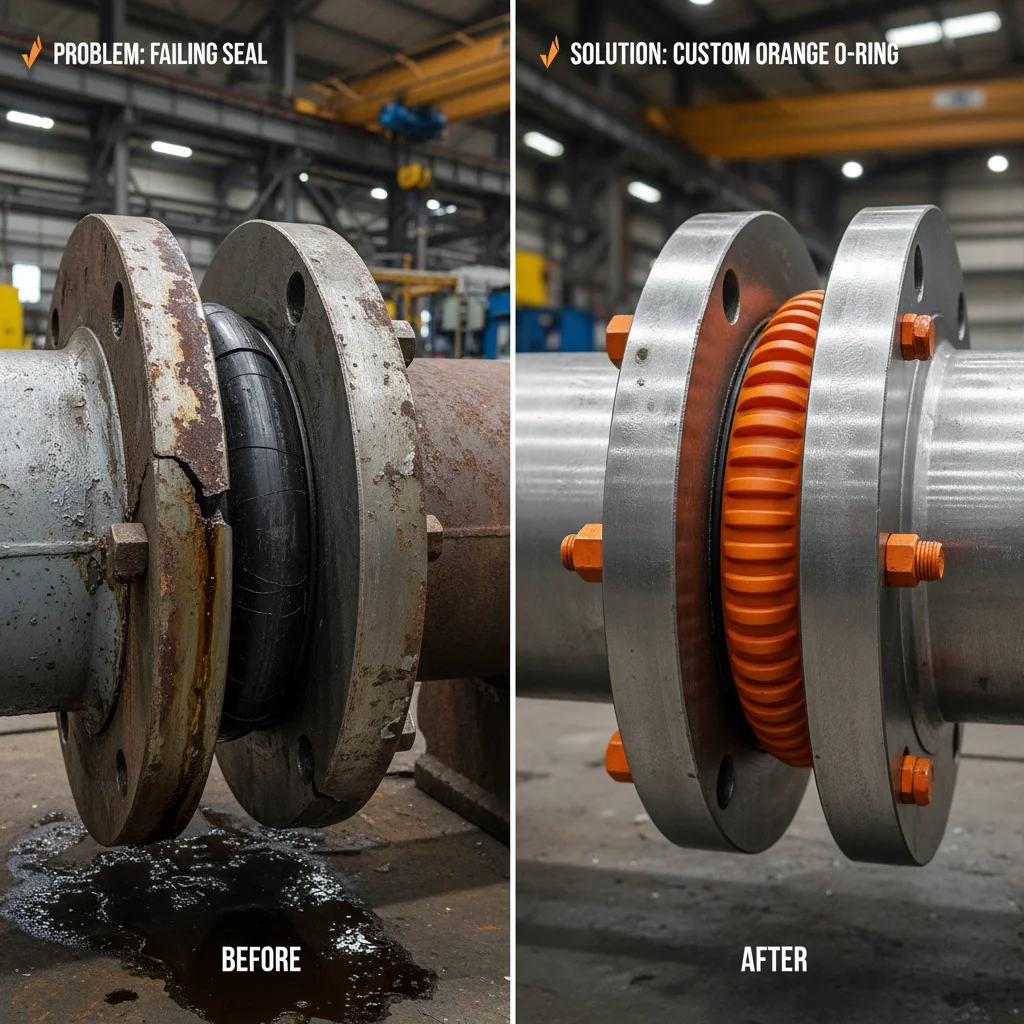
The long-term value of investing in premium Food Grade Rubber Plugs manifests in reduced product spoilage and lowered liability. While low-grade rubber might offer a lower initial cost, its propensity to degrade leads to leaked containers and wasted inventory. High-quality elastomers provide a logical advantage by extending the shelf-life of products, which directly translates to higher profitability and less food waste.
From an emotional and ethical standpoint, the use of certified food-grade materials is about trust and dignity. Consumers trust that the food they purchase is safe; providing a seal that prevents chemical migration is a commitment to public health. Innovation in this field allows brands to project an image of quality and reliability, fostering long-term customer loyalty.
Sustainability is also a key driver. Many modern rubber plugs are now being designed for recyclability or created from bio-based elastomers. By moving away from single-use plastics toward durable, reusable, or biodegradable food-grade rubber, companies can significantly reduce their plastic footprint while maintaining the highest safety standards.
Future Innovations and Regulatory Challenges
The future of Food Grade Rubber Plugs is being shaped by the digital transformation of the supply chain. We are seeing the emergence of "smart seals" that can integrate sensors to detect temperature shifts or pressure drops, alerting manufacturers to a seal failure before the product is compromised. This integration of IoT with material science represents a paradigm shift in food safety.
Furthermore, the push toward green energy is influencing how these plugs are manufactured. New carbon-neutral curing processes and the use of sustainably sourced raw materials are becoming industry standards. As global policies move toward a circular economy, the ability to reclaim and re-process food-grade elastomers will be a competitive advantage.
However, the industry faces the challenge of navigating fragmented global regulations. A plug that is FDA-compliant in the US may require different certifications for the Chinese or European markets. Overcoming this requires a standardized approach to material documentation and a commitment to the highest common denominator of safety.
Analysis of Material Performance for Food Grade Rubber Plugs Across Industry Standards
| Material Type |
FDA/EU Compliance |
Thermal Stability |
Cost-to-Life Ratio |
| Platinum Silicone |
Full Compliance |
Excellent (-60 to 230°C) |
High / Very Long |
| EPDM (Food Grade) |
Standard Compliance |
Good (-50 to 150°C) |
Medium / Long |
| NBR (FDA Grade) |
Limited Compliance |
Moderate (-30 to 100°C) |
Low / Short |
| FKM (Viton FDA) |
High Compliance |
Superior (-20 to 200°C) |
Very High / Extreme |
| TPE-S |
Partial Compliance |
Fair (-40 to 120°C) |
Very Low / Short |
| Natural Rubber (FG) |
Specific Compliance |
Poor (-30 to 80°C) |
Low / Moderate |
FAQS
The primary difference lies in the chemical formulation. Food grade rubber plugs are manufactured without harmful plasticizers, phthalates, or toxic accelerators. They must pass rigorous migration tests to ensure that no chemical components transfer from the rubber into the food product, whereas industrial plugs are designed only for mechanical seals and may contain additives that are unsafe for ingestion.
Verification requires a Certificate of Compliance (CoC) from the manufacturer. You should look for specific mentions of FDA 21 CFR 177.2600 for rubber articles intended for repeated use. A reputable supplier will provide detailed material safety data sheets (MSDS) and third-party lab test results verifying that the elastomer meets these stringent safety standards.
It depends on the material. Silicone and FKM food grade plugs are excellent for autoclaving as they can withstand high pressure and temperature without warping. EPDM is also generally suitable. However, NBR or natural rubber may degrade or lose their sealing properties if exposed to repeated steam sterilization cycles. Always check the thermal limit of your specific material.
For highly acidic environments (like citrus or vinegars), platinum-cured silicone or FKM (Viton) are the best choices. These materials exhibit superior chemical inertness and are less likely to swell or degrade when exposed to low pH levels. EPDM is also a strong contender for acidic applications but may be less effective if the product also contains high oil concentrations.
Replacement schedules depend on the frequency of use and the aggressiveness of the cleaning agents used. We recommend a periodic inspection for signs of "compression set" (where the plug no longer bounces back) or surface cracking. In high-throughput industrial lines, a scheduled replacement every 6-12 months is common to prevent catastrophic seal failure.
Yes, when choosing durable materials like silicone, the long life cycle reduces the volume of waste compared to single-use plastic caps. While the initial cost is higher, the reduction in product loss due to contamination and the lower replacement frequency make them highly cost-effective. Many manufacturers are also introducing bio-based elastomers to further improve the environmental footprint.
Conclusion
The strategic selection and implementation of Food Grade Rubber Plugs are fundamental to maintaining the safety, purity, and quality of food and pharmaceutical products. By balancing material science—such as the choice between silicone and EPDM—with strict adherence to global regulatory standards, manufacturers can effectively eliminate contamination risks and extend product shelf-life. From ensuring the integrity of a vacuum seal to resisting the harsh chemicals of industrial sterilization, these small components carry a massive responsibility in the global food supply chain.
Looking forward, the industry is moving toward a future of smarter, more sustainable sealing solutions. The integration of biocompatible, bio-based materials and the adoption of IoT-enabled monitoring will further redefine what "safety" means in food packaging. For businesses aiming to lead in quality and compliance, investing in high-performance, certified sealing solutions is not just a technical requirement but a competitive advantage that builds enduring consumer trust. Visit our website for more professional sealing solutions: www.beikesealing.com