
Sealing Rubber Plugs are critical components in countless industrial and commercial applications, providing reliable barriers against fluids, gases, and contaminants. Their ability to maintain airtight and watertight seals is fundamental to the efficient and safe operation of machinery, equipment, and processes across a diverse range of sectors. Understanding the nuances of these seemingly simple parts – from material selection to precise dimensional control – is paramount for engineers, designers, and procurement professionals alike.
The global demand for sealing solutions, and specifically Sealing Rubber Plugs, is driven by the continuous growth of manufacturing, automotive, aerospace, and healthcare industries. Increased emphasis on energy efficiency, environmental protection, and safety regulations further fuels this demand. The ability to customize these plugs to meet specific application requirements is becoming increasingly vital, leading to sophisticated manufacturing techniques and material innovations.
From preventing leakage in hydraulic systems to ensuring sterility in medical devices, Sealing Rubber Plugs play an essential role in modern infrastructure. They are often the unsung heroes, quietly maintaining the integrity of systems that we rely on daily. Their versatility and cost-effectiveness make them an indispensable part of countless products and processes.
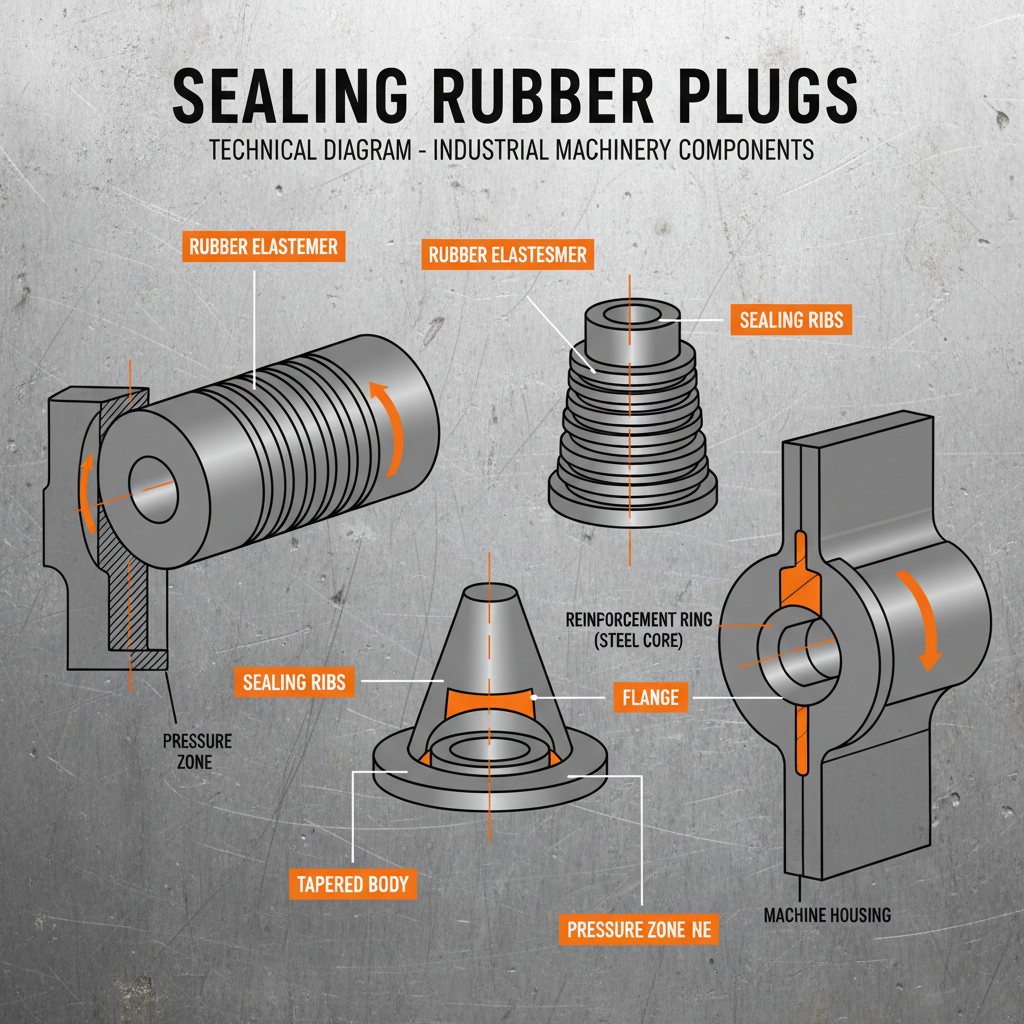
The Core Principles of Sealing Rubber Plugs
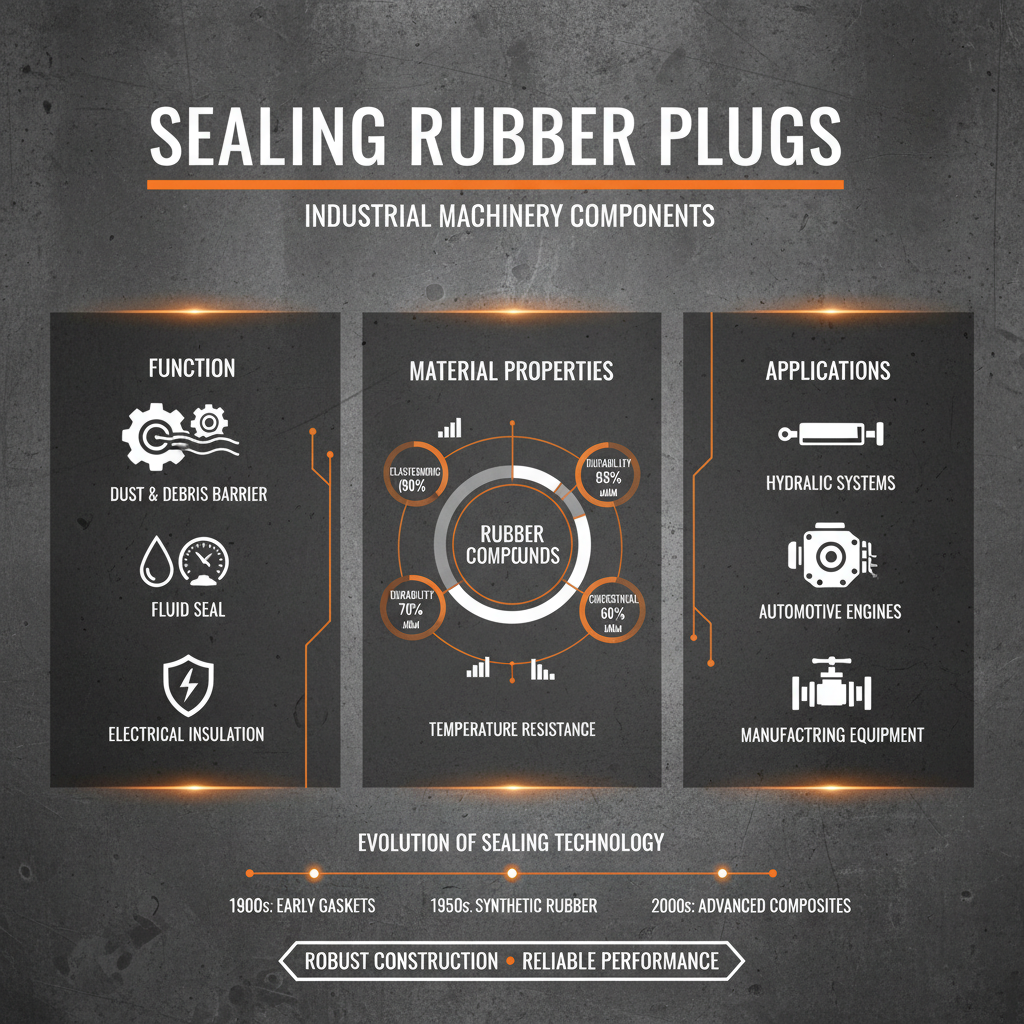
The fundamental principle behind any effective sealing solution is the creation of a complete barrier to prevent the passage of substances. Sealing Rubber Plugs achieve this through a combination of material properties, precise manufacturing, and proper installation. The rubber material must be compressible enough to conform to the sealing surface, yet resilient enough to maintain a consistent seal over time and under varying conditions.
Crucially, the surface finish of both the plug and the mating component plays a vital role. Any imperfections can create leak paths, compromising the integrity of the seal. Selecting the correct rubber compound, considering factors like temperature, pressure, and chemical compatibility, is equally important for long-term reliability.
FAQS
The lifespan of a Sealing Rubber Plug varies greatly depending on the application, operating conditions, and material selection. Factors like temperature, pressure, chemical exposure, and mechanical stress all contribute to degradation. However, with proper material selection and installation, a well-maintained plug can last for several years, often exceeding 5 years in less demanding environments. Regular inspection is crucial for identifying signs of wear and tear.
For high-temperature applications, silicone rubber and fluorocarbon (Viton) are generally the best choices. Silicone rubber can withstand temperatures up to 200°C (392°F) and retains its elasticity over a wide temperature range. Viton offers even greater temperature resistance, up to 250°C (482°F), and is also highly resistant to chemicals and oils. However, Viton is typically more expensive than silicone.
Durometer, or hardness, is measured on the Shore scale (A or D). Lower durometer values indicate softer materials, while higher values indicate harder materials. For applications requiring a tight seal against irregular surfaces, a softer material (lower durometer) is often preferred. For applications involving high pressure or abrasion, a harder material (higher durometer) is more suitable. Consider the sealing surface finish and the degree of compression required when selecting durometer.
Standard rubber materials can degrade with prolonged exposure to ultraviolet (UV) radiation, causing cracking and loss of elasticity. However, specialized rubber compounds containing UV stabilizers can significantly improve resistance. EPDM rubber inherently offers better UV resistance than other materials like nitrile. For outdoor applications, selecting a UV-resistant compound is highly recommended.
Compression set is a measure of a rubber material’s ability to return to its original shape after being subjected to prolonged compression. A high compression set indicates permanent deformation, which can lead to leakage and reduced sealing performance. Selecting a rubber material with a low compression set is crucial for applications requiring long-term sealing reliability, especially in high-pressure or high-temperature environments.
Whether a Sealing Rubber Plug can be used with corrosive chemicals depends entirely on the rubber compound. Nitrile rubber offers good resistance to oils and fuels, while Viton provides excellent resistance to a wide range of chemicals, including acids, solvents, and fuels. EPDM is resistant to water, steam, and many chemicals but is not suitable for use with oils. Always consult a chemical compatibility chart to ensure the selected material is appropriate for the specific chemical exposure.
Conclusion
Sealing Rubber Plugs are indispensable components in a wide array of industries, providing reliable and cost-effective sealing solutions. From maintaining the integrity of automotive systems to ensuring the safety of medical devices, their versatility and performance are critical to modern infrastructure and technological advancements. Understanding the core principles of material selection, design, and application is essential for maximizing their effectiveness.
Looking ahead, innovations in materials science, additive manufacturing, and smart sensor technology promise to further enhance the performance and functionality of these essential components. Prioritizing sustainability, chemical resistance, and long-term durability will be key to meeting the evolving demands of industries worldwide. Visit our website at www.beikesealing.com to explore our comprehensive range of custom rubber solutions.
Related Posts
-
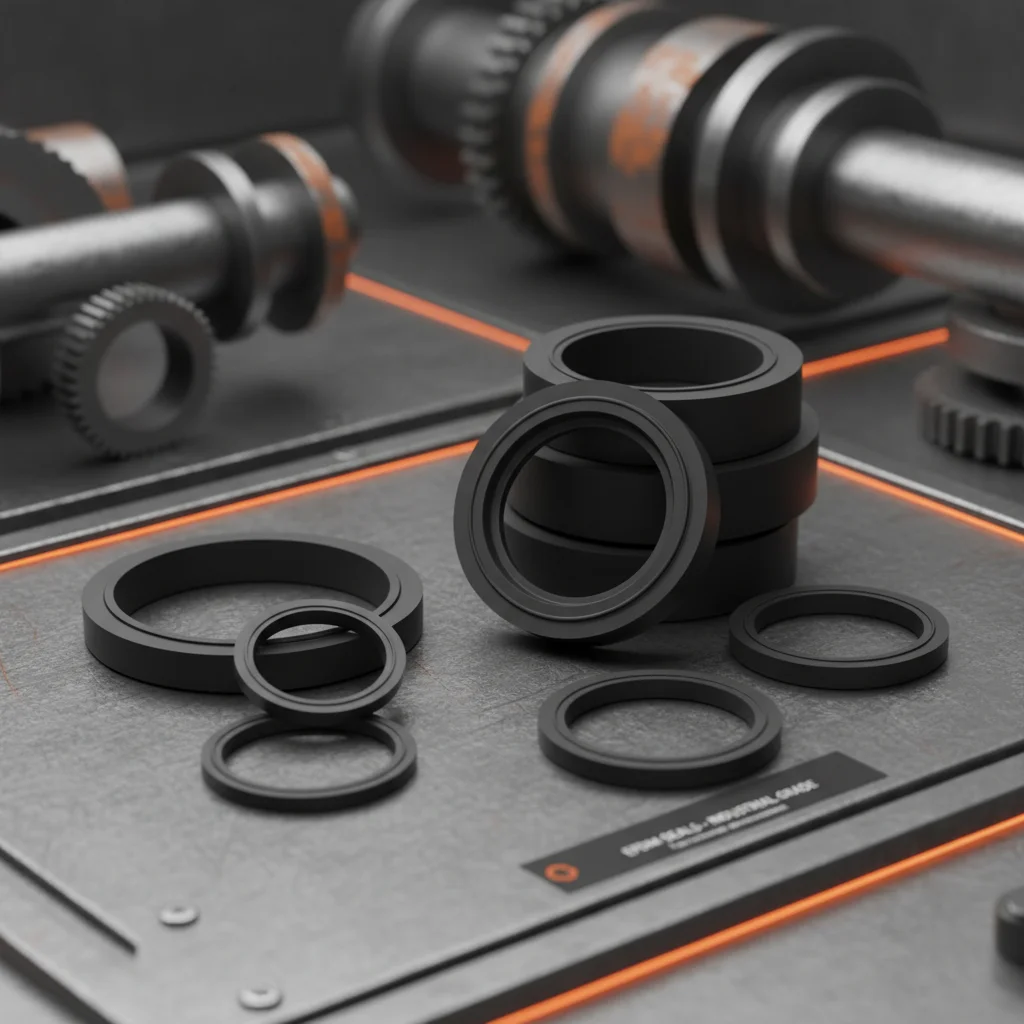
EPDM Sealing Rings Superior Performance Engineered for Reliability
-
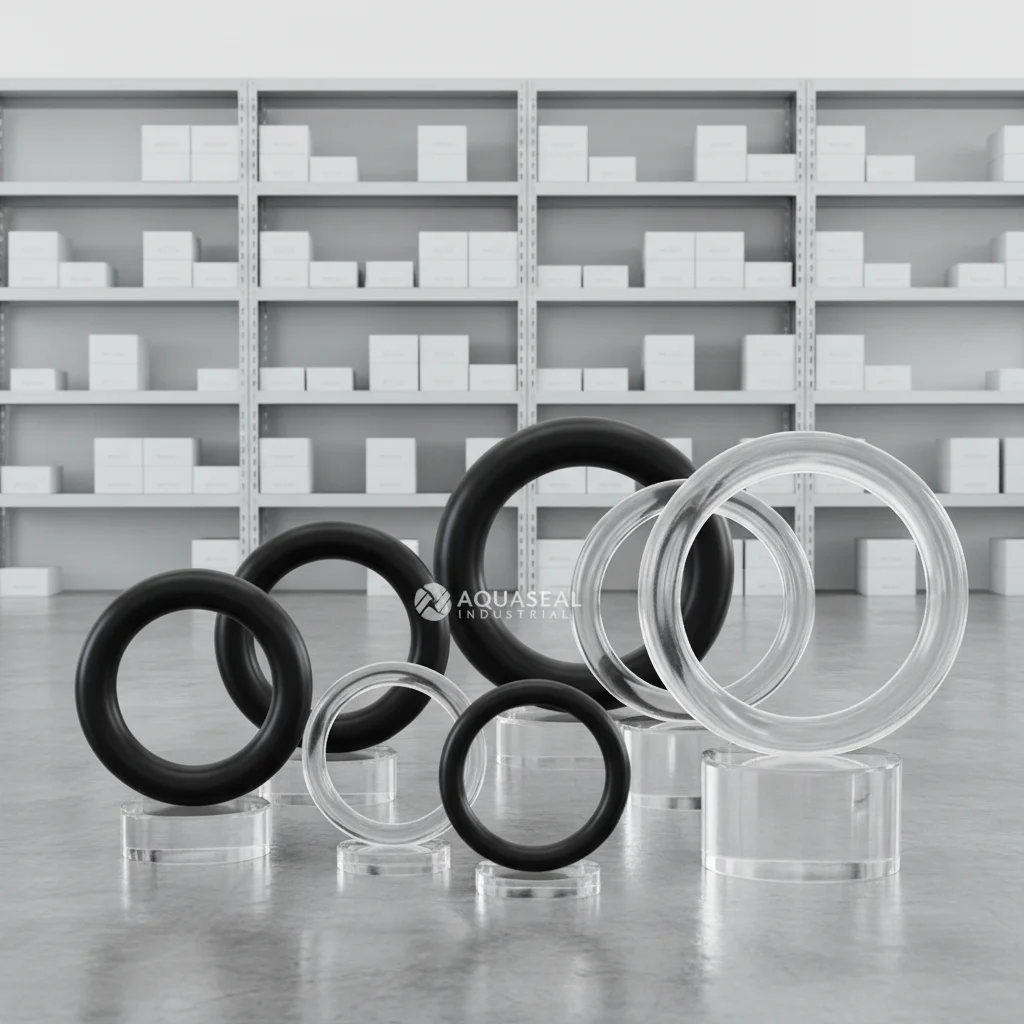
Essential Guide to Waterproof ORings Applications and Future Trends
-
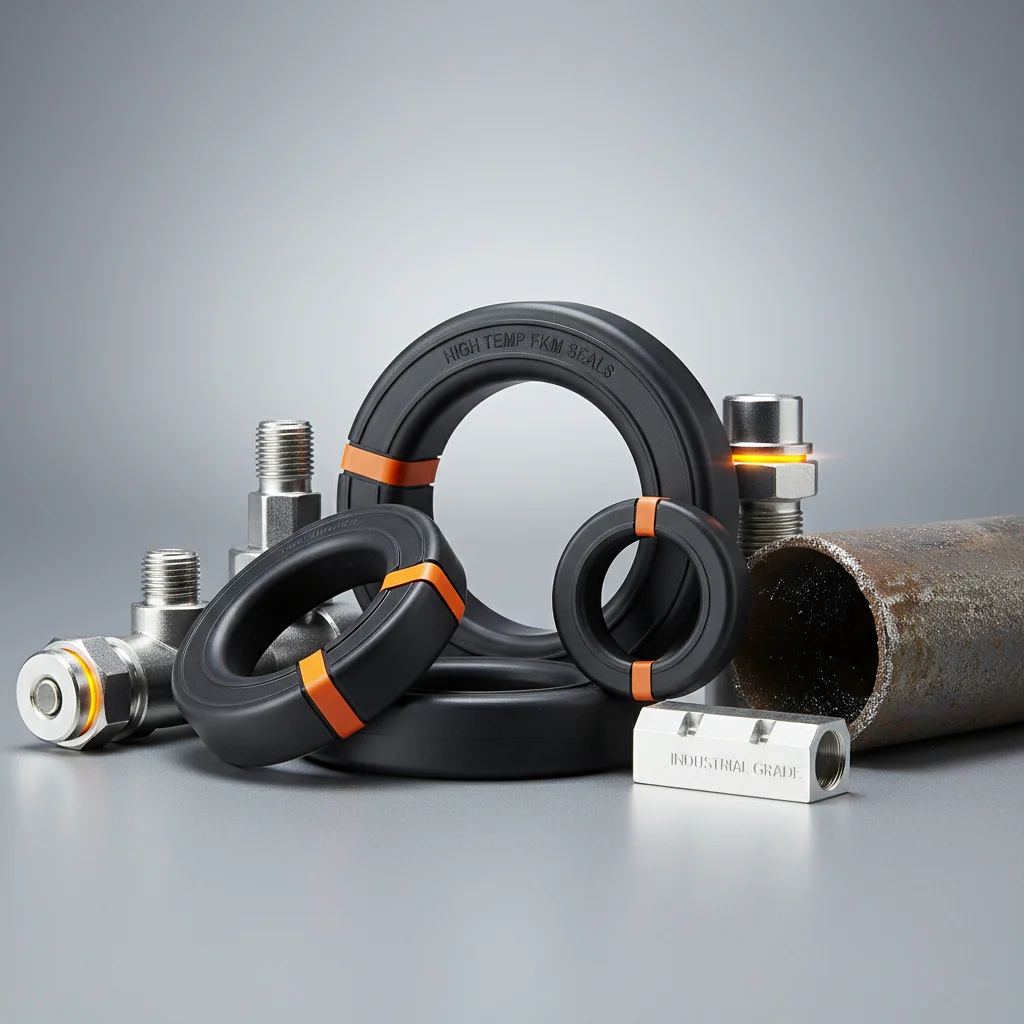
High Temp FKM Sealing Rings for Extreme Environments and Industrial Applications
-
China Top Customized Seals Company at Asia Pacific International Plastic and Rubber Industry Exhibition


