Waterproof O-Rings are critical components in a vast array of industries, ensuring leak-proof seals in everything from automotive engines to medical devices. Their ability to maintain integrity under pressure and in harsh environments makes them indispensable for reliable operation. Understanding the nuances of these seemingly simple components is essential for engineers, designers, and maintenance professionals alike, impacting efficiency, safety, and longevity of countless applications.
The global demand for waterproof O-rings is driven by the expanding manufacturing sector, coupled with increasing stringent safety regulations. According to a report by Grand View Research, the global O-ring market was valued at USD 3.87 billion in 2022 and is expected to grow at a compound annual growth rate (CAGR) of 4.5% from 2023 to 2030. This growth highlights the vital role these seals play in modern industry.
A significant challenge facing many industries is preventing fluid leakage, particularly in high-pressure or corrosive environments. Waterproof O-Rings directly address this issue by providing a consistent and reliable barrier, minimizing downtime, reducing environmental impact, and enhancing overall system performance. Proper selection and implementation of these seals can lead to substantial cost savings and increased operational efficiency.
Introduction to Waterproof O-Rings
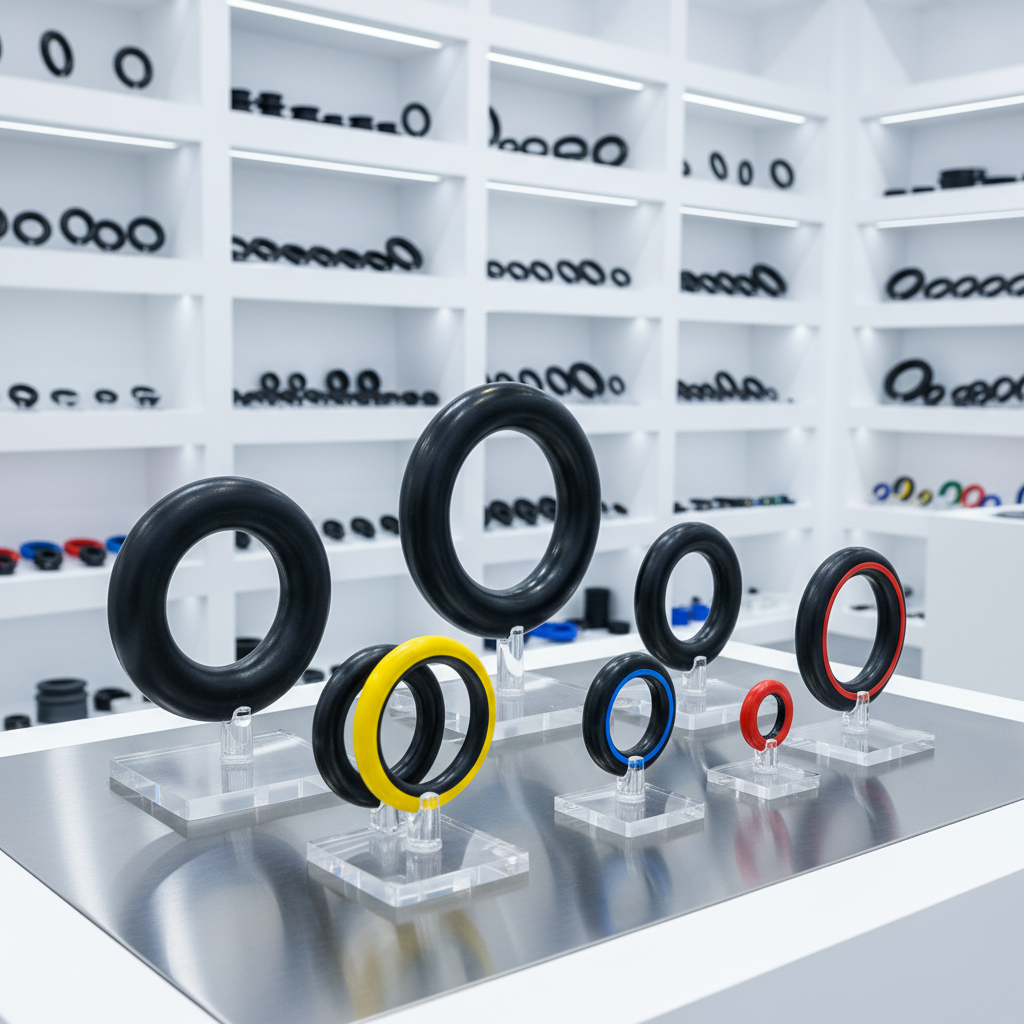
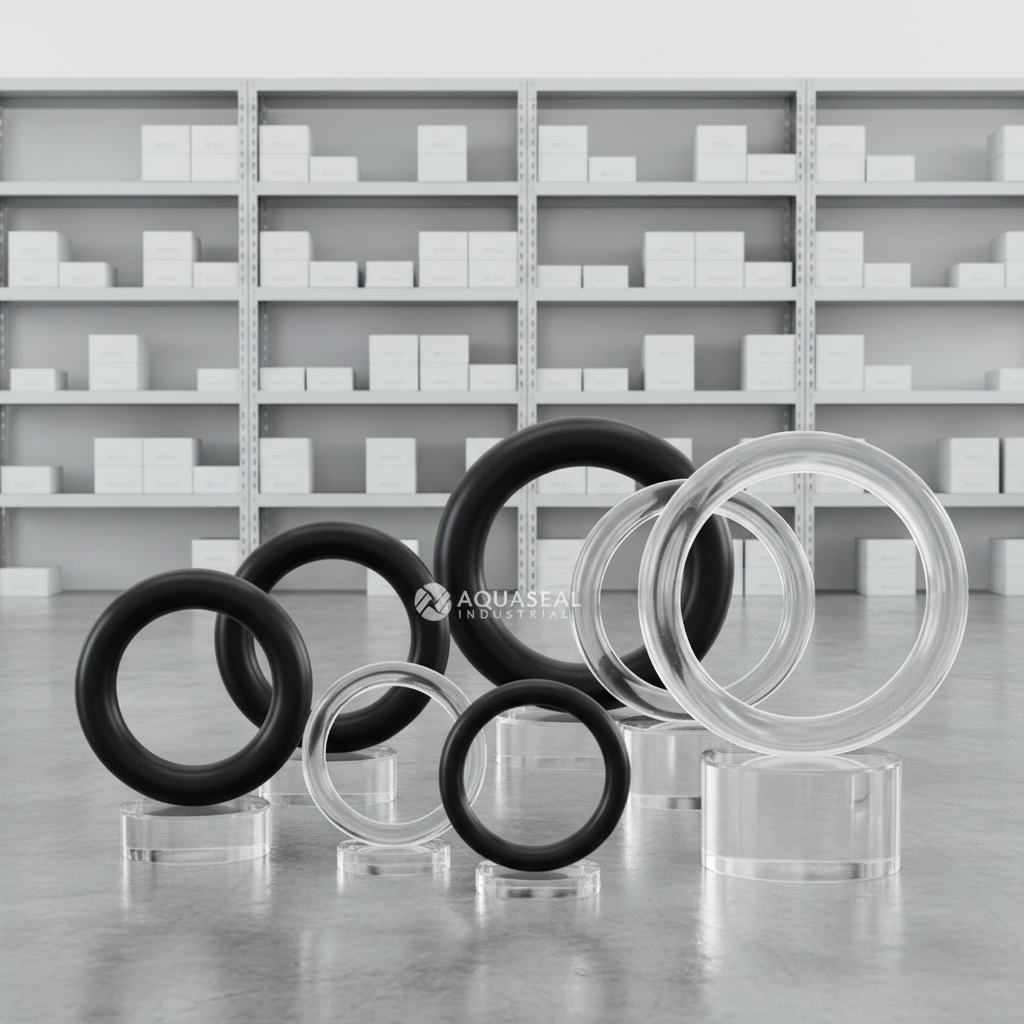
Waterproof O-Rings are sealing mechanisms used to prevent leakage of fluids or gases in a wide variety of dynamic or static applications. Their widespread adoption stems from their simplicity, cost-effectiveness, and versatility. These rings are typically made from elastomeric materials, chosen for their flexibility and resistance to various chemicals and temperatures.
The effectiveness of a Waterproof O-Ring relies on compression between mating surfaces. This compression creates a tight seal, effectively blocking the passage of fluids. The appropriate selection of material, size, and durometer (hardness) is crucial to ensure optimal performance and longevity in the intended application.
Defining Waterproof O-Rings
A Waterproof O-Ring is a toroidal-shaped seal, meaning it has a circular cross-section. The term "waterproof" highlights its primary function: to prevent the ingress of water, but the seal's capabilities extend far beyond just water, encompassing a broad range of liquids and gases. They are generally preferred over other sealing solutions because of their ability to perform effectively within varying temperature and pressure conditions.
These seals are particularly important in applications where maintaining a closed system is critical, such as hydraulic systems, pneumatic systems, and fluid transfer lines. The reliability of Waterproof O-Rings is vital to the safe and efficient operation of equipment across diverse industries, impacting everything from aerospace to food processing.
The simple design belies their complex function. A properly installed and chosen Waterproof O-Ring prevents contamination, maintains pressure, and ensures the efficient functioning of critical systems, making them an essential component in modern technology.
Key Material Properties of Waterproof O-Rings
The performance of Waterproof O-Rings is heavily influenced by the material from which they are constructed. Common materials include Nitrile (NBR), Viton (FKM), Silicone (VMQ), Ethylene Propylene Diene Monomer (EPDM), and Polyurethane (PU). Each material offers a unique combination of properties, making them suitable for specific applications.
Nitrile, for example, is known for its excellent resistance to oil and fuels, making it ideal for automotive applications. Viton offers superior resistance to high temperatures and harsh chemicals, commonly used in aerospace and chemical processing. Silicone provides flexibility at extreme temperatures and is often found in food and medical applications. Understanding these material characteristics is crucial for selecting the optimal Waterproof O-Ring for a given environment.
Beyond chemical compatibility and temperature resistance, other important material properties include durometer (hardness), tensile strength, and elongation at break. Durometer affects the seal's ability to conform to mating surfaces, while tensile strength and elongation determine its resistance to tearing and deformation.
Factors Influencing Waterproof O-Ring Performance
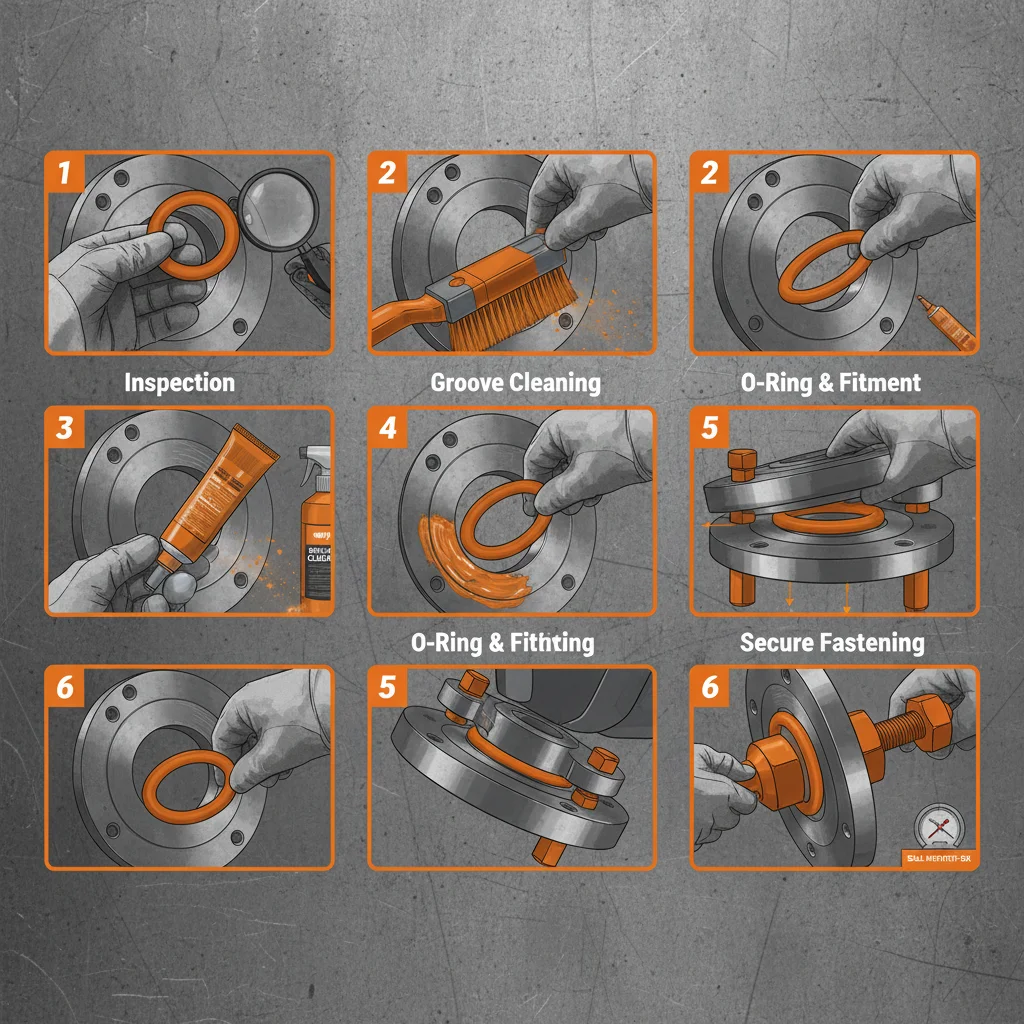
Several factors can significantly impact the performance and lifespan of Waterproof O-Rings. Proper installation is paramount, ensuring the O-Ring is correctly seated and not twisted or damaged during the process. Incorrect gland design, surface finish of mating components, and excessive compression can all lead to premature failure.
Environmental conditions also play a crucial role. Exposure to incompatible chemicals, extreme temperatures, and UV radiation can degrade the material and compromise the seal’s integrity. Regular inspection and preventative maintenance are essential to identify and address potential issues before they lead to leakage or system failure.
Waterproof O-Ring Failure Rate by Contributing Factor
Global Applications of Waterproof O-Rings
Waterproof O-Rings find applications in virtually every industry. In the automotive sector, they seal fuel injectors, transmissions, and engine components. The aerospace industry relies on them in hydraulic systems, fuel systems, and landing gear. Medical devices utilize these seals in pumps, valves, and diagnostic equipment.
In post-disaster relief operations, Waterproof O-Rings are essential in water purification systems and portable shelters. In remote industrial zones, their reliability is critical for maintaining the operation of critical infrastructure. The food and beverage industry utilizes them in processing equipment to maintain hygiene and prevent contamination.
Advantages of Utilizing Waterproof O-Rings
The benefits of employing Waterproof O-Rings are numerous. Their low cost makes them an economical sealing solution compared to alternatives like gaskets or metal seals. Their simplicity in design facilitates easy installation and maintenance. Their versatility in material selection allows for adaptation to a broad spectrum of operating conditions.
Furthermore, the reliability of Waterproof O-Rings enhances safety by preventing leaks of hazardous fluids. The reduction in downtime resulting from fewer seal failures translates to significant cost savings and increased productivity. Ultimately, they contribute to the overall efficiency and longevity of the systems in which they are employed.
The use of high-quality Waterproof O-Rings also increases customer trust in the performance and reliability of a product or system, fostering brand loyalty and positive reputation.
Future Trends in Waterproof O-Ring Technology
Ongoing research and development efforts are focused on creating more advanced Waterproof O-Rings with improved performance characteristics. This includes the exploration of new materials, such as fluorosilicone and perfluoroelastomers, that offer enhanced resistance to extreme temperatures and aggressive chemicals.
Advances in nanotechnology are being leveraged to develop coatings that improve wear resistance and reduce friction. Furthermore, digital transformation is enabling the integration of sensors into O-Rings to monitor their condition and predict potential failures, paving the way for predictive maintenance strategies.
The increasing emphasis on sustainability is driving demand for bio-based and recyclable O-Ring materials, minimizing environmental impact and promoting a circular economy.
Challenges & Solutions in Waterproof O-Ring Implementation
One of the primary challenges in implementing Waterproof O-Rings is selecting the correct material for the specific application. Mismatched materials can lead to swelling, degradation, or loss of sealing properties. A comprehensive understanding of chemical compatibility and operating conditions is vital.
Another common issue is improper installation, which can result in pinching, twisting, or damage to the O-Ring. Training personnel on proper installation techniques and utilizing specialized tools can mitigate this risk. Furthermore, gland design flaws can compromise the seal’s performance.
Solutions involve leveraging advanced modeling and simulation tools to optimize gland designs and material selection. Implementing robust quality control procedures, including dimensional inspection and material testing, ensures that only high-quality Waterproof O-Rings are used.
Summary of Key Waterproof O-Ring Challenges and Solutions
| Challenge |
Impact on Performance |
Recommended Solution |
Cost of Implementation |
| Incorrect Material Selection |
Swelling, Degradation, Leakage |
Detailed Chemical Compatibility Analysis |
Low |
| Improper Installation |
Pinching, Twisting, Damage |
Personnel Training, Specialized Tools |
Medium |
| Poor Gland Design |
Uneven Compression, Premature Failure |
Simulation and Optimization of Design |
High |
| Surface Finish Issues |
Increased Friction, Accelerated Wear |
Surface Treatment and Polishing |
Medium |
| Temperature Extremes |
Material Hardening or Softening |
Material Selection for Specific Range |
Low to Medium |
| Chemical Exposure |
Material Degradation, Loss of Elasticity |
Chemically Resistant Material Selection |
Low to High |
FAQS
The most common materials include Nitrile (NBR), Viton (FKM), Silicone (VMQ), and EPDM. NBR is excellent for oil resistance, Viton for high temperatures and chemicals, Silicone for flexibility in extreme temperatures, and EPDM for water and weathering resistance. The best choice depends heavily on the specific application and the fluids or gases the O-Ring will encounter. Choosing the right material is critical for long-term seal integrity.
Determining the correct size involves measuring the O-Ring groove dimensions, including the inner diameter (ID) and cross-section (thickness). It's crucial to account for gland fill, which is the percentage of the groove occupied by the O-Ring when compressed. A typical gland fill ranges from 80% to 90%. Using an undersized O-Ring can lead to insufficient sealing, while an oversized one can cause excessive friction and premature failure.
Durometer measures the hardness of the O-Ring material. A lower durometer indicates a softer, more flexible O-Ring, which is better suited for dynamic applications or low-pressure seals. A higher durometer represents a harder, more rigid O-Ring, ideal for static applications or high-pressure seals. Selecting the appropriate durometer is vital for achieving an optimal seal and preventing premature wear or extrusion.
Extending lifespan involves proper material selection, correct installation, and regular maintenance. Avoid exposure to incompatible chemicals and extreme temperatures. Ensure the mating surfaces are clean and smooth. Lubricate the O-Ring during installation to reduce friction. Inspect O-Rings periodically for signs of wear, swelling, or damage, and replace them as needed. Proper storage is also key – keep them away from direct sunlight and heat.
Gland design refers to the shape and dimensions of the groove that houses the O-Ring. A well-designed gland ensures proper compression, prevents extrusion, and distributes pressure evenly across the O-Ring. Poor gland design can lead to premature failure. Key considerations include groove width, depth, and surface finish. Proper gland design is arguably as important as material selection.
Yes, there’s increasing development in bio-based and recyclable O-Ring materials. Some manufacturers are exploring the use of plant-derived polymers and biodegradable elastomers. While these options may not always match the performance characteristics of traditional materials, they offer a more sustainable solution. Choosing materials with lower environmental impact is becoming increasingly important for many industries.
Conclusion
Waterproof O-Rings are unassuming yet critical components that underpin the reliable operation of countless systems across diverse industries. Their effectiveness relies on a nuanced understanding of material properties, proper installation techniques, and meticulous attention to environmental factors. By embracing advancements in materials science and optimizing design parameters, we can continue to enhance their performance and extend their lifespan.
Looking ahead, the future of Waterproof O-Rings lies in sustainability, smart technologies, and predictive maintenance. Investing in research and development of eco-friendly materials, integrating sensors for real-time monitoring, and implementing data-driven maintenance strategies will further solidify their role as essential sealing solutions for years to come. Visit our website at Waterproof O-Rings to learn more and explore our comprehensive product range.