High Temperature O-Rings are critical sealing components engineered to maintain performance in extreme thermal environments, far exceeding the capabilities of standard elastomers. Their importance stems from a growing demand across numerous industries for reliable seals in applications involving elevated temperatures, aggressive chemicals, and high pressures. The ability to withstand these conditions is paramount to operational safety, efficiency, and longevity of equipment, driving innovation and a specialized market for these crucial parts.
Globally, the demand for High Temperature O-Rings is intricately linked to the expansion of industries like aerospace, oil and gas, automotive (specifically electric vehicle thermal management systems), and semiconductor manufacturing. According to recent reports, the global sealing market is projected to reach \$85.7 billion by 2028, with high-performance sealing solutions, including high-temperature varieties, experiencing the most significant growth. This is fueled by increasing regulations concerning emissions control and energy efficiency, as well as the pursuit of enhanced operational reliability.
The escalating need for durable and reliable seals in challenging conditions presents a considerable challenge for engineers and manufacturers. Traditional materials often degrade rapidly at high temperatures, leading to leaks, system failures, and costly downtime. High Temperature O-Rings provide a solution by utilizing specialized materials and designs that maintain sealing integrity even under extreme stress, directly addressing this critical industry need.
Defining High Temperature O-Rings and Their Significance
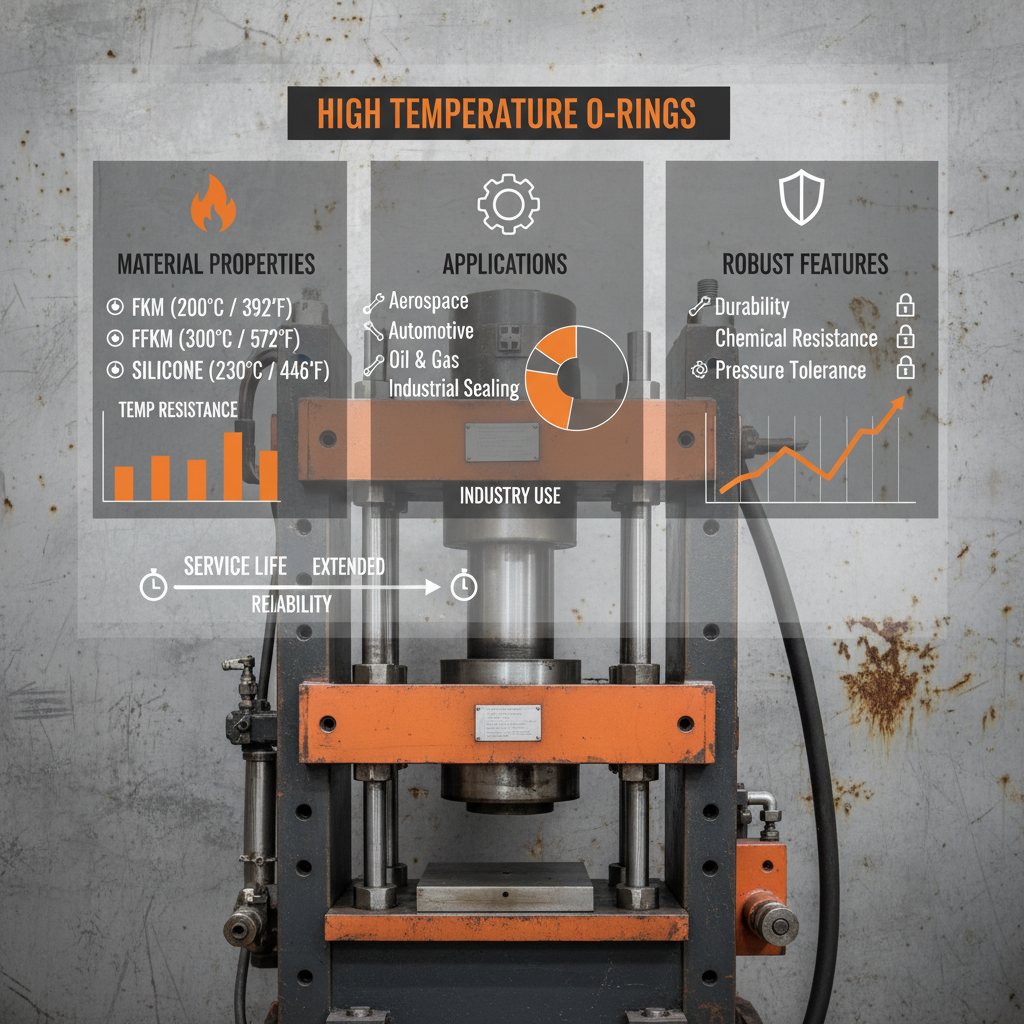
High Temperature O-Rings are precision sealing elements designed to perform reliably in environments where conventional elastomers fail. Unlike standard O-Rings made from materials like Nitrile or Viton®, these specialized seals utilize compounds like FFKM (Perfluoroelastomer), Silicone, and Aflas® to maintain their physical properties – elasticity, shape memory, and sealing force – at elevated temperatures, often exceeding 200°C (392°F) and sometimes reaching upwards of 300°C (572°F).
Their significance extends beyond simply preventing leakage. They are crucial for maintaining the integrity of critical systems in industries where failure can have severe consequences, from aerospace engine operation to oil and gas exploration. The continuous advancement in materials science has driven improvements in High Temperature O-Ring performance, making them indispensable for modern industrial applications.
Global Relevance and Industrial Context
The global demand for High Temperature O-Rings is profoundly impacted by several key sectors. The aerospace industry is a major driver, demanding seals for jet engines, hydraulic systems, and fuel systems where extreme temperatures and pressures are commonplace. The automotive industry, particularly with the rise of electric vehicles (EVs), requires these O-Rings for battery thermal management systems and other high-temperature components. Similarly, the oil and gas industry utilizes them extensively in downhole drilling equipment, pipelines, and refinery processes.
According to a report by MarketsandMarkets, the global O-ring market is anticipated to grow from USD 3.9 billion in 2023 to USD 5.1 billion by 2028, at a CAGR of 6.8%. Within this growth, high-performance O-Rings, including high-temperature variants, represent a significant and rapidly expanding segment. This trend is further emphasized by stricter environmental regulations regarding fugitive emissions, pushing industries to adopt more reliable and durable sealing solutions.
Geographically, North America and Europe currently hold the largest market share due to their well-established aerospace, automotive, and industrial sectors. However, Asia-Pacific is expected to exhibit the highest growth rate, driven by rapid industrialization and increasing manufacturing activities in countries like China and India. The increased investment in renewable energy sources also contributes to the demand for specialized sealing solutions capable of withstanding the rigors of these systems.
Understanding the Core Composition of High Temperature O-Rings
The effectiveness of High Temperature O-Rings lies in their specialized material composition. Unlike conventional nitrile or Viton® O-Rings, these seals utilize elastomers designed for thermal stability. FFKM (Perfluoroelastomer) stands out as a leading material, offering exceptional resistance to a broad range of chemicals and temperatures up to 327°C (621°F). Silicone O-Rings provide good temperature resistance, typically up to 232°C (450°F), and are often used in food and pharmaceutical applications due to their biocompatibility.
Aflas® (FEPM) is another important material, bridging the gap between Viton® and FFKM, providing excellent resistance to high temperatures, fuels, and oils. The selection of the appropriate material depends heavily on the specific application’s chemical environment, temperature range, and pressure requirements. Often, these materials are compounded with fillers – such as carbon fiber, PTFE, or graphite – to enhance their mechanical properties and improve sealing performance.
Beyond the base elastomer, the manufacturing process plays a crucial role. Precision molding techniques and stringent quality control measures are essential to ensure dimensional accuracy, surface finish, and the absence of defects that could compromise sealing integrity.
High Temperature O-Rings from reputable manufacturers undergo rigorous testing to verify their performance characteristics.
Key Performance Factors of High Temperature O-Rings
Several key factors dictate the performance of High Temperature O-Rings. First, Thermal Stability is paramount, meaning the material must retain its elasticity and sealing force across a wide temperature range without significant degradation. Second, Chemical Resistance is crucial, as these seals often encounter aggressive fluids and gases. Third, Compression Set Resistance determines the O-Ring’s ability to recover its original shape after prolonged compression, ensuring a continued seal.
These factors are further influenced by the O-Ring's design and installation. Proper groove design, surface finish, and lubrication are essential for optimal performance. The hardness (Durometer) of the material also plays a role, with harder materials generally offering better resistance to extrusion but potentially sacrificing some flexibility.
High Temperature O-Ring Performance Comparison
Applications Across Diverse Industries
High Temperature O-Rings are integral to maintaining the efficiency and reliability of various systems across a wide range of industries. In the aerospace sector, they are utilized extensively in jet engines, sealing fuel systems and hydraulic actuators that operate at extreme temperatures and pressures. The automotive industry leverages these seals in exhaust gas recirculation (EGR) systems, turbochargers, and increasingly, in the thermal management systems of electric vehicles.
The oil and gas industry relies on High Temperature O-Rings in downhole drilling equipment, preventing leaks in harsh, corrosive environments. Chemical processing plants utilize them in pumps, valves, and reactors handling aggressive chemicals at elevated temperatures. Furthermore, the semiconductor manufacturing sector demands highly precise and reliable seals for vacuum systems and etching processes, where even minute leaks can compromise product quality.
Advantages and Long-Term Value Proposition
Investing in High Temperature O-Rings offers a substantial long-term value proposition. Reduced downtime and maintenance costs are significant benefits, as these seals drastically minimize the risk of leaks and system failures. This translates to increased productivity and improved operational efficiency. Enhanced safety is another critical advantage, particularly in applications where leaks could lead to hazardous situations.
Furthermore, the longevity of High Temperature O-Rings reduces the frequency of seal replacements, contributing to lower lifecycle costs and minimizing environmental impact. The inherent reliability of these seals builds trust with customers and stakeholders, reinforcing brand reputation and fostering long-term partnerships. Their use can also allow for more efficient designs, reducing material consumption and overall system weight.
Future Trends and Emerging Innovations
The future of High Temperature O-Rings is being shaped by ongoing advancements in materials science and manufacturing techniques. Research is focused on developing new elastomer compounds with even higher temperature resistance, improved chemical compatibility, and enhanced mechanical properties. Nanotechnology is being explored to reinforce these materials, increasing their strength and durability.
The integration of smart sensors into O-Rings is another emerging trend, enabling real-time monitoring of seal performance and predictive maintenance. This data-driven approach allows for proactive interventions, preventing catastrophic failures and optimizing maintenance schedules. Sustainability is also driving innovation, with a growing focus on developing eco-friendly materials and reducing the environmental footprint of manufacturing processes.
Trends in High Temperature O-Ring Material Selection and Performance
| Material Type |
Temperature Resistance (°C) |
Chemical Compatibility |
Cost Factor (1-10) |
| FFKM (Perfluoroelastomer) |
327 |
Excellent |
10 |
| Silicone |
232 |
Good |
3 |
| Aflas® (FEPM) |
204 |
Very Good |
6 |
| Viton® (FKM) |
204 |
Good |
5 |
| HNBR |
150 |
Moderate |
4 |
| EPDM |
121 |
Limited |
2 |
FAQS
High Temperature O-Rings offer superior performance in extreme thermal environments, maintaining elasticity and sealing force where conventional materials degrade. They provide enhanced chemical resistance, longer service life, and reduced downtime, leading to cost savings and increased operational reliability. Their ability to withstand higher pressures also makes them suitable for demanding applications.
Selecting the correct material requires careful consideration of several factors, including the operating temperature, chemical exposure, pressure requirements, and desired lifespan. FFKM offers the broadest chemical resistance and highest temperature capability, but it is also the most expensive. Silicone provides good temperature resistance and biocompatibility, while Aflas® offers a balance of properties and cost.
The lifespan of a High Temperature O-Ring varies significantly depending on the application and operating conditions. However, with proper material selection, installation, and maintenance, these seals can often last for several years, even in harsh environments. Regular inspection and replacement based on a preventative maintenance schedule are recommended.
While High Temperature O-Rings offer excellent chemical resistance, they are not universally compatible with all fluids and gases. It's crucial to verify the compatibility of the chosen material with the specific chemicals present in the application to prevent swelling, degradation, or failure. Refer to chemical compatibility charts or consult with a sealing specialist.
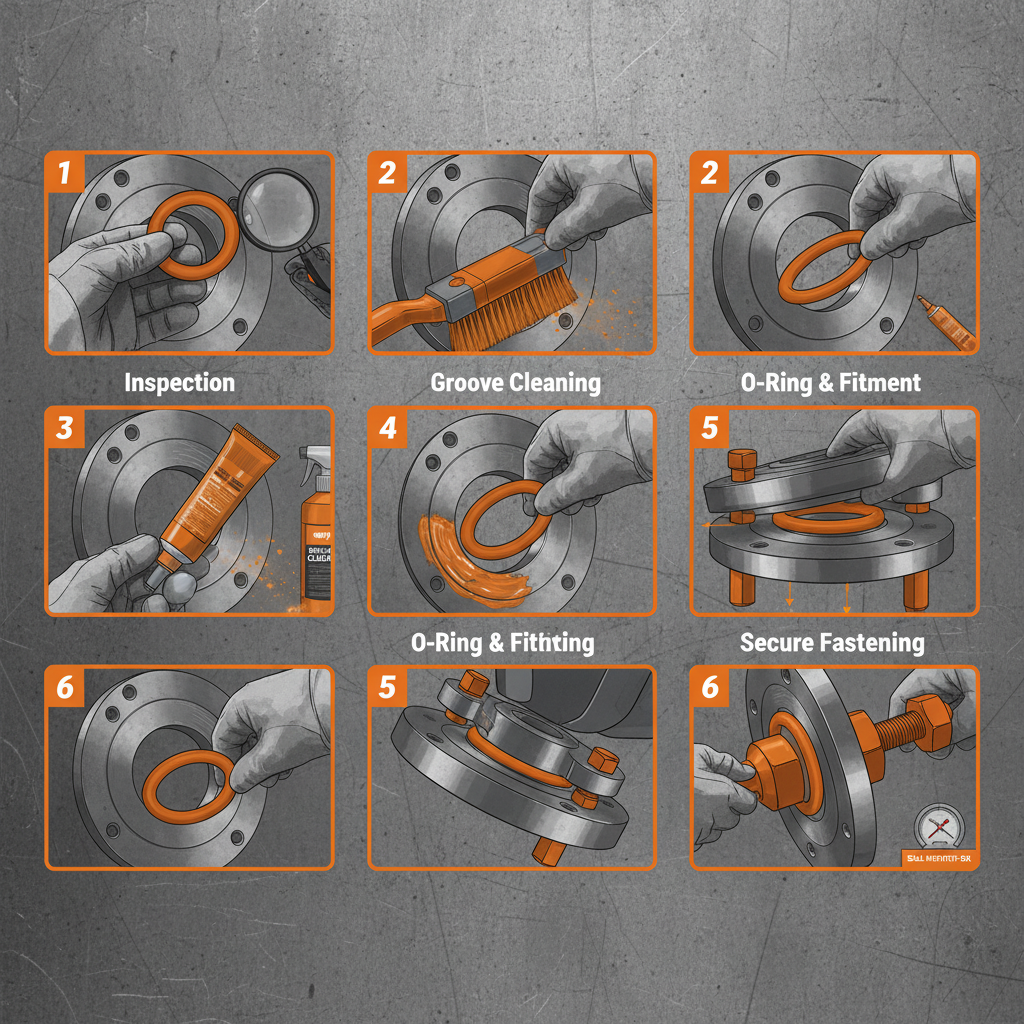
Proper installation is essential for optimal performance. Ensure the sealing groove is clean, smooth, and free of burrs. Use a compatible lubricant to aid installation and reduce friction. Avoid twisting or stretching the O-Ring during installation. Carefully inspect the seal for damage before use. Following manufacturer's guidelines is critical.
Accurate sizing is critical. Measure the inner diameter (ID), outer diameter (OD), and cross-section of the sealing groove precisely. Consult with O-Ring sizing charts or utilize online calculators. Consider the groove dimensions, material compression, and operating conditions to determine the optimal size for a reliable seal.
Conclusion
In conclusion, High Temperature O-Rings are indispensable components in a vast array of industries, providing reliable sealing solutions in extreme conditions where conventional materials fail. Their ability to maintain performance at elevated temperatures, resist aggressive chemicals, and offer long-term durability translates to significant benefits – reduced downtime, increased efficiency, enhanced safety, and lower lifecycle costs. Understanding the nuances of material selection and proper installation is key to maximizing their potential.
Looking forward, the continued development of advanced materials and smart sealing technologies promises even greater performance and reliability. Embracing these innovations will be crucial for industries seeking to optimize their operations, minimize environmental impact, and maintain a competitive edge. For dependable High Temperature O-Rings and expert sealing solutions, visit our website: www.beikesealing.com