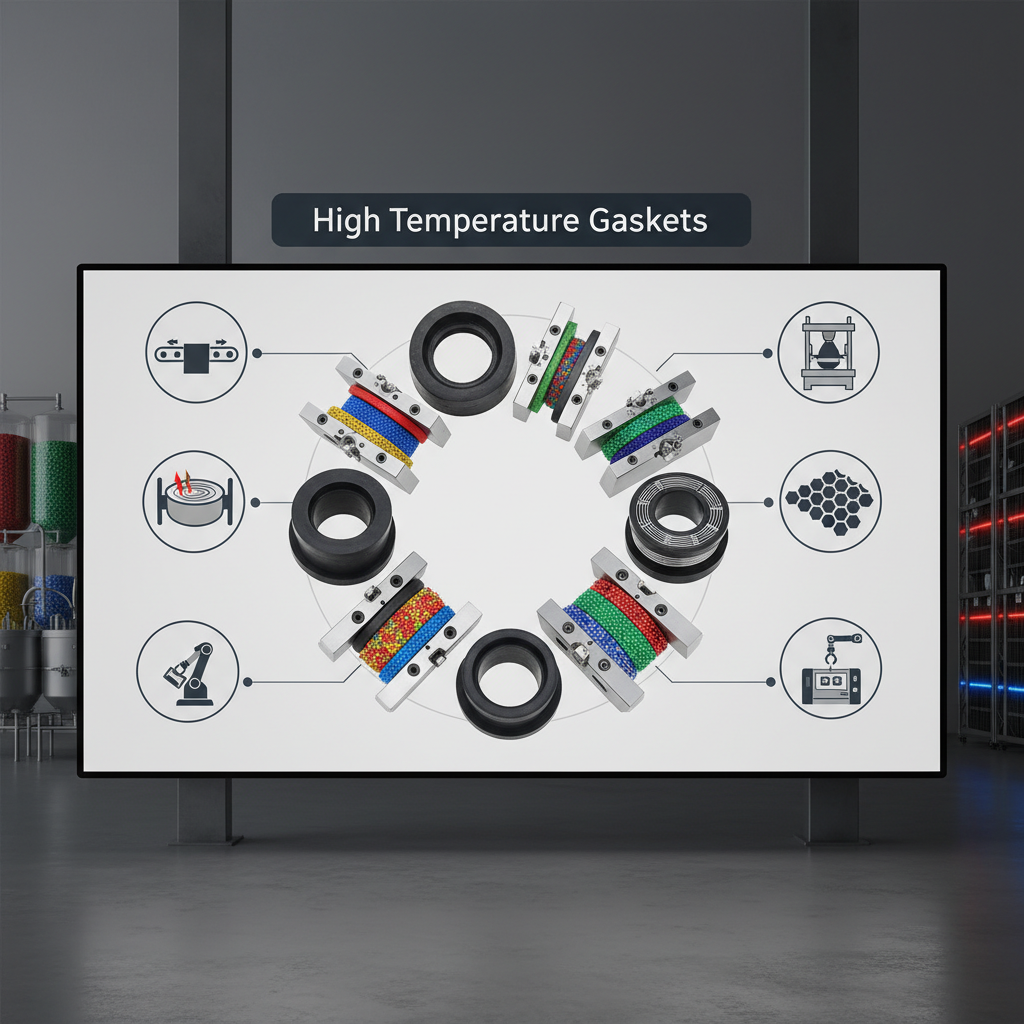
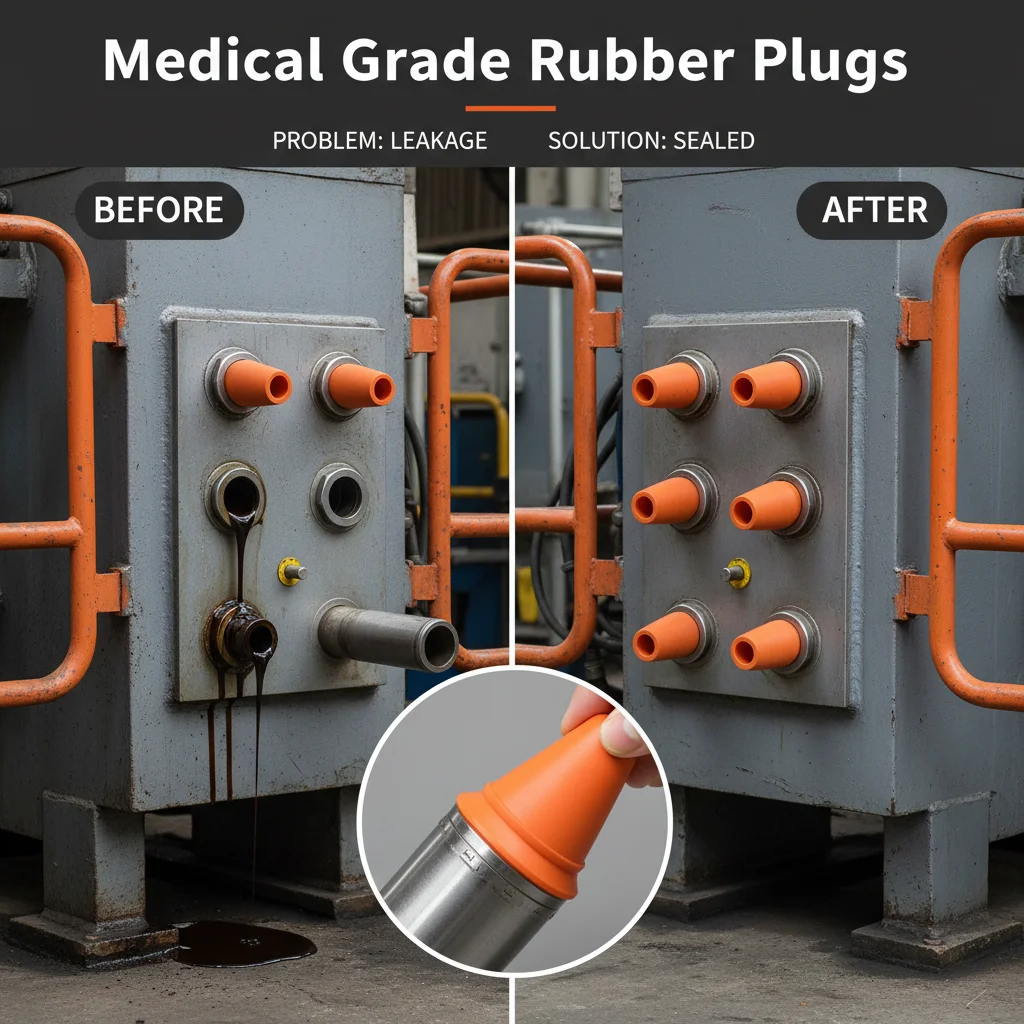
In the demanding world of industrial thermal management, High Temperature Gaskets serve as the unsung heroes, ensuring that critical machinery operates safely and efficiently under extreme caloric stress. These specialized sealing components are engineered to prevent leaks, protect against hazardous emissions, and maintain pressure integrity where standard rubber seals would simply melt or degrade.
The global shift toward higher-efficiency engines, advanced aerospace propulsion, and sustainable energy plants has amplified the need for materials that can withstand constant thermal cycling. Whether it is a chemical processing plant in Germany or an automotive assembly line in Southeast Asia, the reliability of a seal directly correlates with the uptime of the entire production chain.
Understanding the nuances of material selection, from Viton to Silicone and PTFE, allows engineers to optimize their systems for longevity and safety. By investing in high-grade High Temperature Gaskets, companies not only reduce maintenance costs but also significantly lower the risk of catastrophic industrial accidents caused by seal failure.
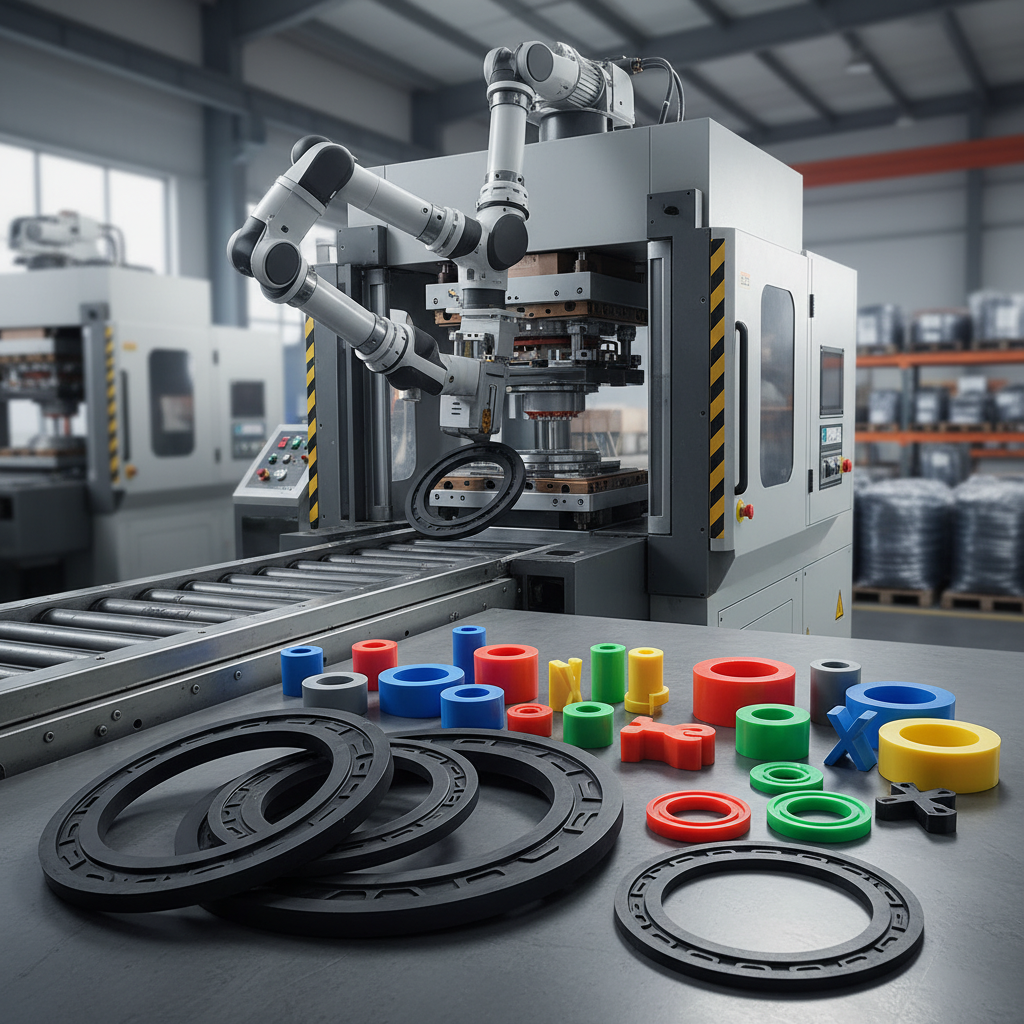
The Global Industrial Significance of High Temperature Gaskets
On a global scale, the demand for High Temperature Gaskets is driven by the rigorous standards of ISO and other international safety bodies. As industrial processes move toward higher pressures and temperatures to increase output, the failure of a single seal can lead to millions of dollars in lost production or, worse, environmental disasters.
Statistically, thermal degradation is one of the leading causes of unplanned downtime in the petrochemical and power generation sectors. By utilizing advanced elastomeric compounds that resist oxidation and thermal cracking, industries can extend the mean time between failures (MTBF), ensuring a more stable global supply chain for energy and raw materials.
Defining High Temperature Gaskets and Their Technical Purpose
In simple terms, High Temperature Gaskets are specialized mechanical seals designed to create a leak-proof barrier between two mating surfaces while exposed to extreme heat. Unlike standard rubber gaskets, which lose their elasticity and become brittle (or melt) when temperatures rise, these gaskets maintain their physical properties, ensuring a tight seal regardless of the thermal environment.
Their technical purpose extends beyond simple containment. In modern industry, they are essential for maintaining the vacuum integrity of semiconductor chambers or the high-pressure seals of steam turbines. They act as a critical buffer, absorbing the uneven expansion and contraction of metal parts during heat cycles, which prevents the surfaces from warping or cracking.
From a humanitarian and safety perspective, these seals are vital in medical autoclaves and food processing equipment. By ensuring that sterilization temperatures are maintained without leaks, they prevent contamination and ensure that the tools used in life-saving surgeries are truly sterile, bridging the gap between raw material science and public health.
Core Components and Material Selection Factors
The effectiveness of High Temperature Gaskets depends heavily on the base polymer used. For instance, Fluorocarbon (FKM/Viton) is often chosen for its exceptional resistance to both heat and chemicals, making it the gold standard for automotive and aerospace applications where fuel and oil are present.
Another critical factor is the "compression set" resistance of the High Temperature Gaskets. This refers to the material's ability to return to its original thickness after being compressed. A gasket with a poor compression set will permanently flatten under heat, leading to a loss of sealing force and eventual leakage.
Finally, the chemical compatibility of the gasket material with the medium it is sealing is paramount. A gasket might withstand 300°C, but if the chemical passing through the pipe reacts with the polymer, the seal will degrade rapidly. Therefore, engineers must balance thermal limits with chemical resistance to ensure long-term operational stability.
Global Applications and Industrial Use Cases
The application of High Temperature Gaskets spans across virtually every heavy industry. In the aerospace sector, they are used in engine manifolds and heat shields to protect sensitive electronics from the searing heat of jet propulsion. In the energy sector, they are indispensable for geothermal plants where high-pressure steam is extracted from the earth at temperatures exceeding 200°C.
In remote industrial zones, such as offshore oil rigs in the North Sea or mining operations in the Australian Outback, these gaskets are critical for reliability. Because maintenance in these areas is prohibitively expensive and logistically challenging, the use of ultra-durable thermal seals reduces the need for frequent technician visits and prevents costly environmental leaks in fragile ecosystems.
Performance Comparison of High Temperature Gaskets Materials
Long-Term Value: Reliability and Sustainability
The true value of High Temperature Gaskets is found in their ability to provide peace of mind. When a system is sealed with a high-performance gasket, operators can focus on production rather than constantly monitoring for leaks. This reliability fosters a culture of trust and safety, knowing that the "weakest link" in the system—the seal—has been engineered for the worst-case scenario.
From a sustainability angle, higher-quality thermal gaskets contribute to a smaller carbon footprint. By preventing the leakage of greenhouse gases and steam, they ensure that energy is not wasted. Furthermore, the increased lifespan of these components means fewer replacements, reducing the amount of industrial rubber waste entering landfills over the life cycle of a machine.
Future Trends in Thermal Sealing Technology
The future of High Temperature Gaskets is being shaped by the rise of green hydrogen and carbon capture technologies. These new energy frontiers require seals that can handle not only extreme heat but also the unique corrosive properties of hydrogen gas, leading to the development of hybrid composite materials that blend organic polymers with inorganic reinforcements.
Digital transformation is also entering the sealing world. We are seeing the emergence of "smart gaskets" equipped with embedded sensors that can monitor temperature and pressure in real-time. These sensors can alert operators via IoT platforms before a gasket fails, shifting maintenance from a reactive "fix it when it leaks" model to a predictive "replace before failure" strategy.
Automation in manufacturing, particularly 3D printing of seals, is allowing for the creation of complex, custom-shaped High Temperature Gaskets that were previously impossible to mold. This enables perfectly optimized sealing geometries that reduce material use while maximizing the contact area, increasing efficiency across the board.
Overcoming Common Challenges in Gasket Performance
One of the most common challenges with High Temperature Gaskets is "thermal creep," where the material slowly deforms under a constant load at high temperatures. To overcome this, experts recommend the use of reinforced gaskets—incorporating stainless steel meshes or graphite fillers—which provide structural rigidity while maintaining the sealing properties of the elastomer.
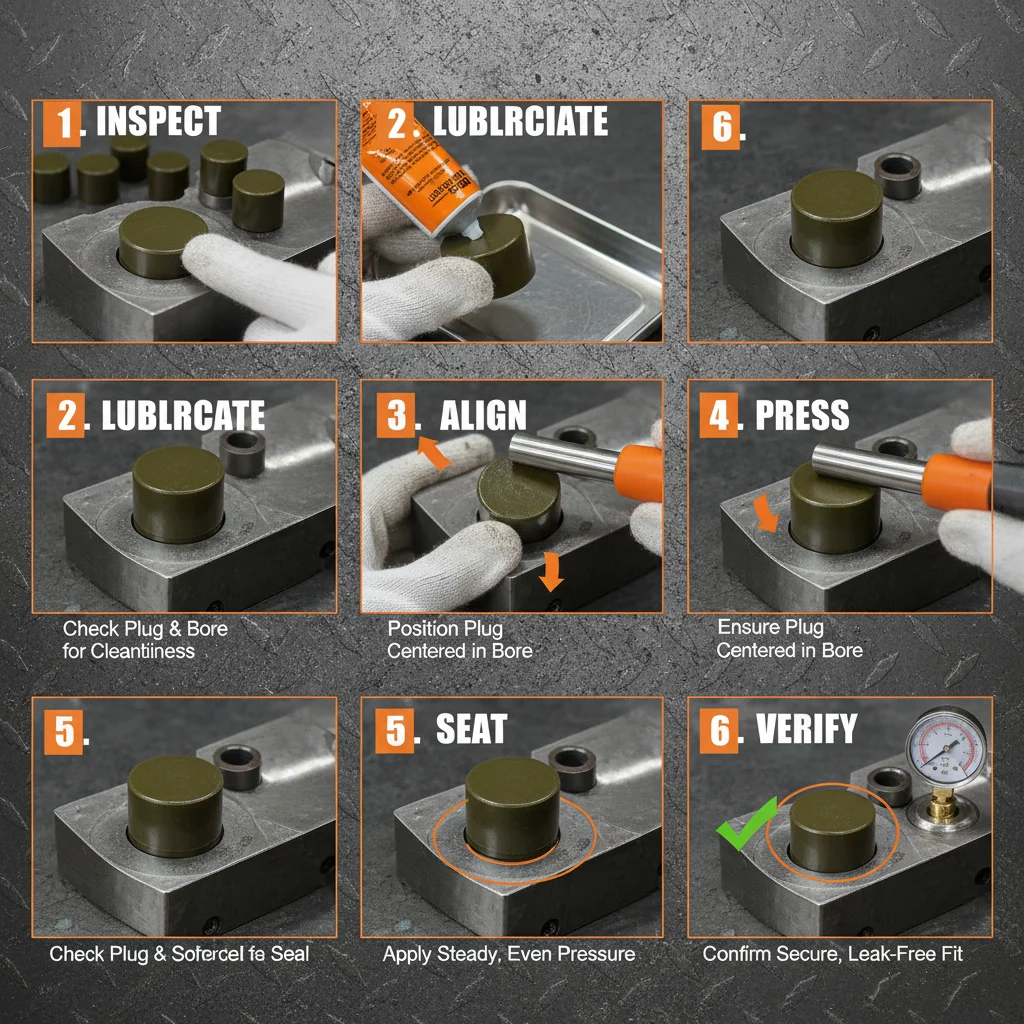
Another significant hurdle is the installation process. Even the most expensive gasket will fail if it is over-torqued or installed unevenly. The solution lies in the implementation of standardized installation protocols and the use of calibrated torque wrenches, ensuring that the compression remains uniform across the entire surface of the seal.
Lastly, the conflict between cost and performance often leads companies to choose lower-grade materials. However, an expert analysis of the Total Cost of Ownership (TCO) usually reveals that a more expensive, high-durability gasket is cheaper in the long run due to reduced downtime and fewer labor hours spent on replacements.
Comparative Analysis of High Temperature Gaskets Selection Parameters
| Material Type |
Max Temp Range |
Chemical Resistance |
Durability Score |
| Viton (FKM) |
-20°C to 200°C |
Excellent (Oils/Acids) |
9/10 |
| Silicone |
-60°C to 230°C |
Moderate (Food Grade) |
7/10 |
| PTFE (Teflon) |
-200°C to 260°C |
Universal Resistance |
8/10 |
| EPDM (Spec) |
-50°C to 150°C |
Good (Water/Steam) |
6/10 |
| Graphite |
Up to 450°C (Oxid.) |
Very High |
10/10 |
| Nitrile (NBR) |
-40°C to 120°C |
Good (Hydrocarbons) |
5/10 |
FAQS
For the oil and gas industry, FKM (Viton) is generally the best choice. It offers a superior combination of thermal stability and resistance to hydrocarbons and corrosive chemicals. However, for extremely high-temperature steam applications, expanded graphite or PTFE-based composites are often preferred due to their higher thermal ceilings.
Common signs of failure include visible hardening or cracking of the seal material, weeping of fluids around the joint, or a sudden drop in system pressure. If you notice the gasket has become "brittle" or "charred," it has likely exceeded its thermal limit and needs immediate replacement to avoid a blowout.
Silicone is excellent for heat and food-grade applications, but it has limited resistance to many industrial chemicals and fuels. If your application involves aggressive solvents or oils, silicone will swell and degrade. In such cases, FKM or PTFE gaskets are much more reliable choices.
Thickness does not change the material's thermal limit, but it does affect how the gasket handles heat expansion. A thicker gasket can sometimes better accommodate uneven surfaces, but it may also be more prone to "creep" or compression set under high heat. The key is choosing the correct material grade rather than just increasing thickness.
Lifespan varies by environment. In stable heat conditions, high-grade FKM seals can last for years. However, in systems with frequent thermal cycling (rapid heating and cooling), the material undergoes stress that shortens its life. We recommend a scheduled inspection every 6-12 months depending on the criticality of the equipment.
Generally, no. Once a High Temperature Gasket has been compressed and exposed to heat, it has undergone a physical change. Reusing it often leads to a loss of seal integrity because the material cannot "re-seat" perfectly. For safety and reliability, always use a new gasket during maintenance.
Conclusion
In summary, High Temperature Gaskets are fundamental to the safety and efficiency of modern industrial infrastructure. From the careful selection of polymers like Viton and PTFE to the implementation of predictive maintenance through IoT, these components ensure that extreme thermal environments remain controlled and leak-free. By prioritizing material science and correct installation, industries can drastically reduce downtime and environmental risks.
Looking forward, the evolution of thermal sealing will be defined by the pursuit of "zero-leak" sustainability and the integration of smart materials. As we push the boundaries of energy production and aerospace travel, the role of the gasket will only become more critical. We encourage engineers and procurement managers to move beyond the lowest-cost option and invest in high-performance sealing solutions that guarantee long-term operational excellence. Visit our website for more professional sealing solutions: www.beikesealing.com