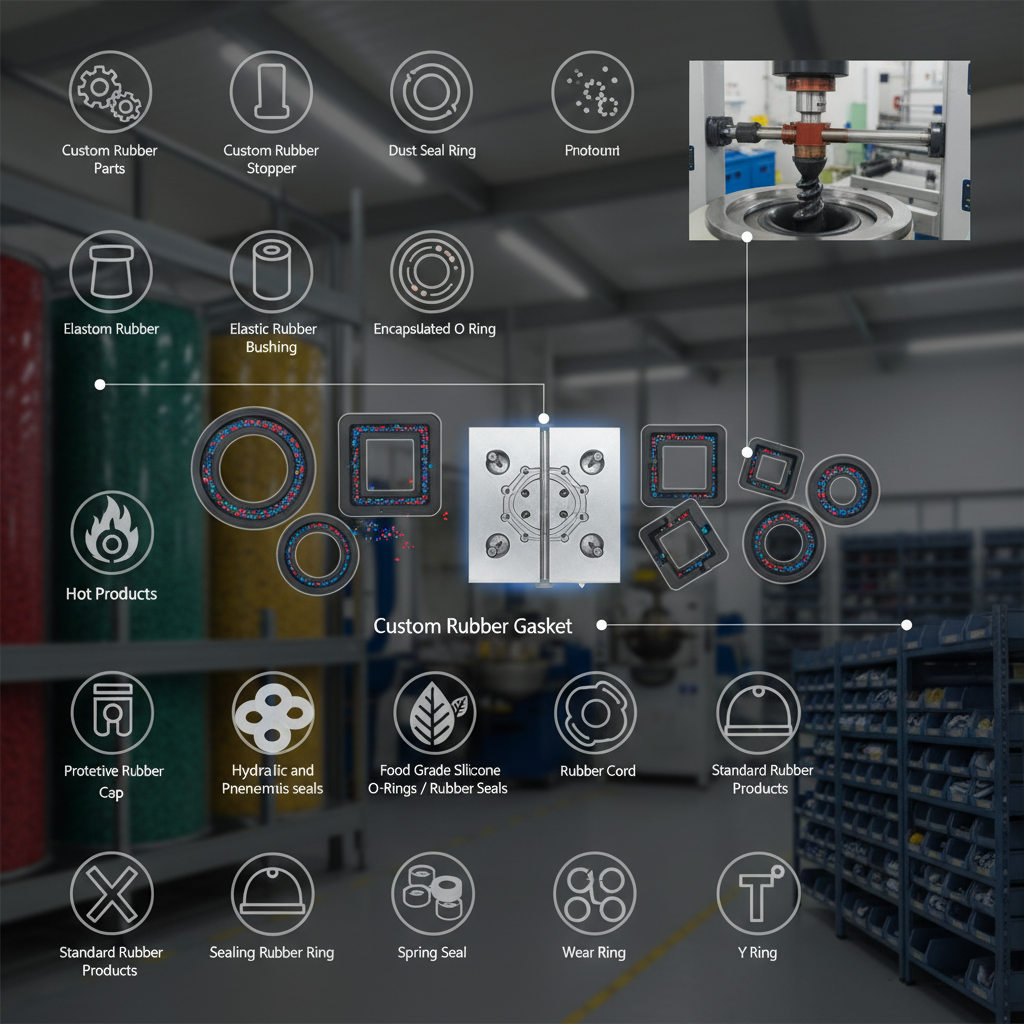
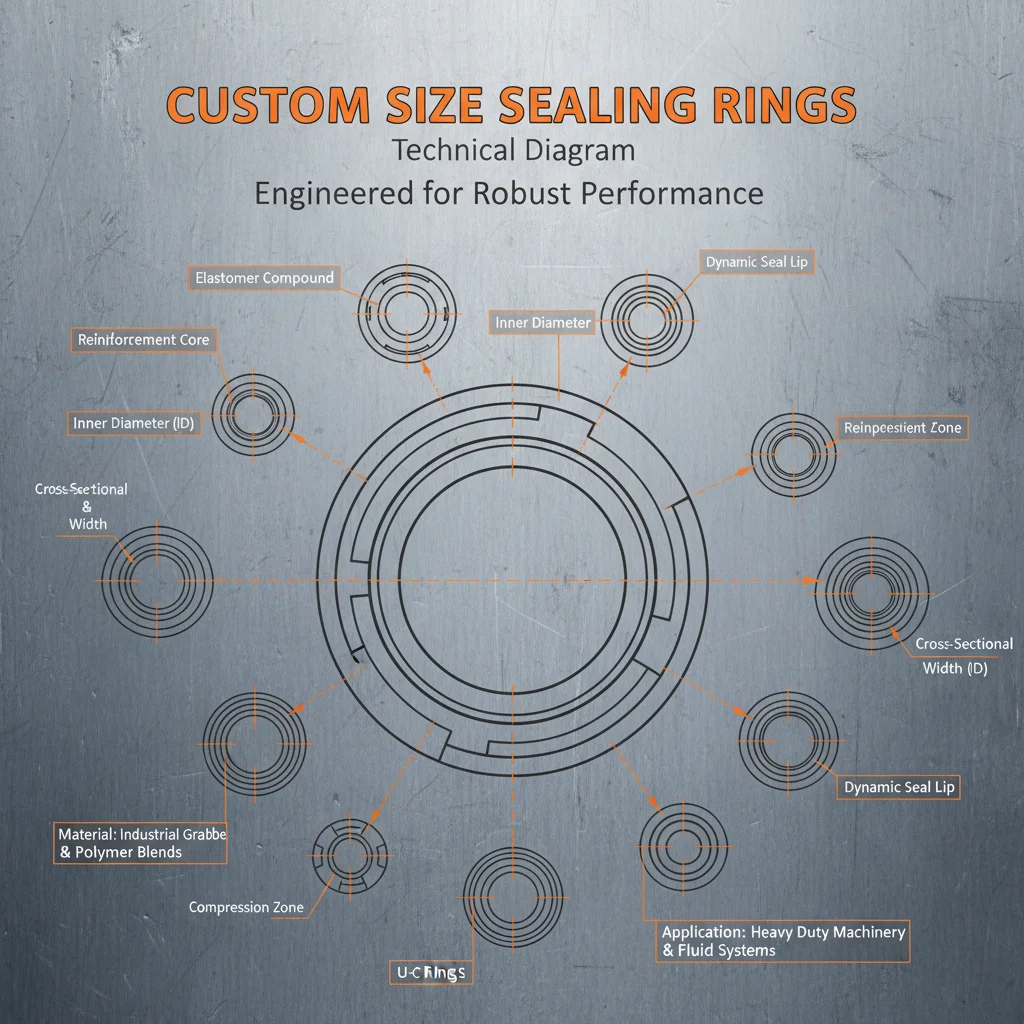
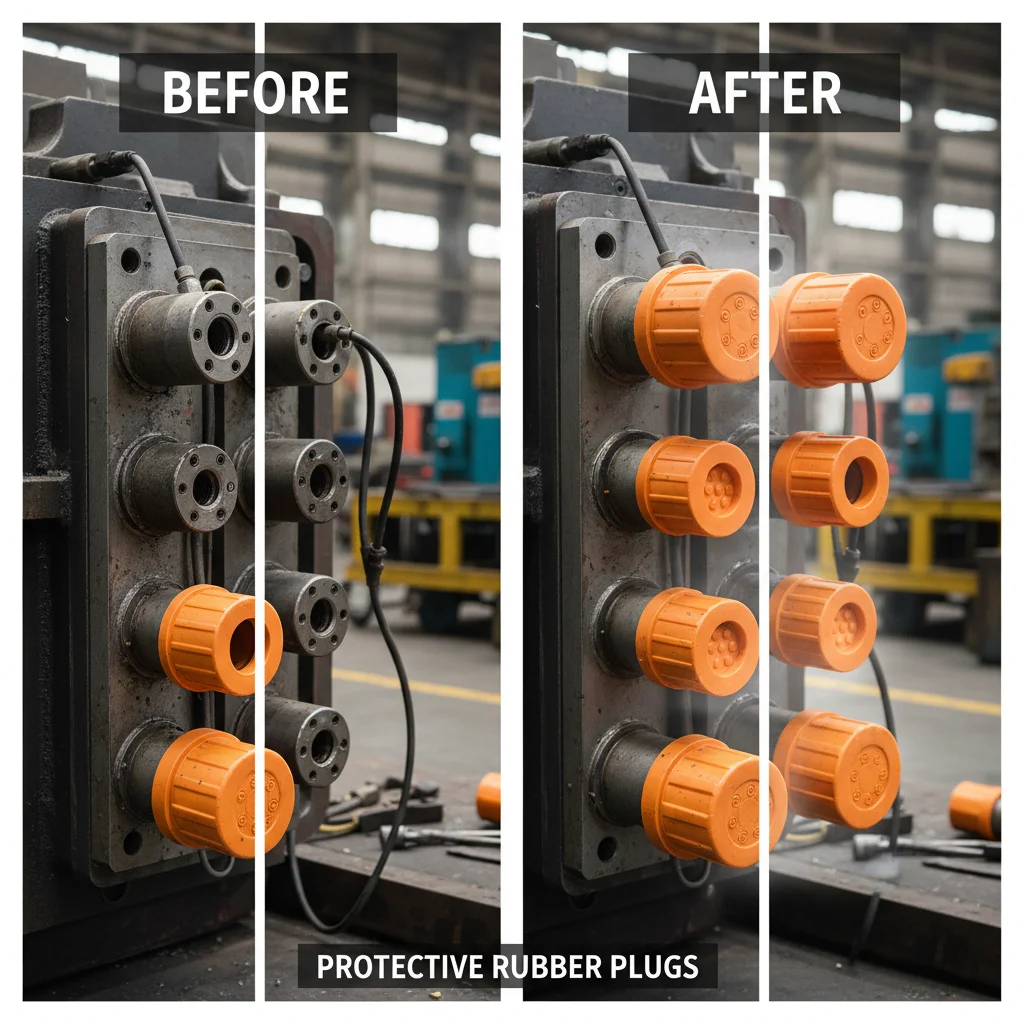
In the complex world of industrial sealing, Custom Rubber Gaskets serve as the unsung heroes that ensure system integrity and operational safety. These precision-engineered components are designed to fill the space between two or more mating surfaces, creating an airtight or watertight seal that prevents leaks and protects internal mechanisms from external contaminants. For manufacturers in the automotive, aerospace, and chemical sectors, the ability to specify exact dimensions and material properties is not just a preference—it is a technical necessity for preventing catastrophic failures.
The global demand for tailored sealing solutions has surged as industries push the boundaries of temperature, pressure, and chemical exposure. Standard off-the-shelf seals often fail to provide the necessary compression or chemical resistance required for specialized machinery, leading to costly downtime and maintenance. By utilizing Custom Rubber Gaskets, engineers can optimize the lifespan of their equipment, reducing the frequency of replacements and improving overall energy efficiency by eliminating fluid or gas loss.
Understanding the nuances of rubber compounding and precision cutting is essential for any procurement professional or engineer looking to enhance their product's reliability. From EPDM and Nitrile to Viton and Silicone, the choice of elastomer directly impacts the performance of the seal. This guide explores the critical technical factors, global applications, and future innovations surrounding Custom Rubber Gaskets, providing a comprehensive roadmap for selecting the right sealing strategy for any industrial environment.
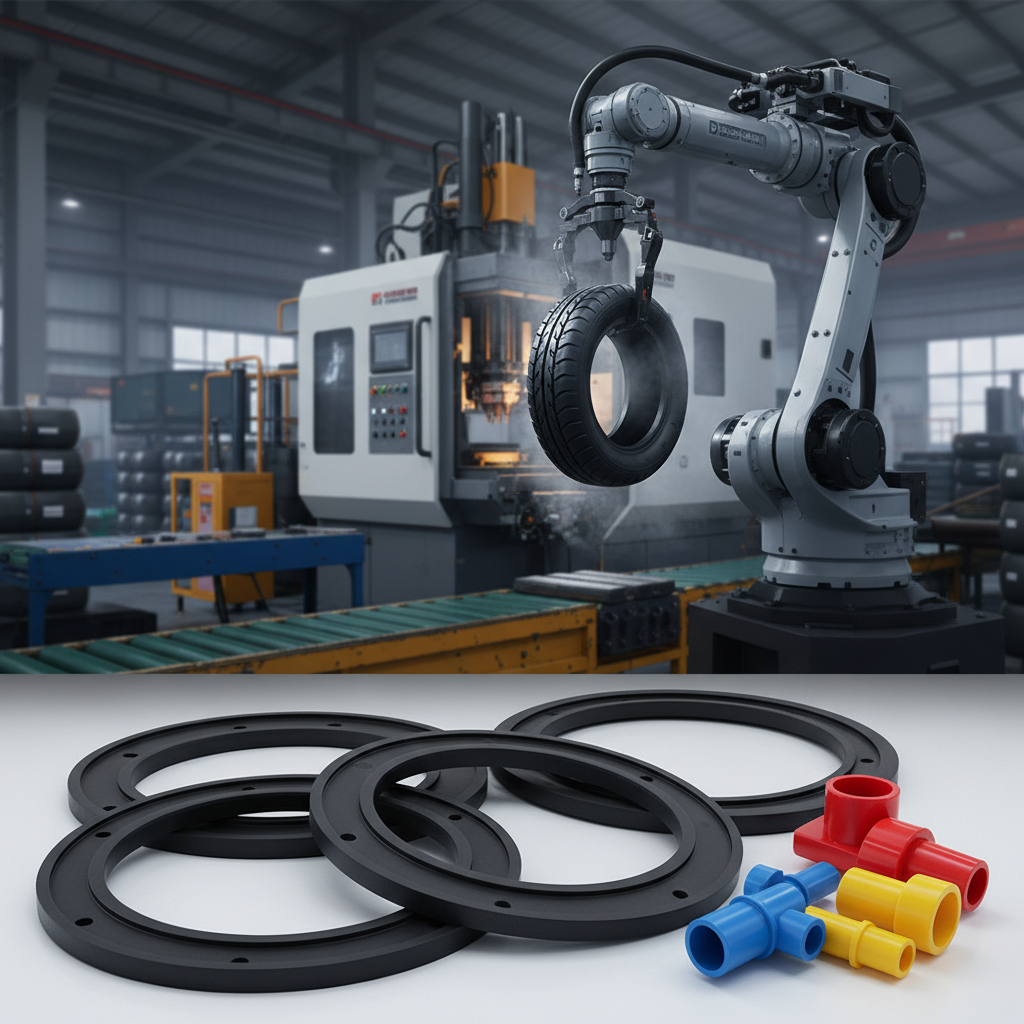
Global Industrial Relevance of Custom Rubber Gaskets
On a global scale, the reliance on precision sealing is mirrored in the growth of the industrial rubber markets. According to ISO standards for quality management in manufacturing, the precision of seals like Custom Rubber Gaskets is a critical KPI for reducing industrial waste and preventing hazardous leaks in chemical processing plants. As the World Bank highlights the importance of sustainable infrastructure, the role of durable, custom-fit gaskets becomes evident in reducing the carbon footprint of aging industrial assets by extending their operational life.
The primary challenge facing the global industry is the increasing complexity of operating environments. Whether it is the extreme cold of Arctic oil exploration or the intense heat of geothermal power plants, standard rubber components often degrade rapidly. This creates a systemic risk where a single failed seal can lead to massive environmental contamination or safety hazards. The shift toward customized solutions allows for the integration of advanced polymers that can withstand these extreme conditions, ensuring stability in global supply chains.
Defining Custom Rubber Gaskets and Their Purpose
In simple terms, Custom Rubber Gaskets are bespoke sealing elements fabricated from elastomeric materials, designed to match the exact geometry and chemical requirements of a specific joint. Unlike generic washers, these gaskets are engineered based on the "flange" profile, the expected torque, and the media being contained. They act as a deformable barrier that, when compressed, flows into the microscopic imperfections of the mating surfaces to create a leak-proof seal.
Beyond simple leakage prevention, these components are integral to modern humanitarian and industrial needs. In medical device manufacturing, for instance, custom gaskets ensure that sterile environments are maintained and that hazardous bio-fluids do not leak during transport. The ability to specify "food-grade" or "medical-grade" silicone ensures that the seals do not leach toxins into the product, directly impacting public health and safety.
The "custom" aspect refers to the totality of the design process: the selection of the polymer (such as Nitrile for oil resistance or EPDM for weatherproofing), the method of fabrication (die-cutting, water-jet cutting, or molding), and the final tolerance levels. This tailored approach ensures that the gasket provides the optimal balance between compression set and recovery, preventing the seal from permanently flattening over time.
Core Components of High-Performance Sealing
The efficacy of Custom Rubber Gaskets is primarily determined by material durability. The elastomer must be chosen based on the chemical compatibility with the fluid it is sealing. For example, Fluorocarbon (FKM) is essential for high-temperature fuel environments, while Natural Rubber may be sufficient for simple vibration dampening.
Dimensional precision is the second core pillar. Even a deviation of a few microns in a Custom Rubber Gaskets design can lead to uneven stress distribution across the flange, causing "blow-out" failures under high pressure. Precision CNC cutting ensures that the gasket fits the mating surface perfectly, eliminating the need for excessive bolt torque.
Finally, scalability and cost-efficiency must be balanced. While a prototype gasket might be water-jet cut for speed, high-volume production of Custom Rubber Gaskets typically involves compression molding. This transition ensures that the unit cost remains low without sacrificing the technical integrity of the seal.
Technical Performance Metrics and Comparisons
When evaluating the performance of different sealing strategies, engineers look at the "Compression Set"—the tendency of the rubber to remain deformed after a load is removed. High-quality Custom Rubber Gaskets are designed to have a low compression set, meaning they maintain their "spring-back" capability over thousands of thermal cycles.
Another critical metric is the Shore Hardness (Durometer), which defines how rigid the gasket is. A softer gasket seals more easily on rough surfaces but may extrude under high pressure, whereas a harder gasket is more durable but requires higher clamping forces to achieve a seal.
Performance Comparison of Custom Rubber Gaskets Materials
Global Applications Across Diverse Sectors
The application of Custom Rubber Gaskets spans the entire spectrum of modern industry. In the automotive sector, they are indispensable for engine manifolds and transmission housings, where they must resist oil, coolant, and extreme vibration. In the energy sector, particularly in remote industrial zones like offshore oil rigs, these gaskets are the primary line of defense against high-pressure saltwater ingress and hydrocarbon leaks.
Furthermore, in specialized fields like pharmaceutical manufacturing, custom-molded gaskets are used in bioreactors to ensure an absolute sterile seal. In post-disaster relief operations, rapid-deployment water purification systems rely on these seals to ensure that contaminated groundwater is effectively filtered without leaking through the system joints. The versatility of these components makes them a global commodity essential for both daily convenience and critical safety.
Long-Term Value and Sustainability Benefits
Investing in high-quality Custom Rubber Gaskets offers significant long-term financial and emotional value. From a logical perspective, the cost of a premium gasket is negligible compared to the cost of an unplanned factory shutdown. By reducing the failure rate, companies can move from "reactive maintenance" (fixing things when they break) to "predictive maintenance," which significantly lowers operational risk.
Sustainability is another major driver. Modern rubber manufacturing is shifting toward recyclable elastomers and bio-based polymers. Custom-fit gaskets reduce material waste because they are designed exactly to the required size, eliminating the need for manual trimming on-site. Moreover, by preventing leaks of volatile organic compounds (VOCs) or toxic chemicals into the atmosphere, these seals play a direct role in environmental protection.
Beyond the numbers, there is the element of trust and safety. For workers in a chemical plant, knowing that every flange is sealed with a professionally engineered Custom Rubber Gaskets provides peace of mind. The reliability of the seal translates to the dignity of a safe workplace, where the risk of exposure to hazardous materials is minimized through engineering excellence.
Future Trends in Rubber Gasket Innovation
The future of Custom Rubber Gaskets is being shaped by the digital transformation of manufacturing. The integration of "Smart Seals"—gaskets embedded with micro-sensors—will allow engineers to monitor seal health in real-time. These sensors can detect pressure drops or chemical degradation and alert operators before a leak occurs, effectively turning a passive component into an active monitoring device.
Additive manufacturing, or 3D printing of elastomers, is another game-changer. This technology allows for the creation of complex internal geometries that were previously impossible with traditional molding. For example, a gasket could be printed with varying densities across its surface to provide different levels of compression in different zones, optimizing the seal for irregularly shaped flanges.
As the world pivots toward green energy, the demand for gaskets that can handle hydrogen fuel cells—which are prone to "hydrogen embrittlement"—is growing. The development of new, high-barrier polymers will ensure that Custom Rubber Gaskets remain the gold standard for containment in the next generation of clean energy infrastructure.
Comparison of Gasket Manufacturing Technologies and Their Efficiency
| Manufacturing Method |
Precision Level |
Production Speed |
Cost per Unit (High Vol) |
| Die Cutting |
Medium |
Very Fast |
Very Low |
| Water-Jet Cutting |
High |
Medium |
Medium |
| Compression Molding |
Very High |
Fast (after tooling) |
Low |
| Injection Molding |
Extreme |
Very Fast |
Low |
| 3D Printing (SLA/FDM) |
High |
Slow |
High |
| Laser Cutting |
Extreme |
Fast |
Medium |
FAQS
Choosing the right material depends on three main factors: temperature, chemical exposure, and pressure. For high heat and fuel resistance, Viton (FKM) is ideal. For outdoor weatherproofing and water resistance, EPDM is the standard choice. If you are sealing against oil and grease, Nitrile (NBR) is most effective. We recommend providing a detailed list of the media being sealed and the operating temperature range to ensure the correct elastomer is selected.
Yes, absolutely. We offer food-grade silicone and other FDA-compliant materials that are specifically designed to prevent contamination in food and beverage processing. These materials are non-toxic, odorless, and can withstand the rigorous steam-cleaning (CIP) processes common in food plants. Always specify that you require FDA or EU food-contact certification during the ordering process to ensure compliance.
Die-cutting is essentially "stamping" a shape out of a pre-existing sheet of rubber, making it fast and cost-effective for simple shapes and low-to-medium volumes. Molding involves pouring liquid rubber into a custom-made cavity. Molding is superior for complex 3D geometries and very high volumes, as it eliminates material waste and ensures consistent density throughout the part, though it requires an initial investment in tooling.
Lifespan varies wildly based on the environment. In a controlled environment, a high-quality gasket can last for years. However, in high-heat or chemically aggressive environments, they may need replacement every 6 to 12 months. To extend lifespan, avoid over-tightening bolts, which can crush the rubber and accelerate permanent deformation (compression set). Regular inspections for cracks or hardening are recommended.
While the unit price may be higher due to the specialized design and material selection, the "total cost of ownership" is often lower. Standard O-rings may require expensive housing modifications to fit. Custom gaskets are designed to fit your existing equipment perfectly, reducing installation time and significantly lowering the risk of leakage-related downtime, which is far more expensive than the part itself.
To get an accurate quote for Custom Rubber Gaskets, you should provide a technical drawing (CAD file or PDF) with tolerances, the desired material or the chemicals the gasket will encounter, the operating temperature range, the maximum pressure, and the estimated order quantity. If you are unsure about the material, our engineering team can suggest the best elastomer based on your application data.
Conclusion
In summary, Custom Rubber Gaskets are far more than simple pieces of rubber; they are precision-engineered components that underpin the safety and efficiency of global industrial infrastructure. From the careful selection of elastomers like Viton and EPDM to the application of advanced manufacturing techniques like CNC and injection molding, the right gasket ensures that systems remain leak-free, products remain sterile, and operators remain safe. By focusing on material compatibility and dimensional accuracy, businesses can significantly reduce maintenance costs and enhance their operational reliability.
Looking forward, the integration of smart sensing and 3D printing will continue to redefine the boundaries of sealing technology. As industries move toward more sustainable and high-pressure energy sources, the role of the custom seal will only grow in importance. We encourage engineers and procurement managers to move beyond "standard" solutions and embrace tailored sealing strategies to future-proof their equipment. For high-performance sealing solutions tailored to your exact specifications, visit our website: www.beikesealing.com.