• Home
  • Top Blog
0%

Table of Contents

In the intricate world of precision manufacturing, the integrity of a component is often decided by the quality of its smallest protector. Protective Rubber Plugs serve as the first line of defense for critical openings, threads, and ports, preventing the ingress of contaminants that could lead to catastrophic equipment failure. By providing a reliable, airtight, and watertight seal, these components ensure that high-value machinery arrives at its destination in pristine condition, regardless of the environmental hazards encountered during transit.

Across global supply chains, the demand for specialized sealing solutions has surged as industries move toward more complex and sensitive hydraulic and pneumatic systems. Whether it is shielding a delicate valve in a medical device or protecting a heavy-duty fuel port on industrial machinery, the strategic use of these plugs reduces maintenance costs and eliminates the risk of oxidation and debris accumulation. Understanding the material science behind these protectors is essential for engineers seeking to optimize product longevity and operational reliability.

From a commercial perspective, investing in high-grade rubber sealing solutions is not merely about risk mitigation; it is about enhancing brand reputation through quality assurance. When a customer receives a part that is perfectly sealed and free from contamination, it reflects a commitment to excellence and professional standards. As we explore the technical nuances and applications of Protective Rubber Plugs, it becomes clear that these humble components are pivotal to the efficiency of modern global manufacturing.
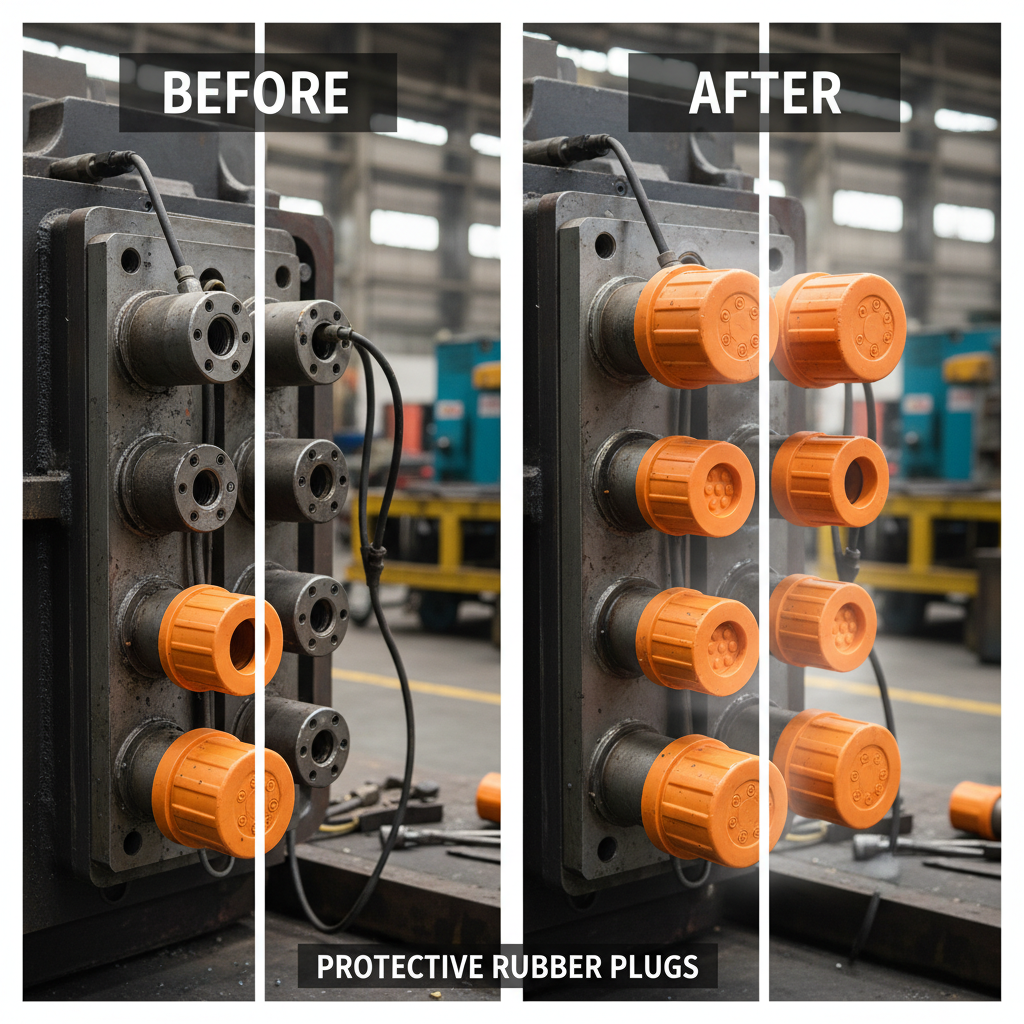
Protective Rubber Plugs

Global Importance of Protective Rubber Plugs
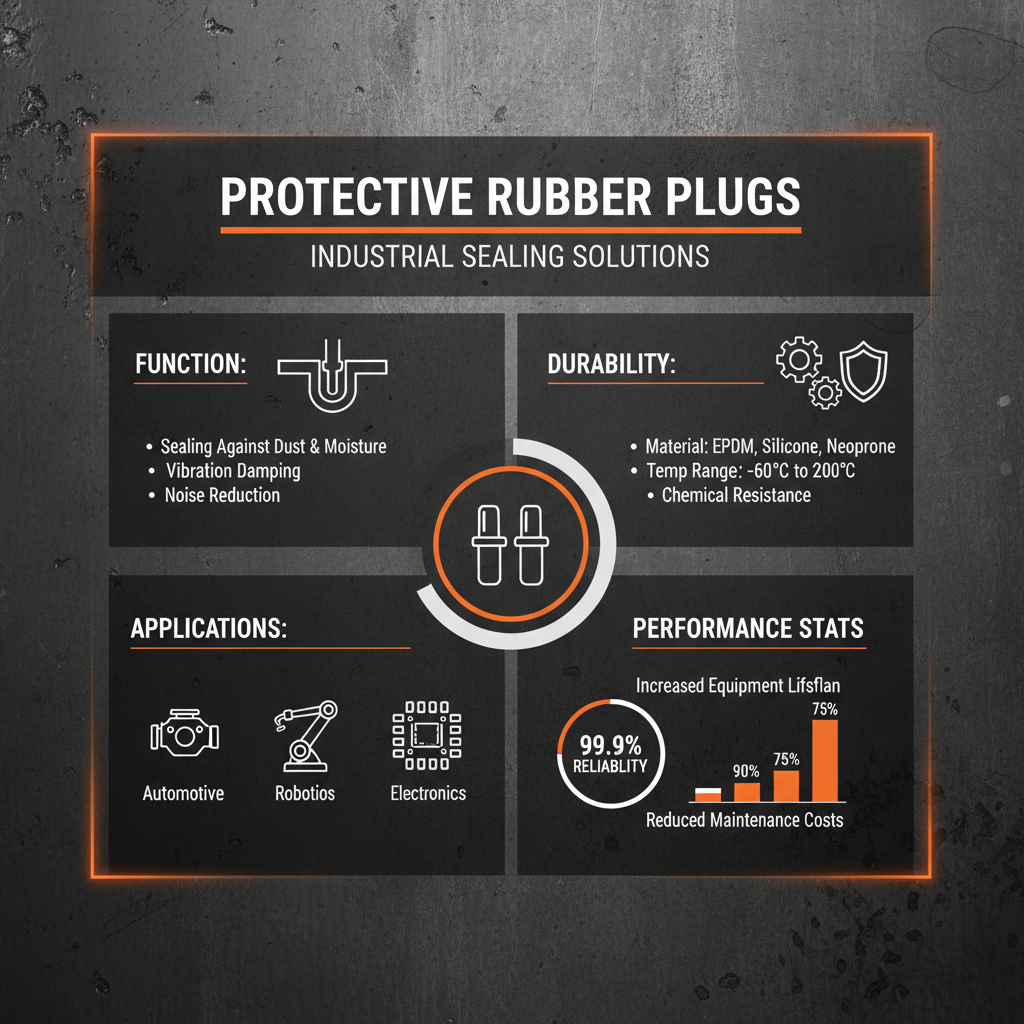
Protective Rubber Plugs

On a global scale, the manufacturing sector adheres to rigorous ISO standards to ensure interoperability and safety. Protective Rubber Plugs play a critical role in meeting these standards by preventing the contamination of precision-machined parts. With the rise of international trade, components often spend weeks in shipping containers exposed to varying humidity, saline air, and temperature fluctuations, making a robust sealing strategy indispensable.

The economic impact of failure is significant; a single particle of dust in a hydraulic valve can lead to system failure, resulting in costly downtime and potential safety hazards. By implementing standardized rubber plugging solutions, companies can significantly lower their RMA (Return Merchandise Authorization) rates and ensure that their products perform reliably from the moment of installation in any corner of the world.

Definition and Technical Meaning

At its most basic level, Protective Rubber Plugs are specialized elastomeric closures designed to seal the ends of pipes, tubes, valves, or threaded holes. Unlike permanent seals, these are typically used for temporary protection during storage, transport, or assembly. They are engineered to create a tight interference fit, utilizing the natural elasticity of the rubber to push against the walls of the aperture, thereby creating a barrier against external elements.

Technically, these components are a marriage of geometry and material science. Depending on the application, they may be manufactured from Nitrile (NBR), EPDM, Silicone, or Viton, each offering distinct resistance to chemicals, heat, or UV radiation. The "protective" aspect refers not only to keeping debris out but also to protecting the delicate threads of a port from physical impact or deformation during rough handling in a warehouse environment.

In the context of modern industry, these plugs are an essential bridge between the manufacturing stage and the end-user experience. They represent a proactive approach to quality control, ensuring that the precision engineering invested in a part is not compromised by a lack of simple, effective shielding.

Core Components of Quality Sealing

The effectiveness of Protective Rubber Plugs depends heavily on material durability. High-grade elastomers must resist degradation when exposed to ozone or industrial solvents. A plug that cracks or shrinks over time fails its primary purpose, potentially allowing moisture to enter a critical system and trigger internal corrosion.

Precision fit and scalability are equally vital. A plug must be tight enough to remain secure under vibration yet easy enough to remove without requiring specialized tools that could damage the underlying part. This balance is achieved through rigorous mold design and tolerance control, ensuring that the rubber conforms perfectly to the diameter of the port it is protecting.

Finally, cost-efficiency and sustainability are becoming core drivers. By optimizing the volume of material used and transitioning toward recyclable elastomers, manufacturers can maintain high protection levels while reducing the environmental footprint of their packaging and shipping processes.

Performance Metrics in Industrial Use

Evaluating the performance of Protective Rubber Plugs requires a data-driven approach, focusing on sealing pressure, material hardness (Shore A), and chemical compatibility. In high-pressure environments, the ability of the plug to maintain a seal without popping out is the primary metric of success.

Furthermore, the ease of installation and removal is often quantified to ensure that assembly line workers can operate efficiently without risking injury or part damage. The following chart illustrates the comparative rating of various plugging methods across key industrial requirements.

Efficiency Comparison of Protective Rubber Plugs Methods

Global Applications and Use Cases

The application of Protective Rubber Plugs spans across diverse sectors. In the automotive industry, they are used to seal brake lines and fuel ports during the assembly of chassis, preventing metallic shavings from entering the braking system. In the medical device field, silicone-based plugs ensure that sterilized ports remain uncontaminated until they reach the surgical theater.

In remote industrial zones, such as offshore oil rigs or mining sites in the Arctic, these plugs are essential for protecting equipment from extreme brine and freezing temperatures. By shielding the connection points of hydraulic machinery, operators avoid the nightmare of salt-water corrosion, which could otherwise render millions of dollars of equipment useless in a matter of weeks.

Long-Term Value and Reliability

The long-term value of utilizing high-quality Protective Rubber Plugs is found in the reduction of total cost of ownership (TCO). While a cheaper, low-grade plug might seem attractive, the cost of a single failed seal—resulting in a contaminated pneumatic cylinder or a rusted hydraulic port—far outweighs the marginal savings on the protector.

Beyond the financial aspect, there is a psychological value associated with reliability. Engineers and procurement officers gain peace of mind knowing that their products are protected by a system that has been tested for environmental resistance. This trust translates into stronger B2B relationships and a more resilient supply chain.

Moreover, the shift toward sustainable materials in rubber manufacturing ensures that these protective solutions are not just effective, but also aligned with global green initiatives. By choosing durable, long-lasting plugs, companies reduce waste and minimize the frequency of replacement, contributing to a more circular economy in the rubber parts industry.

Future Trends in Rubber Protection

The future of Protective Rubber Plugs is being shaped by the advent of "smart materials" and additive manufacturing. We are seeing the development of elastomers that can change properties based on temperature or electrical stimuli, potentially allowing for seals that "lock" more tightly when they detect an external leak or temperature drop.

Automation is also transforming the production and installation process. Robotic arms equipped with vision systems can now apply protective plugs with micron-level precision, ensuring a perfect fit every time and eliminating human error in the sealing process. This integration with Industry 4.0 increases throughput and ensures a consistent quality level across millions of units.

Finally, the transition toward bio-based rubbers is accelerating. As the industry moves away from petroleum-dependent polymers, new organic elastomers are emerging that offer equivalent or superior performance to traditional NBR or EPDM, ensuring that the protection of industrial components does not come at the expense of the planet.

Material Selection Analysis for Protective Rubber Plugs

Material Type Chemical Resistance Temp Range Typical Application
Nitrile (NBR) High (Oil/Fuel) -40°C to 120°C Automotive Fuel Ports
EPDM High (Weather/Ozone) -50°C to 150°C Outdoor Industrial Valves
Silicone Medium (Medical/Food) -60°C to 230°C Medical Device Ports
Viton (FKM) Extreme (Acids/Chem) -20°C to 200°C Aerospace Engine Parts
Natural Rubber Low (General Use) -30°C to 80°C General Dust Protection
Neoprene Medium (Marine) -40°C to 110°C Marine Piping Systems

FAQS

How do I choose the right size for Protective Rubber Plugs?

The selection depends on the outer diameter of the part you are plugging. For a secure interference fit, the plug's internal diameter should be slightly smaller (typically 2-5%) than the target part's outer diameter. We recommend providing a technical drawing of your port to ensure the plug provides sufficient compression without over-stressing the rubber material.

Can Protective Rubber Plugs withstand extreme outdoor temperatures?

Yes, provided the correct material is selected. EPDM is the industry standard for outdoor use due to its exceptional resistance to UV radiation and ozone. For extreme cold, silicone or specialized low-temp NBR are preferred to prevent the plug from becoming brittle and cracking.

Are these plugs compatible with food-grade or medical applications?

Absolutely. We offer food-grade silicone and FDA-compliant elastomers specifically designed for these industries. These materials are inert, non-toxic, and can withstand sterilization processes like autoclaving without losing their sealing properties.

What is the difference between a rubber cap and a rubber plug?

A rubber cap typically fits over the exterior of a component (like a bolt head or a pipe end), whereas a rubber plug is designed to be inserted into an opening (like a hole or a threaded port). Both provide protection, but the fitting mechanism and pressure distribution differ based on whether they are external or internal.

How long can Protective Rubber Plugs remain in place during storage?

High-quality elastomers like Viton or EPDM can remain in place for several years without significant degradation. However, we recommend periodic inspections for parts stored in extreme environments to ensure that the rubber hasn't succumbed to chemical attack or extreme temperature cycling.

Do you offer custom colors for identification purposes?

Yes, custom coloring is a common request. Using different colors for Protective Rubber Plugs allows assembly teams to quickly identify different port sizes or fluid types (e.g., red for fuel, blue for water), reducing installation errors on the factory floor.

Conclusion

In summary, Protective Rubber Plugs are far more than simple accessories; they are critical components of a comprehensive quality assurance strategy. From selecting the right material—be it NBR for oil resistance or EPDM for weatherproofing—to ensuring a precision fit, these protectors safeguard the integrity of complex industrial systems against the unpredictable elements of global logistics. By preventing contamination and physical damage, they ensure operational reliability and significantly reduce long-term maintenance costs.

Looking forward, the integration of sustainable elastomers and automated installation will continue to elevate the standard of industrial protection. We encourage manufacturers to move beyond "off-the-shelf" solutions and invest in custom-engineered sealing strategies that align with their specific environmental challenges. Protecting your precision parts today is the only way to guarantee performance tomorrow. Visit our website for professional consultation: www.beikesealing.com

Robert Davis

Robert Davis

Robert Davis serves as the Quality Control Manager at Shijiazhuang Beike Sealing Technology. With a meticulous approach honed over 8 years, he ensures all products meet stringent quality benchmarks, including those outlined in ASTM D2000. Robert’s expertise lies in overseeing the testing procedures for both standard and custom rubber parts,
Previous Industrial Pipeline Rubber Plugs for Sealing and Testing Systems
Next Precision Engineered Rubber Plugs for Equipment

If you are interested in our products, you can choose to leave your information here, and we will be in touch with you shortly.