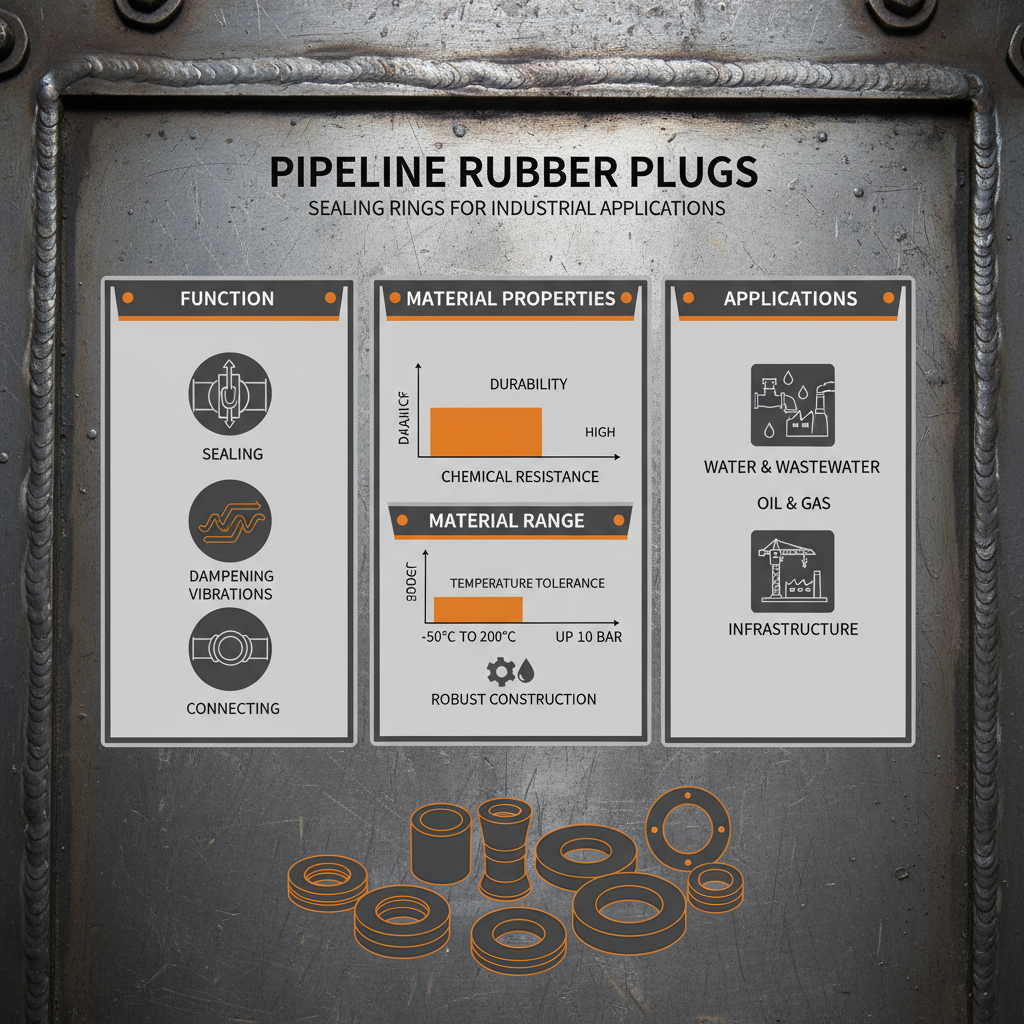
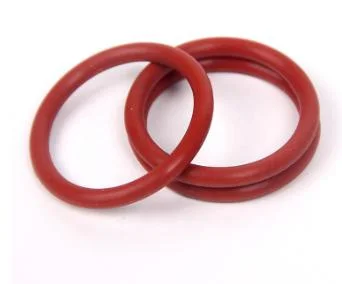
In the complex world of industrial fluid management, Pipeline Rubber Plugs serve as critical components for sealing, testing, and isolating piping systems. These specialized stoppers are designed to withstand immense pressure and chemical exposure, ensuring that maintenance can be performed without compromising the integrity of the entire network. By providing a reliable temporary or permanent seal, they prevent hazardous leaks and maintain system pressure during critical operational phases.
Globally, the demand for high-performance sealing solutions has surged as infrastructure ages and industrial standards become more stringent. Whether it is in municipal water works, oil and gas transmission, or chemical processing plants, the ability to isolate specific sections of a pipeline efficiently is paramount. The evolution of elastomer chemistry has allowed these plugs to be tailored for specific environments, from extreme cryogenic temperatures to high-heat industrial exhausts.
Understanding the technical nuances of Pipeline Rubber Plugs—such as shore hardness, material compatibility, and insertion methods—is essential for engineers and procurement specialists. Choosing the wrong material can lead to premature failure, resulting in costly downtime or environmental catastrophes. This guide explores the comprehensive landscape of these essential components, from their material science to their diverse global applications.
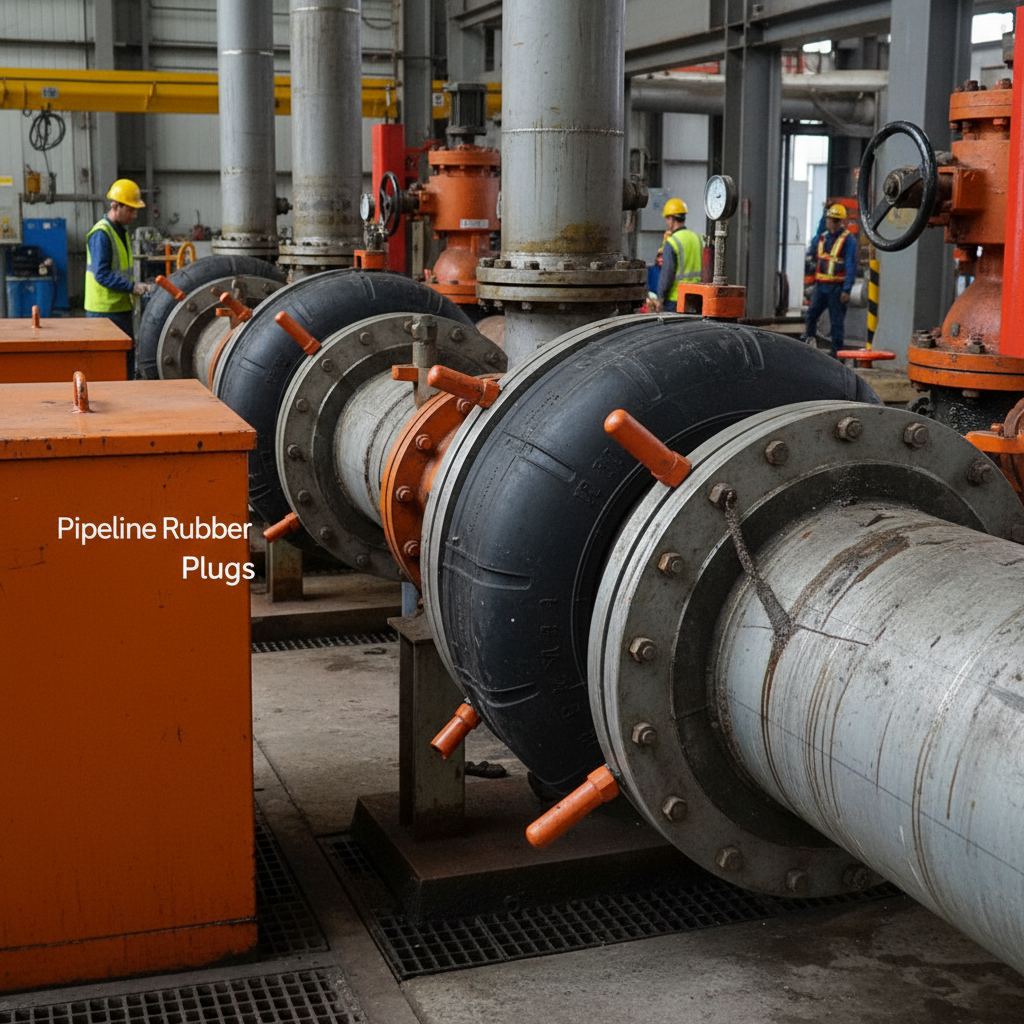
Global Relevance and Industry Context of Pipeline Rubber Plugs
The global infrastructure landscape is currently facing a critical challenge: the degradation of aging pipeline networks. According to ISO standards for piping systems, the failure to implement proper isolation during maintenance leads to significant resource loss and safety hazards. Pipeline Rubber Plugs have become indispensable in mitigating these risks, providing a scalable solution for everything from small-scale residential plumbing to massive industrial conduits.
In the context of the global energy transition, the repurposing of old gas pipelines for hydrogen transport requires precise sealing capabilities. The industry is seeing a shift toward "smart" isolation, where the physical barrier provided by rubber plugs is combined with pressure monitoring sensors. This ensures that the isolation is absolute, preventing the leakage of volatile substances into the surrounding soil or atmosphere, which is a primary concern for environmental regulatory bodies.
Defining Pipeline Rubber Plugs and Their Technical Role
At its most basic level, Pipeline Rubber Plugs are elastomeric stoppers designed to be inserted into the opening of a pipe to create a leak-proof seal. Unlike permanent caps, these are often designed for temporary use—such as during hydrostatic pressure testing—or as permanent plugs for unused line ends. They function through a combination of mechanical compression and the inherent elasticity of the rubber, which conforms to the internal geometry of the pipe.
The technical role of these components extends beyond simple blockage. In many industrial settings, they act as "blind flanges" made of rubber, allowing engineers to divert flow or isolate sections for cleaning and inspection without shutting down the entire plant. This modular approach to pipeline management increases operational efficiency and reduces the risk of systemic failure during routine maintenance cycles.
Modern industry requires these plugs to be more than just "pieces of rubber." They are now engineered as precision components, often incorporating reinforced cores or specialized flange designs to ensure they do not "blow out" under high back-pressure. This engineering rigor ensures that humanitarian projects, such as emergency water line repairs in disaster zones, can be executed quickly and safely.
Core Components and Material Selection Factors
The effectiveness of Pipeline Rubber Plugs depends heavily on the elastomer chosen. For standard water applications, EPDM (Ethylene Propylene Diene Monomer) is the gold standard due to its excellent resistance to weathering and heat. However, in oil-rich environments, Nitrile (NBR) is preferred because of its superior resistance to hydrocarbons, preventing the rubber from swelling or degrading upon contact with fuel.
Durability is another core factor. The "Shore Hardness" of the rubber determines how well the plug seals against rough internal pipe walls. A softer compound provides a better seal on irregular surfaces but may deform under high pressure, whereas a harder compound maintains its shape but requires more force to create an airtight seal. Balancing this hardness with tensile strength is the key to a long-lasting product.
Lastly, chemical compatibility cannot be overlooked. In pharmaceutical or food-grade pipelines, silicone or FDA-approved elastomers are used to ensure no contaminants leach into the fluid stream. This specialization ensures that the plugs meet strict global health standards, protecting the end consumer while maintaining the operational integrity of the production line.
Practical Performance Metrics and Efficiency
Evaluating the efficiency of Pipeline Rubber Plugs requires a look at their performance under various stress levels. The most critical metric is the "Pressure Rating," which defines the maximum force the plug can withstand before slipping or leaking. In professional installations, this is measured through rigorous hydrostatic testing to ensure a safety margin of at least 1.5x the expected operational pressure.
Another key performance indicator is the "Ease of Deployment." In emergency scenarios, the time taken to insert and secure a plug can be the difference between a controlled leak and an environmental disaster. Innovative designs now feature inflatable mechanisms or quick-turn locking nuts that drastically reduce installation time compared to traditional compression plugs.
Efficiency Comparison of Pipeline Rubber Plugs Methods
Global Applications and Industrial Use Cases
In real-world industrial zones, such as the petrochemical hubs in the Gulf Coast or the manufacturing centers of East Asia, Pipeline Rubber Plugs are used daily for "line blinding." This process involves plugging a pipe to ensure that no hazardous chemicals can enter a workspace while technicians are performing welding or grinding operations on the line. This is not just a matter of efficiency, but a critical safety protocol that prevents industrial accidents.
Beyond heavy industry, these plugs play a vital role in municipal infrastructure. For example, during the upgrade of sewage systems in densely populated European cities, inflatable rubber plugs are used to isolate specific manholes. This allows workers to repair pipes without diverting the entire city's waste flow, thereby reducing costs and minimizing the social disruption caused by road closures and service outages.
Long-Term Value and Sustainability Advantages
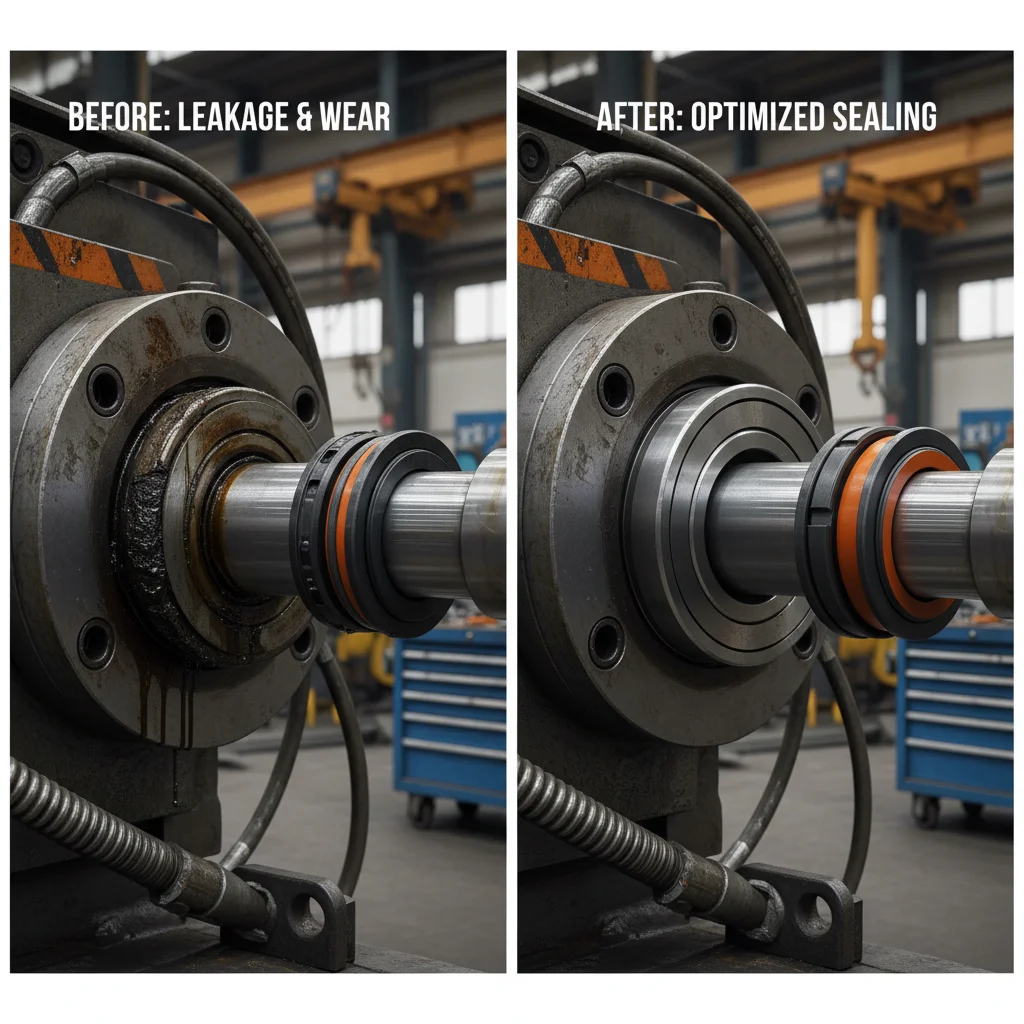
The long-term value of investing in high-quality Pipeline Rubber Plugs lies in the reduction of "Total Cost of Ownership." Cheap, low-grade rubber plugs often fail prematurely, leading to leaks that can cause millions of dollars in damage. By utilizing premium materials with high ozone and UV resistance, companies extend the replacement cycle and reduce the frequency of emergency interventions.
From a sustainability perspective, the move toward reusable, high-durability plugs is significantly more eco-friendly than the use of single-use plastic caps or temporary cement plugs. Reusable rubber components reduce the amount of industrial waste sent to landfills and lower the carbon footprint associated with the continuous manufacturing and shipping of replacement parts.
Moreover, the reliability of these seals provides psychological peace of mind for site managers and operators. Knowing that a section of a pipeline is securely isolated allows for a higher degree of trust in the safety protocols of the plant. This trust fosters a more innovative environment where maintenance can be planned more aggressively, leading to overall better plant uptime and productivity.
Future Trends and Innovations in Sealing Technology
The future of Pipeline Rubber Plugs is being shaped by the advent of "Smart Materials." We are seeing the development of self-healing elastomers that can automatically close small punctures or cracks caused by debris within the pipe. This innovation would virtually eliminate the risk of slow leaks, which are often the hardest to detect and most damaging to the environment over time.
Digital transformation is also playing a role through the integration of RFID tags and IoT sensors within the plug body. This allows facility managers to track exactly which plug is installed in which section of a massive network via a digital twin of the pipeline. Such automation prevents the dangerous mistake of accidentally removing a plug that is currently holding back a high-pressure load.
Finally, the shift toward green energy is driving the demand for fluoropolymer-based rubber plugs that can handle the unique corrosive properties of ammonia and hydrogen. As the world transitions away from carbon, the materials used to seal these new energy conduits must evolve to prevent the leakage of these highly diffusive gases.
Technical Analysis of Material Suitability for Pipeline Rubber Plugs
|
Material Type
|
Chemical Resistance
|
Temperature Range
|
Typical Use Case
|
|
Natural Rubber
|
Low (Poor Oil resistance)
|
-20°C to 70°C
|
General purpose water plugging
|
|
NBR (Nitrile)
|
High (Excellent Oil resistance)
|
-30°C to 110°C
|
Fuel and Oil pipelines
|
|
EPDM
|
High (Weather/Steam resistance)
|
-50°C to 150°C
|
Water treatment & Steam lines
|
|
Viton (FKM)
|
Very High (Chemical/Acid)
|
-20°C to 200°C
|
Aggressive chemical processing
|
|
Silicone
|
Medium (Biocompatible)
|
-60°C to 230°C
|
Food and Pharma grade lines
|
|
Neoprene
|
Medium (General Chem)
|
-40°C to 120°C
|
Marine and Saltwater pipes
|
FAQS
Choosing the correct size requires measuring the internal diameter (ID) of the pipe precisely. You should select a plug with an outer diameter slightly larger than the pipe ID to ensure a compression fit. For inflatable plugs, a range of sizes is typically available for a single model. Always verify if the pipe is nominal or actual size to avoid gaps that could lead to leakage under pressure.
While some Pipeline Rubber Plugs are designed for long-term use, they are primarily temporary isolation tools. For permanent closure, a rubber plug should be combined with a mechanical cap or a welded plate. Over many years, elastomers can degrade due to oxidation or chemical attack, so a secondary permanent barrier is always recommended for decommissioned lines.
Pressure capacity varies wildly based on the plug type and material. Standard compression plugs may handle 2-5 bar, while heavy-duty reinforced inflatable plugs can withstand 15 bar or more. Always check the manufacturer's pressure rating chart and ensure the plug is properly seated. Never exceed the rated pressure, as this can result in a "projectile" failure.
To prevent slippage, use plugs with integrated anchoring mechanisms or use an external bracing system. For inflatable versions, the friction created by the expanded rubber is usually sufficient, but adding a mechanical stop or a flange clamp provides an extra layer of safety. Always account for the "back-pressure" which acts as a force pushing the plug out.
Only specific materials are suitable for steam. EPDM and Silicone are the primary choices due to their high thermal stability. Standard Natural Rubber or Nitrile will harden and crack quickly when exposed to steam. Always verify the maximum continuous operating temperature (CT) of the material before installing it in a steam line to avoid catastrophic failure.
Clean your plugs using a mild detergent and water, avoiding harsh solvents that could degrade the rubber (e.g., avoid using acetone on EPDM). Inspect the surface for "checking" (small cracks) or permanent deformation. If the rubber has lost its elasticity or shows signs of swelling, it should be replaced immediately to ensure the safety of the next operation.
Conclusion
In summary, Pipeline Rubber Plugs are far more than simple industrial accessories; they are vital safety and operational tools that enable the modern world's infrastructure to function and evolve. By balancing material science—such as the use of EPDM, NBR, and Viton—with precision engineering, these components provide the necessary isolation to prevent leaks, protect workers, and ensure environmental compliance across global industries.
Looking forward, the integration of smart sensors and self-healing materials will further elevate the reliability of pipeline isolation. For companies seeking to optimize their maintenance cycles and reduce risk, investing in high-quality, custom-engineered rubber sealing solutions is not just a technical choice, but a strategic business decision. We encourage engineers and procurement officers to prioritize material compatibility and pressure ratings to ensure long-term systemic integrity. Visit our website: www.beikesealing.com