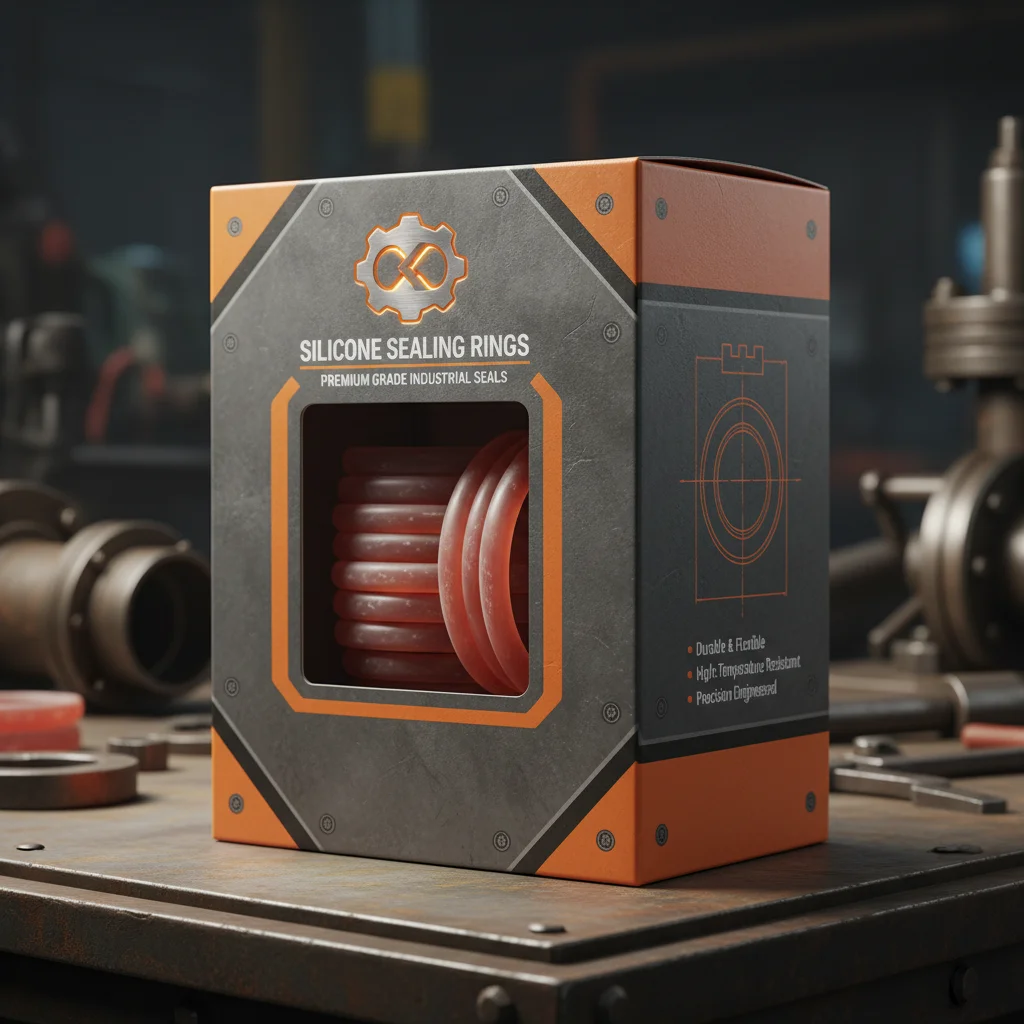
In the precision-driven world of industrial manufacturing, Rubber Sealing Stoppers serve as critical components that ensure the integrity of containers, valves, and machinery. These specialized components are engineered to prevent leakages, block contaminants, and maintain internal pressure, making them indispensable across sectors ranging from pharmaceuticals to automotive engineering. Understanding the nuances of material selection and design is key to optimizing operational efficiency and safety.
The global demand for high-performance sealing solutions has surged as industries shift toward more stringent safety standards and sustainable production methods. By implementing advanced Rubber Sealing Stoppers, companies can significantly reduce product waste caused by contamination and minimize the risk of hazardous leaks in high-pressure environments. This reliability not only protects the end-user but also safeguards the equipment from premature wear and tear.
Whether it is a simple plug for a laboratory vial or a complex industrial stopper for a hydraulic system, the effectiveness of these parts depends on their chemical compatibility and mechanical resilience. This guide explores the technical evolution, practical applications, and future trends of these essential components, providing a comprehensive overview for engineers and procurement specialists seeking to enhance their sealing strategies.
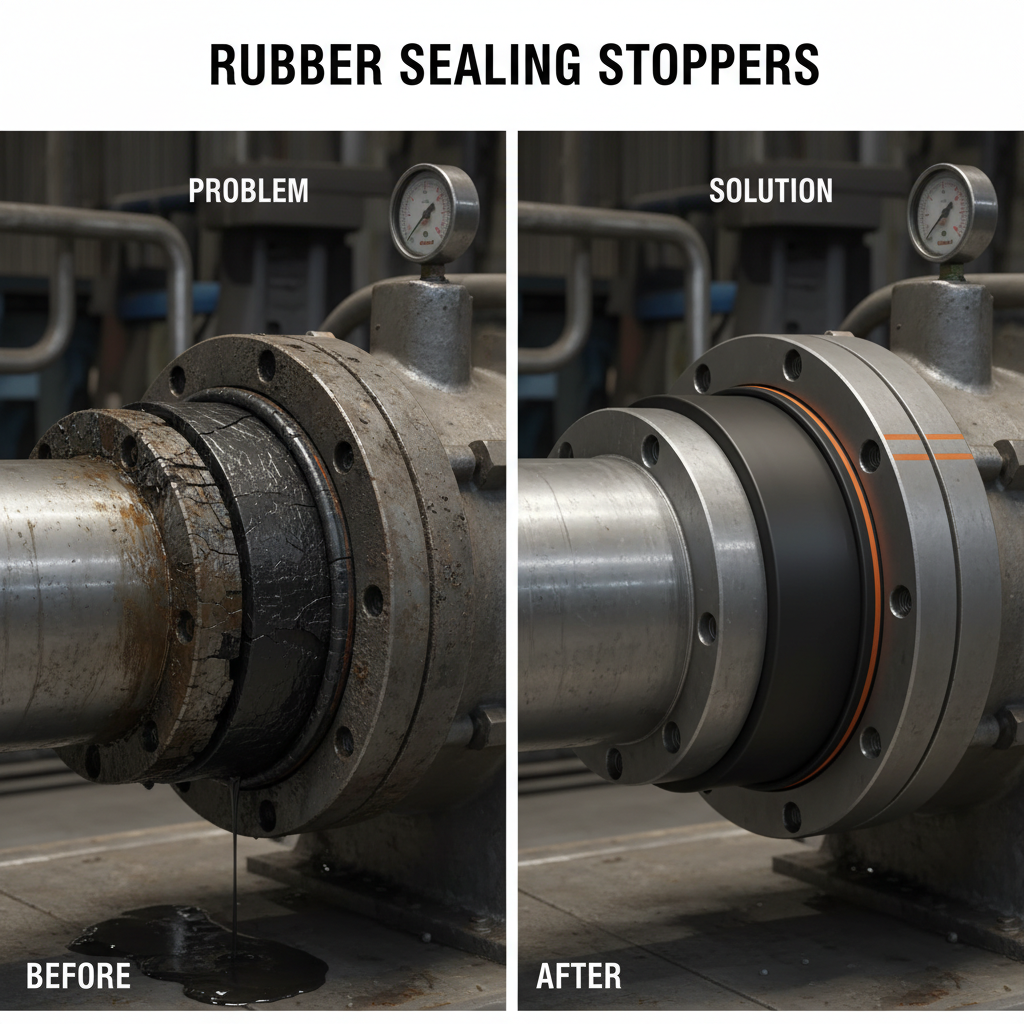
Global Industry Context of Rubber Sealing Stoppers
The global industrial landscape is increasingly reliant on the precision of Rubber Sealing Stoppers to meet ISO standards for quality and safety. In the pharmaceutical and biotech sectors, for instance, the integrity of a stopper can be the difference between a viable medication and a contaminated batch. As global trade expands, the need for standardized, high-durability sealing components has become a priority for manufacturers exporting to strictly regulated markets like the EU and North America.
Challenges such as extreme temperature fluctuations and corrosive chemical exposure in heavy industries have pushed the development of these stoppers toward advanced elastomers. Data from industry analysts suggest that the shift toward "Zero Leakage" policies in chemical processing plants is driving a significant upgrade in the materials used for sealing, moving away from general-purpose rubber to high-performance fluoroelastomers and silicone.
Defining the Role of Rubber Sealing Stoppers
At its most fundamental level, Rubber Sealing Stoppers are precision-molded elastomeric components designed to create an airtight or watertight seal within a designated opening. Unlike simple plugs, these stoppers are engineered with specific shore hardness and compression sets to ensure that they maintain a tight grip against the walls of a vessel or pipe, even under fluctuating internal pressures.
In modern industry, these components act as the first line of defense against environmental contamination. Whether they are used as temporary caps for shipping or permanent seals in medical devices, their role is to isolate the internal environment from the external one. This is critical for maintaining the sterility of food-grade products or preventing the escape of volatile organic compounds (VOCs) in industrial settings.
The connection between these stoppers and humanitarian needs is often overlooked but vital. In vaccine distribution and the transport of emergency medical supplies to remote regions, the reliability of a rubber stopper ensures that life-saving liquids do not leak or spoil during transit across harsh climates, directly impacting global health outcomes.
Core Factors Affecting Stopper Performance
The durability of Rubber Sealing Stoppers is primarily determined by the elastomer's resistance to degradation. Factors such as UV exposure, ozone levels, and the specific chemical nature of the contents being sealed can cause rubber to crack or swell, leading to catastrophic seal failure. Selecting the right material—whether it be Nitrile (NBR), EPDM, or Viton—is the first step in ensuring long-term reliability.
Scalability and precision in manufacturing are equally critical. For Rubber Sealing Stoppers to be effective, the tolerance levels must be incredibly tight. A deviation of even a fraction of a millimeter can result in a leak. High-precision injection molding and compression molding techniques allow manufacturers to produce millions of identical units that maintain a consistent seal across entire product lines.
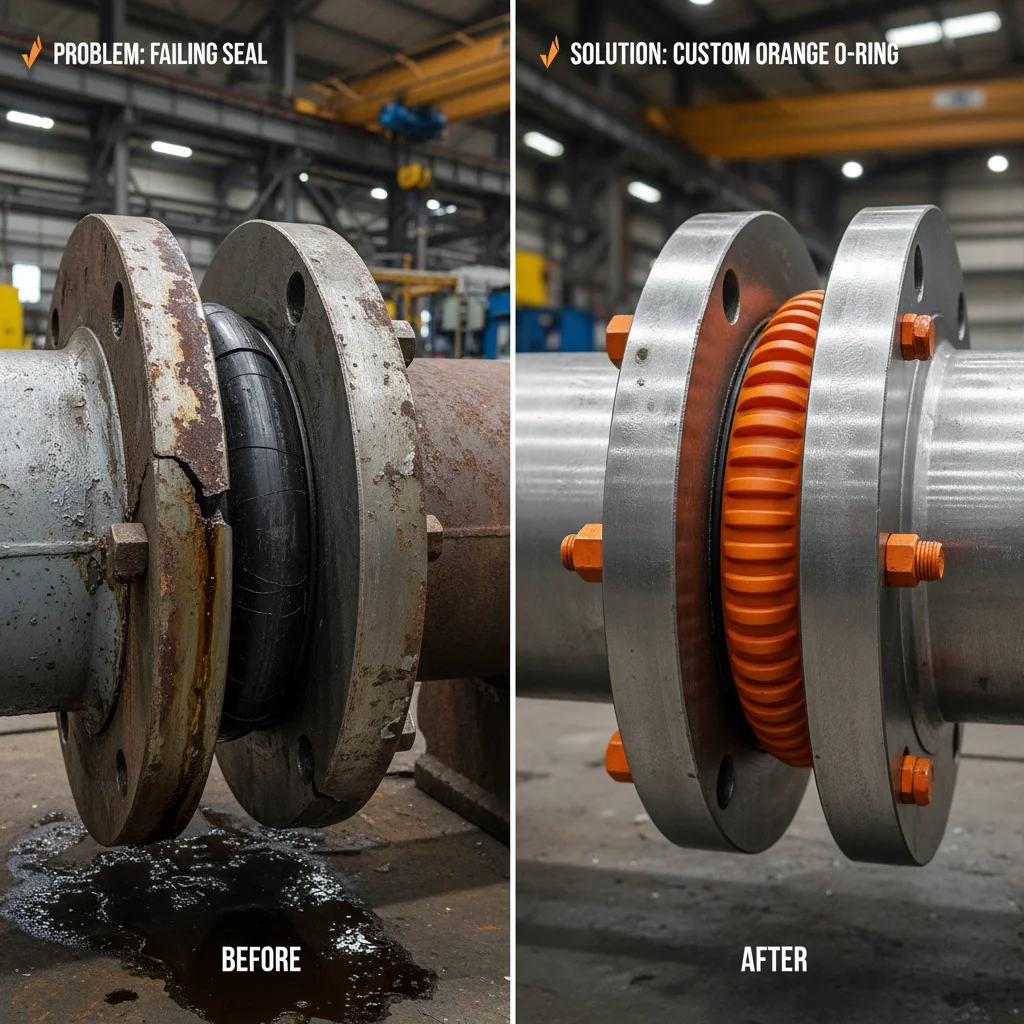
Cost efficiency is not just about the purchase price but the total cost of ownership. A cheaper stopper that fails every six months is far more expensive than a premium Rubber Sealing Stoppers solution that lasts five years. When factoring in the cost of downtime, labor for replacement, and potential product loss, high-quality materials offer a superior return on investment.
Global Applications and Use Cases
In real-world contexts, Rubber Sealing Stoppers are utilized in diverse environments. In the aerospace industry, they are used to seal fuel ports and hydraulic lines where failure is not an option. In the food and beverage industry, food-grade silicone stoppers ensure that bottling processes remain hygienic and compliant with FDA regulations, preventing the ingress of bacteria into the product.
Beyond traditional factories, these components play a role in remote industrial zones, such as oil rigs in the North Sea or mining operations in the Australian Outback. In these locations, stoppers must withstand extreme saltwater corrosion and temperature swings. Similarly, in post-disaster relief operations, portable water filtration units rely on reliable rubber seals to maintain vacuum pressure and ensure the delivery of clean drinking water.
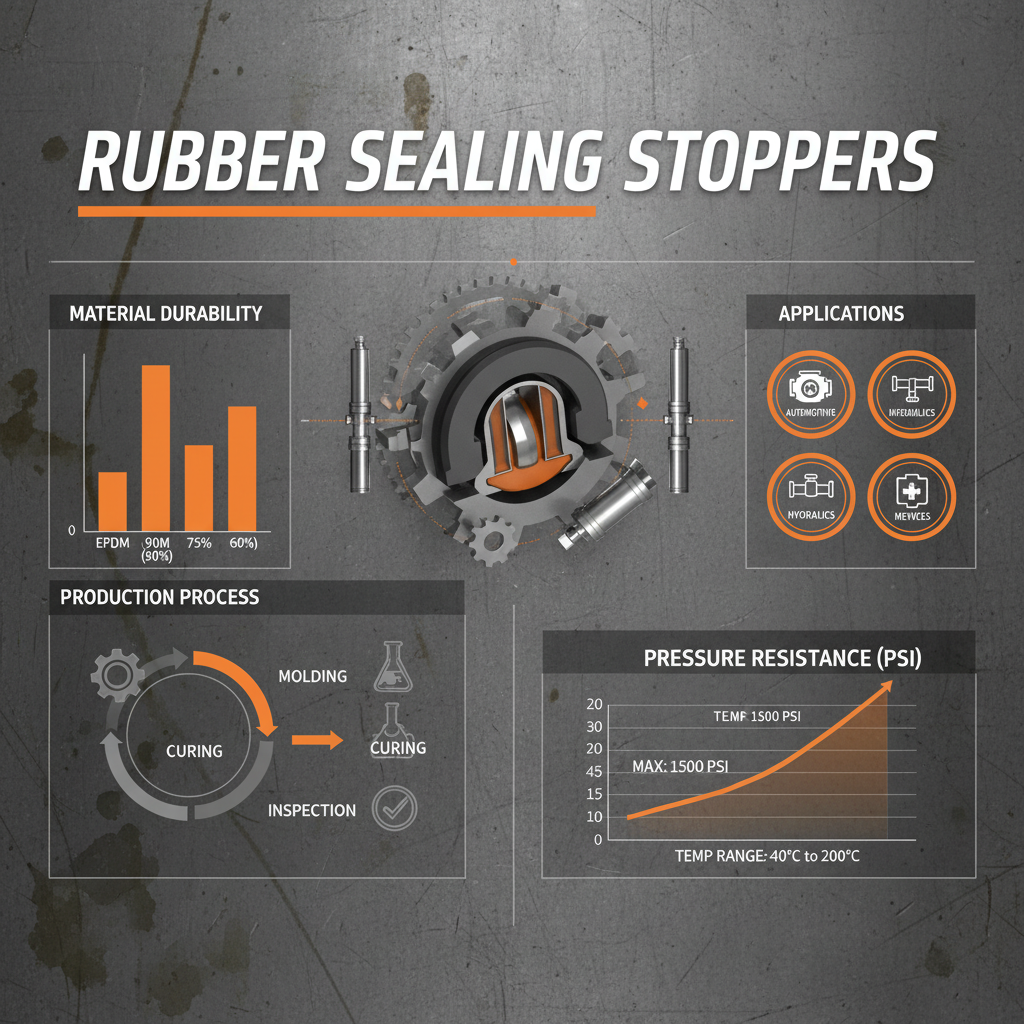
Comparative Efficiency of Rubber Sealing Stoppers Materials
Long-Term Value and Strategic Advantages
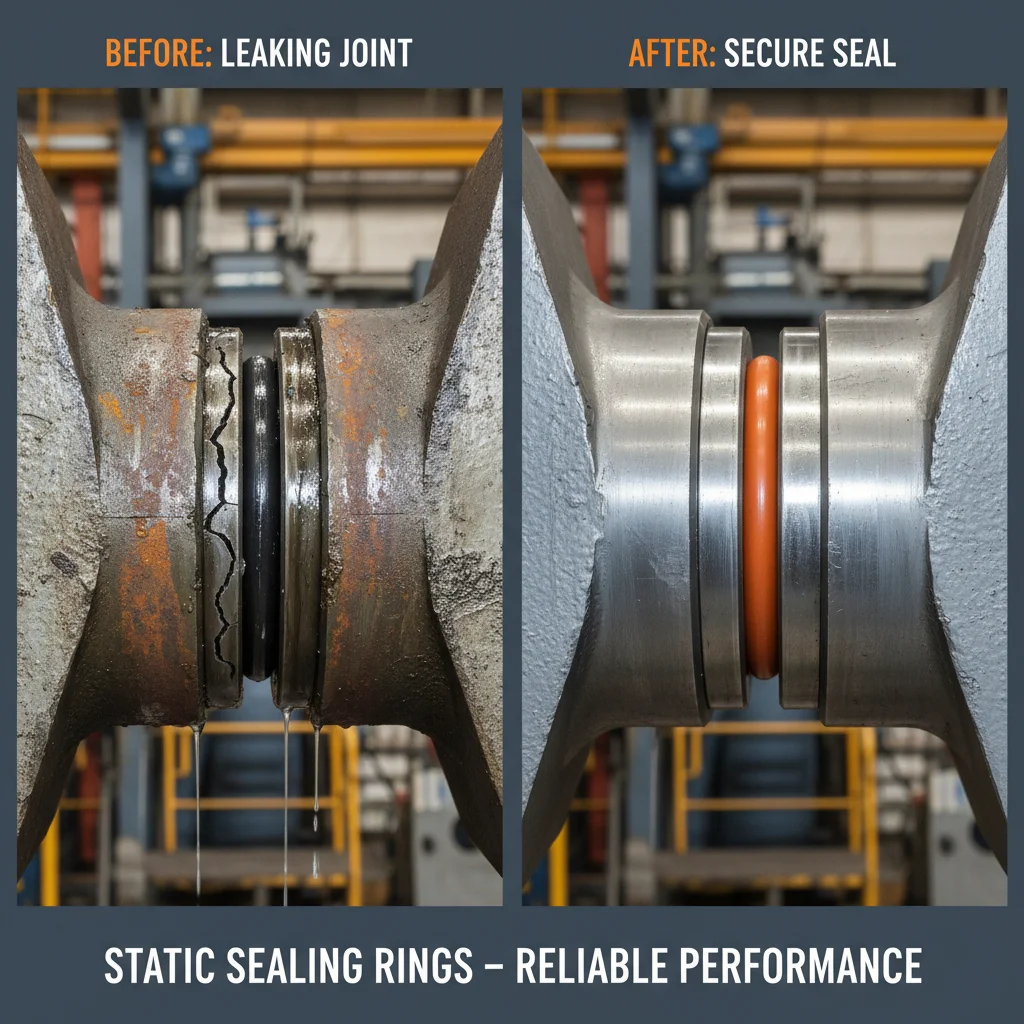
Investing in high-grade Rubber Sealing Stoppers provides tangible benefits in terms of sustainability. By extending the lifecycle of the equipment and reducing the frequency of part replacements, companies can significantly lower their plastic and rubber waste footprint. Moreover, the prevention of chemical leaks protects the surrounding soil and water, aligning corporate operations with global ESG (Environmental, Social, and Governance) goals.
Beyond the logical and financial gains, there is an emotional element of trust and safety. When a technician knows that the sealing system is fail-safe, operational stress is reduced, and the dignity of the workforce is upheld through a safer working environment. Innovation in stopper design doesn't just improve a product; it fosters a culture of reliability and precision that defines industry leaders.
Future Trends in Sealing Innovation
The future of Rubber Sealing Stoppers is being shaped by the rise of "smart materials." We are seeing the emergence of elastomers that can sense pressure changes or chemical breaches and provide a signal to a monitoring system. This digital transformation allows for predictive maintenance, where a stopper is replaced based on actual wear data rather than a fixed schedule, drastically reducing unnecessary downtime.
Sustainability is also driving a shift toward bio-based elastomers. Researchers are developing rubber alternatives derived from renewable sources that maintain the same sealing properties as petroleum-based rubber. These eco-friendly Rubber Sealing Stoppers will be essential for companies aiming for carbon neutrality in their supply chains.
Automation in the manufacturing of these parts is another key trend. 3D printing of rubber components—known as additive manufacturing—is allowing for the creation of complex, customized stopper geometries that were previously impossible to mold. This enables a perfect fit for bespoke industrial machinery, further enhancing the seal's efficiency and lifespan.
Overcoming Challenges in Stopper Implementation
One of the most common limitations in current practice is the "material mismatch," where a stopper is chosen based on cost rather than chemical compatibility. This often leads to swelling or premature hardening. To overcome this, expert consultation and the use of comprehensive chemical resistance charts are essential. Testing prototypes in simulated operational environments ensures that the selected Rubber Sealing Stoppers can withstand the actual stresses of the field.
Another challenge is the difficulty of installation in tight spaces, which can lead to the rubber being pinched or torn. Innovative approaches, such as the development of ergonomic insertion tools and the use of low-friction coatings, have helped mitigate this issue. By refining the installation process, companies can ensure that the theoretical performance of the stopper is actually realized in practice.
Finally, maintaining quality control across high-volume batches remains a struggle for some. Implementing automated optical inspection (AOI) systems can detect microscopic defects in the rubber surface before the Rubber Sealing Stoppers leave the factory. This shift toward total quality management ensures that every single unit provides the guaranteed level of protection.
Analysis of Material Suitability for Different Industrial Environments
| Material Type |
Temperature Range |
Chemical Resistance |
Best Application |
| Nitrile (NBR) |
-40°C to 120°C |
High (Oils/Fuels) |
Automotive Fuel Ports |
| Silicone |
-60°C to 230°C |
Medium (Food Grade) |
Medical/Food Vials |
| EPDM |
-50°C to 150°C |
High (Weather/Acid) |
Outdoor Infrastructure |
| FKM (Viton) |
-20°C to 200°C |
Very High (Aggressive) |
Chemical Processing |
| Neoprene |
-40°C to 100°C |
Medium (General) |
Marine Hardware |
| Natural Rubber |
-50°C to 80°C |
Low (Basic) |
Low-Pressure Caps |
FAQS
Choosing the right material depends on three main factors: the temperature of the environment, the chemicals the stopper will contact, and the required pressure. For oil-based environments, Nitrile (NBR) is standard. For medical or high-heat applications, Silicone is preferred. If you are dealing with aggressive acids or extreme heat, Viton (FKM) is the best choice to prevent degradation and ensure a long-lasting seal.
A standard plug is often used for basic closure and may not be airtight. In contrast, Rubber Sealing Stoppers are engineered for a specific "interference fit," meaning they exert outward pressure against the walls of the opening. They are designed with specific Shore hardness and compression properties to create a hermetic seal that can withstand vacuum or internal pressure without leaking.
Yes, absolutely. While standard sizes are available, custom molding allows for the creation of stoppers in any geometry—including oval, square, or tapered profiles. By providing a technical drawing or a sample of the opening, manufacturers can use injection or compression molding to create a bespoke seal that fits the specific contours of your equipment, ensuring a more reliable seal than a generic part.
Replacement intervals vary by application, but a general rule is to inspect them every 6 to 12 months in high-stress environments. Look for signs of "compression set" (where the rubber no longer bounces back), cracking, or swelling. In critical pharmaceutical or chemical systems, a predictive maintenance schedule based on the material's rated lifespan and actual exposure levels is recommended to avoid unplanned failures.
Yes, Food Grade Silicone and certain EPDM compounds are specifically designed to meet FDA and EU food-contact regulations. These materials are inert, meaning they won't leach chemicals into the food or beverage, and they can withstand the high temperatures required for steam sterilization (autoclaving). Always request a certificate of compliance to ensure the material meets the necessary health and safety standards.
Tearing often occurs due to excessive friction or misalignment. To prevent this, use a compatible lubricant (such as silicone grease) that does not degrade the rubber. Additionally, using a tapered insertion tool can help guide the stopper into place evenly. Ensuring the opening is deburred and smooth is also critical, as sharp edges are the leading cause of premature failure during the installation of Rubber Sealing Stoppers.
Conclusion
In summary, Rubber Sealing Stoppers are far more than simple closures; they are precision-engineered tools that ensure the safety, purity, and efficiency of countless industrial processes. From the careful selection of elastomers like Viton and Silicone to the implementation of tight manufacturing tolerances, every detail contributes to a system's overall reliability. By balancing material durability, cost-efficiency, and precise fit, industries can protect their products and their people from the risks of contamination and leakage.
Looking ahead, the integration of smart materials and sustainable, bio-based rubbers will further revolutionize the sealing industry. Companies that proactively upgrade their sealing strategies to include these innovations will not only improve their operational uptime but also lead the way in environmental stewardship. We encourage engineers and procurement officers to evaluate their current sealing components and move toward high-performance solutions that guarantee long-term value. Visit our website for expert guidance and custom solutions: www.beikesealing.com