In the demanding environment of aviation and space exploration, the integrity of every single component is paramount. High-performance sealing solutions are the unsung heroes of these systems, ensuring that critical fluids remain contained and harmful contaminants are kept at bay under extreme pressure and temperature fluctuations. The precision required for these components often determines the safety and efficiency of the entire mission.
The global aerospace industry operates under some of the strictest quality standards in the world, where the failure of a single seal can lead to catastrophic results. As aircraft push the boundaries of speed and altitude, and spacecraft venture further into the cosmos, the materials used in sealing must evolve to handle unprecedented stressors. This drive for reliability has pushed elastomer science to its limits, blending chemistry and mechanical engineering.
Understanding the technical nuances of Aerospace Seals is essential for engineers seeking to optimize aircraft longevity and safety. By leveraging advanced materials like FFKM, FKM, and specialized silicones, manufacturers can provide the necessary resilience against corrosive fuels and extreme thermal cycling.

Material Excellence in Aerospace Sealing
The selection of raw materials is the foundation of any high-reliability seal. For aerospace applications, materials must be chosen based on their chemical compatibility with hydraulic fluids and jet fuels. For instance, Fluorocarbon (FKM) and Perfluoroelastomers (FFKM) are frequently employed due to their exceptional thermal stability and resistance to aggressive chemicals, ensuring that seals do not degrade during high-temperature engine operations.
Beyond chemical resistance, physical properties such as durometer hardness (ranging from 30-90 Shore A) play a critical role in how a seal interacts with its mating surface. Whether utilizing EPDM for weathering resistance or Nitrile (NBR) for standard hydraulic systems, the goal is to achieve a perfect balance between flexibility and structural integrity to prevent leaks under varying atmospheric pressures.
Critical Performance Standards for Aviation
Compliance with international standards is not optional in the aerospace sector; it is a matter of safety. Adherence to ISO 9001 and TS 16949 ensures that the manufacturing process is consistent, reducing the risk of defects that could lead to system failure. Furthermore, meeting AS568, DIN, and ISO 3601 size standards allows for global interchangeability and precise fitment across different aircraft platforms.
Material certifications such as RoHS and USP Class VI are often required to ensure that the components are free from hazardous substances and meet purity levels necessary for sensitive environments. These certifications provide the necessary traceability and quality assurance that aerospace OEMs demand when sourcing critical rubber components.
The challenge lies in maintaining these tight tolerances while scaling production. By employing a rigorous Quality Control Department and utilizing imported raw materials from trusted suppliers like Dow Corning and JSR, manufacturers can ensure that every seal produced maintains the exact physical and chemical properties required for flight certification.
Engineering the Perfect Seal Fit
The design of Aerospace Seals must account for the dynamic nature of flight, including rapid decompression and intense vibration. A simple O-ring may suffice for static applications, but dynamic seals require more complex geometries, such as X-profiles or Y-rings, to maintain a seal while parts are in motion.
Precision in sizing is critical; even a micron-level deviation in a seal's cross-section can lead to failure under the extreme pressures found in hydraulic and pneumatic systems. This is why customized rubber parts are often preferred over standard sizes when the application involves high-stakes aerospace components.
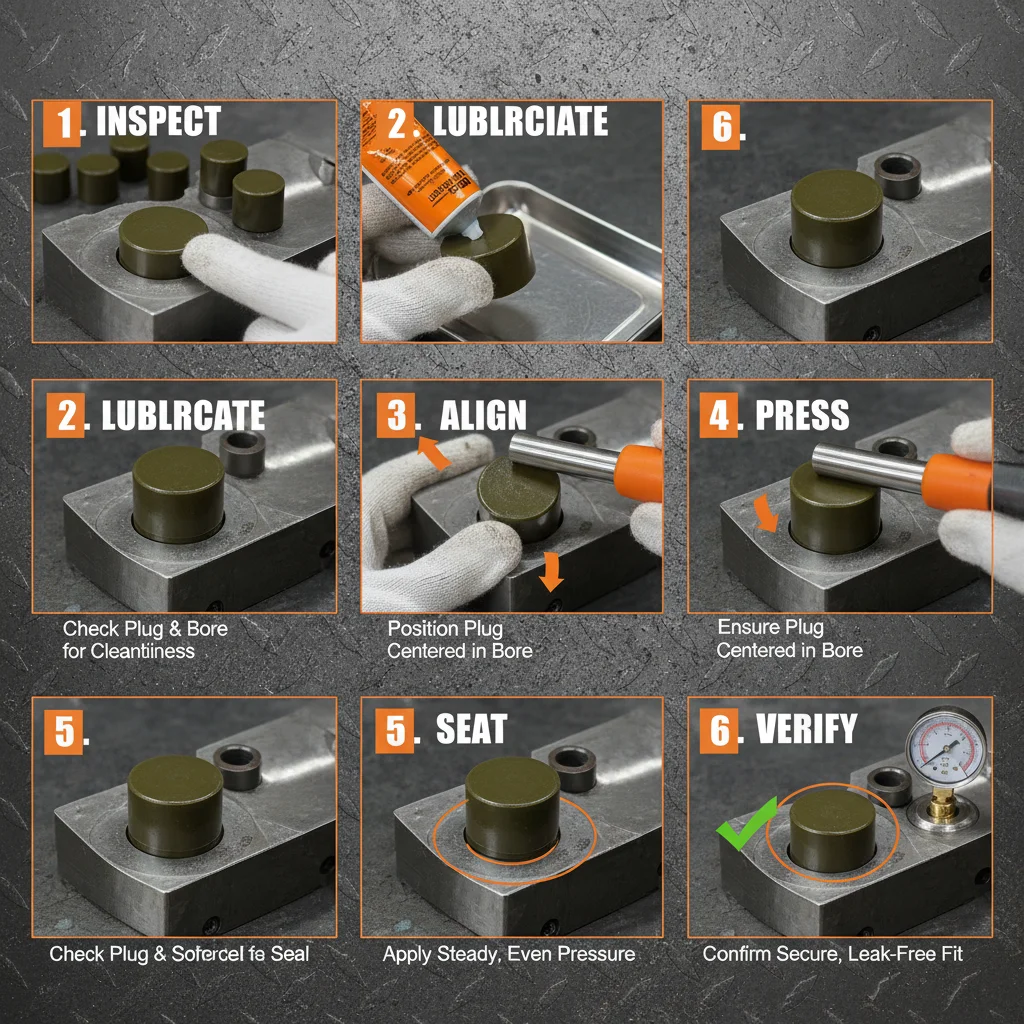
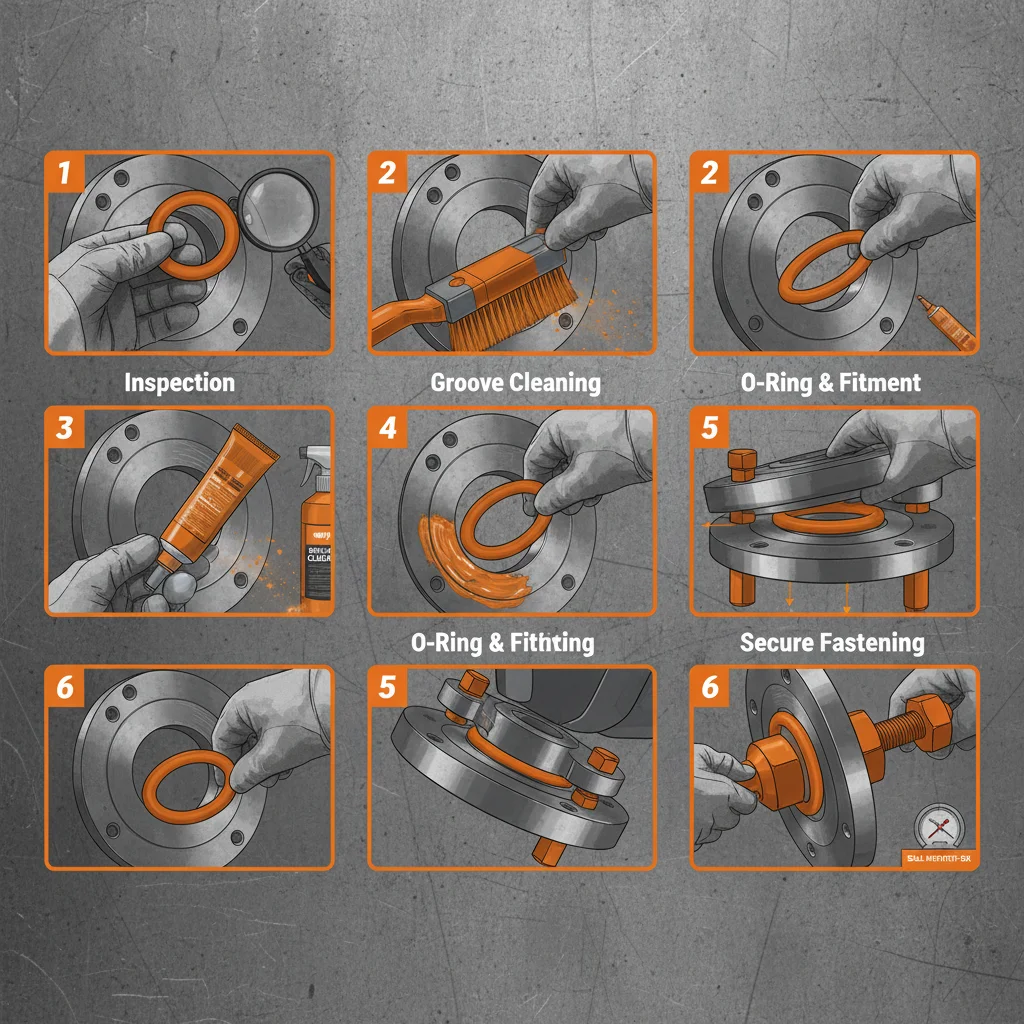
Integrating these Aerospace Seals into a system involves careful consideration of the gland design and compression rates. Proper installation techniques and the use of compatible lubricants are essential to prevent "stiction" or twisting during the assembly process, which could compromise the seal's lifespan.
Comparative Analysis of Seal Durability
When comparing different elastomer options, the choice often comes down to the specific operational envelope of the aircraft. Silicone offers unmatched low-temperature flexibility, making it ideal for external seals exposed to high-altitude cold, whereas FFKM provides the ultimate chemical resistance for engine-proximate components.
To better understand the trade-offs, engineers evaluate materials based on their resistance to ozone, oil, and temperature extremes. While NBR is cost-effective and excellent for general hydraulic use, it falls short in ozone-rich environments where EPDM would excel.
Material Performance Index for Aerospace Seals
Real-World Applications in Flight Systems
In practical application, these seals are found in everything from fuel injection systems to cockpit pressurization valves. In hydraulic landing gear, for example, seals must withstand sudden, massive pressure spikes without extruding or tearing, ensuring that the gear deploys reliably every time the pilot activates the switch.
Beyond heavy machinery, specialized seals are used in avionics cooling systems to prevent moisture ingress. In these scenarios, the ability of a seal to maintain its properties across a temperature range of -60°C to +230°C (as seen in high-grade silicone) is what prevents electronic failure at cruising altitudes.
Overcoming Extreme Environment Challenges
One of the most significant challenges in aerospace sealing is "compression set," where a seal loses its ability to return to its original shape after being compressed for a long period. This is particularly dangerous in aircraft that are stored for long durations, as a flattened seal can lead to leaks upon the next flight.
To combat this, engineers utilize materials with high resilience and specialized curing processes. By optimizing the cross-linking of the polymer chains, manufacturers can create seals that maintain a constant sealing force even after years of service in harsh conditions.
Additionally, the issue of "explosive decompression" occurs when gas trapped within the seal material expands rapidly during ascent. Utilizing materials with specific porosity and elasticity helps mitigate this risk, preventing the seal from rupturing and ensuring the cabin remains pressurized for the safety of passengers and crew.
Future Innovations in Seal Technology
The future of aerospace sealing is moving toward "smart seals" that can signal their own wear and tear. By integrating conductive nano-materials into the elastomer matrix, it may soon be possible to monitor the health of a seal in real-time, shifting maintenance from a scheduled basis to a condition-based approach.
Sustainability is also becoming a priority. The industry is exploring bio-based elastomers that offer the same performance as traditional petroleum-based rubbers but with a lower carbon footprint. This shift aligns with the broader aviation goal of reaching net-zero emissions through greener supply chains.
Automation in manufacturing, such as 3D printing of seals (additive manufacturing), allows for the creation of complex internal geometries that were previously impossible. This enables the development of seals with integrated channels for lubrication or cooling, further pushing the limits of what aircraft systems can achieve.
Analysis of Material Selection for Various Aerospace Environments
| Material Type |
Primary Environment |
Thermal Resistance |
Performance Score |
| FFKM |
Engine / Chemical Tanks |
Ultra-High |
9.8 |
| FKM |
Fuel Systems |
High |
8.5 |
| Silicone |
High Altitude / Cold |
Wide Range |
7.9 |
| EPDM |
External Weather Seals |
Moderate |
7.2 |
| NBR |
General Hydraulics |
Low to Moderate |
6.5 |
| PTFE |
Low Friction Joints |
High |
8.1 |
FAQS
For the highest temperature requirements, Perfluoroelastomers (FFKM) and Fluorocarbon (FKM) are the industry standards. FFKM, in particular, offers nearly universal chemical resistance and can withstand extreme heat without degrading, making it ideal for engine components and chemical processing within aircraft systems.
Explosive decompression is prevented by selecting elastomers with high resilience and specific molecular structures that allow trapped gases to diffuse more evenly. Using high-quality materials with a consistent durometer and precise curing processes ensures the seal can absorb the rapid pressure change without rupturing.
Yes, while AS568 provides a great baseline for standard applications, custom seals are often necessary when the flight hardware requires specific geometries (like X-profiles) or non-standard dimensions to achieve a tighter seal or better fit in a constrained space.
Lifespan varies wildly depending on the material and environment. A standard NBR seal in a low-stress area may last years, while a high-temperature engine seal might be replaced every few thousand flight hours. Regular inspection for compression set and cracking is essential for safety.
Generally, no. While silicone is excellent for temperature extremes, it has poor resistance to many hydrocarbon fuels and oils. For fuel systems, FKM or Nitrile (NBR) is much more appropriate due to their inherent chemical resistance to oil-based fluids.
Quality is verified through a combination of material certifications (such as ISO 9001, RoHS, and TS 16949) and physical testing, including hardness tests, tensile strength analysis, and chemical immersion tests to ensure the material doesn't swell or degrade in its intended environment.
Conclusion
The role of Aerospace Seals extends far beyond simple leak prevention; they are fundamental to the safety, reliability, and performance of modern aviation and space travel. From the selection of high-performance elastomers like FFKM and Silicone to the strict adherence to global standards like AS568 and ISO 9001, every detail contributes to the structural integrity of the aircraft. By balancing material science with precision engineering, manufacturers can ensure that these critical components withstand the most hostile environments known to man.
Looking forward, the integration of smart monitoring and sustainable materials will continue to revolutionize how we approach sealing in the skies. For engineers and procurement specialists, the key to success lies in partnering with manufacturers who prioritize quality control and material purity. To ensure your systems are equipped with the highest grade of sealing technology, we invite you to explore our specialized solutions. Visit our website: www.beikesealing.com