Understanding and Utilizing High Performance Antiaging ORings for Optimal Sealing
Understanding Anti-aging O-Rings and Their Applications
In a multitude of industries, from automotive and aerospace to hydraulics and plumbing, the reliability of sealing components is paramount. Anti-aging O-Rings are crucial for preventing leaks and ensuring optimal performance in various applications. These specialized seals are engineered to withstand degradation over time, offering extended service life and reducing maintenance costs. This article will delve into the importance of anti-aging O-rings, the materials used, their key benefits, common applications, and factors to consider when selecting the right O-ring for your needs. Choosing the correct O-ring ensures the longevity and efficiency of your systems.
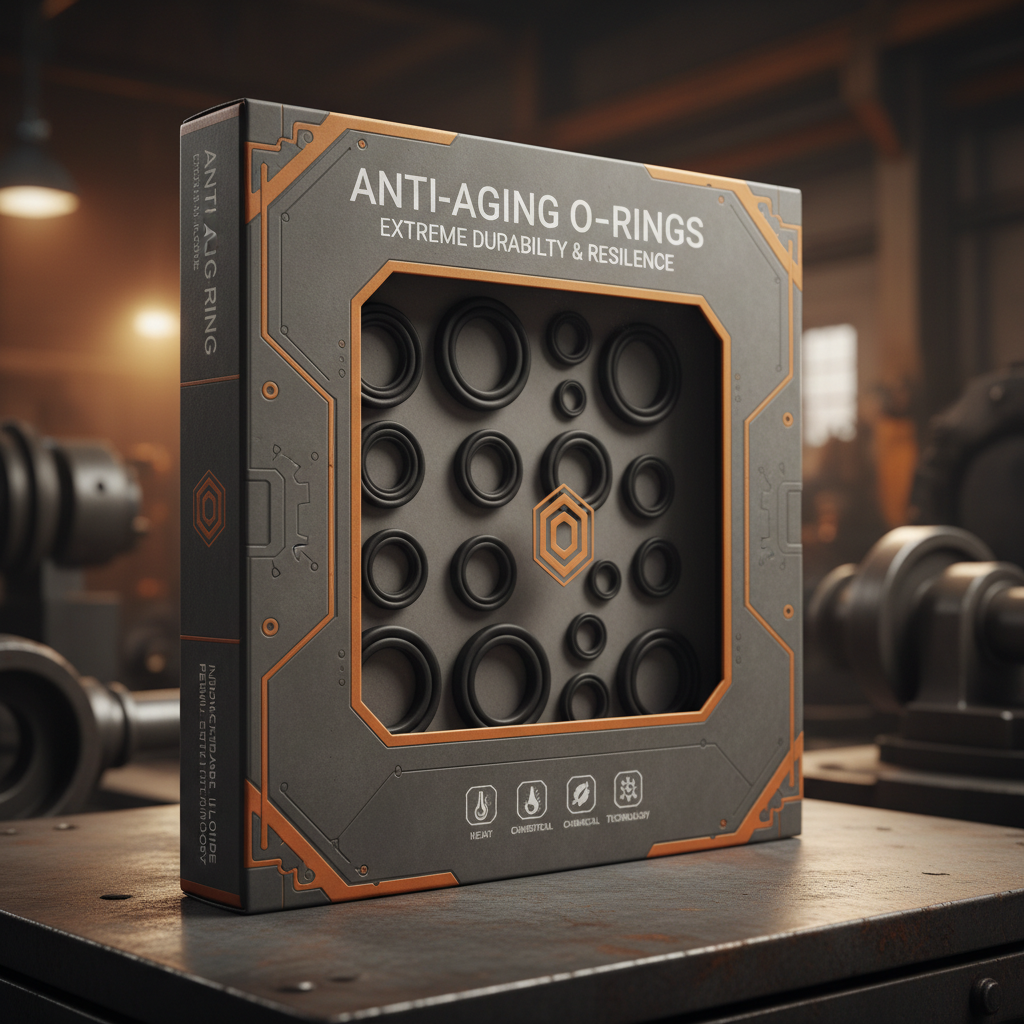
The Science Behind Anti-aging O-Rings
Traditional O-rings can become brittle and lose their sealing capabilities over time due to factors like heat, chemical exposure, and oxidation. Anti-aging O-rings address these issues through advanced material formulations. Manufacturers utilize compounds like Viton (FKM), silicone, and HNBR (Hydrogenated Nitrile Butadiene Rubber) with specialized additives to enhance resistance to degradation. These additives, including antioxidants and stabilizers, protect the polymer chains from breaking down, preserving the O-ring's elasticity and sealing performance for extended periods. The key is to mitigate the effects of environmental factors that accelerate aging.
Key Highlights: Advanced material formulations and specialized additives enhance resistance to degradation, preserving elasticity and sealing performance.
Materials Used in Anti-aging O-Ring Manufacturing
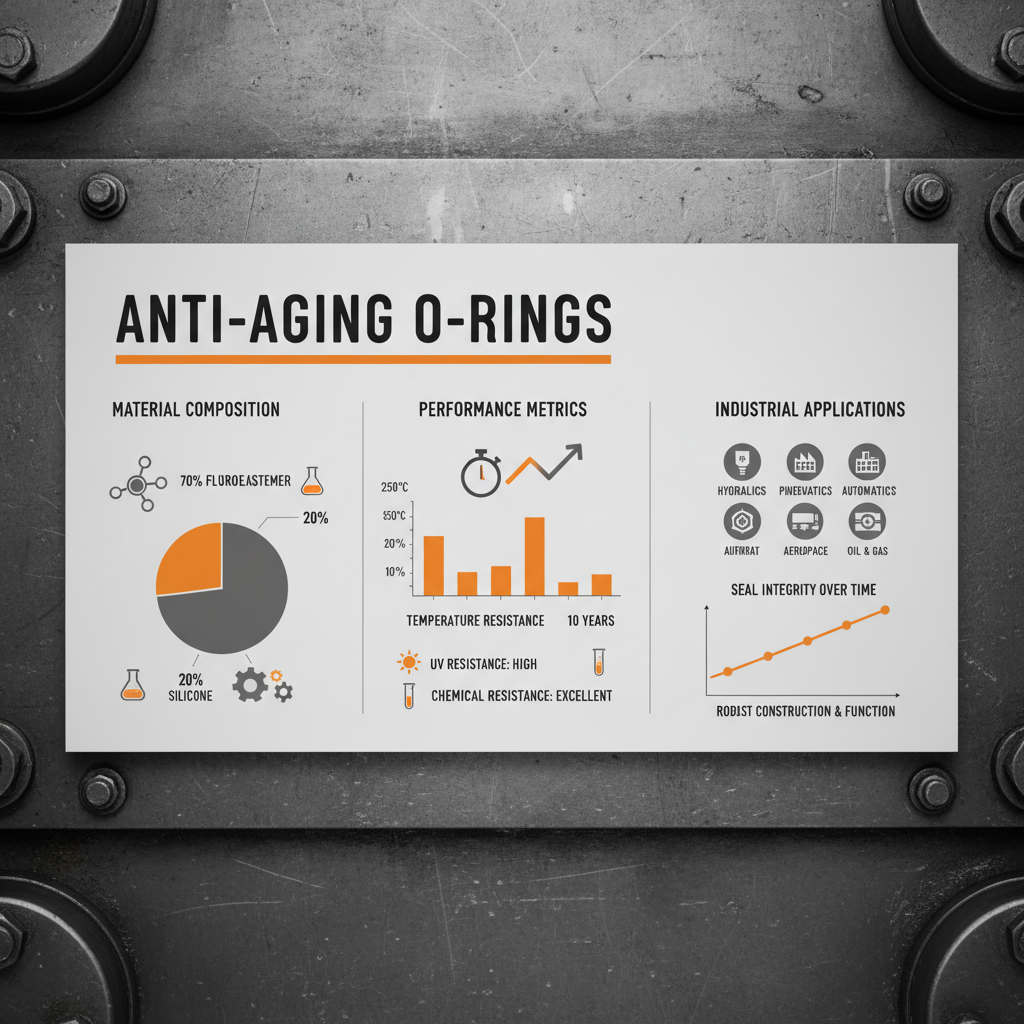
The choice of material is crucial for an anti-aging O-ring. Here's a breakdown of commonly used materials and their key characteristics:
Key Benefits of Utilizing Anti-aging O-Rings
Implementing anti-aging O-rings delivers numerous advantages. These include: prolonged seal life, reduced downtime due to fewer replacements, minimized leakage and associated costs, increased system reliability, and enhanced safety. The initial investment in higher-quality O-rings can yield significant long-term savings by reducing maintenance and repair expenses. Moreover, improved sealing performance translates to increased efficiency in various applications.
Benefits at a Glance:
• Prolonged Seal Life
• Reduced Downtime & Maintenance
• Minimized Leakage & Costs
• Enhanced System Reliability & Safety
Applications Across Industries
Anti-aging O-rings find extensive applications across diverse sectors. In the automotive industry, they are used in fuel systems, engine seals, and transmissions. The aerospace sector relies on them for hydraulic systems and engine components. Chemical processing plants utilize them for sealing pumps, valves, and reactors. Hydraulic systems in machinery benefit from their durability and resistance to fluid degradation. Medical devices also employ anti-aging O-rings to ensure reliable sealing and prevent contamination.
Factors to Consider When Selecting Anti-aging O-Rings
Choosing the correct anti-aging O-ring requires careful consideration of several factors. These include the operating temperature, chemical compatibility with the fluid being sealed, pressure requirements, and the specific application. It's essential to consult material compatibility charts to ensure the O-ring material will withstand the environment. Furthermore, considering the O-ring's size and durometer (hardness) is crucial for optimal sealing performance. Partnering with a reputable supplier like Beike Sealing can provide expert guidance in selecting the right O-ring for your unique needs.
Conclusion: Investing in Long-Term Reliability
Investing in high-quality anti-aging O-rings is a strategic decision that delivers long-term benefits. By minimizing downtime, reducing maintenance costs, and enhancing system reliability, these seals contribute significantly to operational efficiency. Choosing the right material and partnering with a trusted supplier like Beike Sealing ensures optimal performance and longevity. Don’t compromise on sealing integrity – choose anti-aging O-rings for a secure and reliable solution.
Frequently Asked Questions (FAQs)
What is the typical lifespan of an anti-aging O-ring?
The lifespan of an anti-aging O-ring varies based on operating conditions and the specific material used. However, compared to standard O-rings, they can last 2-5 times longer. Factors like temperature, chemical exposure, and pressure significantly impact longevity. Regular inspection and proper lubrication are crucial for maximizing lifespan. Viton O-rings, for example, typically offer the longest service life due to their excellent chemical and temperature resistance. It is always advisable to follow the manufacturer’s guidelines for replacement schedules.
How do I determine the correct O-ring size for my application?
Determining the correct O-ring size involves measuring the gland dimensions (inner diameter and cross-section). The inner diameter of the O-ring should match the shaft or housing size, and the cross-section determines the compression. Using an O-ring sizing kit is highly recommended for accurate measurements. You also need to consider the groove dimensions and material shrinkage. Consulting with an O-ring specialist at Beike Sealing can help ensure a perfect fit and optimal sealing performance.
Are anti-aging O-rings suitable for food-grade applications?
Yes, certain anti-aging O-ring materials, such as silicone and FDA-compliant grades of EPDM, are suitable for food-grade applications. These materials are non-toxic and won't leach harmful substances into the food. However, it’s crucial to verify that the specific O-ring material has the necessary certifications (e.g., FDA, USP Class VI) to meet the required safety standards. Always consult the manufacturer's documentation and regulatory guidelines for food contact materials.
What is the difference between HNBR and FKM (Viton)?
Both HNBR and FKM (Viton) are excellent choices for anti-aging O-rings, but they have different strengths. FKM offers superior resistance to a wider range of chemicals, especially aggressive fuels and oils, and higher temperatures. HNBR provides excellent abrasion resistance and is often more cost-effective than FKM. HNBR also performs well in dynamic applications with high levels of movement. The best choice depends on the specific application and the fluids it will be exposed to. For critical applications involving harsh chemicals and high temperatures, FKM is typically preferred.