Comprehensive Guide to Selecting High Performance Low Temperature ORings
Low Temperature O-Rings: A Comprehensive Guide
When dealing with extreme cold environments, the reliability of sealing components is critical. Low temperature O-rings are specifically engineered to maintain their flexibility and sealing properties in sub-zero conditions, preventing leaks and ensuring the optimal performance of equipment. This article will delve into the material science, applications, and selection criteria for these essential components, providing a thorough understanding for engineers, procurement professionals, and anyone working with cold-weather systems. Choosing the right O-ring can be the difference between smooth operation and costly failures.
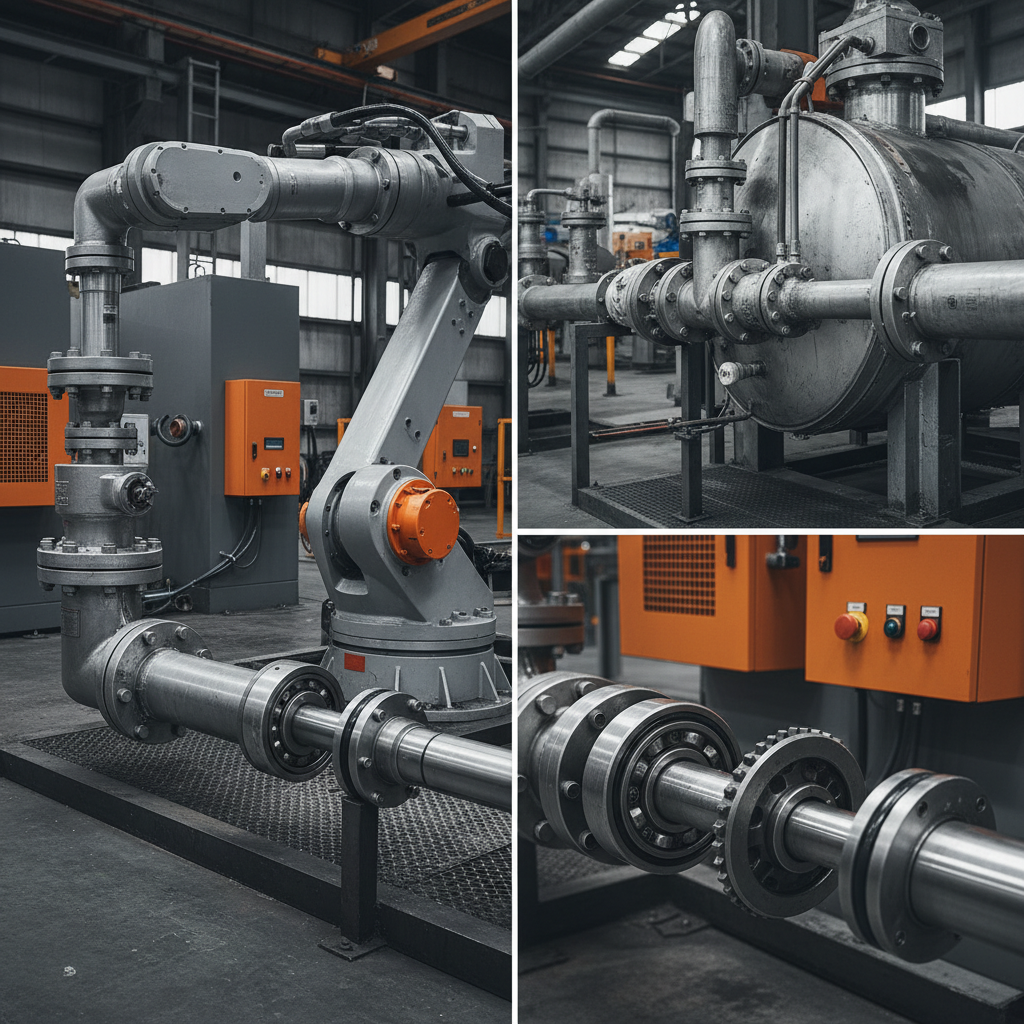
Understanding the Challenges of Low-Temperature Sealing
Standard rubber compounds, like Nitrile (NBR), become brittle and lose their elasticity at low temperatures. This brittleness leads to hardening, reduced compression set, and ultimately, leakage. Low temperature O-rings address this issue by utilizing materials formulated to remain flexible and resilient even in extremely cold environments. These materials typically have a lower glass transition temperature (Tg), meaning they retain their rubbery properties at lower temperatures. Factors such as the specific temperature range, fluid compatibility, and pressure requirements all play a crucial role in selecting the appropriate material.
Key Considerations: Material selection, temperature range, fluid compatibility, pressure requirements, and compression set are all crucial when choosing low temperature O-rings.
Common Materials for Low Temperature O-Rings
Several materials excel in low-temperature applications. Fluorosilicone (FVMQ) is widely used due to its excellent resistance to extreme temperatures and fuels. Hydrogenated Nitrile Butadiene Rubber (HNBR) offers improved low-temperature performance compared to standard NBR, while maintaining good oil resistance. Viton (FKM) can also be formulated for low-temperature applications, though generally at a higher cost. Ethylene Propylene Diene Monomer (EPDM) is a viable option for some applications, particularly those involving water or steam. The optimal material depends on the specific application and fluid compatibility needs. Beikesealing offers a wide selection of these materials.
Material Comparison:
• FVMQ (Fluorosilicone): Excellent temperature range, fuel resistance.
• HNBR (Hydrogenated Nitrile Butadiene Rubber): Improved low-temperature performance, good oil resistance.
• FKM (Viton): Good temperature range, chemical resistance, can be formulated for low temperatures.
• EPDM (Ethylene Propylene Diene Monomer): Water and steam resistance.
Low Temperature O-Ring Applications
These specialized O-rings are crucial in numerous industries. Aerospace applications, where hydraulic systems operate in extreme altitudes and temperatures, rely heavily on their performance. Oil and gas exploration in arctic regions demands robust sealing solutions. Automotive applications, particularly in cold climates, benefit from their ability to maintain seal integrity in engines and fuel systems. Furthermore, industrial refrigeration, scientific equipment, and outdoor instrumentation all require reliable low-temperature sealing. Choosing the correct material ensures reliable operation and prevents costly downtime.
Selecting the Right Low Temperature O-Ring
Choosing the appropriate O-ring requires careful consideration of several factors. First, determine the minimum operating temperature. Second, identify the fluid the O-ring will be exposed to and ensure material compatibility. Third, assess the pressure requirements of the system. Fourth, consider the required compression set to maintain a reliable seal over time. Beikesealing's experienced engineers can provide guidance on material selection and sizing to ensure optimal performance.
Product Specifications and Sizing
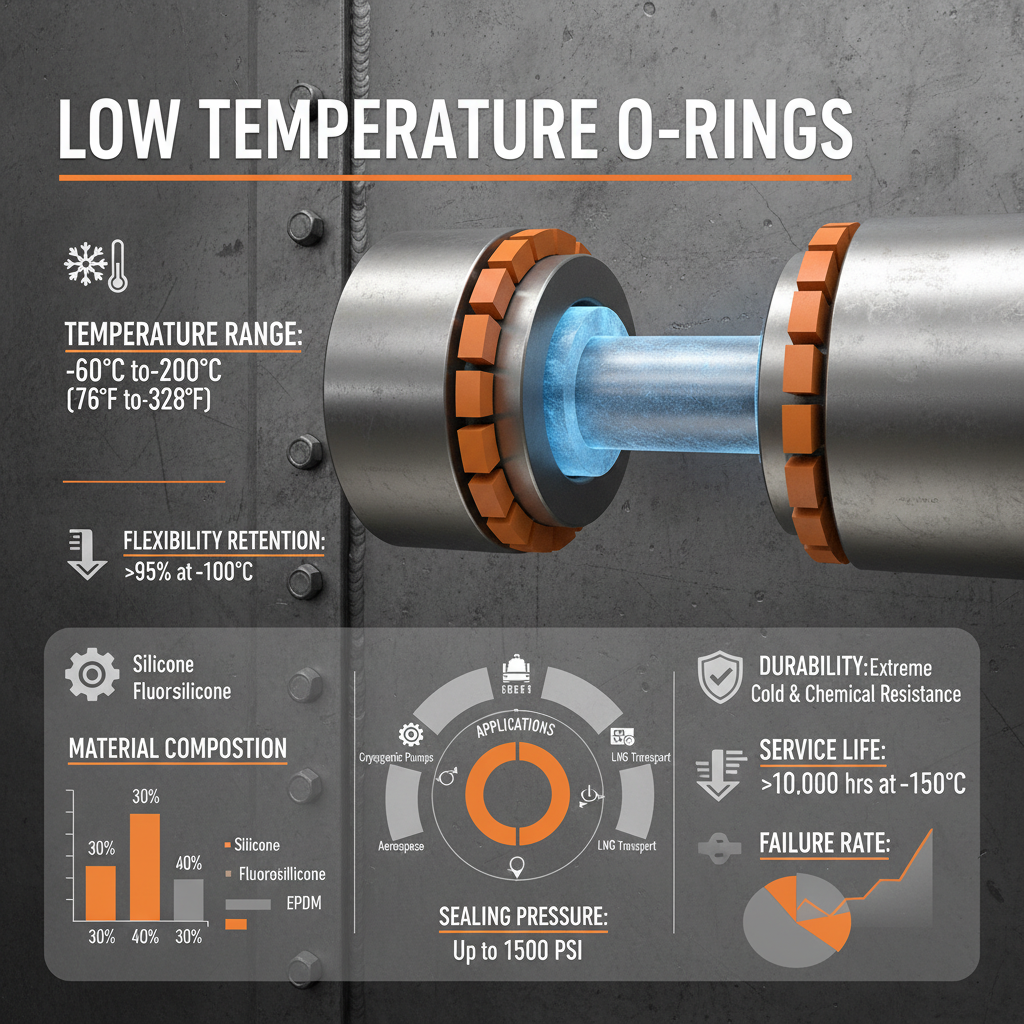
Low temperature O-rings are available in a wide range of sizes and standards, including AS568 and metric sizes. Custom sizes and materials can also be manufactured to meet specific application requirements. Accurate sizing is crucial for ensuring a proper seal. Beikesealing offers comprehensive technical data sheets and sizing guides to assist in the selection process. We also provide custom molding services to create O-rings tailored to your unique needs.
Conclusion: Ensuring Reliability in Cold Environments
Selecting the right low temperature O-ring is essential for maintaining the integrity and performance of systems operating in cold climates. By understanding the material properties, application requirements, and proper sizing, you can prevent leaks, reduce downtime, and ensure reliable operation. Beikesealing is your trusted partner for high-quality sealing solutions.
Frequently Asked Questions (FAQs)
What temperature range can FVMQ O-rings withstand?
Fluorosilicone (FVMQ) O-rings typically perform well in a temperature range of -60°C to +200°C (-76°F to +392°F). However, the exact temperature limits can vary depending on the specific formulation and application. It's crucial to consult the manufacturer’s data sheet for detailed specifications. FVMQ’s exceptional flexibility at low temperatures makes it ideal for demanding applications like aerospace and arctic exploration.
How does HNBR compare to NBR in low-temperature performance?
HNBR (Hydrogenated Nitrile Butadiene Rubber) offers significantly improved low-temperature performance compared to standard NBR (Nitrile Rubber). While NBR becomes brittle at temperatures below -20°C, HNBR can maintain its flexibility and sealing properties down to -40°C or even lower, depending on the specific grade. Hydrogenation modifies the NBR polymer, increasing its resistance to heat, ozone, and low temperatures while maintaining good oil and fuel resistance.
Is FKM a good choice for very low-temperature applications?
While FKM (Viton) offers excellent chemical and temperature resistance, it's generally not the best choice for extremely low-temperature applications. Its glass transition temperature is higher than FVMQ or HNBR, meaning it can become stiff and lose its sealing properties at very low temperatures. However, specialized FKM formulations are available that exhibit improved low-temperature flexibility, making them suitable for some applications down to -20°C. FVMQ remains the preferred choice for the lowest temperature ranges.
What factors affect the lifespan of a low-temperature O-ring?
Several factors impact the lifespan of a low-temperature O-ring. These include the operating temperature, exposure to chemicals and fluids, pressure fluctuations, and the quality of the material. Proper installation and lubrication are also crucial. Regular inspection for signs of wear, cracking, or swelling is recommended. Additionally, ensuring the O-ring is properly sized for the application and protected from UV exposure will help maximize its lifespan.