Comprehensive Guide to EPDM ORings for Sealing Solutions
Understanding EPDM O-Rings: A Comprehensive Guide
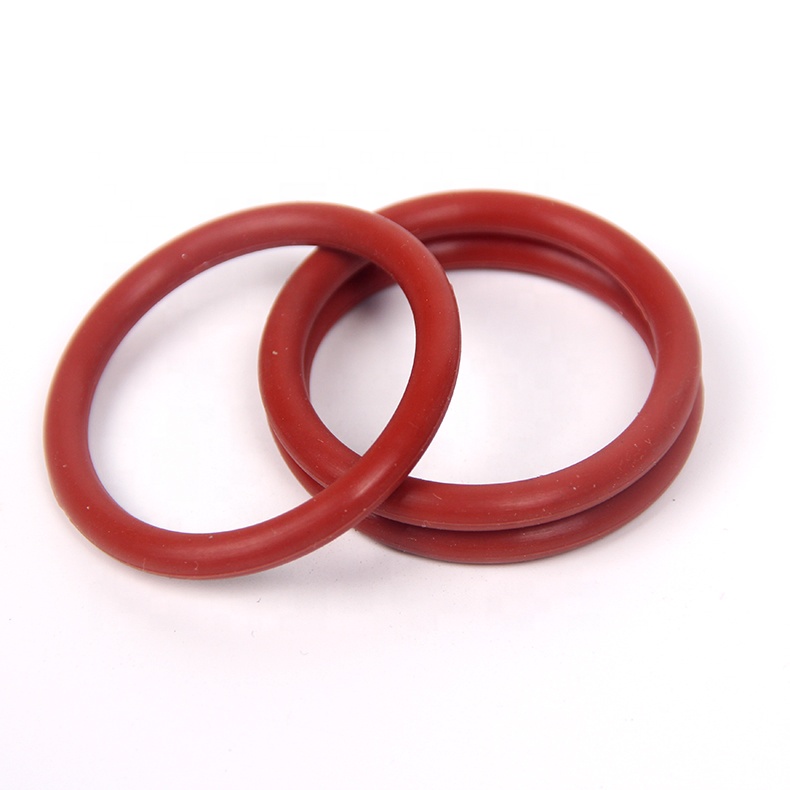
EPDM O-Rings are a vital component in countless sealing applications across diverse industries. Known for their exceptional resistance to weathering, ozone, and a wide range of chemicals, these rings provide reliable sealing performance in demanding environments. This article will explore the properties, applications, benefits, and selection considerations for EPDM O-Rings, equipping you with the knowledge to make informed decisions for your sealing needs. Choosing the right O-ring material is critical for preventing leaks and ensuring the longevity of your equipment.
What is EPDM and Why is it Ideal for O-Rings?
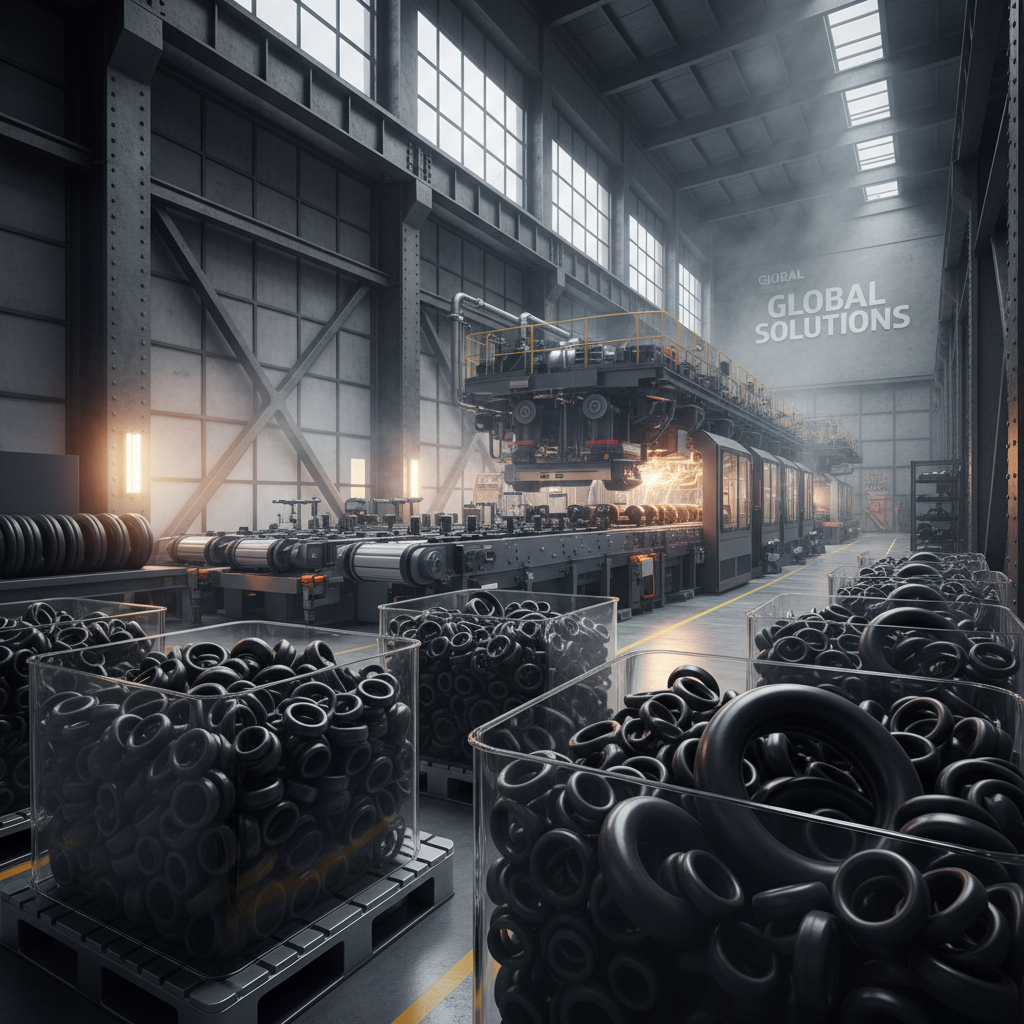
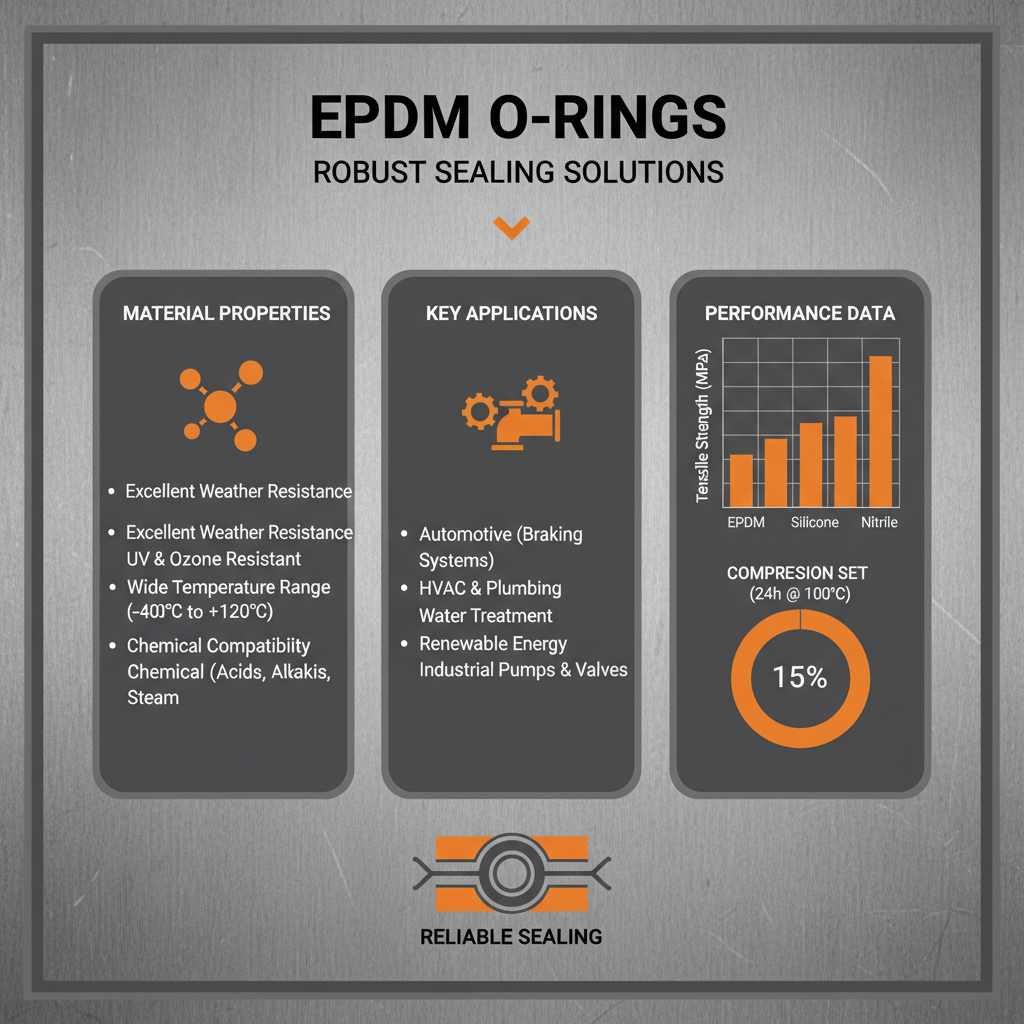
EPDM stands for Ethylene Propylene Diene Monomer, a synthetic rubber known for its outstanding resistance to heat, ozone, UV exposure, and weathering. This makes it particularly well-suited for outdoor applications and environments where prolonged exposure to the elements is a concern. Unlike many other elastomers, EPDM is exceptionally resistant to water and steam, making it a preferred choice for sealing in water systems and high-humidity environments. Furthermore, it exhibits excellent resistance to many acids, alkalis, and polar solvents. Beikesealing specializes in high-quality EPDM O-rings designed for optimal performance.
Key Highlights: Exceptional resistance to weathering, ozone, UV exposure, and heat. Excellent resistance to water, steam, and many chemicals.
Applications of EPDM O-Rings Across Industries
The versatility of EPDM O-Rings leads to their widespread use in various industries. In the automotive sector, they seal fuel systems, coolant systems, and brake systems. The food and beverage industry utilizes EPDM for its non-toxic nature and resistance to cleaning agents. Plumbing systems rely on EPDM O-Rings for reliable water and wastewater seals. Pharmaceutical applications also benefit from EPDM's purity and chemical resistance. Additionally, they are commonly found in HVAC systems, industrial machinery, and marine applications. The demand for durable, reliable seals drives the continued use of EPDM O-Rings in these sectors.
Common Applications:
• Automotive Fuel & Coolant Systems
• Food & Beverage Processing
• Plumbing & Wastewater Treatment
• HVAC Systems
EPDM O-Rings vs. Other O-Ring Materials: A Comparison
While various materials can be used for O-Rings, EPDM stands out in specific applications. Compared to Nitrile (NBR), EPDM offers superior resistance to ozone, weathering, and UV exposure, but typically has lower resistance to oils. Silicone O-Rings excel at high-temperature performance but are generally more expensive than EPDM. Viton (FKM) provides excellent chemical resistance but is significantly pricier than EPDM. Choosing the right material depends on the specific application and the fluids or environments the O-Ring will be exposed to. Contact Beikesealing for expert guidance in material selection.
Selecting the Right EPDM O-Ring: Key Considerations
Choosing the correct EPDM O-Ring involves considering several factors. The size (inner diameter, cross-section) must precisely match the application's requirements. The durometer (hardness) determines the O-Ring's flexibility and sealing force – higher durometers offer greater resistance to extrusion but less flexibility. The fluid compatibility is crucial; ensure the EPDM is resistant to the specific chemicals it will encounter. Finally, consider the operating temperature and pressure to select an O-Ring that can withstand the conditions.
Conclusion: Ensuring Reliability with EPDM O-Rings
EPDM O-Rings offer a robust and versatile sealing solution for a wide range of applications. Their exceptional resistance to weathering, chemicals, and extreme temperatures makes them a preferred choice across numerous industries. By carefully considering the application requirements and selecting the appropriate size, durometer, and grade of EPDM, you can ensure reliable performance and prevent costly leaks. Beikesealing provides high-quality EPDM O-Rings tailored to your specific needs.
Frequently Asked Questions (FAQs)
What is the typical service life of an EPDM O-Ring?
The service life of an EPDM O-Ring varies depending on the application and environmental factors. Generally, EPDM O-Rings can last for several years with proper installation and maintenance. However, exposure to extreme temperatures, harsh chemicals, or excessive pressure can shorten their lifespan. Regular inspection for swelling, cracking, or loss of elasticity is crucial. It's recommended to replace O-Rings periodically, even if no visible damage is present, as degradation can occur over time. Beikesealing offers expert advice on determining the appropriate replacement schedule.
Are EPDM O-Rings suitable for food contact applications?
Yes, EPDM is generally considered safe for food contact applications, provided it meets relevant regulatory standards like FDA and NSF. Food-grade EPDM formulations are available and are specifically designed to prevent the leaching of harmful substances into food products. However, it's essential to verify that the specific EPDM compound used is certified for food contact to ensure compliance with safety regulations.
What factors can cause EPDM O-Rings to fail?
Several factors can contribute to EPDM O-Ring failure. These include: incompatible fluids causing swelling or degradation, excessive temperatures leading to hardening or softening, mechanical damage from improper installation or abrasion, extrusion caused by excessive pressure, and aging due to exposure to ozone, UV radiation, or oxygen. Choosing the correct EPDM grade and properly installing and maintaining the O-Ring can significantly extend its service life.
How should EPDM O-Rings be stored to maximize their shelf life?
To maximize the shelf life of EPDM O-Rings, store them in a cool, dry, and dark place away from direct sunlight, ozone sources (like electric motors), and extreme temperatures. Avoid storing them near chemicals or solvents that could cause degradation. Ideally, store them in their original packaging or in airtight containers to prevent exposure to air and moisture.