Comprehensive Guide to Chemical Industry ORings for Safe and Efficient Sealing
Chemical Industry O-Rings: A Comprehensive Guide
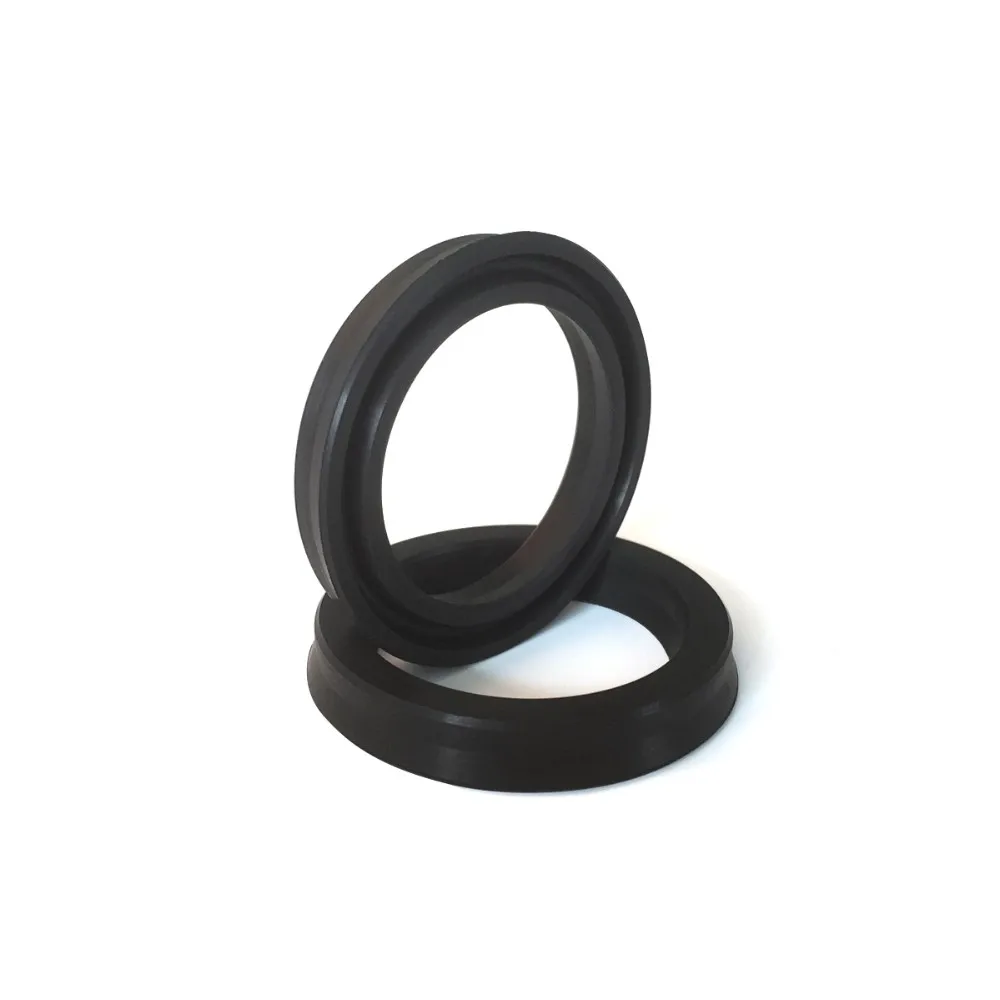
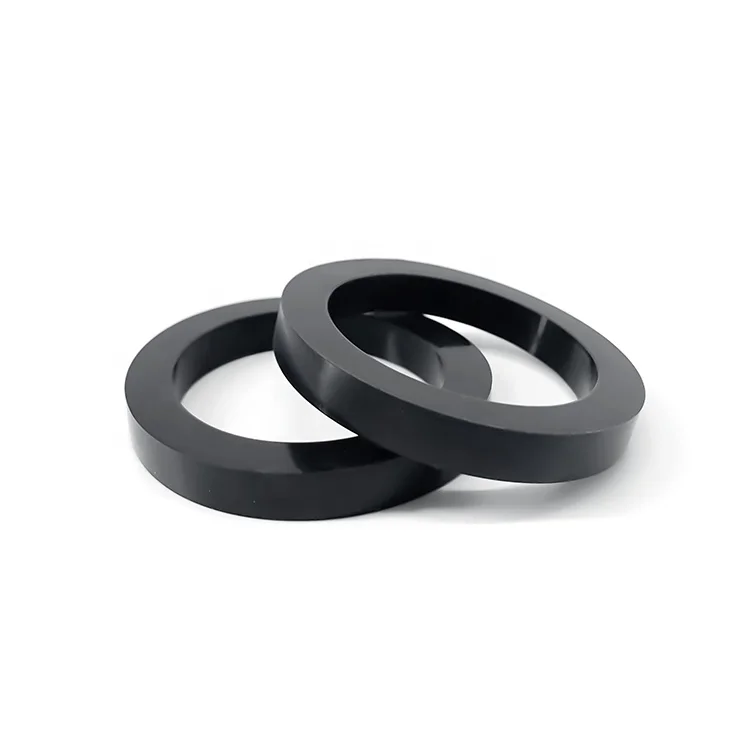
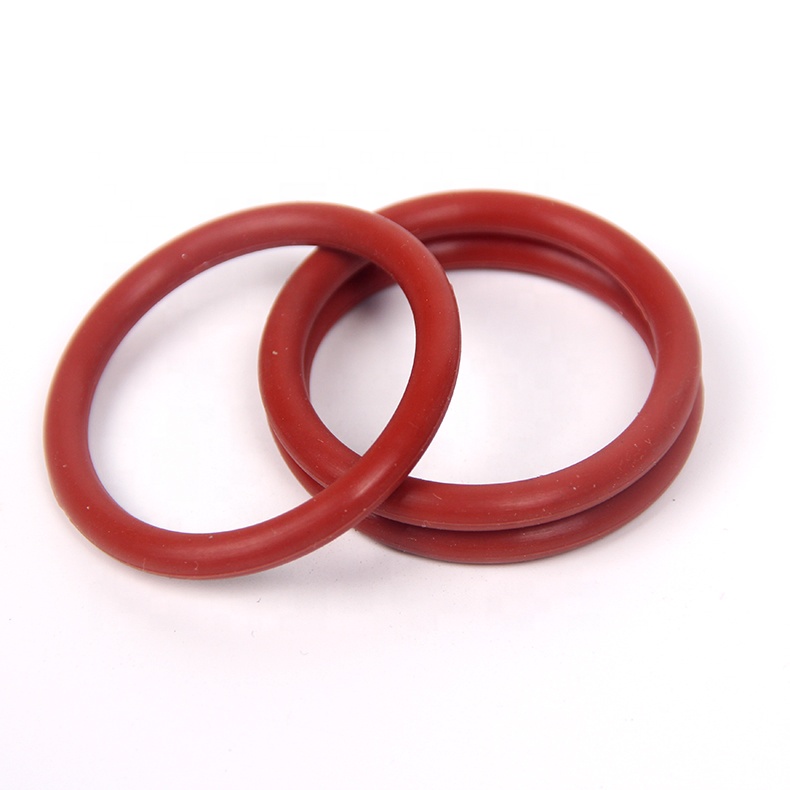
The chemical industry demands components that can withstand harsh environments, corrosive substances, and extreme temperatures. O-rings play a crucial role in sealing critical equipment, preventing leaks, and ensuring safe operation. Selecting the right O-ring material is paramount to long-term performance and safety. This article provides a detailed overview of O-rings for the chemical industry, focusing on material selection, applications, and best practices. Ensuring the integrity of your seals is vital for preventing costly downtime and maintaining process efficiency.

Understanding O-Ring Materials for Chemical Compatibility
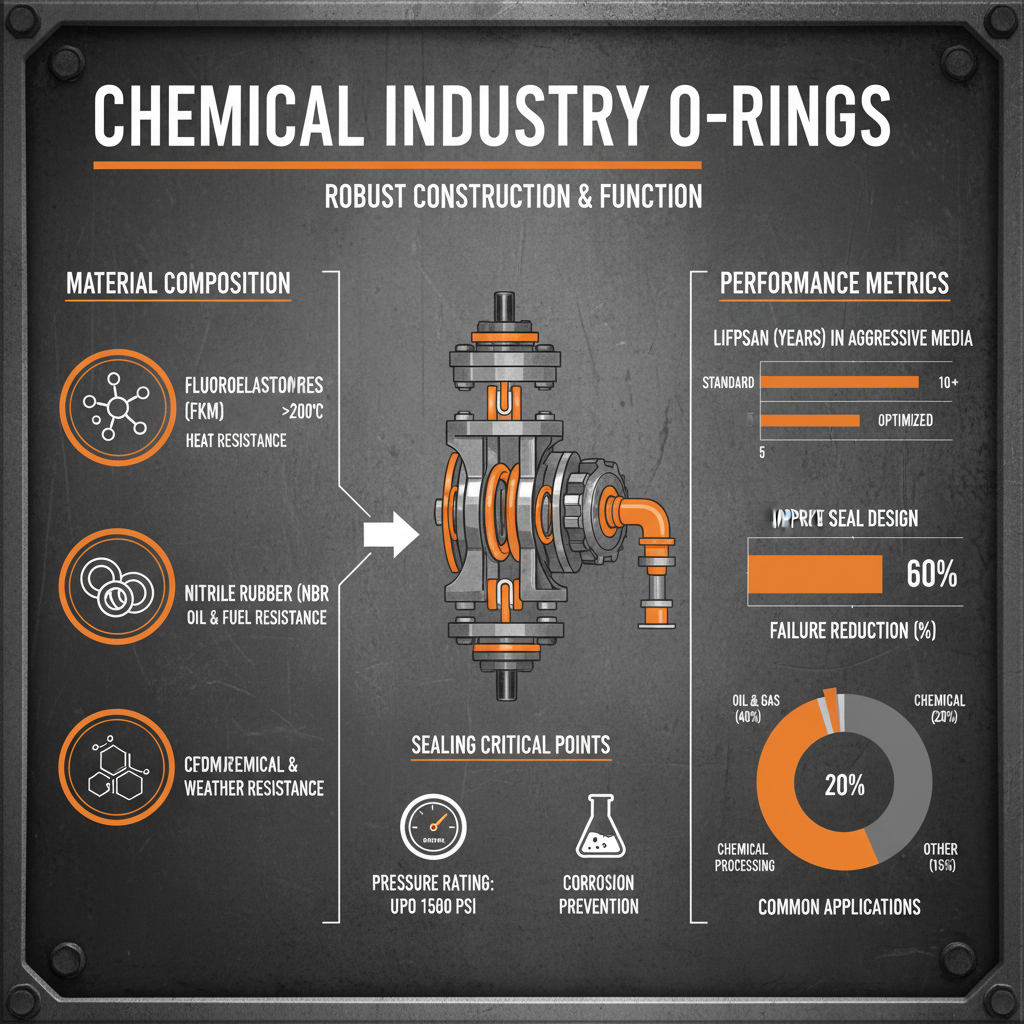
Not all O-ring materials are created equal. The chemical industry requires seals capable of resisting degradation from a wide range of acids, bases, solvents, and oils. Common materials include Viton (FKM), PTFE, EPDM, and Silicone. Viton offers excellent resistance to many aggressive chemicals, while PTFE excels in highly corrosive environments. EPDM is often preferred for its resistance to water and steam, and Silicone provides good temperature stability. Careful consideration of the specific chemicals involved is crucial for optimal O-ring selection. The lifespan and performance of an O-ring are directly dependent on its compatibility with the media it encounters.
Key Takeaway: Proper material selection is the most critical factor in ensuring O-ring performance in chemical applications. Always consult a chemical compatibility chart or seek expert advice.
Common Applications of O-Rings in the Chemical Industry
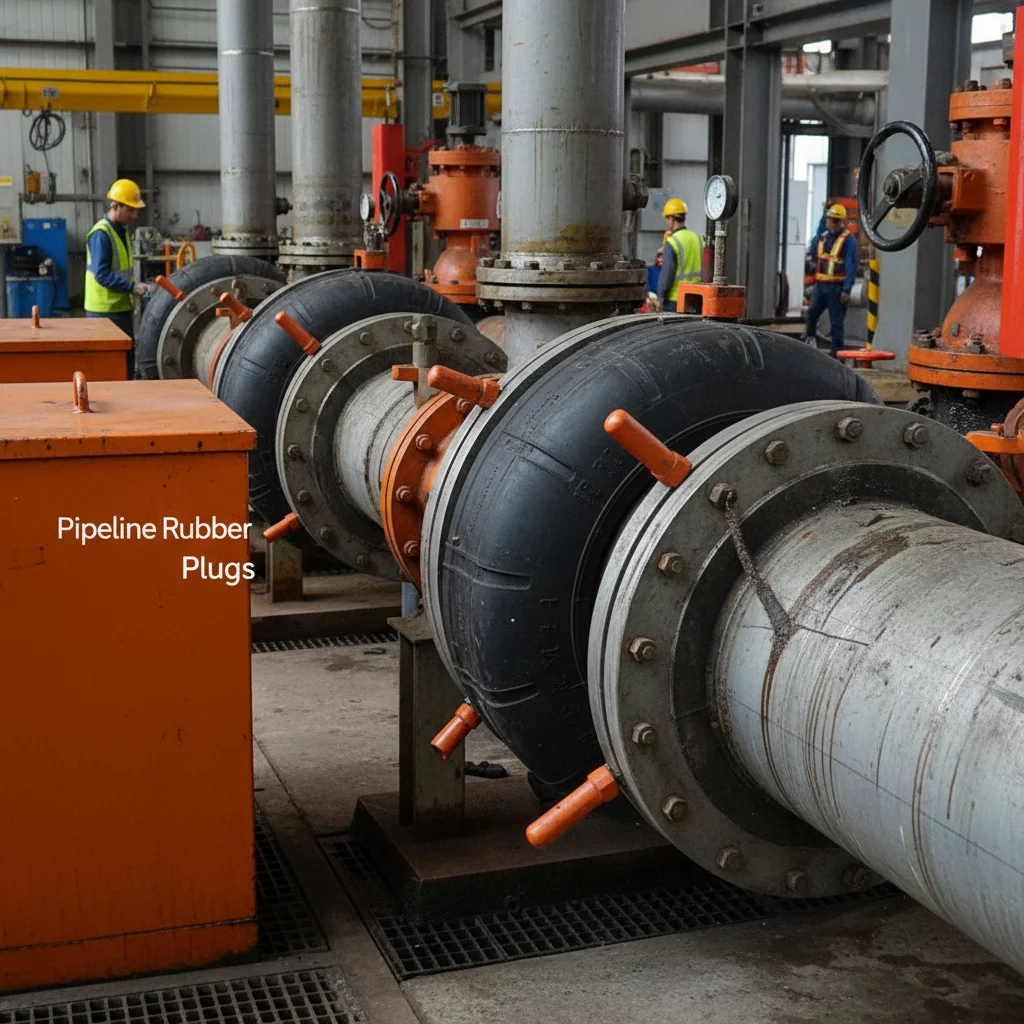
O-rings are ubiquitous throughout chemical processing plants. They are used in pumps, valves, reactors, storage tanks, and pipelines. In pumps, they seal the rotating shaft to prevent leakage. In valves, they ensure a tight shutoff. Reactors rely on O-rings to maintain pressure and contain hazardous chemicals. Storage tanks use them to prevent spills and environmental contamination. Pipelines require robust O-ring seals to transport fluids safely and efficiently. The specific application dictates the required O-ring size, material, and durometer (hardness). Proper installation is also crucial for reliable performance.
Application Examples:
• Pumps: Shaft seals, casing seals
• Valves: Ball valves, gate valves, check valves
• Reactors: Flange seals, agitator seals
• Pipelines: Flange connections, couplings
Chemical Resistance Comparison: Key Materials
Understanding the chemical resistance of different O-ring materials is essential for selecting the correct seal. The following table provides a comparative overview. This is a simplified guide, and it’s always best to consult detailed chemical compatibility charts for specific chemicals and concentrations. Beikesealing offers expert assistance in material selection.
Selecting the Right Durometer for Chemical Applications
The durometer, or hardness, of an O-ring also affects its performance. Lower durometer O-rings (softer) provide better sealing but are less resistant to abrasion and extrusion. Higher durometer O-rings (harder) offer better abrasion resistance but may not seal as effectively, especially with irregular surfaces. For most chemical applications, a durometer of 70A is a good starting point. However, specific application requirements may necessitate a different durometer. Considerations include pressure, temperature, and the presence of abrasive particles.
Best Practices for O-Ring Installation and Maintenance
Proper installation and maintenance are critical for maximizing O-ring lifespan and preventing failures. Always lubricate O-rings with a compatible lubricant before installation to facilitate easy seating and prevent damage. Avoid twisting or stretching the O-ring during installation. Regularly inspect O-rings for signs of wear, swelling, or cracking. Replace O-rings at recommended intervals, even if they appear to be in good condition. Beikesealing provides high-quality O-rings and expert guidance on installation and maintenance.
Conclusion: Ensuring Reliability with Quality O-Rings
Selecting the right O-rings for the chemical industry is a critical task that impacts safety, efficiency, and operational costs. By understanding material compatibility, durometer selection, and proper installation practices, you can ensure reliable sealing performance and prevent costly downtime. Partnering with a trusted supplier like Beikesealing provides access to high-quality products and expert guidance.
Frequently Asked Questions (FAQs)
What is the best O-ring material for highly corrosive acids?
For highly corrosive acids, PTFE (Teflon) is generally the best choice. It exhibits exceptional chemical resistance to a wide range of acids, even at elevated temperatures. Viton (FKM) can also provide good resistance to many acids, but its performance may be limited depending on the specific acid and concentration. Always consult a chemical compatibility chart to verify suitability. Choosing the right material will prevent premature failure and ensure the safety of your processes.
How often should O-rings be replaced in chemical processing equipment?
The replacement frequency depends on the chemical exposure, temperature, pressure, and the O-ring material. As a general guideline, O-rings should be inspected annually and replaced every 1-3 years, even if they show no visible signs of damage. More frequent replacement may be necessary for critical applications or harsh environments. Keeping a log of replacement dates and any observed issues can help optimize maintenance schedules.
What lubricants are safe to use with different O-ring materials in chemical applications?
Selecting a compatible lubricant is crucial to prevent swelling, degradation, or reduced sealing performance. For Viton, use fluorocarbon-based lubricants. For PTFE, silicone-based lubricants are generally suitable. Avoid using petroleum-based lubricants with many elastomers, as they can cause swelling. Always consult a lubricant compatibility chart to ensure the lubricant is compatible with both the O-ring material and the chemicals involved. Beikesealing can advise on appropriate lubricant choices.
How does temperature affect O-ring performance in chemical environments?
Temperature significantly impacts O-ring performance. High temperatures can cause O-rings to harden, lose elasticity, and become more susceptible to failure. Low temperatures can cause them to become brittle and crack. It's essential to select an O-ring material with a temperature range that matches the operating conditions. The chemical environment can also influence the temperature limits of the O-ring material. Always consider both temperature and chemical compatibility when choosing an O-ring.