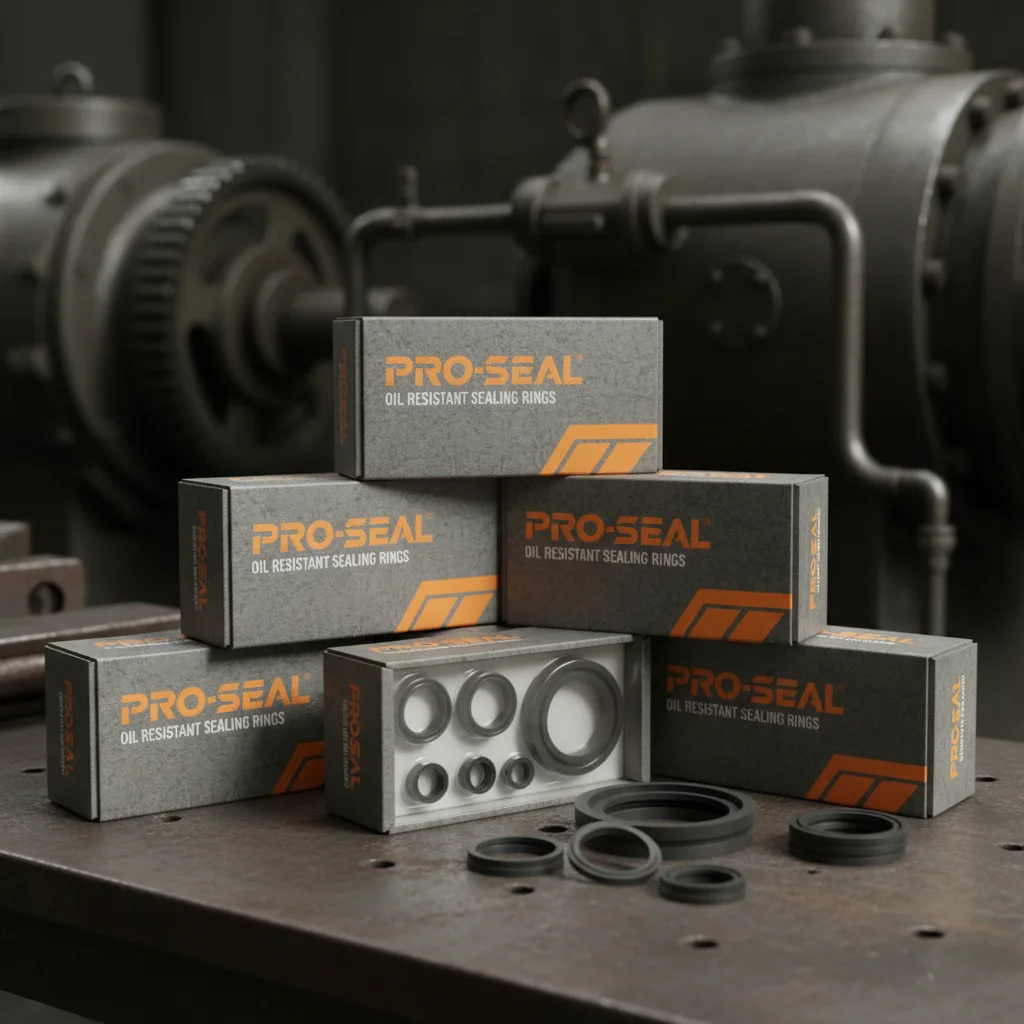
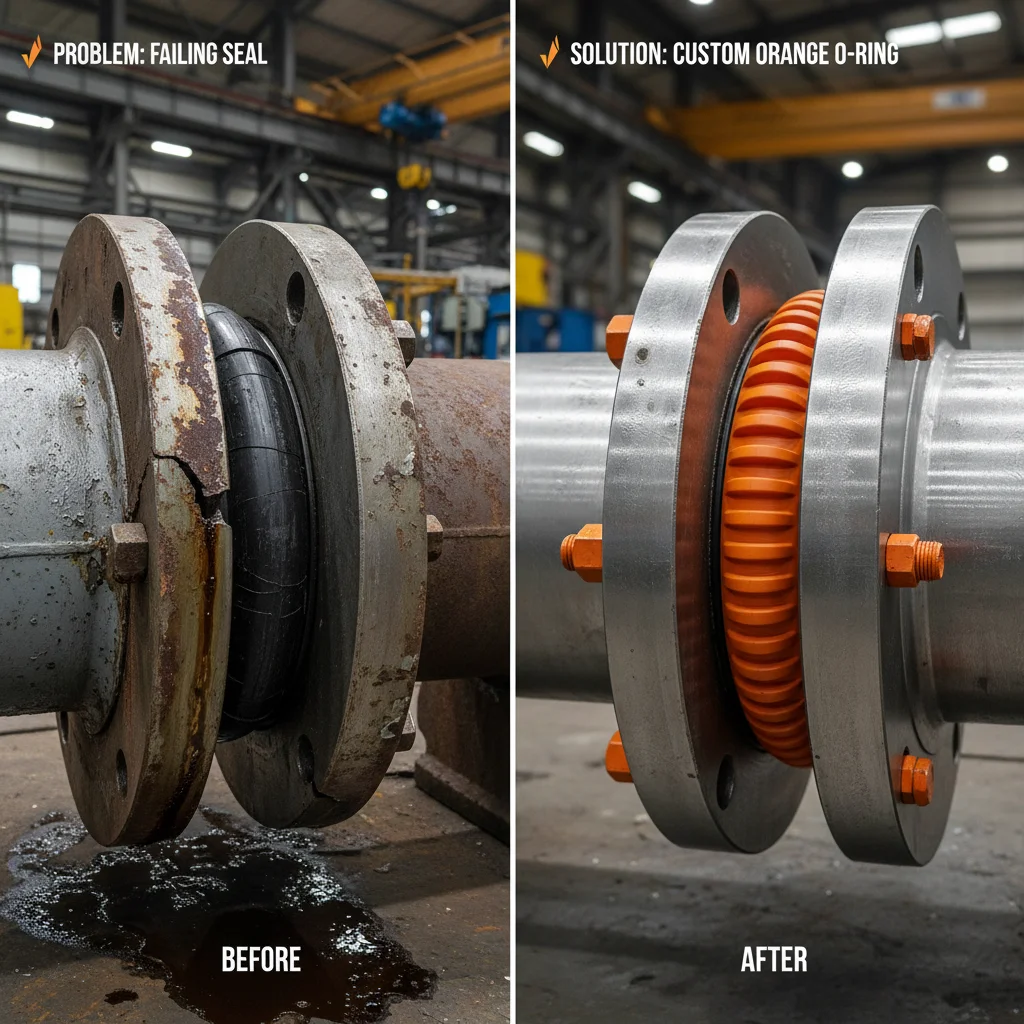
Custom Size Rubber Plugs are precision-engineered sealing components designed to fit specific aperture dimensions, providing airtight and watertight closures for industrial equipment. Unlike standard off-the-shelf plugs, these customized solutions are tailored to the exact diameter and depth of the target port, ensuring a secure seal that prevents leakage and contamination in high-pressure or corrosive environments.
In sectors such as petrochemicals, aerospace, and medical manufacturing, a slight variance in seal fit can lead to catastrophic system failure or product spoilage. The challenge for procurement teams is finding components that balance material compatibility—such as resistance to extreme temperatures or chemicals—with a mechanical fit that remains stable under operational stress without damaging the host equipment.
This technical guide examines the critical factors in selecting materials for custom rubber plugs, analyzes the performance advantages of tailored dimensions over standard parts, and provides a comprehensive framework for procurement and implementation to ensure long-term sealing reliability in complex industrial applications.

1Fundamentals of Custom Rubber Sealing

The primary function of Custom Size Rubber Plugs is to create a mechanical barrier between a fluid (liquid or gas) and the external environment. By utilizing the elastic properties of synthetic rubbers, these plugs exert radial pressure against the walls of a hole, creating a seal that is often independent of external fasteners. The efficacy of this seal depends heavily on the compression ratio—the difference between the plug's outer diameter and the hole's inner diameter.
Customization extends beyond simple dimensions. It involves the design of the plug's profile—whether it be tapered, cylindrical, or flanged—to suit the specific method of insertion and removal. For instance, a tapered plug is ideal for quick insertion, while a flanged design provides a positive stop to prevent over-insertion.
Understanding the interaction between the rubber compound and the surface finish of the mating part is crucial. A rough surface may provide more friction for the plug to stay in place but could potentially create micro-leak paths if the rubber hardness (Shore A) is too high to conform to the surface irregularities.
2Key Material Properties and Selection
Selecting the correct elastomer is the most critical decision in the design of Custom Size Rubber Plugs. The material must withstand the environmental stressors of the application without degrading. Common choices include NBR for oil resistance, EPDM for weather and ozone exposure, and Silicone for high-temperature or food-grade requirements. For the most extreme chemical environments, FFKM (Perfluoroelastomer) is utilized due to its near-universal chemical inertness.
Hardness, measured on the Shore A scale, determines how the plug behaves under compression. A softer plug (30-50 Shore A) is more forgiving and seals better against irregular surfaces but may lack the mechanical strength to withstand high internal pressures. Conversely, a harder plug (70-90 Shore A) offers superior structural integrity and wear resistance but requires higher insertion force.
Environmental factors such as UV radiation, ozone, and humidity also dictate material choice. EPDM is superior for outdoor applications, whereas NBR would crack under prolonged UV exposure. When custom parts are needed, the manufacturer's ability to develop a specific formula based on ASTM D2000 standards ensures that the final product meets the precise chemical and thermal requirements of the site.
3Industrial Applications and Use Cases
In the automotive industry, custom rubber plugs are used to seal chassis ports, fuel tank vents, and electrical conduits, protecting internal components from road debris, water, and salt. The precision of the fit is essential here to ensure that seals remain intact despite the constant vibration and thermal cycling experienced by a vehicle during operation.
The medical and pharmaceutical sectors require plugs that are not only dimensionally accurate but also biocompatible and sterilizable. Silicone plugs are frequently used in laboratory equipment and medical devices because they can withstand autoclave sterilization cycles without losing their elasticity or leaching chemicals into the product.
In heavy machinery and hydraulic systems, plugs often serve as temporary seals during transport or as permanent dust caps for unused ports. These applications demand materials with high abrasion resistance and the ability to maintain a seal under varying atmospheric pressures, ensuring that no contaminants enter the sensitive hydraulic circuits.
4Performance Metrics and Data Analysis
The performance of a custom plug is measured by its ability to maintain a seal over time (compression set) and its resistance to the operating medium. When comparing custom-sized plugs to standard alternatives, the primary gain is seen in the reduction of leak rates and the elimination of "seal creep," where a poorly fitting plug gradually migrates out of its housing due to pressure.
Data analysis shows that optimizing the diameter and material hardness for a specific application significantly increases the service life of the component. For example, a plug with a tailored 5% compression ratio typically outperforms a standard plug that might be over-compressed by 15%, which would otherwise lead to premature material fatigue and cracking.
Custom Size Rubber Plugs Performance Metrics
The chart demonstrates that custom-engineered plugs provide superior seal integrity and fit precision compared to industry averages. This is largely due to the use of precision molds and raw material laboratories that can test for specific physical properties before production, ensuring that the resulting parts meet the exact operational requirements of the end-user.
5Procurement and Design Best Practices
Successful procurement of custom rubber parts begins with a detailed technical drawing or a physical sample. Specifications must include not only the nominal dimensions and tolerances but also the expected working temperature, the specific chemicals the plug will contact, and the required hardness. Providing these details allows engineers to recommend the optimal compound and profile design.
When evaluating suppliers, it is critical to verify their quality certifications, such as ISO 9001 or TS 16949. A supplier with an in-house raw material laboratory can provide documented proof that the rubber compound meets the required ASTM standards, reducing the risk of field failures due to material inconsistencies.
Consider the total cost of ownership rather than just the unit price. While custom molds involve an initial investment, the reduction in maintenance frequency and the prevention of costly leaks typically result in a lower long-term cost compared to the frequent replacement of inadequate standard plugs.
6Technological Trends in Elastomer Molding
The industry is moving toward high-precision liquid silicone rubber (LSR) injection molding, which allows for tighter tolerances and more complex geometries than traditional compression molding. This technology is particularly beneficial for Custom Size Rubber Plugs that require intricate shapes or integrated features, such as internal ribs for enhanced grip.
Another significant trend is the development of hybrid materials, combining the chemical resistance of fluorinated rubbers with the mechanical strength of reinforced polymers. These advanced compounds allow plugs to function in environments that were previously inaccessible, such as deep-sea oil exploration or high-altitude aerospace applications.
Sustainability is also driving innovation, with an increased focus on recyclable elastomers and bio-based rubber compounds. While these materials must still meet strict industrial performance standards, the shift toward "green" chemistry is becoming a priority for global manufacturers aiming to reduce their environmental footprint.
7Comparison of Rubber Plug Configurations
Choosing between different plug geometries depends on the accessibility of the port and the required seal strength. A cylindrical plug offers the most uniform pressure distribution, whereas a tapered plug is easier to install and remove but may be more prone to popping out under high internal pressure.
The following table provides a comparison of common custom plug configurations to help procurement teams determine the best fit for their specific operational requirements, balancing ease of use with sealing performance.
| Plug Profile | Best Use Case | Main Strength | Primary Limitation |
|---|---|---|---|
| Cylindrical | High-Pressure Ports | Maximum Seal Stability | Harder to Insert/Remove |
| Tapered | Quick-Access Vents | Ease of Installation | Lower Pressure Resistance |
| Flanged | Surface-Mounted Holes | Prevents Over-Insertion | Requires Flat Surface |
| Expanded | Irregular Apertures | Flexible Fit | Lower Seal Consistency |
| Ribbed | Vibration-Prone Areas | Enhanced Friction Grip | More Complex Molding |
| Custom Hybrid | Complex Environments | Tailored Performance | Higher Tooling Cost |
Ultimately, the selection should be based on a technical analysis of the application. For most critical industrial seals, a combination of a custom-molded cylindrical profile and a high-grade elastomer like FKM or FFKM provides the most reliable long-term solution.
Frequently Asked Questions
Conclusion
Ensuring a reliable seal in industrial applications requires a precise combination of dimensional accuracy and material science. Custom Size Rubber Plugs eliminate the risks associated with standard parts by providing a tailored fit and chemical compatibility that protects equipment and prevents costly downtime.
For organizations seeking to optimize their sealing solutions and reduce maintenance costs, reviewing technical specifications and collaborating with an experienced manufacturer is the most effective path. Detailed product information and professional consultation can be found at www.beikesealing.com.