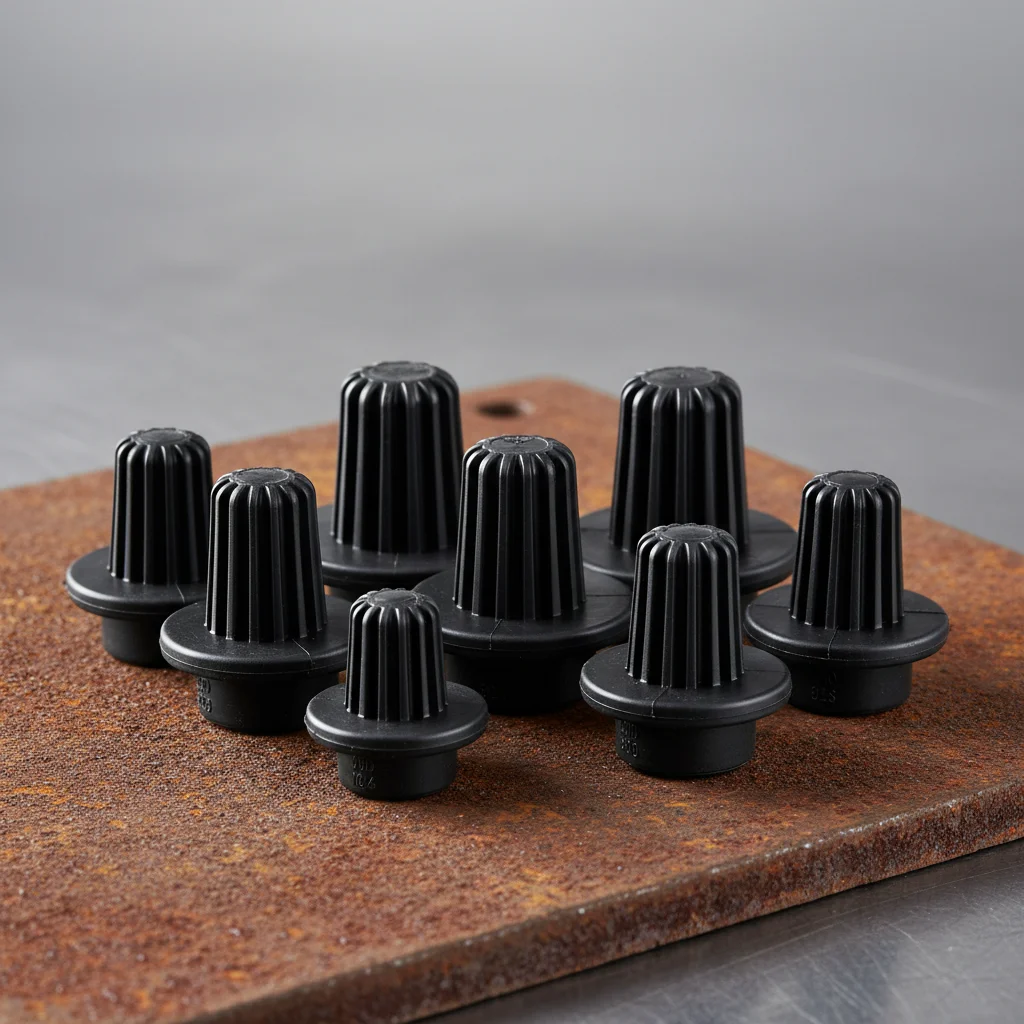
Oil Resistant Sealing Rings are critical components in countless industrial applications, safeguarding machinery and preventing costly leaks. Their importance stems from the ever-present need to contain fluids – from hydraulic oil and fuel to chemicals and lubricants – within complex systems. Understanding their materials, construction, and applications is vital for engineers, maintenance personnel, and anyone involved in the design or operation of fluid-powered equipment.
Globally, the demand for reliable sealing solutions is consistently high, driven by the growth of industries like automotive, aerospace, oil and gas, and manufacturing. The market is influenced by factors like increased automation, stricter environmental regulations regarding fluid containment, and the constant push for improved performance and efficiency in industrial processes. The UN Sustainable Development Goals relating to responsible consumption and production further emphasize the importance of preventing resource wastage through effective sealing.
These rings, often made from elastomers like Viton, nitrile rubber, or PTFE, are designed to prevent the escape of fluids while maintaining pressure integrity. Their proper function directly translates to increased uptime, reduced maintenance costs, and enhanced safety. For applications where failure isn’t an option – like aerospace fuel systems or critical hydraulic machinery – selecting the correct oil resistant sealing ring is paramount. Oil Resistant Sealing Rings are essential for reliable performance.

The Core Functionality of Oil Resistant Sealing Rings
At their most basic, Oil Resistant Sealing Rings create a static or dynamic barrier between two surfaces, preventing the leakage of fluids. This is achieved through precise dimensional control, material compatibility, and the application of compressive force. The effectiveness of a sealing ring is directly related to its ability to maintain this barrier under varying conditions of pressure, temperature, and fluid exposure. Oil Resistant Sealing Rings are engineered for demanding applications.
The functionality also hinges on the type of seal – O-rings, X-rings, lip seals, and others – each offering specific advantages for different environments and sealing requirements. Understanding these nuances is critical for selecting the optimal sealing solution for a given application.
Global Industry Standards and Certifications
The manufacturing and application of Oil Resistant Sealing Rings are governed by various international standards and certifications. ISO 9001 ensures quality management systems are in place, while ISO 10423 defines the requirements for the qualification of seals for use in hydraulic systems. Compliance with these standards demonstrates a commitment to quality, reliability, and safety.
Furthermore, industry-specific certifications, such as those required by the aerospace and automotive sectors, are crucial for ensuring performance in highly demanding applications. These certifications often involve rigorous testing and validation procedures to verify the sealing ring’s resistance to specific fluids, temperatures, and pressures.
Adhering to these standards isn't merely a matter of compliance; it builds trust with customers and ensures that the seals meet the necessary performance criteria for their intended applications. The global harmonization of these standards fosters interoperability and facilitates international trade.
Material Science: The Foundation of Oil Resistance
The key to an effective oil resistant sealing ring lies in the material from which it’s constructed. Viton (fluoroelastomer) is renowned for its exceptional resistance to a wide range of oils, fuels, and chemicals, making it a popular choice for demanding applications. Nitrile rubber (NBR) offers good oil resistance at a lower cost, suitable for less aggressive environments. PTFE (polytetrafluoroethylene) provides excellent chemical resistance and a low coefficient of friction.
Beyond the base elastomer, additives like fillers, plasticizers, and curing agents play a critical role in tailoring the material’s properties to specific applications. These additives can enhance resistance to swelling, improve mechanical strength, and increase temperature stability. Careful selection of these components is vital to achieving optimal performance.
Ongoing research focuses on developing new materials with enhanced oil resistance, improved temperature capabilities, and greater sustainability. This includes exploring bio-based elastomers and incorporating nanomaterials to enhance material properties. The continuous advancement in material science is crucial for meeting the evolving demands of industrial applications.
Performance Metrics and Testing Procedures
Evaluating the performance of Oil Resistant Sealing Rings requires a suite of rigorous testing procedures. Key metrics include tensile strength, elongation at break, compression set, and fluid resistance. Compression set, in particular, is a critical indicator of long-term sealing performance, measuring the permanent deformation of the seal after prolonged compression.
Fluid resistance is assessed by immersing the seal in the target fluid for an extended period and monitoring for swelling, hardness changes, and degradation. These tests are often conducted at elevated temperatures to simulate real-world operating conditions.
Oil Resistant Sealing Ring Performance Comparison
Diverse Applications Across Industries
Oil Resistant Sealing Rings are ubiquitous across a vast array of industries. In the automotive sector, they’re vital in engine seals, fuel systems, and transmission components. The aerospace industry relies on them in hydraulic systems, fuel lines, and engine seals where reliability is paramount. Oil Resistant Sealing Rings maintain critical function across applications.
In the oil and gas industry, these seals are essential for preventing leaks in downhole tools, pipelines, and refinery equipment. Manufacturing processes utilize them in hydraulic presses, pumps, and actuators. They are also fundamental in food and beverage processing equipment to maintain hygienic conditions.
Long-Term Cost Savings and Sustainability
Investing in high-quality Oil Resistant Sealing Rings yields substantial long-term cost savings. Preventing leaks reduces fluid loss, minimizes downtime, and prevents costly equipment damage. Reduced maintenance requirements and extended service life further contribute to lower total cost of ownership.
From a sustainability perspective, minimizing fluid leakage is crucial for protecting the environment. Efficient sealing reduces the risk of soil and water contamination, contributing to responsible resource management. Utilizing materials with longer lifecycles also reduces the frequency of replacements, lowering waste generation.
The selection of materials that are recyclable or derived from renewable sources further enhances the sustainability profile of these crucial components.
Future Innovations and Technological Advancements
The future of Oil Resistant Sealing Rings lies in the development of smart seals, incorporating sensors to monitor seal health and predict potential failures. Nanomaterials are being explored to enhance material properties, improving oil resistance, temperature stability, and wear resistance.
Additive manufacturing (3D printing) offers the potential to create customized seals with complex geometries, tailored to specific applications. Digital twin technology is also emerging, allowing for virtual testing and optimization of sealing solutions.
Advancements in bio-based elastomers and biodegradable materials are contributing to more sustainable sealing solutions, reducing environmental impact. These innovations will drive increased efficiency, reliability, and sustainability in a wide range of industries.
Summary of Challenges and Potential Solutions for Oil Resistant Sealing Rings
| Challenge |
Impact on Performance |
Potential Solution |
Implementation Cost (1-10) |
| Material Degradation |
Reduced sealing effectiveness, increased leakage |
Utilize advanced elastomers like Viton or PTFE |
7 |
| High Temperature Operation |
Loss of elasticity, seal failure |
Implement heat-resistant materials and designs |
8 |
| Extremes of Pressure |
Deformation, extrusion, and leakage |
Employ backup rings and optimized seal geometry |
6 |
| Chemical Compatibility |
Swelling, shrinking, material breakdown |
Select materials resistant to specific chemicals |
5 |
| Surface Finish Imperfections |
Reduced sealing capacity and early wear |
Implement rigorous surface preparation techniques |
4 |
| Dynamic Seal Wear |
Gradual loss of sealing function over time |
Utilize low friction coatings and advanced seal designs |
7 |
FAQS
Viton, a fluoroelastomer, offers superior resistance to a broader range of oils, fuels, and chemicals, particularly at higher temperatures. Nitrile (NBR) is more cost-effective and provides good resistance to petroleum-based oils, but its temperature and chemical resistance is more limited. Viton is preferred for demanding applications where extreme conditions are present.
Correct sizing requires careful consideration of the groove dimensions, the shaft or bore diameter, and the fluid pressure. Accurate measurements are critical. Consult seal manufacturers' datasheets for sizing guidelines and tolerances. Improper sizing can lead to leakage or premature seal failure. Online calculators can provide initial guidance, but professional verification is recommended.
Common signs include visible cracks, swelling, hardening, or deformation of the seal. Observable leaks, decreased performance of the equipment, and increased downtime are also indicators. Regular inspection as part of a preventative maintenance program is key to identifying issues before they escalate into major problems.
Generally, it's not recommended to reuse oil resistant sealing rings, even if they appear undamaged. During disassembly, the seal can be stretched, compressed, or otherwise compromised, reducing its effectiveness. Replacing the seal ensures a fresh, reliable barrier against leakage. The cost of a new seal is minimal compared to the potential costs of equipment failure.
Temperature significantly impacts the elasticity and chemical resistance of sealing rings. High temperatures can cause materials to degrade and lose their sealing properties. Low temperatures can make seals brittle and prone to cracking. Selecting a material appropriate for the operating temperature range is crucial. Thermal expansion and contraction must also be considered during installation.
Proper installation is crucial for optimal performance. Ensure the surfaces are clean and free of debris. Lubricate the seal with a compatible lubricant. Avoid sharp edges or tools that could damage the seal during installation. Use the correct installation tools. Follow the manufacturer’s instructions precisely to prevent damage and ensure a proper fit.
Conclusion
Oil Resistant Sealing Rings are fundamental components underpinning the reliability and efficiency of countless industrial systems. Their seemingly simple function – preventing leaks – is critical for maintaining performance, minimizing downtime, and ensuring safety. Understanding the nuances of material science, industry standards, and proper application is paramount for engineers and maintenance professionals. Oil Resistant Sealing Rings are integral to countless operations.
Looking forward, continued innovation in materials, manufacturing techniques, and smart sealing technologies promises to further enhance the performance and sustainability of these essential components. By embracing these advancements and prioritizing best practices in selection, installation, and maintenance, we can unlock significant cost savings, improve environmental stewardship, and drive greater operational efficiency across a wide range of industries.