In the precision-driven world of hydraulic metering, the integrity of a system often depends on a single, high-performance component: the seal. Waterproof Rubber Seals serve as the critical line of defense against leakage, ensuring that water meters operate with absolute accuracy and reliability. By preventing fluid loss and protecting internal mechanisms from contamination, these components are essential for maintaining the efficiency of global water infrastructure.
The global demand for sustainable water management has pushed the industry toward materials that can withstand extreme conditions without degrading. Standard rubber often fails under the pressure of chemical additives in municipal water or the temperature fluctuations of outdoor environments. This is where advanced fluoroelastomers (FKM) come into play, providing a level of chemical resilience and mechanical durability that far exceeds conventional sealing solutions.
Understanding the technical nuances of Waterproof Rubber Seals—from Shore A hardness to thermal stability—allows engineers to optimize the lifespan of their equipment. By shifting from reactive replacement to proactive, high-specification sealing, industries can significantly reduce maintenance costs and eliminate the environmental waste associated with frequent seal failures.

Global Importance of Waterproof Rubber Seals
On a global scale, the efficiency of water distribution is a cornerstone of urban stability and environmental health. Waterproof Rubber Seals are not merely accessories; they are vital components that prevent "non-revenue water" (NRW)—water that is produced but lost before it reaches the customer. According to ISO standards, precision in metering is paramount, and any failure in the sealing interface can lead to significant financial loss and resource waste.
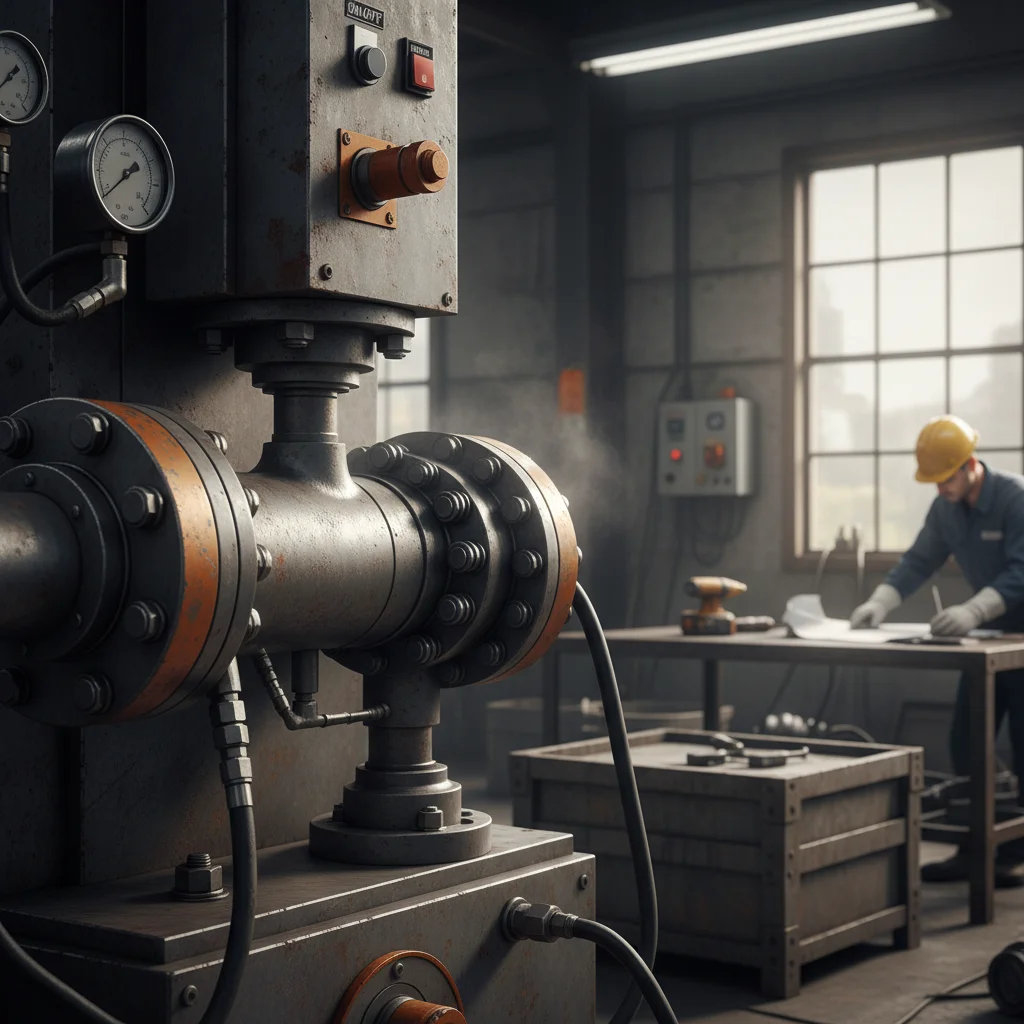
In industrial environments, the stakes are even higher. The failure of a seal in a high-pressure hydraulic system can lead to catastrophic equipment downtime or hazardous leaks. By implementing seals manufactured from premium FKM (Viton), industries ensure that their infrastructure remains operational under the most grueling conditions, from freezing Arctic climates to high-heat industrial zones.
Defining High-Performance Sealing Technology
At its core, Waterproof Rubber Seals are precision-engineered barriers designed to prevent the passage of fluids between two surfaces. While basic rubber seals exist, "high-performance" seals utilize advanced polymers like Fluoroelastomers (FKM). These materials are synthesized to provide a molecular structure that is inherently resistant to water, oils, and a wide array of aggressive chemicals, making them the gold standard for water meter applications.
The definition of a superior seal extends beyond the material to include the geometric precision of the mold. A truly waterproof seal must maintain a consistent contact pressure across its entire profile. This requires rigorous adherence to CAD specifications and tight tolerances during the molding process, ensuring that the seal compresses correctly without over-stressing the material, which would otherwise lead to premature cracking.
In the context of modern industry, these seals bridge the gap between mechanical hardware and operational longevity. By adhering to certifications such as RoHS and TS16949, these components ensure that they are not only effective in their primary function but also safe for the environment and compliant with the stringent quality management systems required by global OEMs.
Core Components of FKM Sealing Excellence
The durability of Waterproof Rubber Seals is primarily driven by the selection of raw materials. By partnering with global leaders like Dupont and Dow Corning, the stability of the FKM compound is guaranteed. This ensures that the seals do not swell when exposed to oils or shrink under extreme temperature shifts, maintaining a permanent, leak-proof bond.
Thermal versatility is another cornerstone of these components. High-performance Waterproof Rubber Seals are engineered to operate in a massive temperature window, from -40°C up to +300°C. This range allows the same sealing technology to be deployed in diverse geographical regions, ensuring that the rubber remains elastic in winter and does not melt or harden in summer.
Finally, customizability in hardness (ranging from 30-90 Shore A) allows these seals to be tailored to specific application needs. A softer seal may be required for irregular surfaces to ensure a gap-free fit, while a higher hardness is essential for high-pressure environments where the seal must resist extrusion. This flexibility in engineering is what makes custom FKM seals indispensable for ODM and OEM projects.
Performance Metrics and Industrial Benchmarks
When comparing sealing solutions, the industry looks at specific KPIs: service lifespan, temperature limits, and chemical stability. Traditional NBR or EPDM seals often suffer from rapid aging when exposed to ozone or harsh water additives, leading to a moderate risk of leakage. In contrast, premium FKM Waterproof Rubber Seals demonstrate an ultra-low leakage risk and exceptional stability.
The investment return on high-grade seals is realized through reduced maintenance. While the initial cost of FKM is higher than standard rubber, the extension of the service interval from months to years dramatically lowers the Total Cost of Ownership (TCO). This makes them the logically superior choice for critical infrastructure where the cost of failure outweighs the cost of the component.
Comparative Performance of Waterproof Rubber Seals Material Types
Global Applications in Hydraulic Systems
The application of Waterproof Rubber Seals extends far beyond simple water meters. In remote industrial zones, where maintenance crews are scarce, these seals are used in heavy-duty hydraulic pumps and valves to prevent fluid loss. Their ability to resist oils and fuels makes them ideal for equipment used in mining and oil exploration, where leakage can lead to environmental disasters.
Furthermore, in the food and beverage industry, food-grade silicone variations of these seals ensure that water-tight integrity is maintained without compromising hygiene. Whether it is in a high-pressure steam cleaner or a commercial beverage bottling line, the precision engineering of the seal prevents contamination and ensures that the system meets strict health and safety regulations.
Long-Term Value and Reliability Gains
The primary value proposition of investing in high-tier Waterproof Rubber Seals is the peace of mind that comes with reliability. When a seal is certified to ISO9001:2008 and TS16949, it means every unit has undergone rigorous dimension and appearance checks. This consistency eliminates the "lottery" effect often found in low-cost rubber parts, where a single defective seal can compromise an entire batch of meters.
From an economic perspective, the reduction in downtime is the most tangible benefit. For a municipality, the cost of digging up a buried water meter to replace a failed seal is hundreds of times the cost of the seal itself. By utilizing FKM seals with superior anti-aging properties, the replacement cycle is extended, providing a massive return on investment through avoided labor and operational costs.
Beyond the financial metrics, there is a critical safety and trust element. In critical infrastructure, the failure of a sealing component can lead to water damage in residential areas or industrial accidents. Using high-performance rubber components demonstrates a commitment to quality and safety, fostering trust between the infrastructure provider and the end-user.
Future Innovations in Rubber Material Science
The future of Waterproof Rubber Seals is leaning heavily toward "smart materials" and enhanced sustainability. We are seeing the development of nano-composite rubbers that offer even higher resistance to abrasion and chemical attack. These materials will allow seals to function in even more aggressive environments, such as deep-sea exploration or high-corrosion chemical processing plants.
Digital transformation is also impacting the manufacturing process. The integration of 3D printing for rapid prototyping and AI-driven mold optimization is reducing the lead time for custom seals. This allows companies to move from a CAD design to a physical, tested prototype in a fraction of the time, accelerating the deployment of new sealing solutions in the market.
Sustainability is the final frontier. The industry is shifting toward more eco-friendly formulation processes and the development of recyclable high-performance elastomers. By reducing the carbon footprint of rubber production while maintaining the extreme performance of FKM, the next generation of seals will support both industrial efficiency and global environmental goals.
Comparative Analysis of Sealing Material Performance
| Material Type |
Temp Range (°C) |
Chemical Resistance |
Lifespan Score (1-10) |
| Standard NBR |
-30 to +100 |
Moderate |
4 |
| EPDM Rubber |
-50 to +150 |
Good (Water/Steam) |
6 |
| Silicone |
-60 to +230 |
Fair |
7 |
| Premium FKM |
-40 to +300 |
Excellent |
9 |
| Viton Custom |
-40 to +300 |
Superior |
10 |
| Fluorosilicone |
-60 to +200 |
Very High |
8 |
FAQS
FKM (Fluoroelastomer) offers significantly higher resistance to chemicals, heat, and aging compared to standard rubber. While standard rubber may swell or crack when exposed to chlorine or temperature spikes, FKM maintains its elasticity and integrity, ensuring a leak-proof seal over a much longer service life in varied water conditions.
Yes, we fully accept 3D and CAD drawings. Our engineering team can customize the size, profile, and hardness (ranging from 30-90 Shore A) to meet your exact specifications, ensuring a perfect fit for your specific water meter or hydraulic housing design.
Our products are manufactured under the rigorous ISO9001:2008 quality management standards. Additionally, they have passed RoHS, CTI, and TS16949 certifications, ensuring global compliance for automotive and industrial applications.
Yes, we offer free samples to ensure the quality, material hardness, and fit meet your requirements. The customer is only responsible for the freight costs. This allows you to verify the seal's performance in your actual operating environment before committing to a full production run.
Typically, our delivery lead time ranges from 7 to 10 days. This window includes the precision mold development and a strict three-stage QA process to ensure every part is defect-free before shipping.
We implement a comprehensive three-stage QC process: first, a full mold size inspection during development; second, real-time monitoring of semi-finished products; and third, 100% appearance and dimension checks for every outbound batch conducted by our dedicated Quality Department.
Conclusion
In summary, Waterproof Rubber Seals manufactured from high-grade FKM materials provide an unparalleled combination of thermal stability, chemical resistance, and mechanical durability. By adhering to global standards like ISO9001:2008 and utilizing precision CAD-driven manufacturing, these seals eliminate the risks associated with leakage and premature aging, ensuring the long-term operational success of water metering and hydraulic systems.
As the industry moves toward greater sustainability and smarter infrastructure, the role of high-performance sealing will only grow. We recommend that engineers and procurement specialists prioritize material quality and certification over initial cost to achieve a lower total cost of ownership and higher system reliability. For those seeking high-precision sealing solutions tailored to their specific needs, visit our website: www.beikesealing.com.