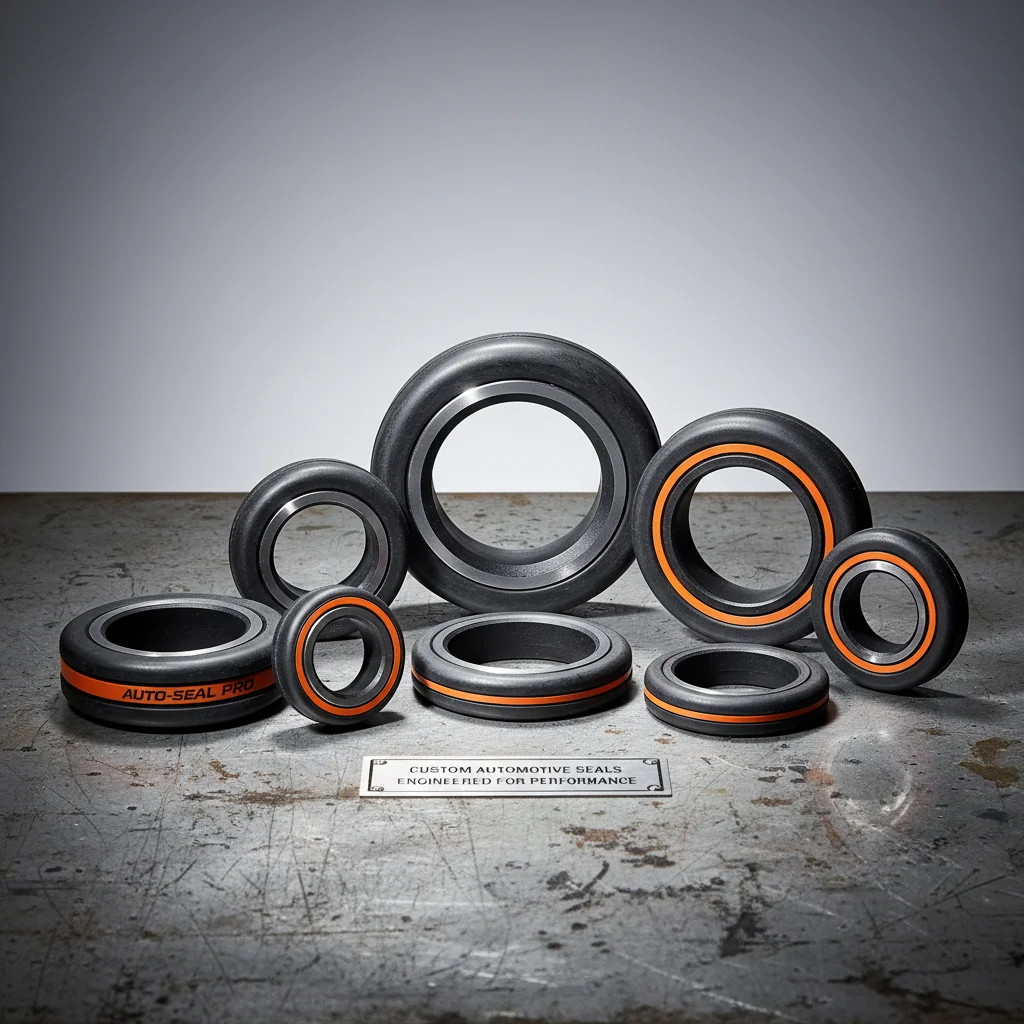
In the complex world of industrial sealing and fluid containment, Custom Rubber Stoppers serve as critical components that ensure the integrity of containers and machinery. From pharmaceutical vials to heavy-duty industrial valves, the precision of a stopper's fit can mean the difference between a secure system and a costly failure. Understanding the nuances of material selection and geometric precision is essential for any engineer looking to optimize their production line.
Globally, the demand for specialized sealing solutions has surged as industries move toward more stringent safety standards and higher efficiency. The versatility of Custom Rubber Stoppers allows them to be adapted for extreme temperatures, corrosive chemicals, and high-pressure environments, making them indispensable in the modern manufacturing landscape.
Whether you are dealing with food-grade requirements or aerospace specifications, the ability to customize the hardness, diameter, and chemical resistance of your stoppers is a strategic advantage. By leveraging advanced polymer science, businesses can reduce leakage rates and extend the shelf life of their products, ultimately driving down operational costs and improving end-user safety.
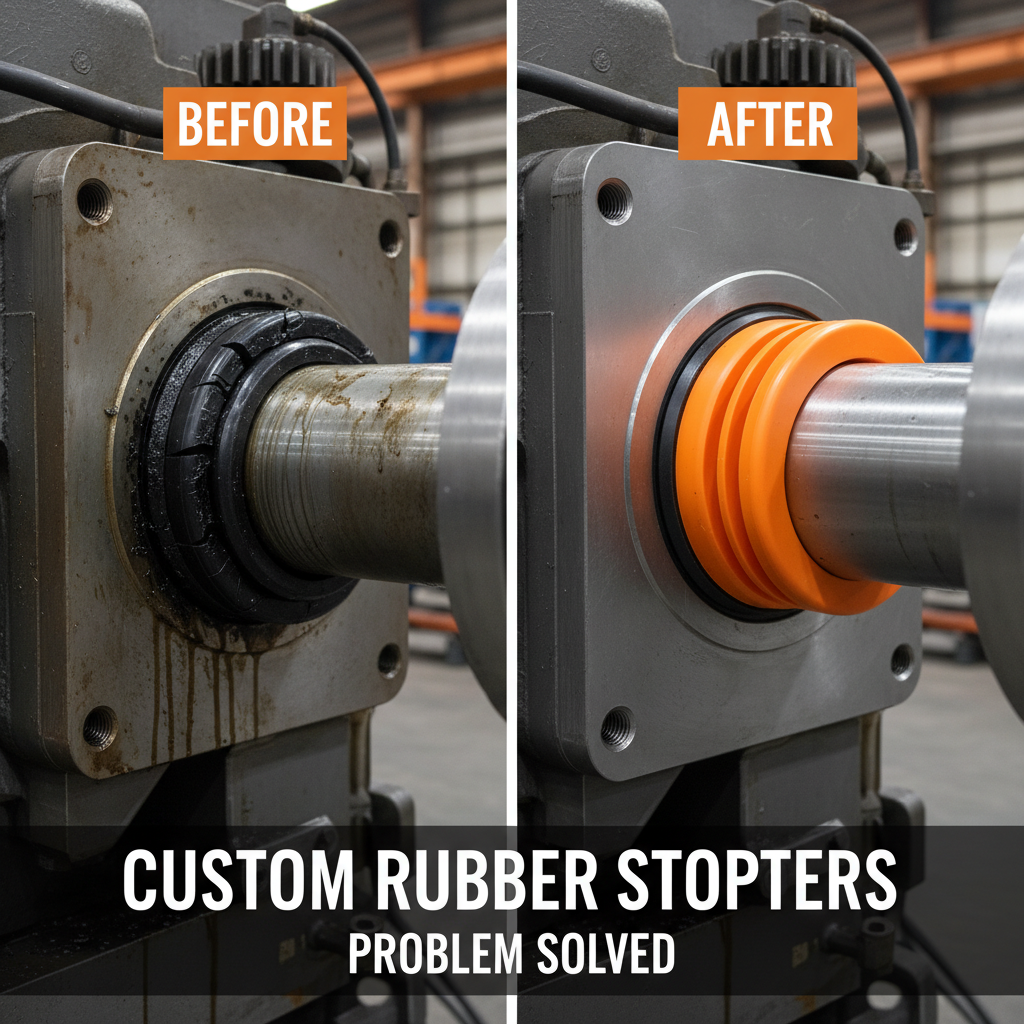
Global Relevance and Industry Context
The global industrial landscape relies heavily on the precision of sealing components. According to ISO quality standards, the failure of a single seal in a high-pressure system can lead to catastrophic environmental leaks or production downtime. Custom Rubber Stoppers address this by providing a tailored fit that standardized parts simply cannot match, reducing the risk of contamination in sensitive environments.
From the rapid expansion of the biotech sector in Asia to the rigorous automotive standards in Europe, the need for specialized elastomeric closures is universal. The challenge lies in balancing cost-efficiency with the extreme durability required to withstand UV exposure, thermal cycling, and chemical degradation over long periods.
Defining Custom Rubber Stoppers in Modern Industry
At its core, Custom Rubber Stoppers are precision-engineered elastomeric plugs designed to seal an opening in a vessel, tube, or piece of machinery. Unlike off-the-shelf options, "custom" implies a specific focus on Shore hardness, exact dimensional tolerances, and a chemical composition tailored to the specific fluid or gas being contained.
In the context of modern industry, these components are more than just "plugs"; they are critical safety barriers. In pharmaceutical manufacturing, for instance, a stopper must not only seal the vial but also be compatible with sterilization processes like autoclaving without losing its structural integrity or leaching chemicals into the medication.
Furthermore, the integration of advanced polymers such as Viton, EPDM, and Silicone has expanded the definition of what these stoppers can achieve. They now serve as critical interfaces in humanitarian aid equipment, such as portable water filtration systems in remote zones, where a reliable seal is the only thing preventing the ingress of life-threatening contaminants.
Key Factors for High-Performance Stopper Design
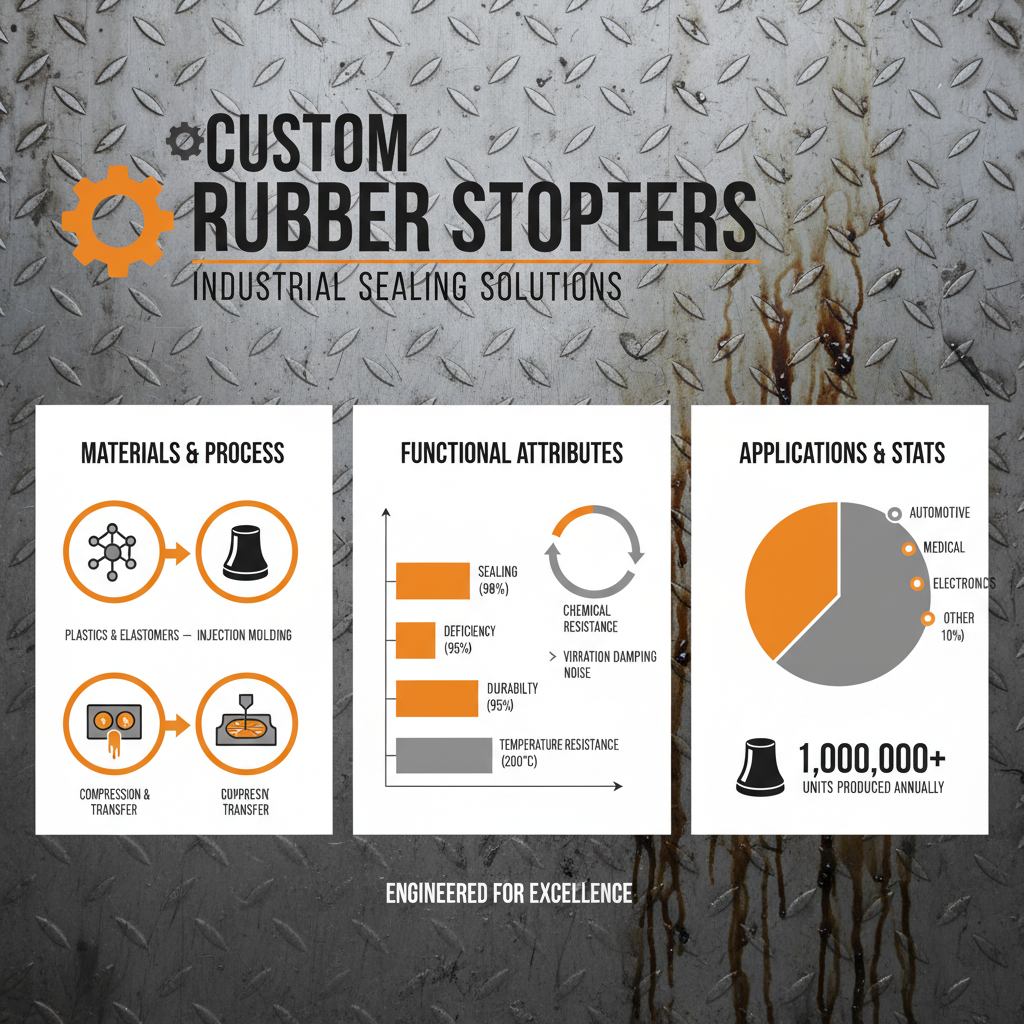
Durability is the first pillar of effective Custom Rubber Stoppers. This involves selecting a base polymer that resists the specific environmental stressors of the application, whether it be ozone degradation in outdoor equipment or oil swelling in automotive hydraulic systems.
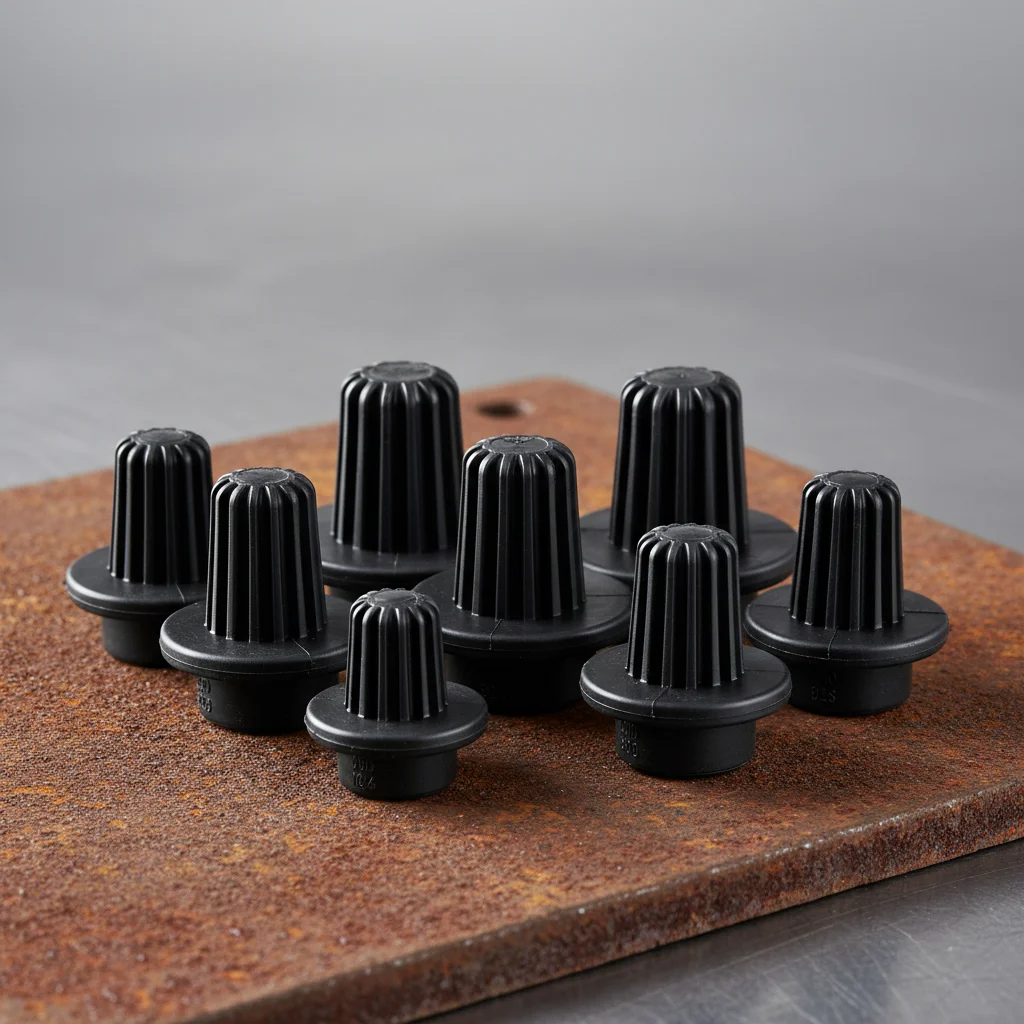
Precision Engineering and Scalability are equally vital. A stopper that is 0.1mm too small may fail to seal, while one that is too large can damage the container during insertion. Customization allows for the implementation of tapered designs or ribbed surfaces that optimize the grip and sealing force across thousands of units.
Cost Efficiency is often achieved through a combination of material optimization and manufacturing process selection. By choosing between injection molding for high volumes and compression molding for specialized prototypes, companies can ensure that their Custom Rubber Stoppers provide maximum value without compromising on quality.
Global Applications and Use Cases
The application of Custom Rubber Stoppers spans across diverse geographical regions and industrial sectors. In the North American medical device market, these stoppers are used in high-precision laboratory equipment to prevent cross-contamination between samples, ensuring that diagnostic results remain accurate and untainted.
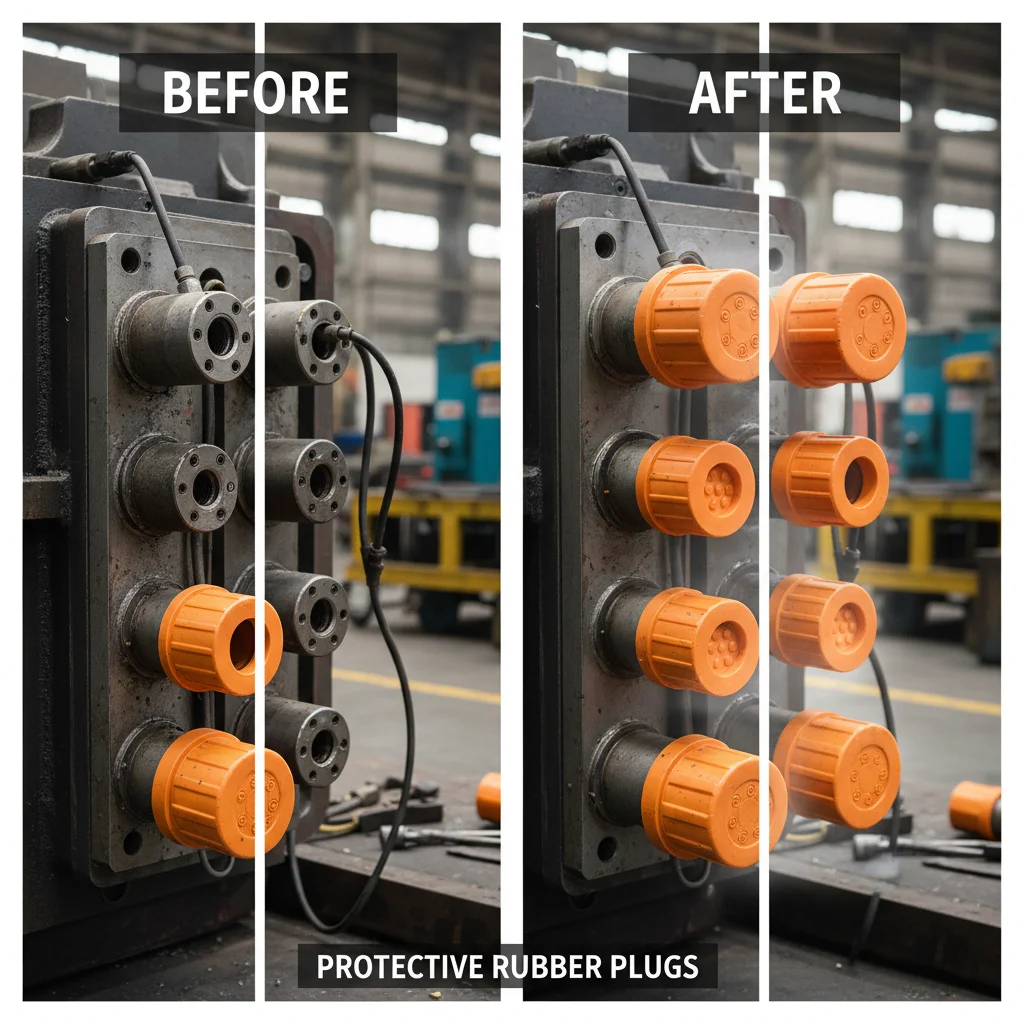
In remote industrial zones, such as mining operations in Australia or oil rigs in the North Sea, heavy-duty stoppers are deployed to protect sensitive pneumatic ports from dust, salt spray, and extreme pressure. These environments demand materials that can withstand the harshest weather conditions without cracking or losing elasticity.
Comparative Performance of Custom Rubber Stopper Materials
Long-Term Value and Strategic Advantages
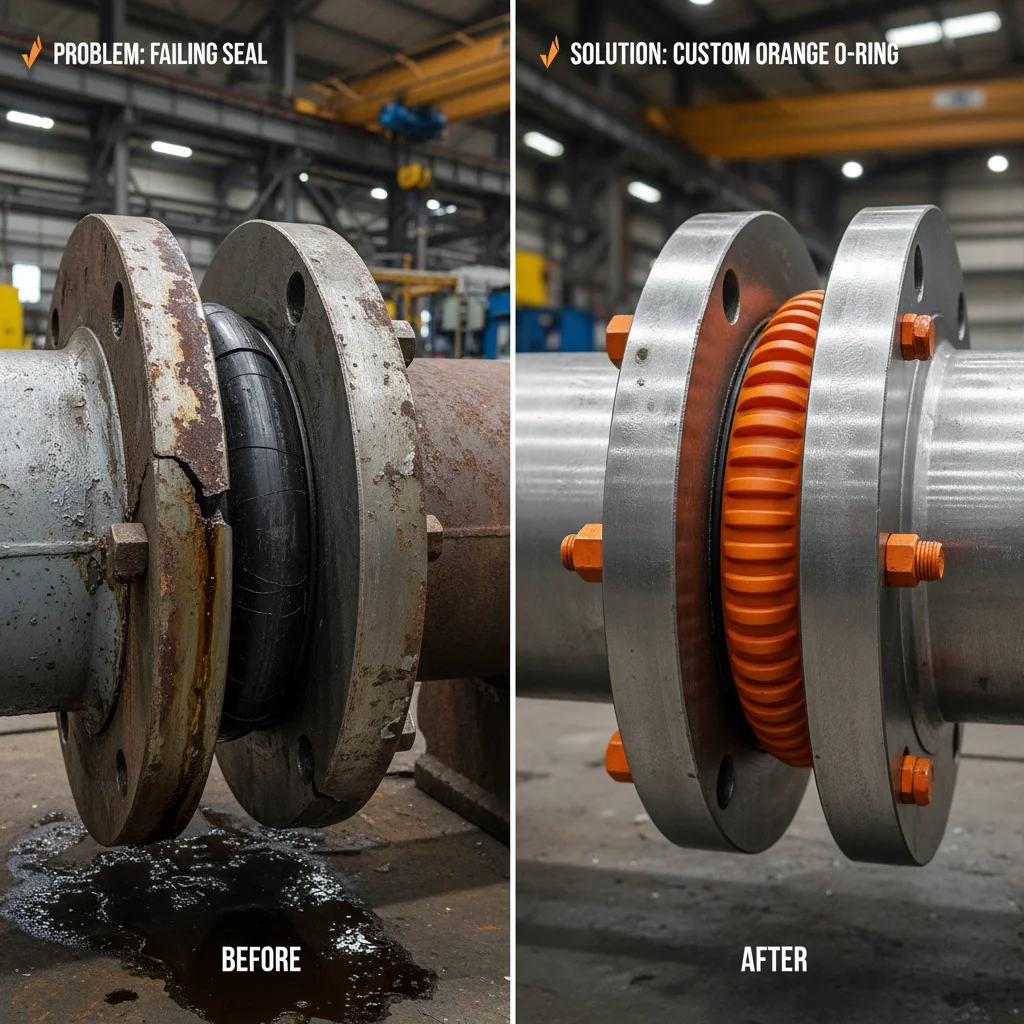
Investing in high-quality Custom Rubber Stoppers provides tangible long-term value by drastically reducing maintenance cycles. When a seal is designed specifically for the thermal expansion coefficient of its housing, the likelihood of "seal creep" or leakage is minimized, leading to higher machine uptime and reduced labor costs.
Beyond the logical and financial gains, there is an emotional element of trust and safety. In industries like healthcare or food processing, a reliable stopper is a promise of purity. The peace of mind that comes from knowing a seal will not fail under pressure translates into stronger brand loyalty and a reputation for uncompromising quality.
Future Trends and Material Innovations
The future of Custom Rubber Stoppers is being shaped by the push toward sustainability and "green chemistry." We are seeing a shift toward bio-based elastomers and recyclable thermoplastics that offer the same sealing properties as traditional rubber but with a significantly lower carbon footprint.
Digital transformation is also playing a role through the use of AI-driven generative design. Engineers can now simulate thousands of stopper geometries in a virtual environment to find the optimal shape for a specific pressure load before a single mold is ever cast, reducing waste and speeding up the prototyping phase.
Additionally, the rise of "smart seals" is on the horizon. Future iterations of these components may include embedded sensors capable of detecting leakages or material degradation in real-time, alerting operators to replace the Custom Rubber Stoppers before a failure occurs, moving the industry from reactive to predictive maintenance.
Overcoming Implementation Challenges
One of the primary challenges in implementing Custom Rubber Stoppers is the initial lead time and tooling cost associated with custom molds. Many companies hesitate to move away from standard parts due to the perceived upfront expense, even though the long-term failure rate of standard parts is often higher.
To overcome this, expert manufacturers are offering hybrid solutions, such as 3D printed elastomeric prototypes. This allows clients to verify the fit and function of their custom design in a real-world scenario before investing in high-volume steel tooling, effectively bridging the gap between customization and cost.
Another hurdle is the complexity of material certification, especially for food-grade or medical-grade applications. The solution lies in partnering with suppliers who maintain comprehensive traceability and ISO certifications, ensuring that every batch of Custom Rubber Stoppers meets the exact regulatory requirements of the target market.
Comparison of Stopper Implementation Strategies
| Strategy Type |
Initial Cost |
Seal Reliability |
Long-term Value |
| Standardized Off-the-shelf |
Very Low |
Moderate (5/10) |
Low |
| Modified Standard Parts |
Low |
Good (6/10) |
Moderate |
| Custom Molded EPDM |
Moderate |
Excellent (8/10) |
High |
| Custom High-Grade Viton |
High |
Superior (10/10) |
Very High |
| 3D Printed Elastomers |
Moderate |
Moderate (6/10) |
Moderate (Fast Proto) |
| Medical Grade Silicone |
High |
Superior (9/10) |
Highest (Regulatory) |
FAQS
The primary advantage is the precise match between the stopper and the application's specific requirements. Custom Rubber Stoppers allow you to control the exact material chemistry—ensuring resistance to specific chemicals—and the exact dimensions to prevent leaks that common, one-size-fits-all parts might ignore. This leads to lower failure rates and higher safety.
Hardness depends on the intended seal pressure and the material of the container. A softer stopper (lower Shore A) typically provides a better seal on uneven surfaces but may deform under high pressure. A harder stopper is more durable and resists extrusion but requires a more precise fit to prevent gaps. We recommend a sample test phase to calibrate the hardness to your specific torque and pressure specs.
Yes, absolutely. By utilizing medical-grade silicone or specialized polymers that are USP Class VI compliant, we can manufacture stoppers that meet strict FDA and healthcare regulations. These materials are formulated to be non-toxic, non-leaching, and capable of withstanding repeated sterilization cycles without degrading.
The choice depends on the environment. Silicone is preferred for heat and medical use; Nitrile (NBR) is ideal for oil and fuel resistance; EPDM is the go-to for weather and ozone exposure; and Viton (FKM) is used for extreme chemical and temperature resistance. Choosing the right material is the most critical step in the custom design process.
The timeline varies based on complexity. Prototyping and design approval usually take 1-2 weeks. Once the design is finalized, mold fabrication takes another 2-4 weeks. Production and shipping then depend on the volume. For urgent needs, we offer rapid prototyping options to speed up the verification phase.
While the initial tooling cost is higher, custom stoppers often save money by reducing waste and eliminating the need for secondary sealants or adhesives. For very small batches, we utilize compression molding or 3D printing to keep the entry cost low while still providing a tailored solution that outperforms standard parts.
Conclusion
In summary, Custom Rubber Stoppers are far more than simple accessories; they are engineered solutions that safeguard industrial processes, ensure product purity, and optimize operational efficiency. By focusing on the intersection of material science, precise geometry, and application-specific requirements, businesses can eliminate the risks associated with generic seals and build a more resilient production infrastructure.
Looking forward, the integration of sustainable materials and smart sensing technology will continue to elevate the role of sealing components. We encourage engineers and procurement managers to move beyond the "standard part" mentality and embrace customization as a strategic investment in quality and safety. To discover the perfect sealing solution for your specific needs, visit our website: www.beikesealing.com.