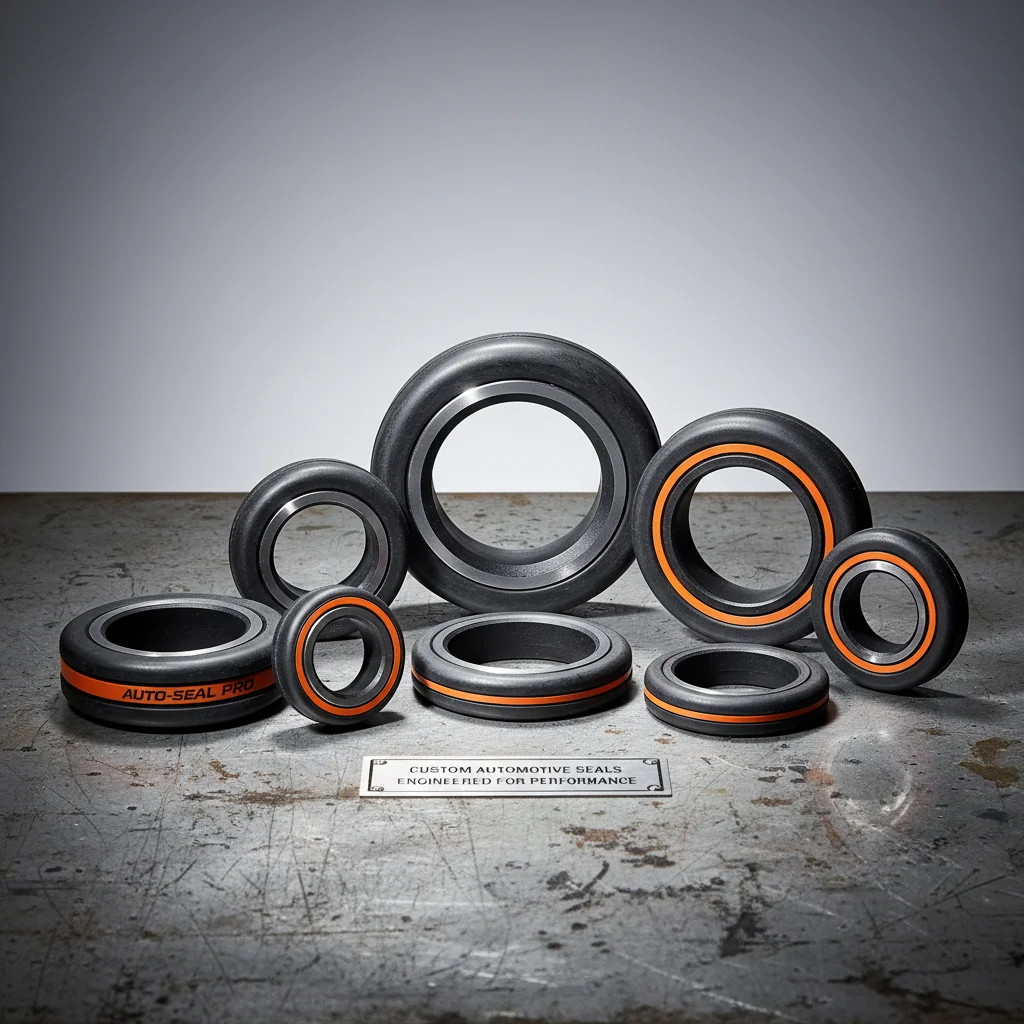
In the precision-driven world of modern manufacturing, the demand for airtight seals and secure closures has led to the critical importance of Custom Size Rubber Plugs. These components are not merely accessories but are essential engineering solutions that prevent leakage, protect sensitive internals from contaminants, and ensure the structural integrity of various industrial systems across the globe.
The versatility of Custom Size Rubber Plugs allows them to bridge the gap between standard off-the-shelf components and the rigorous requirements of high-pressure or chemically aggressive environments. By tailoring the geometry and material composition to specific operational needs, industries can significantly reduce downtime and avoid costly failures associated with improper sealing.
Understanding the technical nuances of these custom solutions—ranging from Shore hardness to thermal expansion coefficients—is vital for engineers seeking to optimize their product lifecycles. Whether utilized in aerospace, medical devices, or automotive assemblies, the right custom-sized plug ensures safety, efficiency, and long-term reliability in the most demanding conditions.
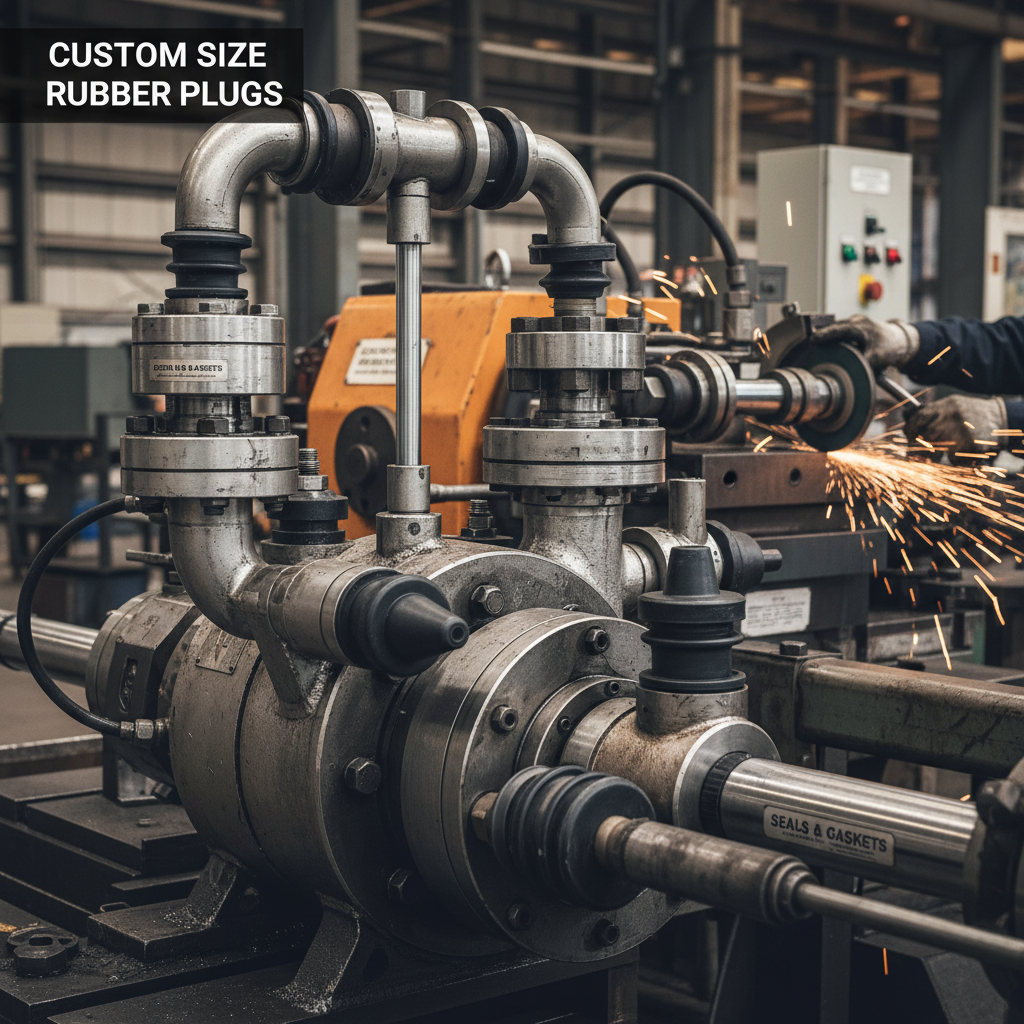
The global rubber components market has seen a paradigm shift toward specialization, where the demand for Custom Size Rubber Plugs is growing in tandem with the rise of Industry 4.0. According to ISO standards for rubber seals and gaskets, the margin for error in sealing applications has shrunk to microns, as high-precision machinery requires absolute vacuum or pressure stability to function.
Historically, many manufacturers relied on "near-fit" standard plugs, leading to an estimated 15-20% increase in maintenance costs due to premature wear and leakage. This systemic inefficiency has pushed global sectors—from the automotive hubs of Germany to the electronics clusters in Southeast Asia—to prioritize bespoke dimensions that eliminate the risks of over-compression or loose fits.
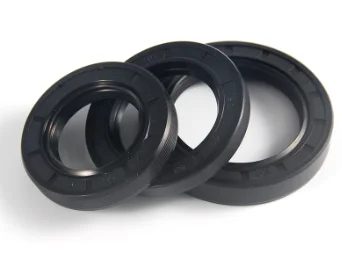
In simple technical terms, Custom Size Rubber Plugs are precision-molded elastomeric components designed to fit a specific aperture with an exact interference fit. Unlike standard plugs, these are engineered based on the specific diameter, depth, and wall thickness of the target hole, ensuring that the compressive force is evenly distributed across the sealing surface.
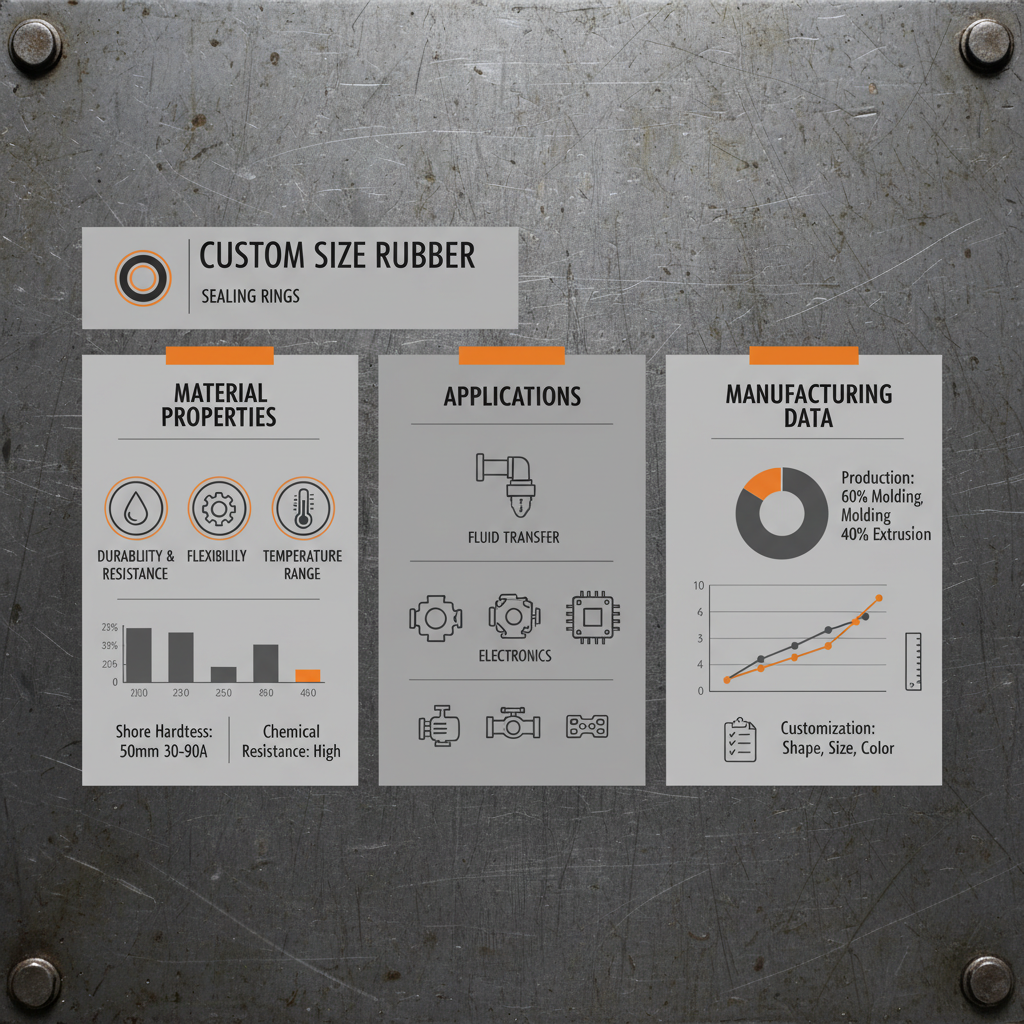
Beyond basic dimensions, the "custom" aspect extends to the polymer chemistry. Depending on the application, these plugs may be crafted from Nitrile (NBR) for oil resistance, EPDM for weathering, or Viton (FKM) for extreme heat. This intersection of geometry and material science is what allows a simple plug to protect a multi-million dollar piece of medical equipment or a critical aircraft hydraulic line.
In the context of modern humanitarian and industrial needs, such as the deployment of portable water filtration systems in disaster zones, these plugs ensure that connections remain leak-proof despite fluctuating temperatures and rough handling. This reliability makes them a silent but critical component in global infrastructure and emergency response logistics.
Durability is the cornerstone of Custom Size Rubber Plugs. The ability of a plug to maintain its sealing force over thousands of insertion and extraction cycles depends on the polymer's resilience and the precision of the mold. A plug that is too hard may damage the housing, while one that is too soft will deform and leak.
Chemical compatibility is another critical factor. When specifying Custom Size Rubber Plugs, engineers must analyze the fluids they will encounter. For instance, a plug used in a fuel system must be made of a material that does not swell or degrade when exposed to hydrocarbons, otherwise, the "custom size" becomes irrelevant as the material changes shape during use.
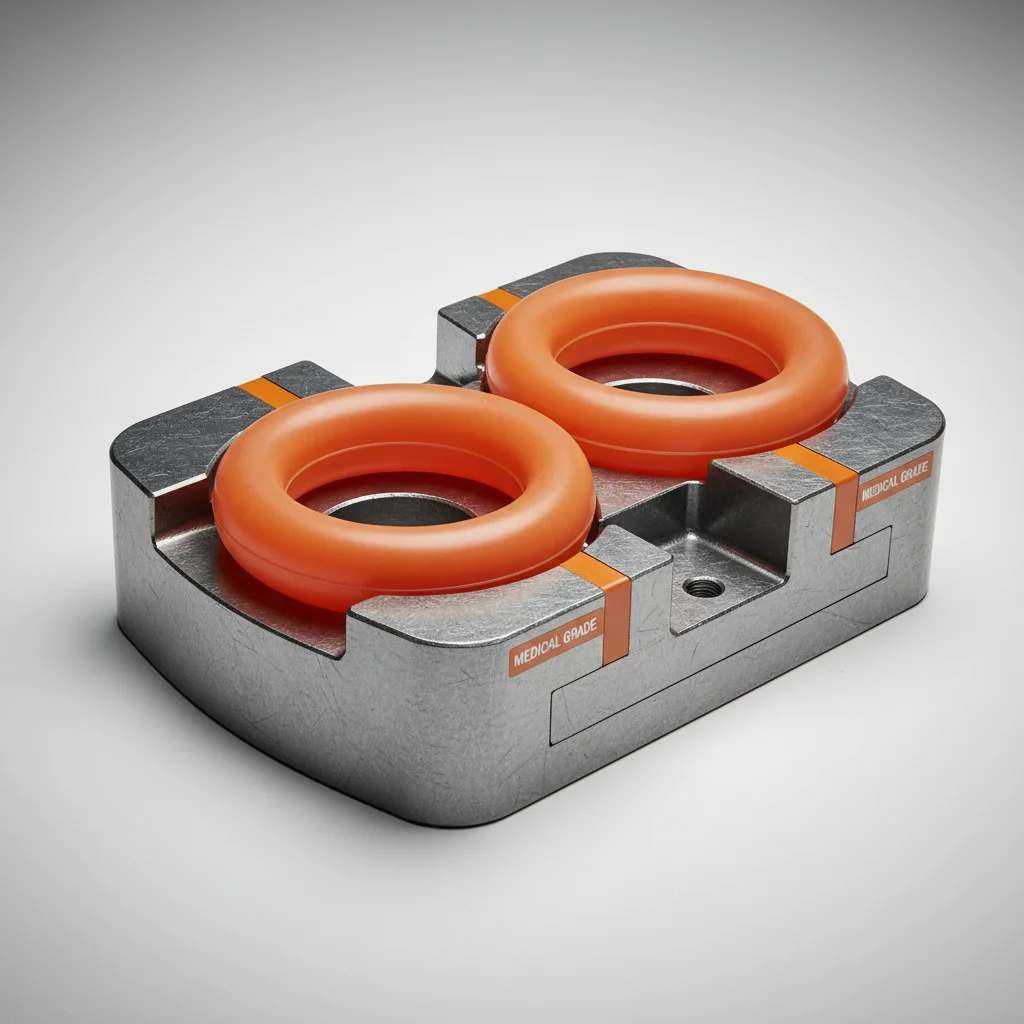
Cost efficiency is often achieved through the optimization of the molding process. By precisely calculating the volume of material needed for Custom Size Rubber Plugs, manufacturers can reduce waste and lower the unit price without sacrificing performance. This balance between material science and lean manufacturing is key to scaling production for global distribution.
Across diverse geographical regions, Custom Size Rubber Plugs are applied to solve unique environmental challenges. In the aerospace sectors of North America, they are used to seal fuel vents and drainage ports during maintenance, preventing foreign object debris (FOD) from entering critical systems. In the pharmaceutical labs of Europe, custom plugs ensure sterile environments by providing airtight closures for specialized vials and reaction vessels.
In remote industrial zones, such as offshore oil rigs in the North Sea, these components are vital for protecting electrical conduits from salt-spray corrosion. The ability to specify UV-resistant and salt-resistant materials ensures that the plugs do not crack under extreme exposure, thereby protecting the internal circuitry of the rig's control systems and preventing catastrophic electrical failures.
The long-term value of investing in Custom Size Rubber Plugs manifests in drastically reduced operational risks. When a plug fits perfectly, the mechanical stress on the joint is minimized, extending the life of the entire assembly. This leads to a higher "Mean Time Between Failures" (MTBF), which is a critical metric for any high-availability industrial system.
From a sustainability perspective, custom-sized components reduce waste. By eliminating the need for oversized plugs that require additional adhesives or mechanical fasteners to secure, companies can lower their overall material footprint. Furthermore, the enhanced reliability of Custom Size Rubber Plugs prevents leakages of hazardous fluids, contributing to environmental protection and corporate social responsibility goals.
The future of Custom Size Rubber Plugs is being shaped by the integration of "smart materials." We are seeing the emergence of elastomers that can change their hardness or shape in response to electrical stimuli or temperature shifts, allowing for dynamic sealing that adapts to real-time environmental changes.
Digital transformation is also playing a role through the use of 3D printing (additive manufacturing) for rapid prototyping. This allows engineers to test multiple iterations of Custom Size Rubber Plugs in a matter of hours rather than weeks, significantly shortening the product development cycle and allowing for even more complex internal geometries.
Sustainability is driving the shift toward bio-based rubbers and recyclable thermoplastic elastomers (TPEs). These new materials aim to provide the same high-performance sealing properties as traditional synthetic rubbers while reducing reliance on petroleum-based feedstocks, aligning the production of Custom Size Rubber Plugs with global green energy and circular economy policies.
One of the primary challenges in implementing Custom Size Rubber Plugs is "tolerance stack-up." When both the plug and the hole have slight manufacturing variances, the final fit may be too loose or too tight. Expert solutions involve using Coordinate Measuring Machines (CMM) to analyze the actual hole dimensions before finalizing the plug mold, ensuring a guaranteed fit.
Another common issue is material degradation due to ozone or UV exposure in outdoor settings. To overcome this, specialists recommend the use of anti-ozonants and UV stabilizers incorporated directly into the rubber compound. For the most extreme cases, a custom-sized plug can be coated with a thin layer of PTFE (Teflon) to provide an additional barrier against chemical attack and reduce friction during insertion.
Finally, balancing cost with custom requirements can be difficult for small batches. The solution lies in utilizing modular molding inserts, where only the core dimension of the Custom Size Rubber Plugs is changed while the outer mold remains the same. This approach significantly reduces tooling costs for low-volume, high-precision orders.
| Material Type | Typical Shore Hardness | Temperature Range | Seal Reliability Score |
|---|---|---|---|
| Nitrile (NBR) | 60-80 Shore A | -30°C to 120°C | 8/10 |
| EPDM | 50-70 Shore A | -50°C to 150°C | 7/10 |
| Silicone | 30-60 Shore A | -60°C to 230°C | 9/10 |
| Viton (FKM) | 70-90 Shore A | -20°C to 250°C | 10/10 |
| Neoprene | 60-80 Shore A | -40°C to 100°C | 6/10 |
| TPE | 40-90 Shore A | -40°C to 120°C | 7/10 |
Custom size rubber plugs are engineered to match the exact dimensions of your specific application, ensuring a perfect interference fit. This eliminates common issues such as leakages caused by loose fits or material stress caused by over-compression, which are frequent when using standard "off-the-shelf" plugs. By optimizing the fit and material, you achieve a more reliable seal and longer component lifespan.
Material selection should be based on the environmental stressors the plug will face. For oil and fuel resistance, Nitrile (NBR) is ideal. For outdoor exposure to UV and ozone, EPDM is the best choice. If you require extreme heat resistance and chemical inertness, Viton (FKM) is recommended. For food-grade or medical applications, silicone is typically the standard. Consulting a material specialist helps ensure the rubber doesn't degrade over time.
Yes, provided they are designed with the correct Shore hardness and geometry. High-pressure applications require materials with higher durometer ratings to prevent the plug from being pushed out or deformed. Engineering the plug with a tapered profile or a ribbed surface can also increase the friction and sealing force, making them suitable for hydraulic or pneumatic systems when paired with the correct polymer.
Lead times vary based on whether new tooling is required. For designs that can use existing modular molds, lead times can be as short as 1-2 weeks. For completely bespoke geometries requiring new steel molds, it typically takes 3-5 weeks. Rapid prototyping via 3D printing can provide samples within a few days for verification before mass production begins.
Sustainability is increasingly integrated into their production. Many manufacturers now offer TPE (Thermoplastic Elastomers) which are recyclable, unlike traditional thermoset rubbers. Additionally, by providing a perfect fit, custom plugs reduce the need for secondary sealants and adhesives, which are often toxic. Choosing a supplier that uses bio-based rubber compounds further reduces the environmental impact.
The most accurate method is to provide a technical drawing with clearly defined tolerances or to send a physical sample of the part being plugged. Using a digital caliper or a CMM (Coordinate Measuring Machine) ensures that the hole diameter and depth are recorded precisely. We recommend specifying the "maximum material condition" and "least material condition" to ensure the plug fits regardless of slight variations in the housing.
In summary, Custom Size Rubber Plugs represent a critical intersection of material science and precision engineering. By moving away from generic components and embracing bespoke solutions, industries can achieve superior sealing reliability, reduced maintenance costs, and enhanced system safety. From the selection of high-performance elastomers like Viton to the application of rigorous tolerance controls, every detail contributes to the overall efficiency of the industrial assembly.
As we move toward a future of smart manufacturing and sustainable materials, the role of tailored rubber components will only grow. Companies that prioritize the precision of their sealing solutions today will find themselves better positioned to handle the extreme demands of tomorrow's technology. For those seeking to optimize their operational integrity, investing in professional, custom-engineered sealing solutions is no longer optional—it is a strategic necessity. Visit our website: www.beikesealing.com
If you are interested in our products, you can choose to leave your information here, and we will be in touch with you shortly.