Comprehensive Guide to Waterproof ORings for Optimal Sealing Solutions
Understanding Waterproof O-Rings: A Comprehensive Guide
Waterproof O-Rings are essential components in countless applications, from plumbing and automotive systems to aerospace and medical devices. Their ability to create a reliable seal, preventing the leakage of fluids or gases, is critical for performance and safety. This article will delve into the world of waterproof O-rings, covering materials, applications, sizes, and factors to consider when selecting the right O-ring for your needs. Understanding these seals is vital for engineers, technicians, and anyone involved in systems requiring leak-proof performance.
What are Waterproof O-Rings?
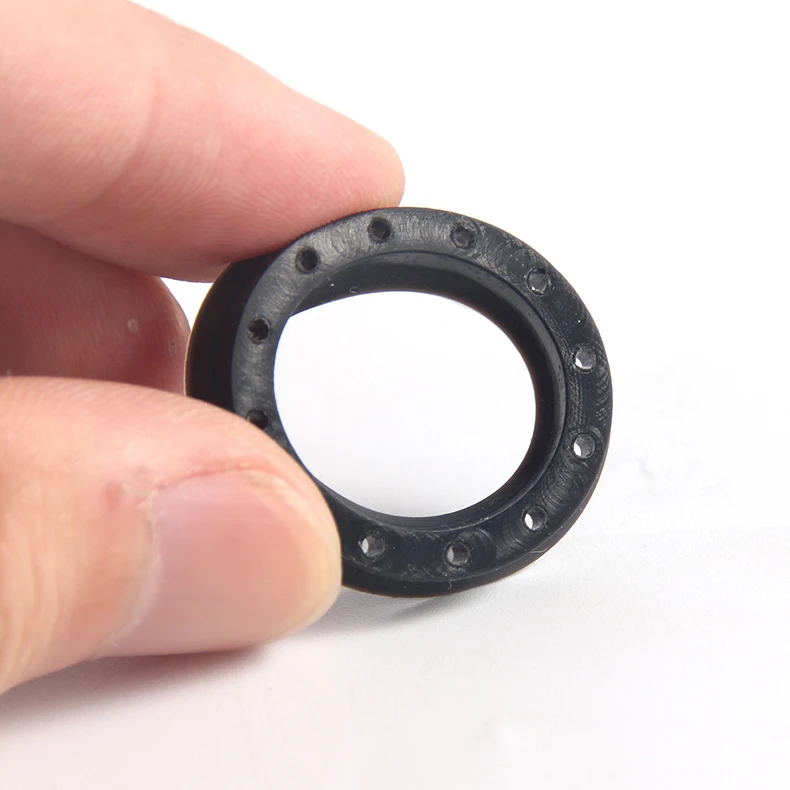
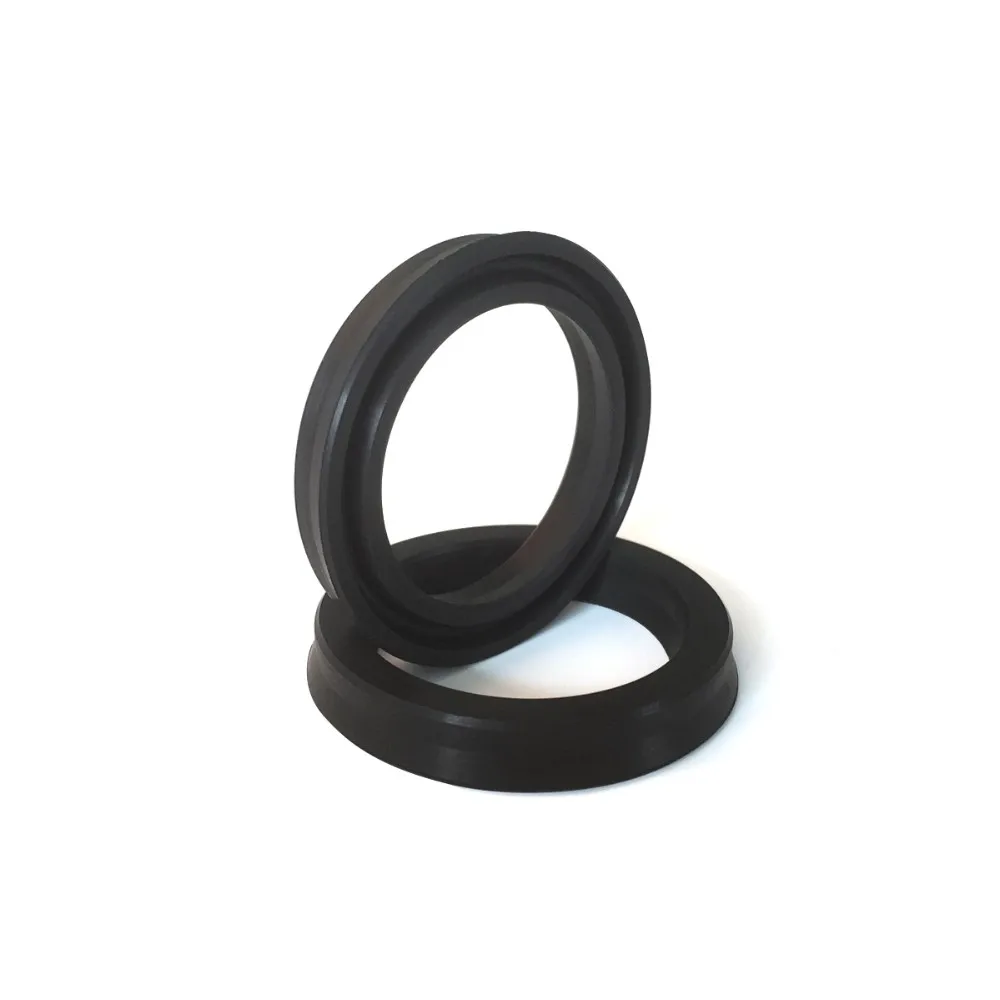
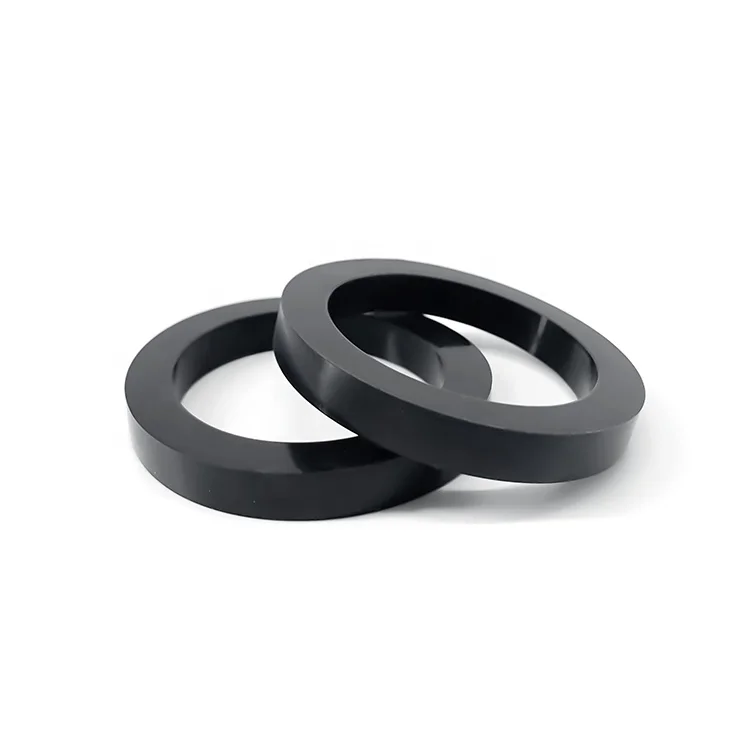
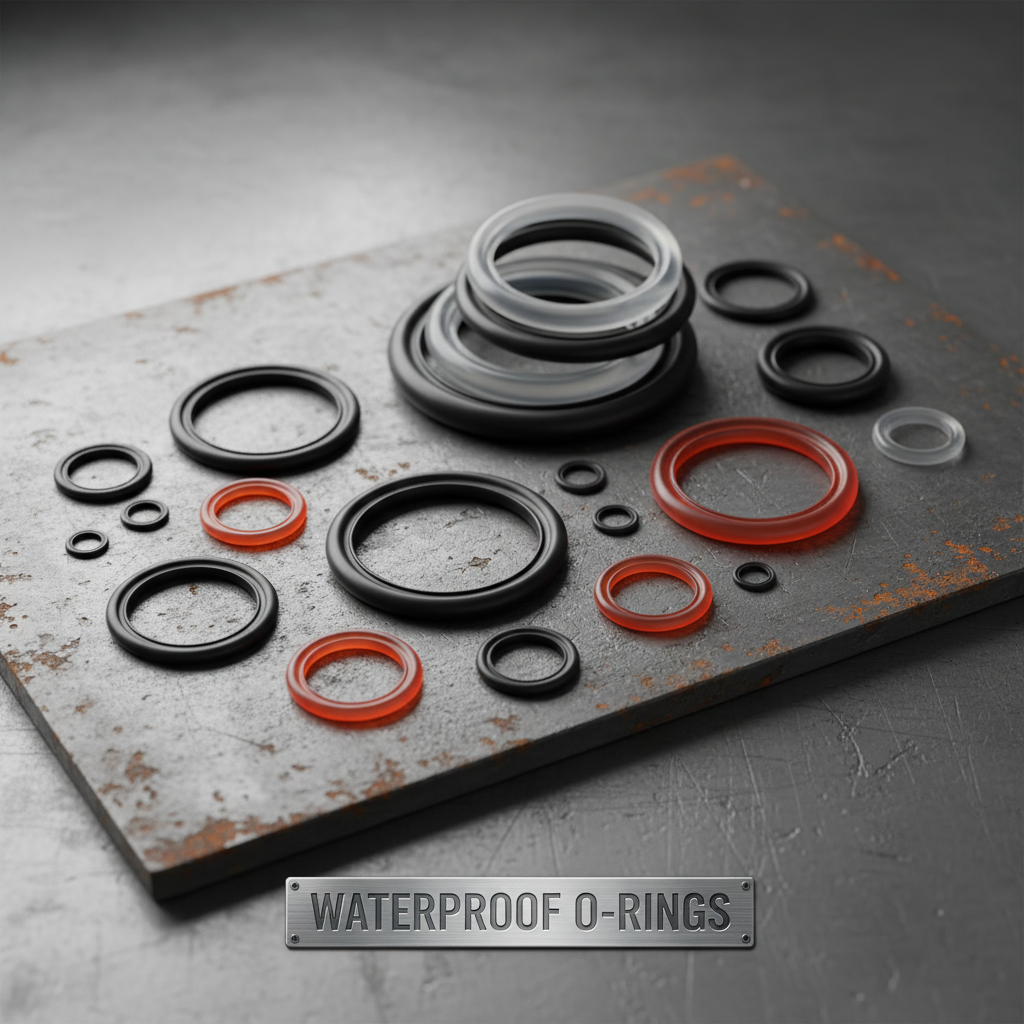
An O-ring is a simple, yet highly effective, sealing device. It's a torus-shaped ring made from an elastomeric material, designed to be seated in a groove and compressed to create a seal. "Waterproof" simply signifies that the O-ring material and the seal it creates are capable of preventing water ingress, even under pressure. The effectiveness of a waterproof O-ring relies on its material's resistance to water absorption and its ability to maintain its elasticity over time. Selecting the correct material is paramount, as different materials offer varying degrees of water resistance and compatibility with specific fluids.
Key Highlights: O-rings create a seal by deformation, filling the space between mating surfaces. Material selection is crucial for compatibility and performance in wet environments.
Common Materials for Waterproof O-Rings
A variety of materials are used in the manufacture of waterproof O-rings, each with its own unique properties. The most common include:
- Nitrile Rubber (NBR): Excellent resistance to oil, fuel, and water. A cost-effective and versatile option for general-purpose applications.
- Viton (FKM): Exceptional resistance to chemicals, high temperatures, and ozone. Ideal for demanding environments.
- Silicone (VMQ): Excellent temperature range and good resistance to water. Often used in food and medical applications.
- Ethylene Propylene Diene Monomer (EPDM): Excellent resistance to water, steam, and weathering. Commonly used in outdoor applications.
- Fluorosilicone (FVMQ): Combines the benefits of silicone and fluorocarbon, offering good resistance to fuels, oils, and water.
Choosing the Right O-Ring Material: A Comparison
Selecting the appropriate material is paramount for ensuring long-term performance and reliability. The table below provides a comparative overview of the key material properties:
Applications of Waterproof O-Rings
The applications for waterproof O-rings are incredibly diverse, spanning across numerous industries. Some common examples include:
- Plumbing: Sealing faucets, valves, and pipe connections.
- Automotive: Sealing fuel systems, transmissions, and engine components.
- Aerospace: Sealing hydraulic systems and fuel lines.
- Marine: Sealing pumps, valves, and underwater equipment.
- Medical Devices: Sealing surgical instruments and fluid handling systems.
- Electronics: Sealing enclosures for protection against moisture ingress.
Sizing and Installation of Waterproof O-Rings
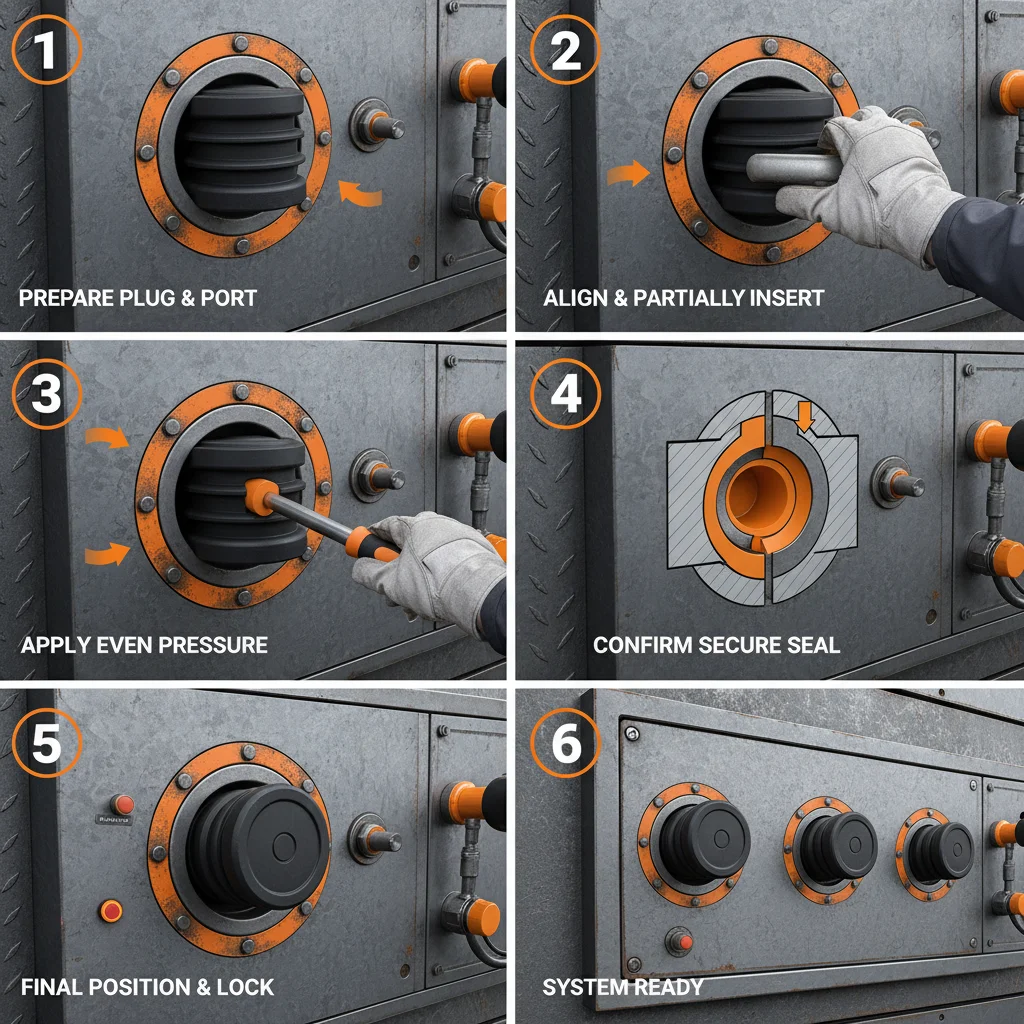
O-rings are specified by their inner diameter (ID) and cross-sectional diameter (CS). Accurate sizing is critical for ensuring a proper seal. Installation requires careful attention to avoid damage. Lubrication with a compatible lubricant can aid installation and extend the O-ring's lifespan. Avoid using sharp tools or excessive force during installation. Beikesealing offers a wide range of O-ring sizes and materials to meet your specific needs.
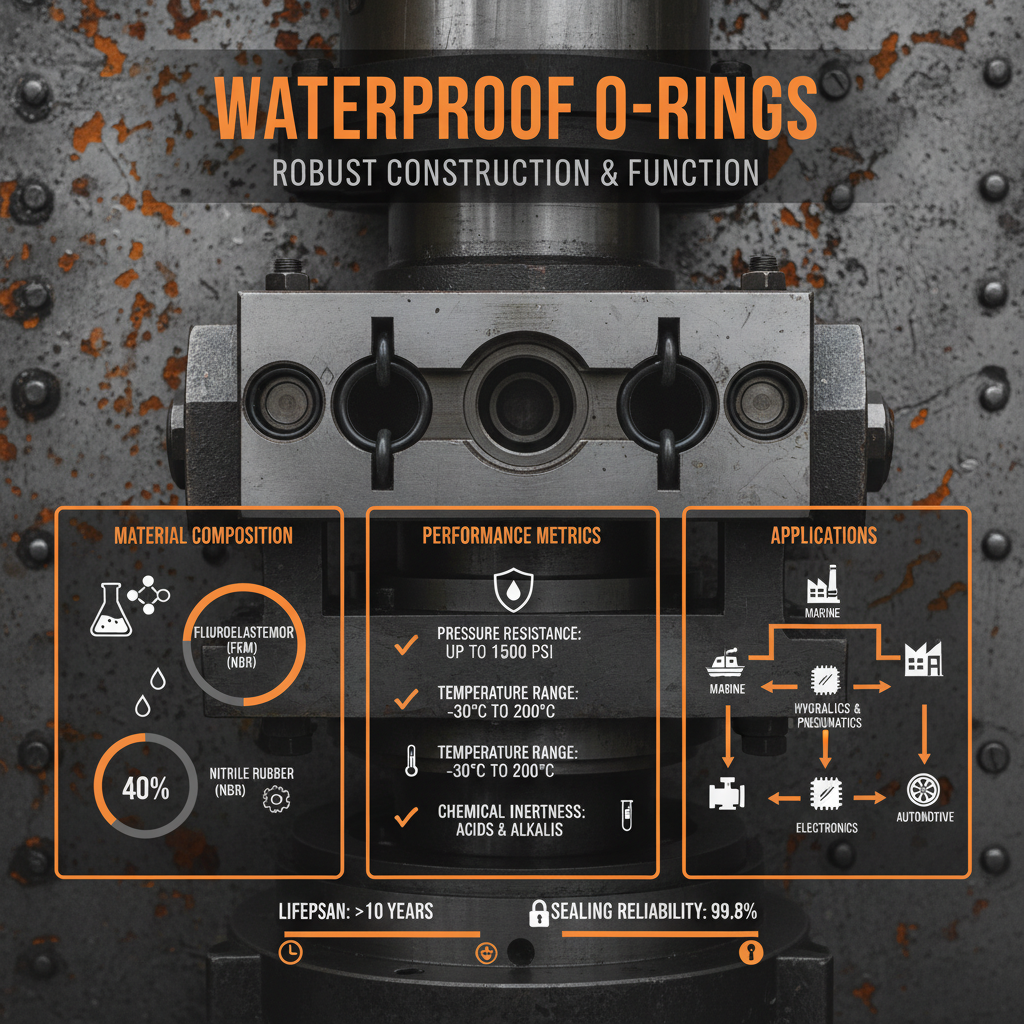
Conclusion: Ensuring Leak-Proof Performance with Quality O-Rings
Selecting the right waterproof O-ring is vital for ensuring the reliability and longevity of your equipment. By considering the application requirements, fluid compatibility, and operating conditions, you can choose the optimal material and size. Beikesealing is your trusted partner for high-quality O-rings and sealing solutions.
Frequently Asked Questions (FAQs)
What factors affect the lifespan of a waterproof O-ring?
Several factors contribute to the lifespan of an O-ring. These include the material's compatibility with the fluid being sealed, the operating temperature and pressure, exposure to UV light and ozone, and the presence of abrasive particles. Regular inspection and proper lubrication can significantly extend the O-ring's service life. Mechanical stress, such as twisting or stretching during installation, can also cause premature failure. Choosing a high-quality O-ring from a reputable supplier like Beikesealing helps ensure optimal performance and longevity.
How do I determine the correct O-ring size?
The correct O-ring size is determined by measuring the groove dimensions. You'll need to know the inner diameter (ID) of the groove and the cross-sectional diameter (CS) of the O-ring space. It's crucial to use precise measuring tools and account for groove tolerances. Consulting O-ring sizing charts and guides can also be helpful. If you're unsure, it's always best to consult with a sealing specialist at Beikesealing to ensure you select the correct size for your application.
What is the best lubricant to use with O-rings?
The best lubricant depends on the O-ring material and the fluid being sealed. Silicone-based lubricants are generally compatible with most O-ring materials and provide excellent lubrication. However, for specific applications, such as those involving fuel or oil, it's essential to choose a lubricant that is compatible with both the O-ring and the fluid. Avoid using petroleum-based lubricants with certain O-ring materials, as they can cause swelling or degradation. Beikesealing can provide recommendations on the appropriate lubricant for your specific application.
Can O-rings be reused?
While it’s possible to reuse O-rings, it’s generally not recommended, especially in critical applications. Each time an O-ring is compressed and decompressed, it can experience some degree of deformation, potentially compromising its sealing ability. Reusing an O-ring increases the risk of leakage. It's best practice to replace O-rings whenever they are disassembled, especially if they have been exposed to harsh conditions or have been in service for an extended period.