Selecting the correct sealing component often determines the boundary between operational efficiency and catastrophic system failure. In precision-driven sectors like medical device manufacturing and automotive engineering, the reliance on generic off-the-shelf parts frequently leads to premature wear or leakage due to insufficient material compatibility.
The shift toward highly specialized environments requires a transition from standard components to Custom Rubber Seals. These tailored solutions allow engineers to calibrate hardness, chemical resistance, and geometric precision to match the exact stresses of a specific application, rather than compromising with "close-enough" alternatives.
This analysis explores the critical technical variables involved in the design and procurement of custom rubber components, focusing on how material science and precision molding impact long-term reliability in high-pressure industrial systems.

The Shift from Standard to Bespoke Sealing

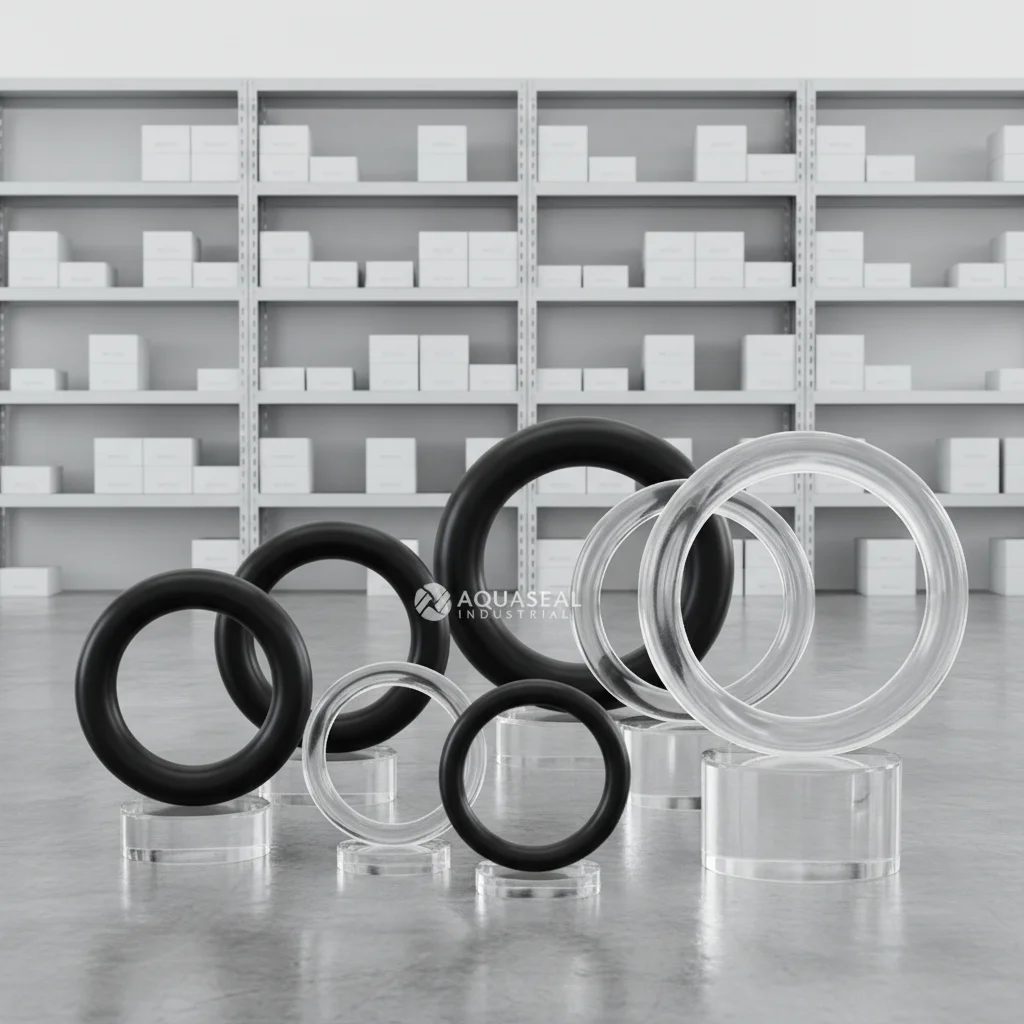
Standard seals are designed for the "average" application, which means they often over-perform in some areas while failing in others. When a system operates under extreme thermal cycling or contacts aggressive chemicals, the generic material properties of a standard O-ring may lead to rapid degradation, compression set, or leakage.
Bespoke sealing solutions eliminate this guesswork. By defining the exact chemical environment and pressure thresholds, manufacturers can develop a specific rubber compound. For example, Shijiazhuang Beike Sealing Technology Co., Ltd. utilizes its own raw material laboratory to cover ASTM D2000 standards, ensuring that the formula is optimized for the user's specific working conditions rather than a general category.
Material Engineering and Hardness Calibration
Material selection is the foundation of seal longevity. While NBR, Silicone, and EPDM are common, the "grade" of these materials varies significantly. The choice depends on the balance between elasticity and resistance. For instance, EPDM is preferred for its exceptional resistance to ozone and weathering, making it ideal for outdoor or medical applications where stability is paramount.
Beyond the base polymer, Shore A hardness is a critical variable. A seal that is too hard may fail to energize and create a leak path, while one that is too soft may extrude into the gap under high pressure. Customization allows for a precise range—typically from 30° to 90° Shore A—allowing the seal to be tuned to the specific mechanical tolerances of the housing.
The integration of specialized compounds enables the creation of complex parts like encapsulated O-rings or food-grade silicone seals. These require a deep understanding of polymer cross-linking and curing cycles to ensure that the final product maintains its physical properties without internal voids or surface defects.
Precision Molding and Dimensional Stability
The transition from a drawing to a physical part involves complex mold dynamics. Precision in mold opening and cavity design is essential to prevent "flash" (excess material) and ensure that the final part adheres to strict dimensional tolerances. Rapid prototyping via CNC machining centers has reduced the mold-to-sample cycle from weeks to days.
Dimensional stability in rubber components is not merely about the initial size, but how the part maintains its shape after compression and thermal exposure, a metric known as compression set.
Advanced production methods, such as the combination of compression and injection molding, allow for the creation of complex geometries like X-profile or Y-ring seals. These profiles provide multi-point sealing surfaces that are far more effective than simple round profiles in high-pressure hydraulic or pneumatic systems.
Performance Correlation by Material Type
Different rubber compounds excel in different environments. When evaluating materials for a custom project, engineers typically look at a relative index of performance across several key metrics: thermal resistance, chemical compatibility, elasticity, and durability.
The following index illustrates the typical relative strengths of common materials used in custom seals. While no single material is perfect for every scenario, this comparative framework helps in narrowing down the optimal compound for a specific industrial requirement.
Figure 2. Relative Material Performance Index
Application Criticality in Medical and Industrial Use
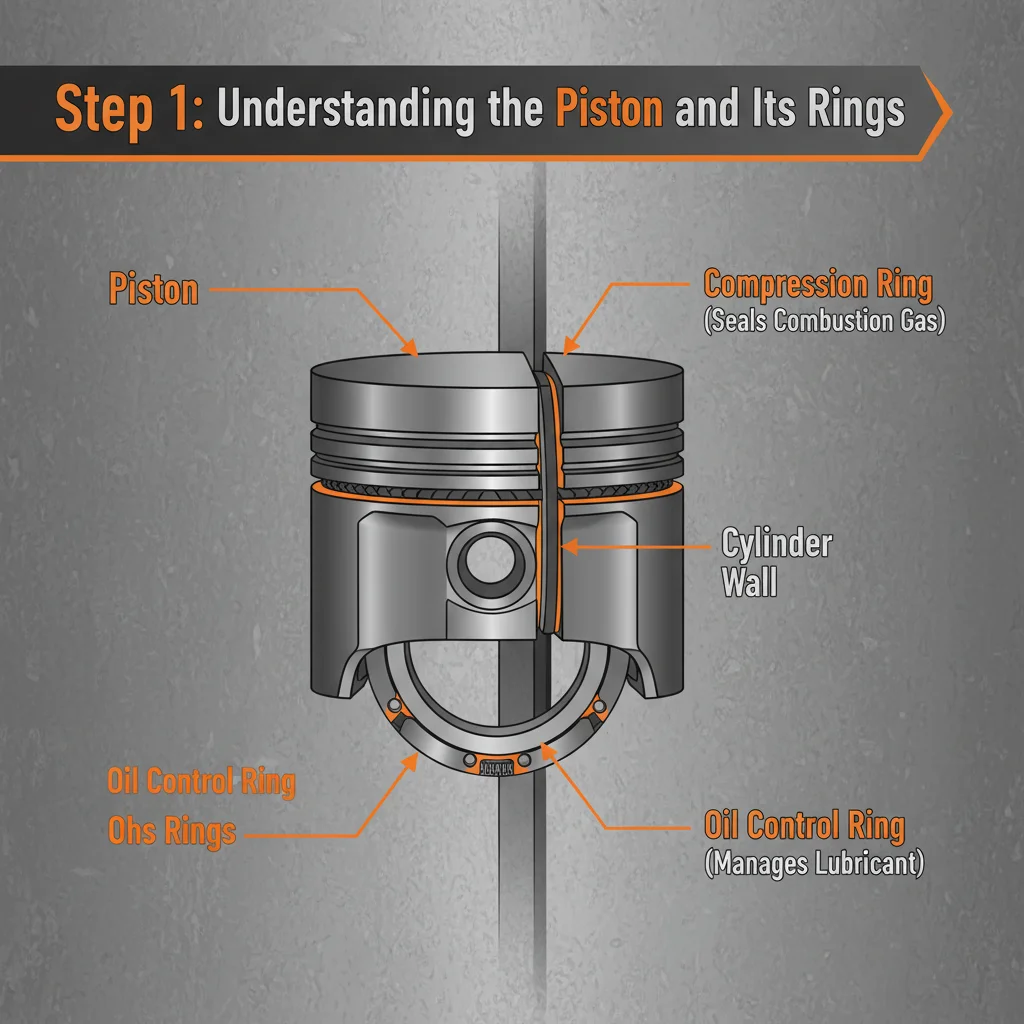
In the medical sector, the margin for error is zero. Components such as EPDM syringe rubber piston rings must provide a smooth glide to ensure precise dosage while maintaining a leak-proof seal under varying pressures. The material must not only be mechanically sound but also biologically inert and compliant with strict safety regulations.
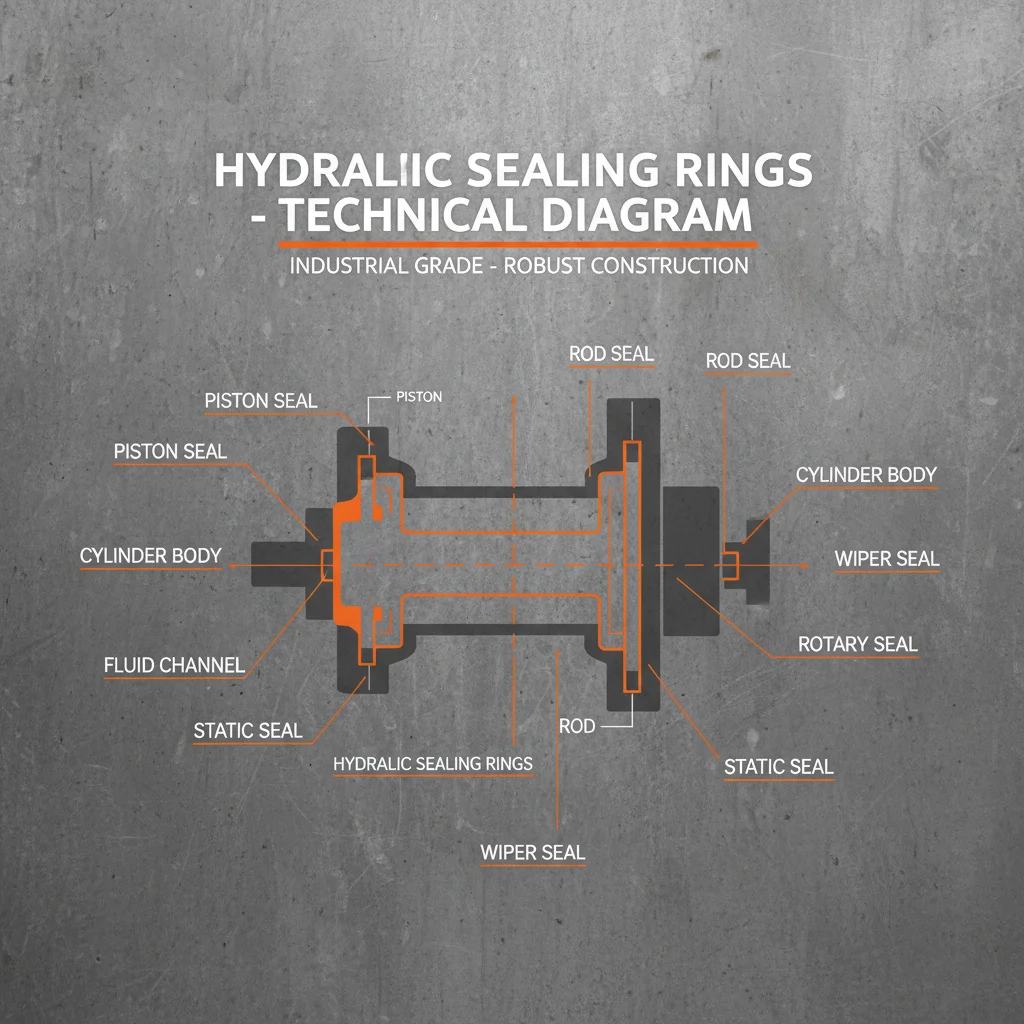
Similarly, in the petrochemical and aviation industries, seals are subjected to extreme temperature swings and corrosive fluids. The use of custom rubber parts—such as specialized elastic rubber bushings or hydraulic seals—prevents fluid loss and protects internal machinery from contaminants, directly impacting the operational lifespan of the equipment.
Evolution of Compliance and Certification Standards
Global market entry for rubber components is now heavily dependent on certification. It is no longer sufficient for a part to "work"; it must be documented. ISO9001 and TS16949 certifications provide a framework for quality management, ensuring that the manufacturing process is repeatable and the output is consistent.
Environmental and safety compliance, including UL, ROHS, and REACH, ensures that the rubber compounds do not contain hazardous substances. This is particularly critical for food-grade silicone O-rings and medical-grade components, where material leaching could pose a significant risk to end-users.
The modern supply chain demands full traceability. From the raw material batch in the laboratory to the final inspection in the Q.C. department, every step must be recorded. This rigorous approach reduces the risk of bulk failures and ensures that every shipment meets the specified technical parameters.
Comparative Evaluation of Sourcing Models
When sourcing Custom Rubber Seals, procurement teams often choose between standard suppliers and specialized factory solutions. The primary trade-off is between immediate availability and long-term system optimization.
Standard suppliers offer fixed sizes and basic materials, which are suitable for non-critical applications. However, for high-precision requirements, a factory-direct solution—providing OEM/ODM expertise and rapid CNC molding—allows for the creation of parts that are perfectly tailored to the application's physical and chemical demands.
The following table compares the two sourcing models across key operational metrics to help buyers determine the most cost-effective path for their specific project.
| Evaluation Factor | Standard Supplier | Factory Solution | Impact on System |
|---|---|---|---|
| Quality Assurance | Basic Inspection | 3-Stage QC + ISO/TS | Reliability/Failure Rate |
| Mold Turnaround | 2-4 Weeks | Rapid CNC (1 Week) | Time-to-Market |
| Material Range | Fixed Compounds | Bespoke Formulas | Chemical Resistance |
| Dimensional Fit | Standard Sizes | Full Bespoke Sizing | Sealing Efficiency |
| Compliance | Generic Standards | UL/ROHS/REACH | Regulatory Approval |
| Lead Time (Bulk) | Variable | Guaranteed 10-15 Days | Supply Chain Stability |
Questions & Answers
The choice depends primarily on the chemical environment. NBR (Nitrile) is superior for oil and fuel resistance, making it ideal for automotive and petrochemical use. EPDM, conversely, offers far better resistance to heat, ozone, and weather, and is the preferred choice for medical syringes and outdoor industrial equipment where oil exposure is minimal but environmental stability is required.
Hardness dictates the balance between sealing force and durability. A lower hardness (e.g., 30°-50°) provides a more flexible seal that conforms easily to irregular surfaces, which is essential for low-pressure applications. A higher hardness (e.g., 70°-90°) prevents the rubber from extruding into gaps under high pressure, ensuring the seal remains intact in heavy-duty hydraulic systems.
The primary risks include material leaching, where chemicals from the rubber migrate into the medication, and premature failure due to incompatible sterilization processes. Using components that lack UL, ROHS, or REACH certification can lead to regulatory rejection, product recalls, and potential health hazards for the end-user, making certified factory sourcing a necessity.
Yes. Professional manufacturers can use reverse engineering to analyze a sample's dimensions and material properties. By utilizing a raw material laboratory, they can identify the original compound or develop an improved formula based on the user's actual working conditions, then create precise CNC molds to replicate and optimize the part.
The process generally begins with rapid prototyping, where samples are produced and delivered within one week using a CNC machining center. Once the sample is approved, bulk production typically takes 10-15 days. This streamlined timeline is achieved through integrated mold development and efficient injection molding processes.
Evaluate based on three pillars: Certification (ISO9001/TS16949), Technical Capability (in-house material lab and CNC molding), and Quality Control (multi-stage inspection process). A supplier that can provide full traceability and compliance certificates (REACH/ROHS) for their compounds is generally more reliable than one providing generic product descriptions.
Final Thoughts
The transition to Custom Rubber Seals is a strategic move that replaces operational uncertainty with engineered precision. By focusing on material chemistry, calibrated hardness, and strict dimensional tolerances, industries can significantly reduce downtime and enhance the safety of their critical systems.
As global standards for medical and industrial safety continue to tighten, the value of partnering with a manufacturer that integrates R&D, precision molding, and comprehensive certification becomes an indispensable competitive advantage for any engineering firm.