
In the demanding environments of maritime engineering, the integrity of sealing systems is paramount to operational safety and environmental protection. Marine Rubber Seals serve as the critical first line of defense, preventing the ingress of corrosive saltwater and the leakage of hazardous fluids in everything from propulsion systems to offshore drilling equipment. As global shipping and deep-sea exploration expand, the demand for high-performance elastomeric solutions that can withstand extreme pressures and chemical exposure has never been higher.
The challenge for engineers lies in selecting materials that do not degrade under the relentless assault of UV radiation, salinity, and fluctuating thermal conditions. Traditional rubber compounds often fail prematurely in these settings, leading to costly downtime and potential ecological disasters. Consequently, the industry has shifted toward advanced perfluoroelastomers (FFKM), which offer an unparalleled combination of chemical inertness and thermal stability, ensuring that critical joints remain airtight and watertight under the most grueling conditions.
Understanding the technical nuances of Marine Rubber Seals is essential for optimizing the lifecycle of marine hardware. By integrating materials like Kalrez or AFLAS PM-3000, operators can achieve significant reductions in maintenance intervals while enhancing the overall reliability of their fleet. This guide explores the critical properties, applications, and future innovations of high-grade rubber sealing technology in the marine sector.

Material Excellence in Marine Rubber Seals

The foundation of a high-performance seal lies in its molecular structure. For the most aggressive marine environments, FFKM (Perfluoroelastomer) is the gold standard. Materials such as Kalrez and AFLAS PM-3000 are engineered to provide a near-total barrier against chemical attack, making them indispensable for Marine Rubber Seals used in oilfield parts and semiconductor-grade maritime equipment.
These materials are processed using precision mold pressing to ensure a hardness of 70±5 shores A, providing the perfect balance between flexibility and structural integrity. This ensures that the seals maintain a tight grip on the mating surfaces, even when subjected to the rapid pressure changes typical of deep-sea submersible operations.
FAQS
FFKM (Perfluoroelastomer) is superior because of its fully fluorinated backbone, which provides extreme resistance to over 1,800 chemicals and stability in temperatures up to 250°C. Unlike standard rubber, it doesn't swell or degrade when exposed to aggressive marine solvents and salts, significantly extending the seal's service life to 5-7 years.
Yes, AFLAS PM-3000 is an excellent semi-commercialized perfluoroelastomer that offers similar outstanding chemical and heat resistance to Kalrez but often at a more competitive price point. It is highly suitable for oilfield parts and harsh chemical environments where high-level performance is required without the premium cost of top-tier Kalrez.
High-performance Marine Rubber Seals using FFKM are designed for broad temperature capability. While they typically retain resilience down to -21°C, specialized customer laboratory tests have demonstrated effective sealing performance down to -40°C under pressurized conditions, making them ideal for polar maritime operations.
Absolutely. Most professional manufacturers offer customized sizes through precision mold pressing. Whether you need a standard O-ring, X-ring, or a unique custom profile, the materials can be molded to your exact specifications to ensure a perfect fit and maximum sealing efficiency.
You should look for ISO 9001 and TS 16949 certifications. These ensure that the manufacturing process meets international quality management standards and automotive-grade precision, which is critical for the high-reliability requirements of marine and offshore engineering.
While high-grade FFKM seals can last 5-7 years, replacement intervals depend on the severity of the environment. We recommend regular inspections. However, switching from standard elastomers to FFKM typically reduces replacement frequency by 3-4 times, significantly lowering long-term maintenance costs.
Conclusion
In summary, the selection of materials for Marine Rubber Seals is a critical decision that impacts the safety, efficiency, and longevity of any maritime operation. By leveraging the extreme chemical resistance and thermal stability of FFKM and AFLAS PM-3000, operators can ensure their systems remain leak-free even in the most aggressive environments. From deep-sea oil rigs to arctic shipping lanes, the transition to high-performance elastomeric solutions is the most effective way to mitigate risk and reduce operational downtime.
Looking forward, the integration of sustainable manufacturing and smart-sensing technology will further refine the way we maintain marine sealing systems. For those seeking to optimize their fleet's reliability, investing in certified, high-grade custom rubber parts is no longer an option but a necessity. We invite you to explore our full range of professional sealing solutions to secure your maritime assets. Visit our website: www.beikesealing.com
Related Posts
-
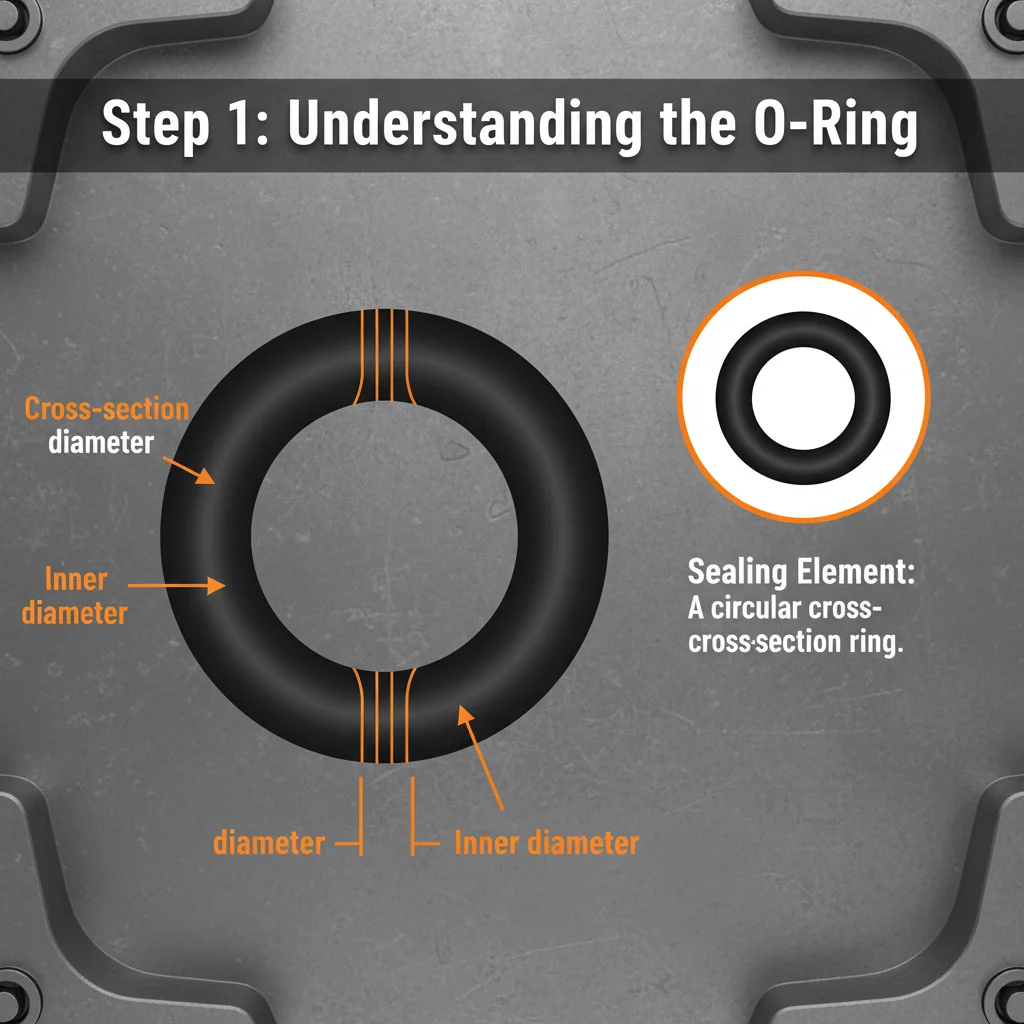
Exploring Mechanical ORings Applications Trends and Future Innovations
-
Comprehensive Guide to Oil Resistant Sealing Rings and Industrial Applications
-
Advanced Solutions Rubber Seals Supplier at China International Rubber Technology Exhibition
-

Industrial Low Pressure Rubber Seals for Enhanced Efficiency


