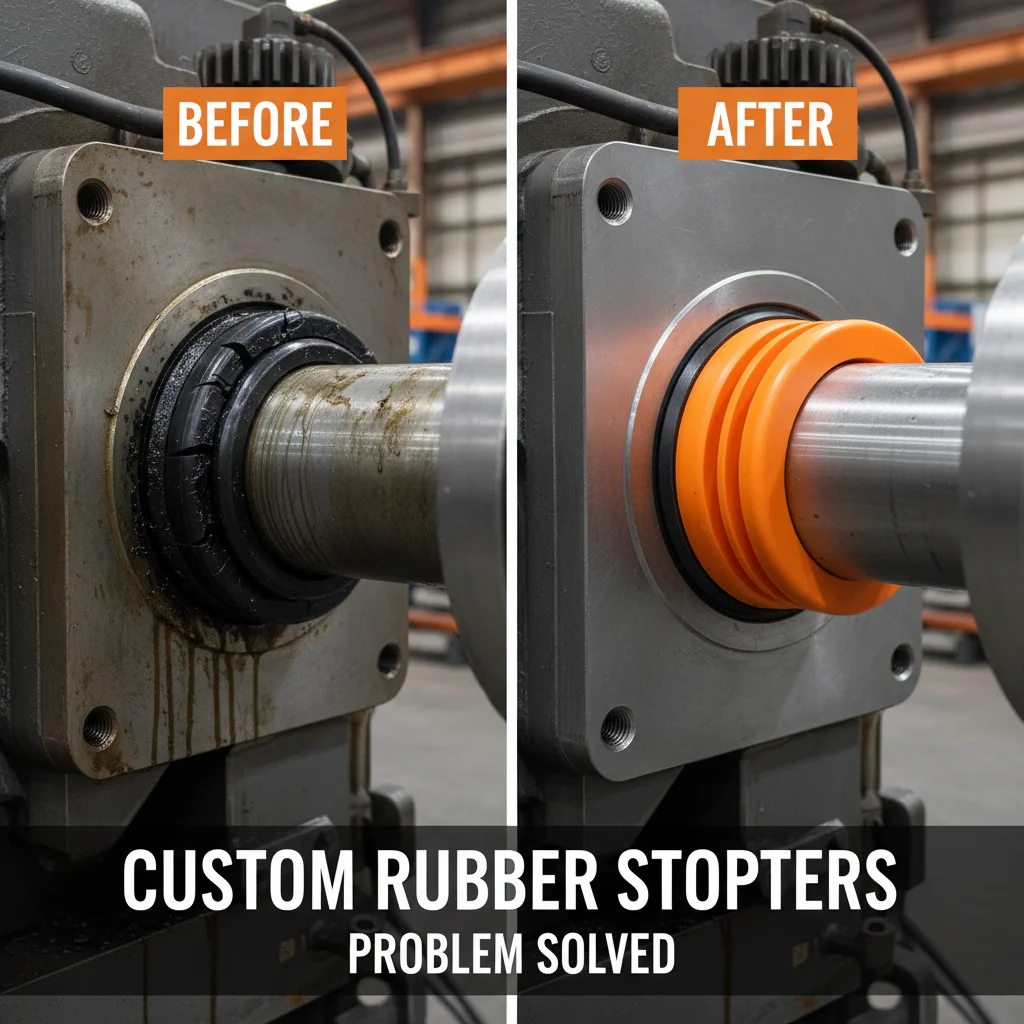
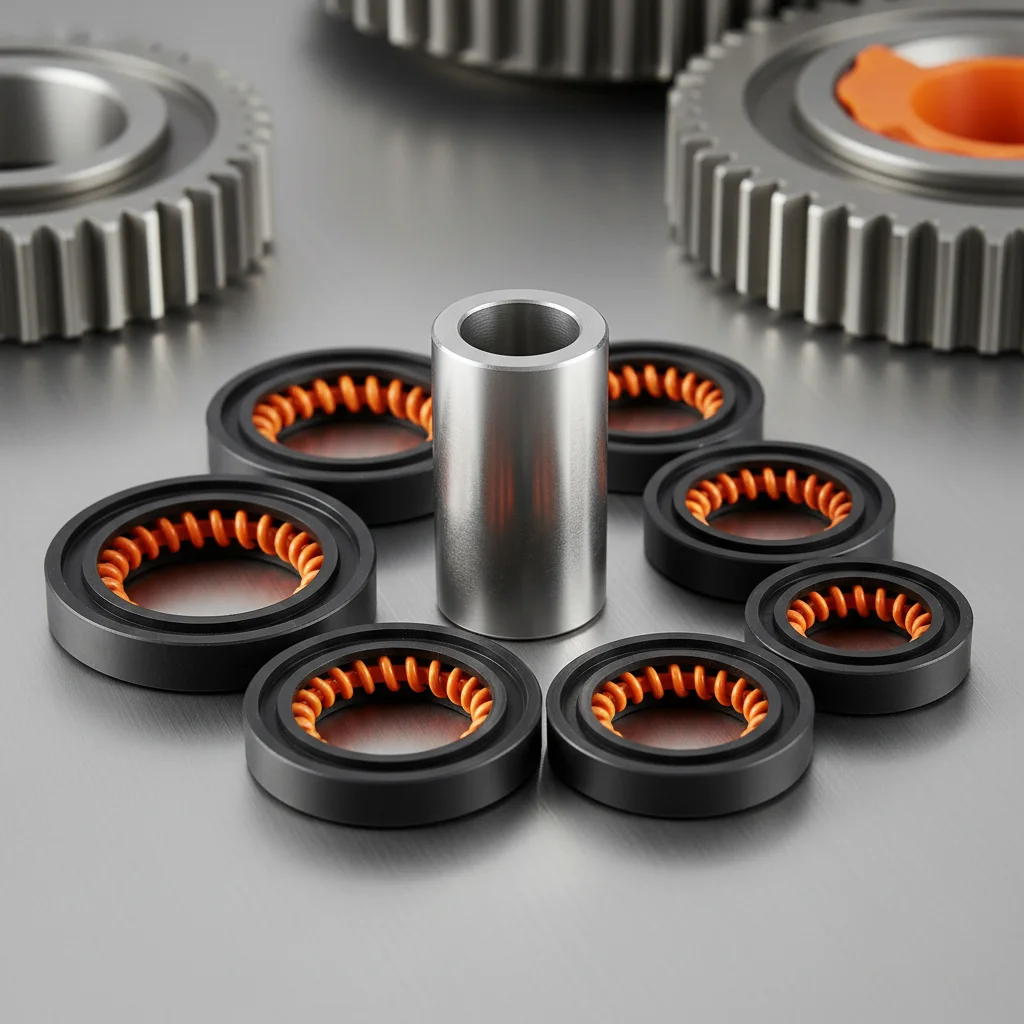
Pneumatic systems are the heartbeat of modern industrial automation, relying on the precise movement of compressed air to drive machinery, actuators, and control valves. At the center of this operational efficiency are the seals, which prevent critical pressure loss and protect internal components from contamination. Without high-performance sealing solutions, the energy efficiency of a pneumatic circuit drops significantly, leading to increased operational costs and frequent system downtime.
The global demand for precision engineering has pushed the evolution of sealing materials beyond basic rubber. Today, industries ranging from aerospace to semiconductor manufacturing require components that can withstand extreme temperature fluctuations, chemical exposure, and high-cycle fatigue. Selecting the right elastomer is no longer just a maintenance decision but a strategic engineering choice that impacts the overall reliability and safety of the industrial infrastructure.
Understanding the nuances of Pneumatic System Seals is essential for any facility aiming to optimize its production line. By integrating advanced materials like FKM or FFKM, companies can drastically extend the mean time between failures (MTBF) and ensure that their pneumatic actuators operate with pinpoint accuracy, even in the most demanding environments.

Material Science in Pneumatic Sealing
The effectiveness of any seal begins with the chemistry of the elastomer. For standard pneumatic applications, Nitrile (NBR) is often the go-to choice due to its excellent balance of oil resistance and cost-efficiency, operating effectively between -40ºF and 250ºF. However, when the system is exposed to harsher conditions, such as high-temperature steam or UV radiation, Ethylene Propylene (EPDM) becomes the superior choice, offering a broader thermal range and better weather resistance.
For high-end industrial requirements, fluorinated elastomers like FKM and FFKM provide an unparalleled barrier against aggressive chemicals and extreme heat. FFKM, in particular, can withstand temperatures up to 600ºF, making it indispensable for the high-temperature diffusion furnaces used in the photovoltaic and semiconductor industries. The ability to customize these materials based on Shore A hardness (ranging from 5 to 90) allows engineers to tune the seal's compression set to match the specific tolerances of their hardware.
Critical Engineering Factors for Seal Longevity
Durability in a pneumatic environment is not solely dependent on the material but also on the mechanical design of the seal interface. Friction is the primary enemy of seal longevity; therefore, the surface finish of the mating metal parts must be precisely controlled to prevent premature wear. A seal that is too hard may cause scoring on the cylinder wall, while one that is too soft may suffer from extrusion under high pressure.
Scalability and compatibility are equally important. In complex pneumatic circuits, seals must be compatible not only with the compressed air but also with any lubricants or additives present in the system. Using an incompatible material—such as placing a standard NBR seal in a system with high concentrations of brake fluid—will lead to rapid swelling and eventual seal failure, resulting in costly unplanned downtime.
Cost efficiency is achieved by matching the material's capability to the application's actual needs. While FFKM offers the highest performance, it is not cost-effective for a simple household appliance valve. The goal of professional sealing design is to find the "sweet spot" where the material's chemical and thermal resistance exceeds the system's maximum stress levels without incurring unnecessary expense.
Defining the Role of Pneumatic System Seals
In the simplest terms, Pneumatic System Seals are specialized rubber or polymer components designed to create an airtight barrier between two surfaces. Their primary function is to contain the pressurized air within a cylinder or pipe, ensuring that the energy provided by the compressor is translated directly into mechanical work without leakage.
Beyond mere containment, these seals serve a humanitarian and safety role in critical infrastructure. In medical equipment, such as ventilators, the precision of the sealing components ensures a steady and safe delivery of oxygen to patients. In aerospace systems, the reliability of these seals prevents catastrophic pressure drops at high altitudes, where human life depends on the integrity of the pneumatic controls.
Modern industry views Pneumatic System Seals as the critical link between power generation and execution. Whether it is a simple O-ring or a complex X-profile seal, the component's ability to maintain a seal under dynamic motion is what enables the high-speed, repetitive precision required in today's automated factories.
Performance Metrics Across Different Elastomers
Comparing the performance of various materials is crucial for optimizing system reliability. Different elastomers respond differently to pressure, temperature, and chemical exposure. For instance, while NBR is excellent for oil, it fails in the presence of ozone, whereas EPDM thrives in outdoor environments but degrades quickly when exposed to petroleum products.
By quantifying these attributes, engineers can predict the lifespan of a seal before it is ever installed. This data-driven approach reduces the risk of failure in critical systems and allows for the implementation of predictive maintenance schedules based on the known degradation rates of the chosen material.
Elastomer Performance Comparison for Pneumatic Applications
Global Industrial Applications and Use Cases
In the semiconductor industry, where contamination can ruin an entire batch of wafers, the use of high-purity Pneumatic System Seals made from FFKM or specialized Silicone is mandatory. These seals must not only prevent leaks but also avoid "outgassing," which could introduce impurities into the vacuum chamber. In these clean-room environments, the seal's material purity is as important as its mechanical strength.
Conversely, in the automotive and heavy machinery sectors, seals are often exposed to extreme grime, road salt, and hydraulic fluids. Here, HNBR (Hydrogenated Nitrile) is frequently employed because it combines the oil resistance of NBR with significantly higher temperature resistance and mechanical strength. Whether in a robotic assembly arm in Germany or a mining excavator in Australia, the seal is the unsung hero that keeps the system pressurized and functional under brutal conditions.
Long-Term Value and Sustainability Benefits
The long-term value of investing in premium sealing solutions manifests in reduced energy waste. A leaking pneumatic system forces the compressor to work harder to maintain operating pressure, leading to a spike in electricity consumption and a higher carbon footprint. By utilizing precision-engineered seals with low friction coefficients, plants can realize significant energy savings and move toward more sustainable manufacturing practices.
Beyond the financial and environmental metrics, there is a profound safety and trust component. In military and aerospace applications, a seal failure is not just a maintenance issue; it is a critical risk. Using certified materials that adhere to IATF16949 and ISO9001 standards ensures that the components will perform reliably under stress, providing peace of mind to operators and engineers alike.
Moreover, the shift toward "designed-for-life" seals reduces the volume of rubber waste entering landfills. By choosing materials that truly match the environmental stress of the application, companies can move away from the "replace-and-discard" cycle and toward a model of long-term operational stability and reliability.
Future Trends in Pneumatic Sealing Technology
The future of sealing technology is moving toward "smart materials" and bio-compatible elastomers. We are seeing a rise in the development of seals that can signal their own wear state through embedded sensors or color-changing properties, allowing for true condition-based maintenance. This digital transformation in the rubber industry will eliminate the guesswork associated with seal replacement intervals.
Sustainability is also driving the adoption of recycled elastomers and bio-based polymers that offer the same performance as traditional petroleum-based rubbers. As global regulations on PFAS and other chemicals tighten, the industry is innovating new fluoropolymer alternatives that maintain the extreme heat and chemical resistance of FFKM without the environmental persistence.
Automation is further refining the manufacturing process of Pneumatic System Seals. With the integration of AI-driven mold design and precision molding, the tolerances of rubber parts are becoming tighter than ever. This allows for a more perfect fit between the seal and the cylinder, further reducing leakage and increasing the efficiency of pneumatic systems worldwide.
Comparison of Elastomer Properties for Pneumatic Applications
| Material Type |
Temperature Range |
Chemical Compatibility |
Cost-to-Performance Ratio |
| Nitrile (NBR) |
-40ºF to 250ºF |
Petroleum Oils, Gasoline |
High (Budget Friendly) |
| EPDM |
-60ºF to 300ºF |
Steam, Ammonia, UV |
High (Specialized) |
| FKM (Viton) |
0ºF to 390ºF |
Silicone Oils, Chemicals |
Medium (Premium) |
| FFKM |
0ºF to 600ºF |
Almost All Media |
Low (Ultra-High End) |
| HNBR |
-40ºF to 300ºF |
H2S, Hydraulic Oils |
Medium (Industrial) |
| Silicone (VMQ) |
-90ºF to 430ºF |
Vegetable Oil, Ozone |
High (Medical/Food) |
FAQS
Choosing the right material requires analyzing three main factors: the operating temperature range, the chemical environment (e.g., presence of oils or acids), and the required pressure. For general oil-based systems, NBR is sufficient. For high-heat or chemical exposure, FKM or FFKM is recommended. For steam or outdoor UV exposure, EPDM is the best choice. Always consult a material compatibility chart to avoid seal swelling or degradation.
The most common causes are material incompatibility, excessive friction due to poor surface finish, and installation damage. If a seal is installed without proper lubrication or is "pinched" during assembly, it can develop micro-tears that lead to rapid pressure loss. Additionally, operating a seal beyond its rated temperature range will cause it to either harden and crack or soften and extrude.
No. While silicone is excellent for extreme temperatures and food-grade applications, it has poor mechanical strength and abrasion resistance compared to NBR or FKM. In high-pressure dynamic applications, silicone seals may tear or wear down quickly. They are best suited for static seals or low-pressure environments where biocompatibility and thermal stability are the primary requirements.
O-rings are the most common and cost-effective, but they can be prone to twisting (spiral failure) in certain dynamic applications. X-profile seals (or Quad-rings) have a four-lobed cross-section that provides two sealing surfaces per side, reducing friction and significantly minimizing the risk of spiral failure. This makes X-profile seals superior for high-performance cylinders and actuators.
Replacement intervals depend on the duty cycle and the environment. In a clean, stable environment, high-quality FKM seals can last for years. However, in abrasive or chemically aggressive settings, a quarterly or bi-annual inspection is recommended. The best practice is to implement a predictive maintenance plan based on the MTBF (Mean Time Between Failures) of the specific material used in your system.
Standard sizes are cost-effective and readily available. However, custom seals are often necessary when dealing with unique hardware tolerances or extreme environments. Custom seals allow you to specify the exact Shore A hardness and chemical compound needed for your specific application, which can lead to a significantly longer service life and better overall system efficiency.
Conclusion
The integrity of any pneumatic system is only as strong as its weakest seal. From the basic NBR O-ring to the ultra-high-performance FFKM gasket, the selection of the right elastomer is a critical engineering decision that impacts energy efficiency, operational safety, and long-term maintenance costs. By balancing material science with mechanical precision, industries can eliminate energy waste and ensure their automation systems operate at peak reliability.
Looking forward, the integration of smart materials and sustainable polymers will continue to redefine the sealing industry. We encourage engineers and facility managers to move beyond generic replacements and embrace customized sealing solutions tailored to their specific thermal and chemical stresses. For professional guidance and high-performance sealing components, visit our website: www.beikesealing.com.