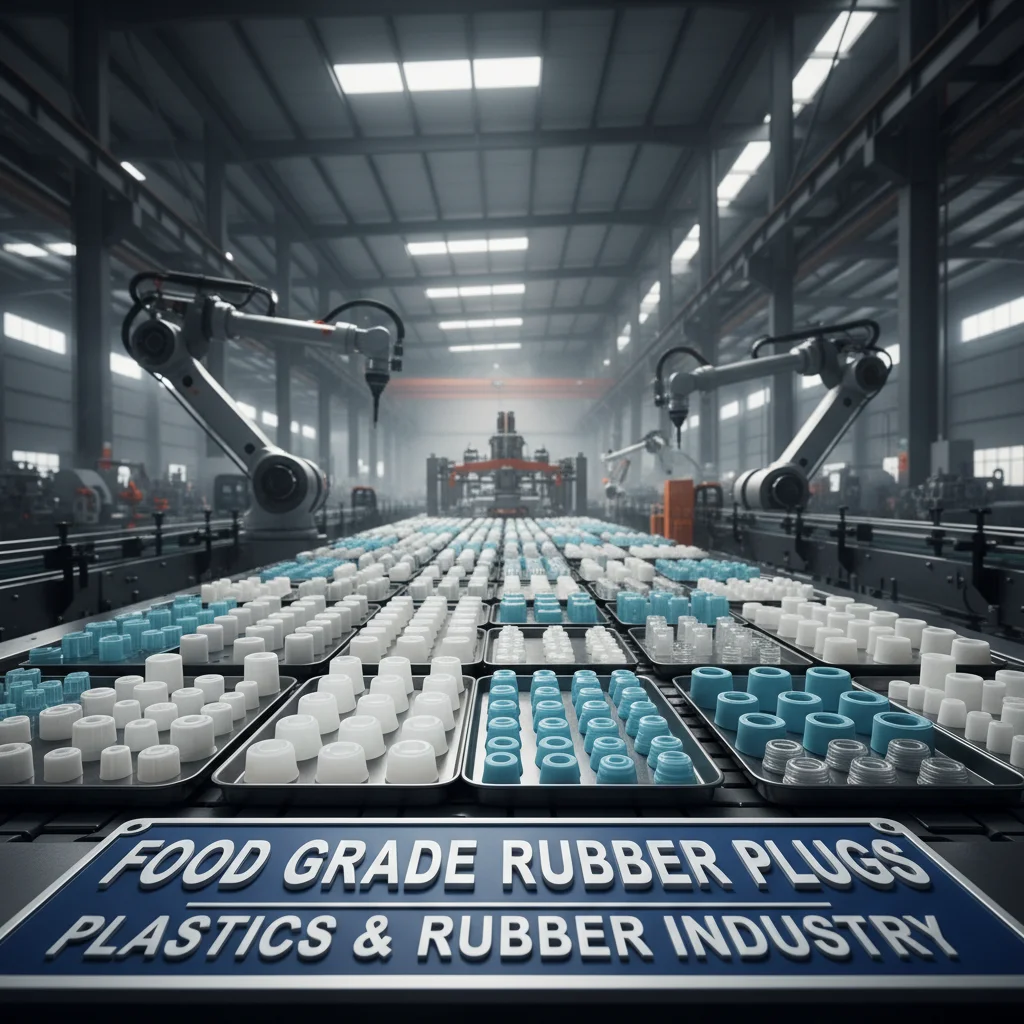
Dustproof rubber plugs are essential components in a vast range of industries, playing a critical role in protecting sensitive equipment and maintaining optimal performance. From automotive manufacturing to medical devices and aerospace engineering, these seemingly simple parts offer a cost-effective and reliable solution for preventing the ingress of dust, dirt, and other contaminants. Understanding their properties, applications, and manufacturing processes is paramount for engineers, designers, and procurement professionals alike.
The global demand for dustproof rubber plugs is driven by the increasing sophistication of manufacturing processes and the growing need for high-reliability products. With the rise of automation and miniaturization, even microscopic particles can cause significant damage or malfunction. This demand is further fueled by stringent regulatory requirements for cleanliness and safety in industries like pharmaceuticals and food processing. The ability to customize these plugs to specific needs, ensuring a precise fit and optimal sealing performance, is a key factor in their continued success.
These plugs aren’t just about protection; they’re about extending the lifespan of valuable equipment, reducing maintenance costs, and enhancing overall product quality. The advancement of materials science has allowed for the development of specialized rubber compounds capable of withstanding extreme temperatures, pressures, and chemical exposures, further expanding the applications of dustproof rubber plugs across diverse industries.
Introduction to Dustproof Rubber Plugs
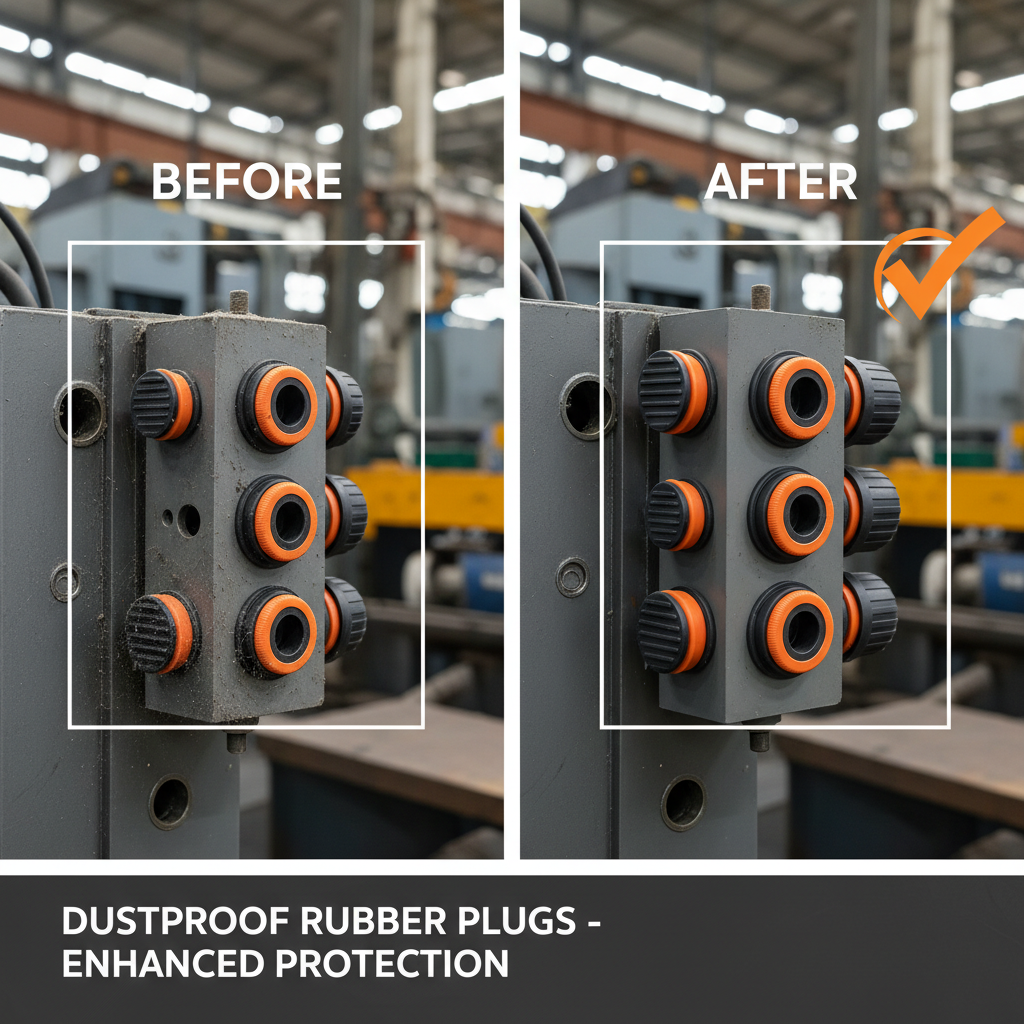
Dustproof rubber plugs, seemingly simple components, are integral to the reliable operation of a wide array of machinery and devices. They function as barriers, preventing the intrusion of particulate matter that can compromise performance, cause wear, and lead to costly repairs. These plugs, often custom-designed, are a critical element in ensuring product longevity and safety across numerous industrial sectors.
The efficacy of a dustproof rubber plug isn't merely about material selection; it’s a combination of precise dimensions, proper durometer (hardness), and a robust sealing mechanism. Proper installation is also vital. Failing to account for these factors can result in compromised protection and reduced effectiveness. Therefore, a nuanced understanding of both the plug itself and its application is essential for optimal results.
Defining Dustproof Rubber Plugs
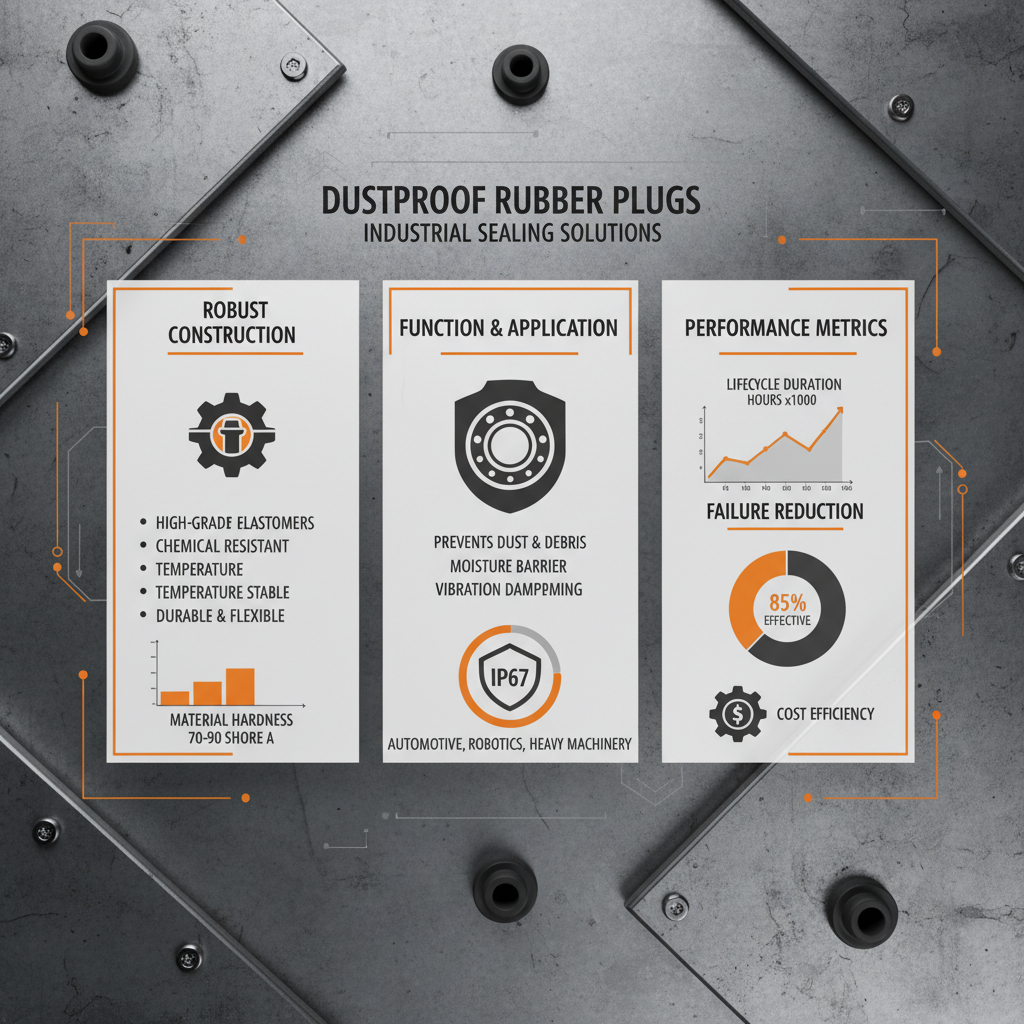
Dustproof rubber plugs are closures designed to seal openings, preventing the ingress of dust, dirt, moisture, and other environmental contaminants. Typically manufactured from various elastomeric materials, including silicone, neoprene, EPDM, and nitrile rubber, they are engineered to provide a tight and secure fit within a designated port or aperture. The selection of material is crucial and dependent on the specific application and environmental factors.
Unlike simple stoppers, dustproof rubber plugs are specifically designed with sealing properties in mind. This often includes features like ribbed designs, tapered profiles, or lip seals to enhance the barrier effect. They are commonly used to protect electrical connectors, hydraulic fittings, pneumatic ports, and other sensitive components from damage and contamination.
Their connection to modern industry extends far beyond mere component protection. Dustproof rubber plugs are crucial for maintaining the integrity of automated systems, ensuring the precision of instrumentation, and upholding safety standards in regulated environments. Without these small but vital components, many advanced technologies would be susceptible to failure or malfunction.
Key Characteristics of Effective Dustproof Plugs
Several core characteristics define the effectiveness of a dustproof rubber plug. Material Compatibility is paramount; the rubber compound must be resistant to the fluids, chemicals, and temperatures present in the operating environment. A plug made of incompatible material will degrade quickly, losing its sealing properties and potentially contaminating the system it’s protecting. Ensuring a proper fit is also critical to guarantee a firm seal.
Dimensional Accuracy is another key factor. Precise molding and quality control are essential to ensure the plug’s dimensions match the receptacle’s specifications. Slight deviations can compromise the seal and allow contaminants to enter. Durometer (Hardness) also plays a significant role. A plug that is too soft may deform easily, while one that is too hard may not create a complete seal.
Finally, Resistance to UV Exposure & Ozone is important for outdoor applications. Prolonged exposure to ultraviolet radiation and ozone can cause rubber to crack and degrade, reducing its effectiveness. Selecting materials with inherent UV and ozone resistance, or applying protective coatings, can extend the service life of the plug in these challenging environments. The importance of understanding and optimizing these characteristics is critical for applications requiring consistently reliable dust protection.
Global Applications of Dustproof Rubber Plugs
The applications of dustproof rubber plugs are remarkably diverse and span a multitude of industries. In the Automotive Sector, they protect electrical connectors, sensors, and fluid ports from the harsh conditions of the road, ensuring the reliable operation of critical vehicle systems. The Electronics Industry relies heavily on them to safeguard sensitive components during manufacturing and in finished products like smartphones, laptops, and other portable devices.
The Medical Device Industry utilizes dustproof rubber plugs to maintain sterility and prevent contamination in instruments and equipment. Their use in Aerospace Engineering is crucial for protecting hydraulic lines, fuel systems, and electrical connections from extreme temperatures and altitudes. Even in Food and Beverage Processing, they help maintain hygiene and prevent the introduction of foreign objects into production lines.
Dustproof Rubber Plug Application Breakdown
Advantages and Long-Term Value
Employing dustproof rubber plugs offers a multitude of advantages, extending beyond simple contaminant protection. The most immediate benefit is Reduced Maintenance Costs. By preventing damage from dust and debris, these plugs minimize the need for repairs and replacements, leading to significant savings over the lifespan of equipment. Improved Reliability is another key advantage; protecting sensitive components translates to more consistent and dependable performance.
Beyond these tangible benefits, dustproof rubber plugs contribute to Enhanced Safety. In industries where contamination can lead to malfunctions with safety implications (e.g., medical devices, aerospace), these plugs are invaluable. Furthermore, they support Sustainable Practices by extending the lifespan of equipment, reducing waste, and minimizing the need for resource-intensive replacements. Investing in quality dustproof rubber plugs is, therefore, a proactive step towards long-term cost savings, operational efficiency, and responsible environmental stewardship.
Future Trends in Dustproof Rubber Plug Technology
The future of dustproof rubber plug technology is intertwined with broader trends in materials science and manufacturing. We are seeing a growing demand for Biocompatible and Food-Grade Materials, driven by increasingly stringent regulations in the healthcare and food processing industries. Smart Plugs with Integrated Sensors are also emerging, capable of detecting contamination levels or alerting users to potential seal failures.
The integration of 3D Printing (Additive Manufacturing) is revolutionizing the customization and production of these plugs. It allows for the rapid prototyping of complex designs and the creation of plugs tailored to very specific applications. Furthermore, research into Self-Healing Rubber Materials could lead to plugs that automatically repair minor damage, extending their lifespan and reducing the risk of failure.
Challenges and Solutions in Dustproof Plug Manufacturing
Despite their seemingly simple design, the manufacturing of dustproof rubber plugs presents certain challenges. Maintaining Consistent Dimensional Accuracy across large production runs can be difficult, requiring precise tooling and rigorous quality control measures. Material Selection for Harsh Environments demands a thorough understanding of chemical compatibility and temperature resistance.
Minimizing Production Waste is another key concern. Implementing lean manufacturing principles and optimizing molding processes can help reduce material scrap and improve efficiency. To overcome these challenges, manufacturers are increasingly adopting Automated Inspection Systems and Advanced Molding Technologies. Collaboration between material scientists, engineers, and manufacturers is crucial to develop innovative solutions that address these challenges and ensure the continued performance of dustproof rubber plugs.
Furthermore, advancements in simulation software allow for predictive modeling of plug performance under various conditions, helping to optimize designs and identify potential failure points before production even begins. This proactive approach reduces the risk of costly recalls and ensures the reliability of the final product.
Summary of Key Challenges and Solutions in Dustproof Rubber Plug Manufacturing
| Challenge |
Impact on Dustproof Plug Performance |
Proposed Solution |
Expected Outcome |
| Dimensional Inconsistency |
Compromised Seal, Reduced Protection |
Automated Inspection & Precision Molding |
Improved Fit, Enhanced Sealing |
| Material Degradation |
Reduced Lifespan, Seal Failure |
Advanced Material Selection & Testing |
Increased Durability & Resistance |
| Production Waste |
Increased Costs, Environmental Impact |
Lean Manufacturing & Optimized Molding |
Reduced Costs, Sustainable Production |
| Complex Geometries |
Difficult to Manufacture Traditionally |
Additive Manufacturing (3D Printing) |
Increased Design Flexibility & Customization |
| Limited Real-Time Monitoring |
Difficult to Detect Seal Failures |
Integration of Smart Sensors |
Proactive Issue Detection & Maintenance |
| Predictive Performance Analysis |
Potential for Unexpected Failures |
Advanced Simulation Software |
Optimized Designs & Reduced Risk |
FAQS
Dustproof rubber plugs are commonly manufactured from materials like silicone, neoprene, EPDM, and nitrile rubber. The specific material chosen depends on the application's requirements, including temperature resistance, chemical compatibility, and desired flexibility. Silicone is often used for high-temperature applications, while neoprene offers good resistance to oils and chemicals. EPDM is favored for outdoor use due to its excellent weather resistance, and nitrile rubber provides superior resistance to fuels and solvents.
To determine the correct size, carefully measure the inner diameter of the opening you need to seal. Consider the wall thickness of the opening and the desired amount of interference fit. An interference fit ensures a tight and secure seal. It’s often recommended to slightly oversize the plug to achieve this. Consult with a rubber component specialist for guidance if you're unsure, as proper sizing is crucial for optimal performance.
Standard rubber materials can degrade with prolonged exposure to ultraviolet (UV) radiation. However, EPDM rubber exhibits inherent UV resistance. For applications requiring extended outdoor exposure, using EPDM plugs or applying a UV-resistant coating to other rubber materials is recommended. This helps prevent cracking and maintains the plug's sealing integrity over time.
Yes, dustproof rubber plugs are frequently customized to meet specific application requirements. Customization options include size, shape, material, color, and the addition of features like flanges or lips for enhanced sealing. 3D printing is increasingly used to produce highly customized plugs with complex geometries.
The lifespan of a dustproof rubber plug varies depending on the operating environment, material selection, and frequency of use. Generally, a properly selected and installed plug can last for several years. Regular inspection is recommended to identify signs of wear or degradation, such as cracking or deformation. Replacing plugs proactively can prevent costly downtime and maintain system reliability.
Dustproof rubber plugs offer a cost-effective and versatile sealing solution compared to alternatives like epoxy, o-rings, or complex gasketing systems. They are particularly well-suited for applications requiring frequent access or changes. While o-rings may provide a more robust seal in certain high-pressure scenarios, plugs are easier to install and replace. Their versatility and ease of use make them a popular choice across a wide range of industries.
Conclusion
Dustproof rubber plugs, while often overlooked, are crucial components in maintaining the reliability and longevity of countless devices and systems. From protecting sensitive electronics to ensuring the safety of critical medical equipment, their ability to prevent contamination significantly impacts performance and operational costs. Understanding their properties, applications, and the factors influencing their effectiveness is essential for engineers and procurement professionals alike.
Looking ahead, innovation in materials science and manufacturing techniques will continue to drive advancements in dustproof rubber plug technology. The integration of smart sensors, the adoption of 3D printing, and the development of self-healing materials promise to deliver even more reliable, durable, and customized solutions. For optimal performance and peace of mind, visit our website today to explore our comprehensive range of custom rubber parts, including high-quality dustproof rubber plugs: Dustproof Rubber Plugs.