Comprehensive Guide to High Performance Wear Resistant ORings and Applications
Wear Resistant O-Rings: A Comprehensive Guide
In countless industrial applications, maintaining a reliable seal is paramount. Wear resistant O-rings are critical components in preventing leaks and ensuring efficient operation. This article provides a detailed overview of these essential sealing solutions, covering materials, applications, advantages, and how to select the right O-ring for your specific needs. We will explore how choosing the appropriate O-ring material can significantly extend the life of your equipment and reduce costly downtime.
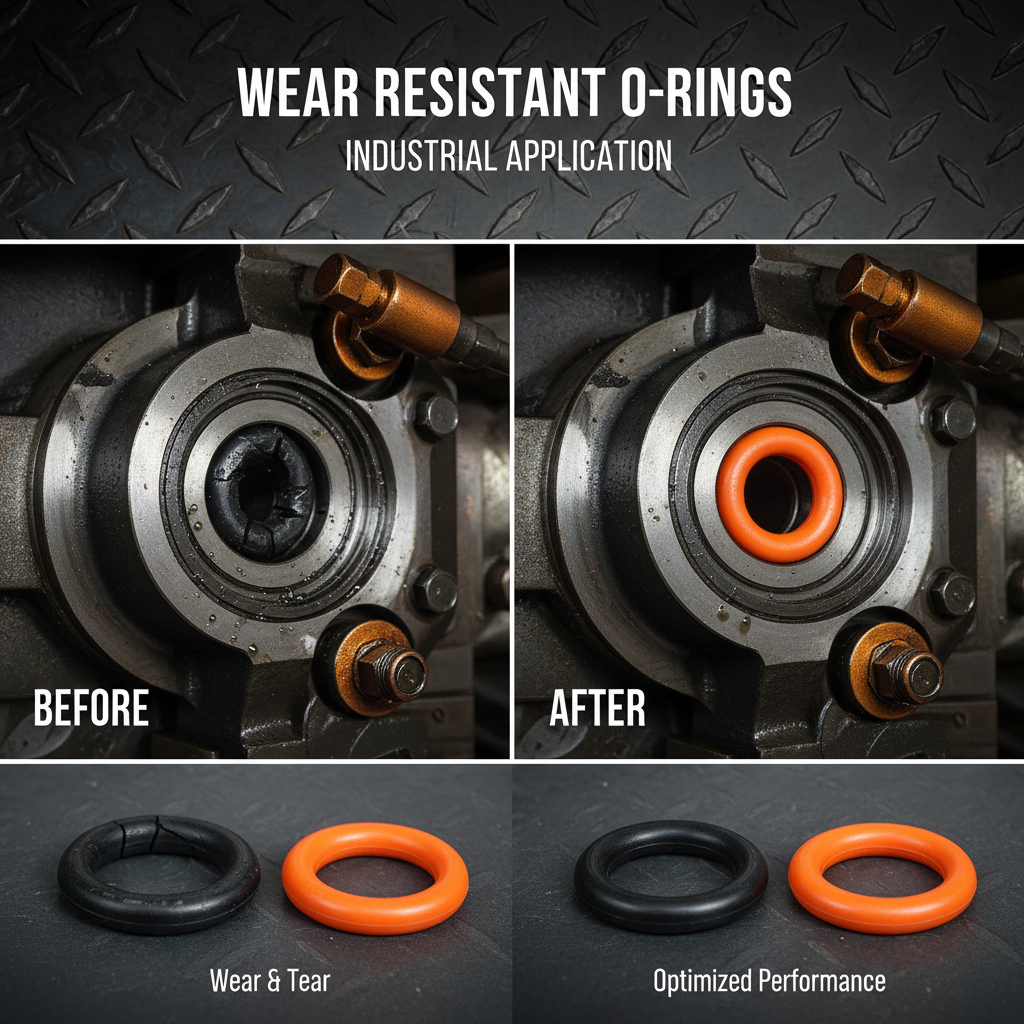
Understanding Wear Resistance in O-Rings
Wear resistance refers to an O-ring’s ability to withstand abrasion, friction, and deformation over time, without compromising its sealing performance. Various factors contribute to wear, including the operating environment, pressure, temperature, and the media being sealed. Choosing an O-ring material with excellent wear resistance is crucial for applications involving dynamic sealing, such as hydraulic cylinders, pumps, and valves. A material’s hardness (measured by the Shore scale) also influences wear resistance – generally, harder materials offer better resistance, but may be less flexible. Beikesealing provides a range of high-performance O-rings designed for demanding applications.
Key Takeaway: Wear resistance is crucial for O-rings in dynamic sealing applications to prevent premature failure and maintain system integrity.
Common Materials for Wear Resistant O-Rings
Several materials excel in wear resistance, each with its own set of properties and ideal applications. Some of the most commonly used include:
- Nitrile (NBR): Excellent resistance to oil and fuels, offering good wear resistance for general-purpose applications.
- Polyurethane (PU): Exceptional abrasion and tear resistance, making it ideal for high-pressure, high-wear environments.
- Viton (FKM): Superior resistance to chemicals, high temperatures, and ozone, with good wear resistance for demanding conditions.
- PTFE (Teflon): Offers a very low coefficient of friction and excellent chemical resistance, although its inherent wear resistance is relatively lower unless filled with materials like carbon or bronze.
Selecting the correct material depends heavily on the specific application requirements.
Material Selection Considerations:
• Chemical compatibility with the media being sealed.
• Operating temperature range.
• Pressure requirements.
• Dynamic or static application.
Wear Resistant O-Ring Applications
Wear resistant O-rings find application across a vast range of industries. Key areas include:
- Hydraulic Systems: Sealing hydraulic cylinders and pumps, where constant motion and high pressure demand robust wear resistance.
- Pneumatic Systems: Preventing air leaks in pneumatic actuators and valves.
- Automotive Industry: Sealing fuel injectors, transmissions, and power steering systems.
- Oil & Gas: Providing reliable seals in downhole tools, pipelines, and processing equipment.
- Aerospace: Sealing aircraft engines, landing gear, and control systems.
Comparing Common Wear Resistant O-Ring Materials
The table below outlines a comparison of popular materials based on key properties. This data can help inform your material selection process.
Choosing the Right Supplier
Selecting a reliable supplier is critical to ensure you receive high-quality wear resistant O-rings. Look for a supplier with:
- A wide range of materials and sizes.
- Strict quality control procedures.
- Technical expertise to assist with material selection.
- Competitive pricing and timely delivery.
Beikesealing is a trusted provider of high-performance sealing solutions, offering a comprehensive selection of wear-resistant O-rings and expert technical support.
Conclusion
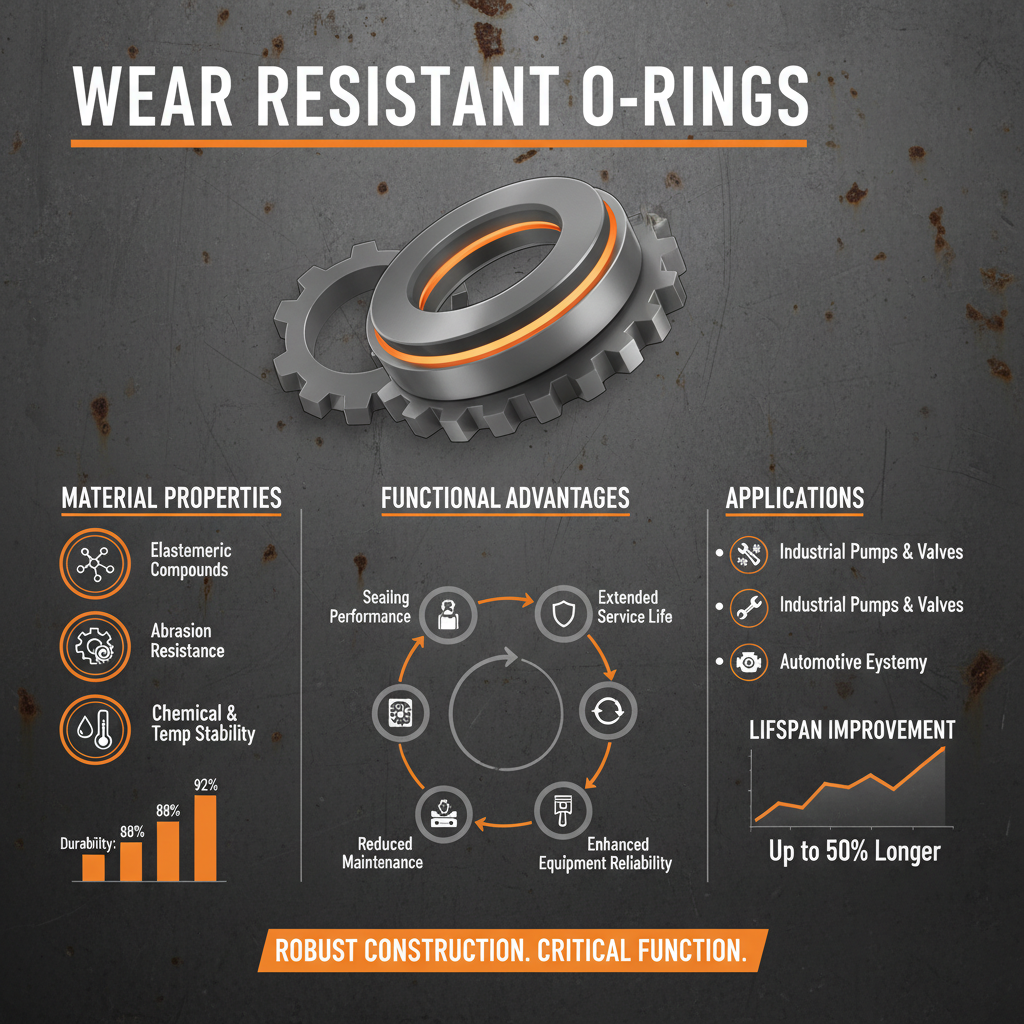
Selecting the right wear-resistant O-rings is crucial for ensuring the reliability and longevity of your equipment. By carefully considering the application requirements, material properties, and supplier reputation, you can make an informed decision that optimizes performance and minimizes downtime. Beikesealing is dedicated to providing high-quality sealing solutions and expert support to meet your specific needs.
Frequently Asked Questions (FAQs)
What factors contribute to O-ring wear?
Several factors can cause O-ring wear, including abrasion from moving parts, extrusion due to high pressure, chemical attack from the media being sealed, and thermal degradation at high temperatures. Proper material selection and ensuring correct installation are crucial for minimizing wear. Regular inspection and replacement are also essential preventative measures. The type of fluid and its contaminants can also accelerate wear. Choosing the right lubricant can help mitigate wear in certain applications.
How do I determine the correct O-ring size?
Accurate sizing is critical for optimal sealing performance. You'll need to measure the groove dimensions (inner diameter, cross-section) and the shaft or rod diameter. O-ring sizes are typically specified by their inner diameter and cross-sectional diameter (thickness). Ensure you account for any slight variations in dimensions and consult with a sealing specialist if you are unsure. Using an improperly sized O-ring can lead to leaks or premature failure.
What is the role of lubrication in extending O-ring life?
Lubrication reduces friction and wear between the O-ring and the mating surfaces. Choosing a compatible lubricant is essential, as some fluids can cause the O-ring material to swell or degrade. Proper lubrication also helps to prevent extrusion and maintain the O-ring’s elasticity. Using a lubricant specifically designed for O-ring applications can significantly extend their service life and improve sealing performance.
Can wear resistant O-rings be used in dynamic applications?
Yes, wear resistant O-rings are specifically designed for dynamic applications involving reciprocating, rotary, or oscillating movements. Materials like Polyurethane and Viton offer excellent resistance to abrasion and deformation, making them ideal for these scenarios. However, proper installation, lubrication, and consideration of pressure and temperature limitations are still crucial for ensuring long-term performance.