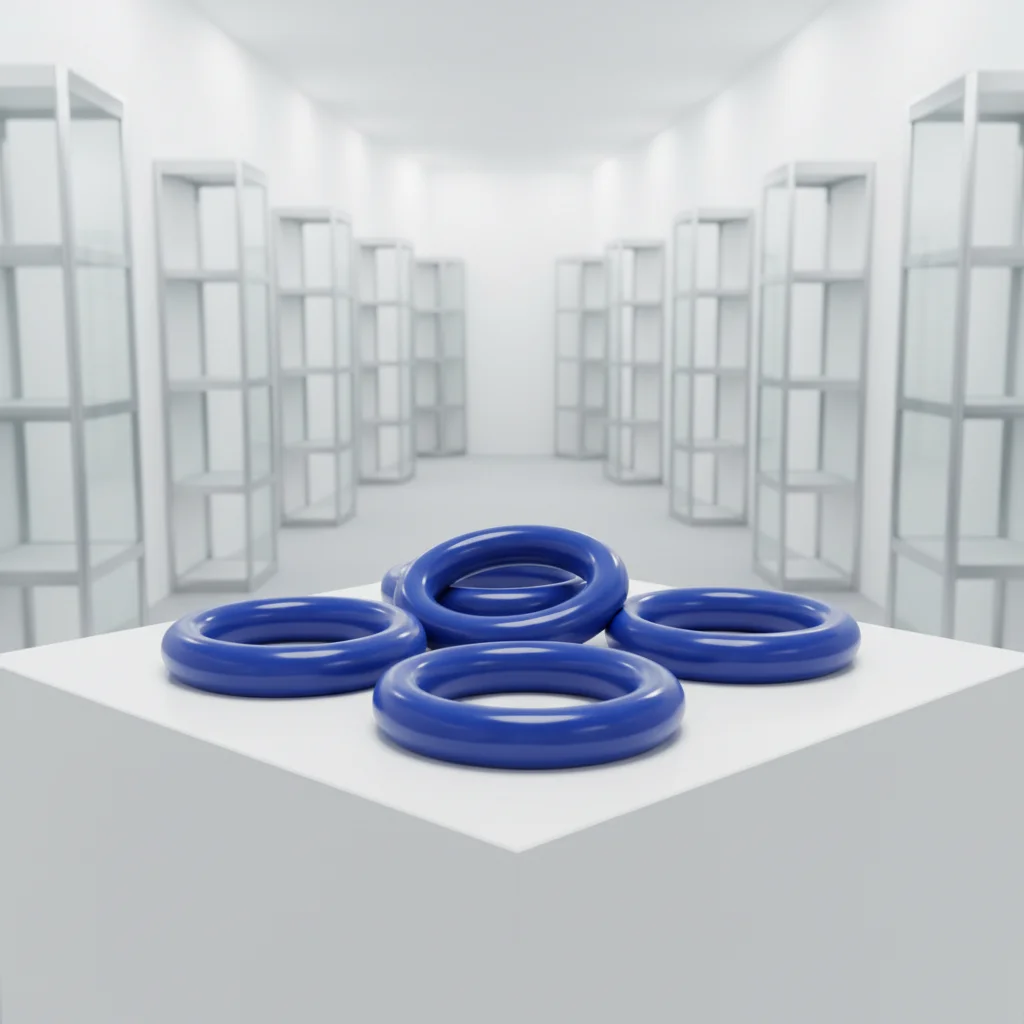
Custom Rubber O-Rings are ubiquitous sealing solutions found across a vast spectrum of industries, from aerospace and automotive to medical and food processing. Their importance stems from their simplicity, reliability, and cost-effectiveness in preventing leaks and maintaining pressure in dynamic and static applications. Understanding the nuances of these rings, particularly the possibilities of customization, is crucial for engineers and procurement professionals seeking optimal performance and longevity in their systems.
Globally, the demand for Custom Rubber O-Rings is driven by increasing industrialization, stricter safety regulations, and the continual pursuit of efficiency. The market is substantial, with projections indicating steady growth over the coming years, fueled by advancements in materials science and manufacturing techniques. The United Nations Sustainable Development Goals, particularly those related to clean water and sanitation (Goal 6) and responsible consumption and production (Goal 12), further emphasize the need for reliable sealing solutions that minimize waste and ensure resource protection.
Ultimately, Custom Rubber O-Rings are not merely components; they are vital enabling technologies that underpin the functionality and safety of countless products and processes. By understanding their capabilities and limitations, businesses can optimize performance, reduce costs, and contribute to a more sustainable future.
Introduction to Custom Rubber O-Rings
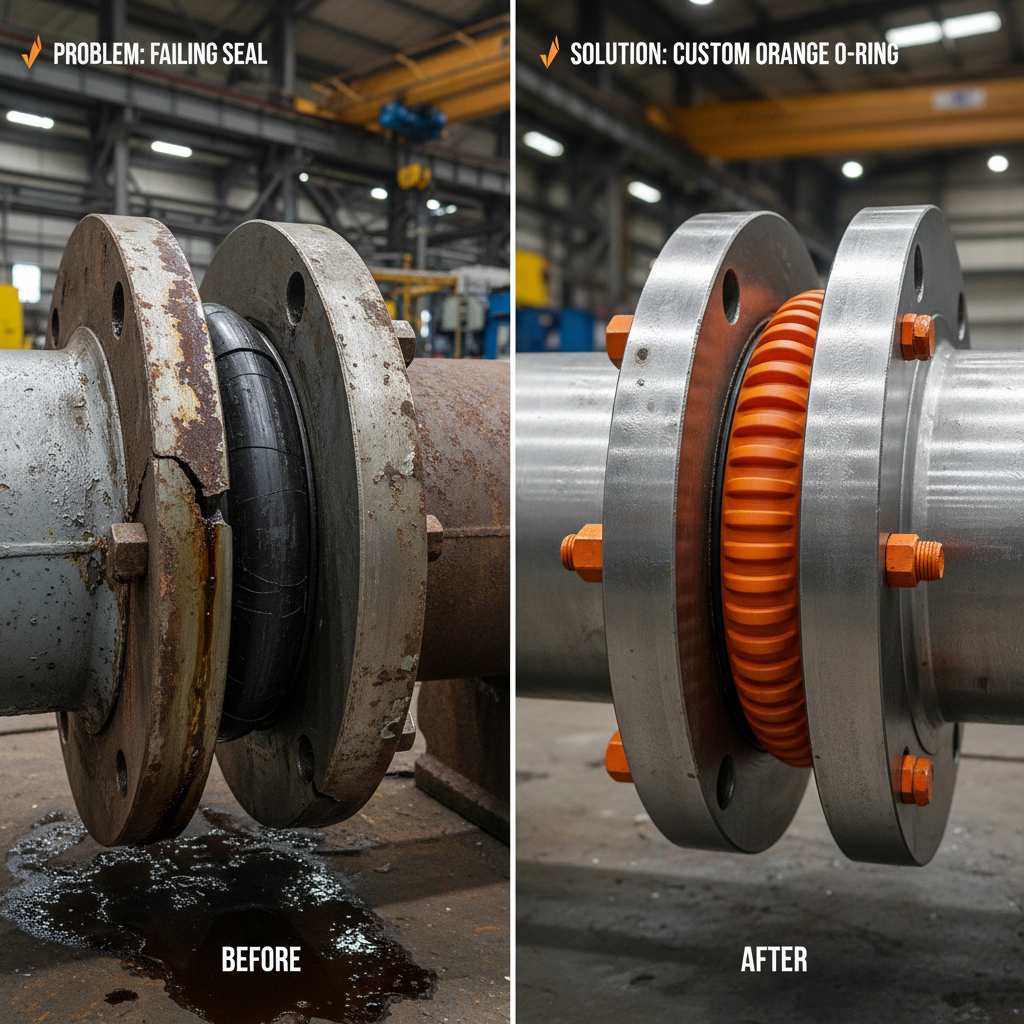
Custom Rubber O-Rings are designed to meet precise application requirements, differing significantly from standard, off-the-shelf options. This customization allows for optimization of material composition, dimensions, and surface treatments, leading to enhanced performance in demanding environments. They're vital in preventing leakage of fluids or gases in systems where consistent and reliable seals are non-negotiable.
The ability to tailor these rings to specific needs unlocks potential improvements in operational efficiency, reduces downtime, and increases the overall lifespan of critical equipment. Whether it's a specialized elastomer for extreme temperatures or a unique size for a compact assembly, custom solutions directly address the challenges presented by diverse industrial applications.
Defining Custom Rubber O-Rings
A Custom Rubber O-Ring is a toroidal-shaped seal with a circular cross-section, engineered to fit within a groove and create a static or dynamic seal between mating surfaces. Unlike standard O-Rings, custom variants are manufactured to exact specifications, taking into account factors such as the fluid being sealed, operating temperature, pressure, and desired lifespan.
The process typically involves selecting a suitable elastomer (such as Nitrile, Viton, EPDM, Silicone, or others), defining precise dimensions, and employing specialized molding or machining techniques. This level of control allows for seals that perform optimally in environments where standard options would fail.
The connection to modern industry is undeniable. From the intricate hydraulic systems of aircraft to the critical seals in medical devices, Custom Rubber O-Rings ensure safe and efficient operation. They play a vital role in supporting a wide range of industries and contribute to the reliability of countless essential technologies.
Key Characteristics of Custom Rubber O-Rings
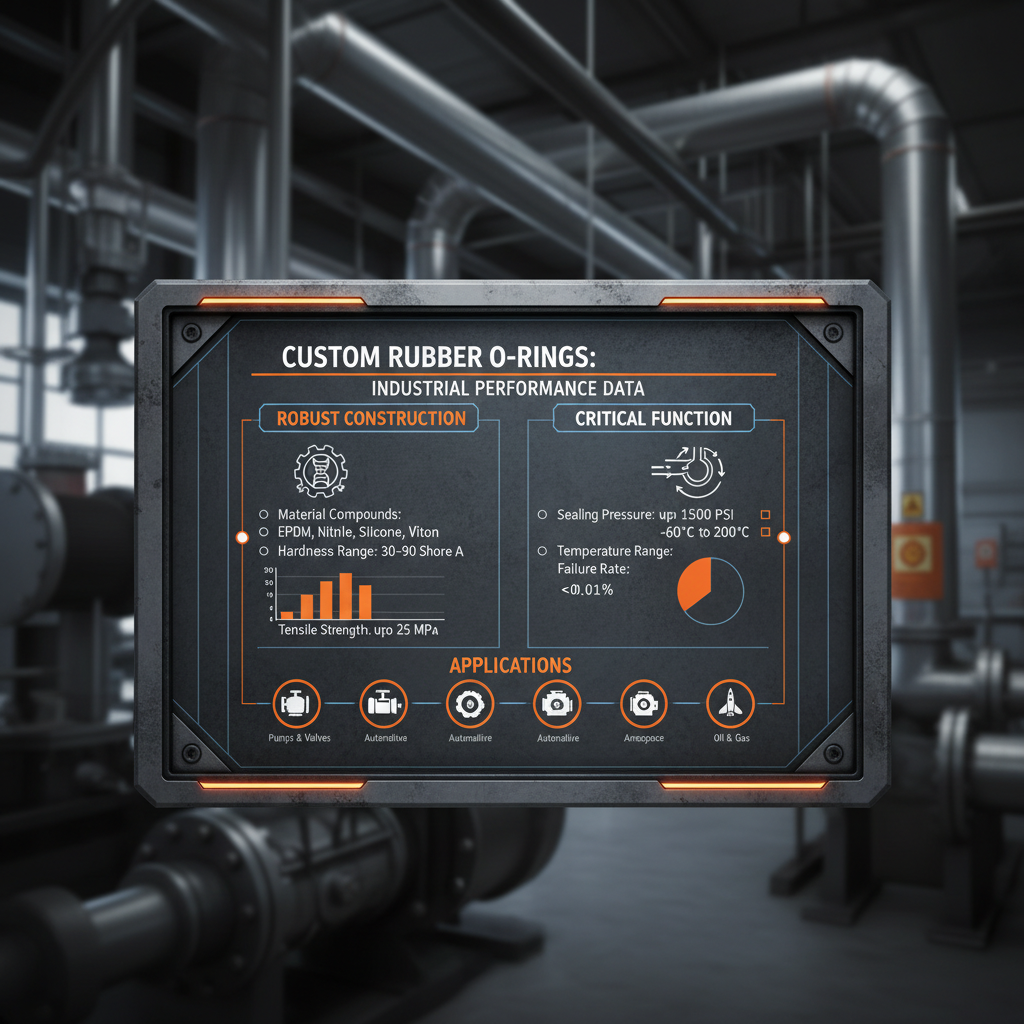
One of the most important characteristics of Custom Rubber O-Rings is material selection. Choosing the correct elastomer is paramount. Nitrile (NBR) offers good resistance to oil and fuel, while Viton (FKM) excels in high-temperature and chemically aggressive environments. EPDM provides excellent resistance to water, ozone, and weathering. Silicone is ideal for food and medical applications due to its biocompatibility.
Dimensional accuracy is another crucial aspect. Custom O-Rings are manufactured to incredibly tight tolerances, ensuring a proper fit within the designated groove. Even slight deviations can compromise sealing performance. Precise inner diameter (ID), outer diameter (OD), and cross-sectional diameter are all carefully controlled during the manufacturing process.
Furthermore, surface finish plays a role, particularly in dynamic applications. A smooth surface reduces friction and wear, extending the O-Ring’s lifespan and maintaining consistent sealing force. Finally, hardness (Durometer) dictates the O-Ring’s flexibility and resilience, influencing its ability to conform to irregularities and maintain a tight seal under pressure.
Performance Factors in Custom Rubber O-Rings
The operating temperature of the application significantly impacts the performance of Custom Rubber O-Rings. Each elastomer has a specific temperature range within which it maintains its flexibility and sealing properties. Exceeding these limits can lead to hardening, cracking, or degradation of the material.
Chemical compatibility is equally important. Exposure to incompatible fluids can cause swelling, shrinking, or dissolution of the O-Ring, leading to leaks and failure. Selecting an elastomer that is resistant to the specific chemicals present in the system is essential for long-term reliability.
Custom Rubber O-Ring Performance Comparison
Global Applications of Custom Rubber O-Rings
Custom Rubber O-Rings are essential in the aerospace industry, where they are used in fuel systems, hydraulic actuators, and engine components, demanding resistance to extreme temperatures and harsh chemicals. In the automotive sector, they seal fuel injectors, transmissions, and power steering systems, contributing to vehicle reliability and performance.
The medical device industry relies heavily on Custom Rubber O-Rings for sealing surgical instruments, infusion pumps, and diagnostic equipment, requiring biocompatibility and sterilizability. Food processing applications utilize these rings in pumps, valves, and packaging machinery, ensuring hygienic operation and preventing contamination. They are also critical in oil and gas exploration, chemical processing, and water treatment facilities, protecting equipment and preventing environmental hazards.
Advantages and Long-Term Value
The primary advantage of utilizing Custom Rubber O-Rings lies in their ability to enhance system reliability and minimize downtime. By providing a perfect fit and optimized material compatibility, they reduce the risk of leaks and failures, leading to increased operational efficiency and reduced maintenance costs. This translates directly into cost savings over the lifespan of the equipment.
Furthermore, customized solutions promote sustainability by minimizing waste and extending the service life of critical components. The use of specialized materials can also contribute to environmental protection by preventing hazardous leaks and reducing the need for frequent replacements. From a safety perspective, reliable sealing is paramount in applications where leaks could have catastrophic consequences, providing peace of mind and protecting both personnel and the environment.
Future Trends in Custom Rubber O-Rings
The future of Custom Rubber O-Rings is intertwined with advancements in materials science and manufacturing technologies. Research into new elastomers with enhanced properties – such as improved temperature resistance, chemical compatibility, and wear resistance – will continue to drive innovation. Nanomaterials and advanced polymer blends are showing promise in creating seals with superior performance characteristics.
Smart O-Rings, incorporating sensors to monitor seal health and predict potential failures, are also emerging as a trend. Digitalization and automation in manufacturing processes will enable tighter tolerances, faster turnaround times, and lower production costs. The demand for sustainable materials and eco-friendly manufacturing practices will also influence the development of greener O-Ring solutions.
Core Characteristics of Custom Rubber O-Rings
| Elastomer Type |
Temperature Range (°C) |
Chemical Resistance |
Typical Applications |
| Nitrile (NBR) |
-40 to 120 |
Oil, Fuel, Water |
Automotive Seals, Hydraulic Systems |
| Viton (FKM) |
-20 to 200 |
Acids, Solvents, High Temperatures |
Aerospace Seals, Chemical Processing |
| EPDM |
-50 to 150 |
Water, Ozone, Weathering |
Water Treatment, Automotive Weatherstripping |
| Silicone |
-60 to 200 |
Food, Medical, UV Exposure |
Medical Devices, Food Processing |
| Fluoroelastomer (FFKM) |
-20 to 250 |
Extreme Chemical Resistance |
Semiconductor Manufacturing |
| Hydrogenated Nitrile (HNBR) |
-40 to 150 |
Oil, Fuel, Ozone, Heat |
Automotive, Oil & Gas |
FAQS
Lead times for custom rubber O-Rings vary depending on the complexity of the design, the material chosen, and current production volume. Generally, standard custom orders take between 2-4 weeks from design confirmation to delivery. More complex requirements, like specialized tooling or unusual materials, can extend lead times to 6-8 weeks. We strive to provide accurate and realistic timelines during the quoting process, and we'll keep you informed every step of the way.
We offer a wide range of elastomers for custom rubber O-Rings, including Nitrile (NBR), Viton (FKM), EPDM, Silicone, Fluorosilicone, Neoprene, and Hydrogenated Nitrile (HNBR). We also work with specialized materials like FFKM (Kalrez) for extreme applications. The best material choice depends on factors like temperature, chemical exposure, pressure, and the specific fluid being sealed. Our engineers can assist you in selecting the optimal material for your needs.
Yes, we can manufacture Custom Rubber O-Rings to a very wide range of durometer values, typically measured using the Shore A scale. Durometer affects the O-Ring's flexibility and ability to seal effectively. We can accommodate durometers from very soft (e.g., 30A) to very hard (e.g., 90A), depending on the application requirements. Specifying the desired durometer is a crucial part of the custom design process.
Our capabilities allow us to produce Custom Rubber O-Rings ranging from very small sizes (internal diameter of a few millimeters) to very large sizes (over a meter in diameter). The exact limits depend on the material and the complexity of the design. We can accommodate both thin and thick cross-sections, offering a high degree of flexibility in design. We encourage you to contact us with your specific size requirements, and we’ll let you know if they fall within our production capabilities.
Yes, we offer a variety of post-processing services to enhance the performance and longevity of Custom Rubber O-Rings. These include precision cleaning to remove contaminants, surface coating for improved wear resistance or lubricity, and specialized packaging to ensure product integrity during shipping and storage. We can also provide custom labeling and traceability options.
We provide comprehensive documentation with all custom rubber O-Ring orders, including a detailed drawing with all critical dimensions, a material specification sheet, and a Certificate of Conformity (CoC) confirming that the O-Rings meet specified requirements. We can also provide material traceability documentation, and inspection reports upon request, ensuring complete quality assurance.
Conclusion
In conclusion, Custom Rubber O-Rings represent a critical component across countless industries, providing reliable sealing solutions tailored to specific application needs. Their versatility, combined with advancements in materials science and manufacturing processes, ensures their continued importance in maintaining system integrity, enhancing efficiency, and promoting sustainability. Understanding the nuances of material selection, dimensional accuracy, and performance factors is essential for optimizing their effectiveness and maximizing long-term value.
Looking ahead, continued innovation in elastomers, sensor integration, and automated production will further enhance the capabilities of Custom Rubber O-Rings. By embracing these advancements, businesses can unlock even greater levels of performance, reliability, and cost-effectiveness. We encourage you to explore the possibilities and discover how customized sealing solutions can contribute to your success. Visit our website at Custom Rubber O-Rings today to learn more.