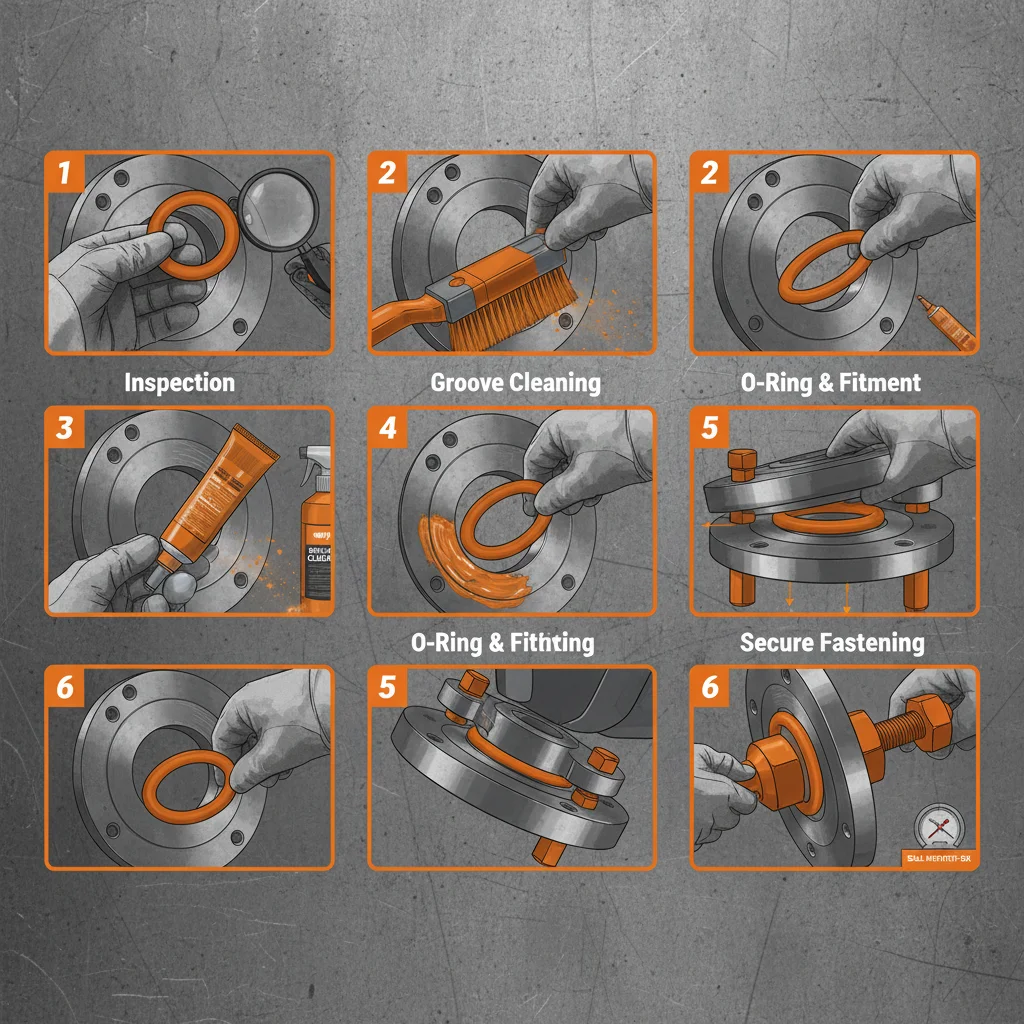
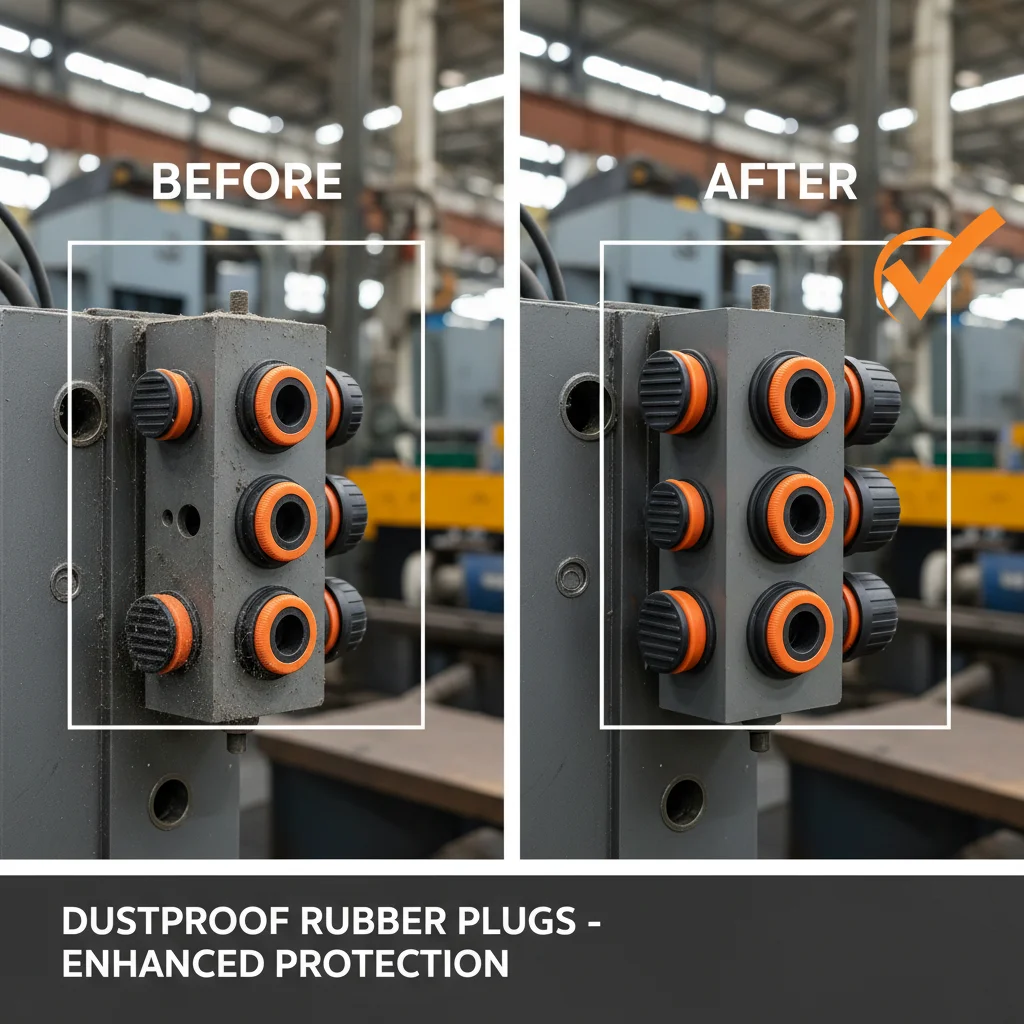
In the precision engineering of fluid handling and mechanical assembly, the transition toward minimized downtime has pushed the demand for Rapid Custom Rubber Seals. Modern industrial cycles no longer allow for month-long lead times when a single sealing failure can halt an entire production line in the automotive or petrochemical sectors.
The technical challenge lies in balancing the speed of procurement with the stringent material requirements of the ASTM D2000 standard. Engineers must ensure that rapid turnaround does not compromise chemical compatibility or thermal stability, particularly in high-stress environments where failure is not an option.
This analysis examines the intersection of rapid prototyping and industrial-grade rubber manufacturing, exploring how specialized technical support and integrated R&D centers facilitate the deployment of high-performance sealing solutions without extending project timelines.

The Mechanism of Rapid Customization

The acceleration of custom seal production is driven by the integration of precision mold processing and advanced material laboratories. By utilizing a database of pre-verified formulas and rapid tooling, the gap between initial design and physical deployment is significantly narrowed.
For organizations like Shijiazhuang Beike Sealing Technology, this process involves an iterative loop of sample verification, material testing against ASTM standards, and OEM/ODM design adjustments to ensure a perfect fit for complex machinery.
Critical Material Selection Framework
Selecting the correct elastomer is the most critical step in the procurement of Rapid Custom Rubber Seals. The environment dictates the material; for instance, NBR (Nitrile) is preferred for oil resistance, while EPDM is essential for weather and ozone exposure.
FKM (Viton) provides superior performance for steam and high-temperature oil applications, typically operating between -20℃ and 220℃. Conversely, Silicone rubber is utilized for its extreme thermal flexibility (-55℃ to +250℃) and excellent electrical insulation properties, though it lacks the tear resistance of nitrile.
The engineering trade-off often centers on permeability and mechanical strength. While Silicone offers great heat resistance, its higher gas permeability may limit its use in high-pressure vacuum applications compared to more dense synthetic polymers.
Engineering Constraints in Rapid Tooling
Rapid customization does not mean ignoring the physics of rubber molding. The primary constraint is the shrinkage rate of the polymer, which varies based on the compound used and the curing temperature.
Moreover, the integration of a dedicated R&D center allows for the immediate testing of physical properties, such as durometer (shore hardness), ensuring that the final product meets the intended compression set requirements.
Performance Correlation Metrics
Evaluating the effectiveness of different rubber compounds requires a normalized assessment of their operational boundaries. Engineers typically weight factors such as thermal range, chemical resistance, and mechanical durability.
The following metrics represent a relative engineering assessment of common materials used in rapid custom sealing, illustrating the balance between cost and specialized performance.
Normalized Material Performance Index
Deployment in Extreme Environments
In aviation and defense industries, seals must withstand rapid pressure cycling and extreme temperature swings. The deployment of custom-made bellows and specialized O-rings requires strict adherence to quality certifications like TS 16949 to prevent catastrophic leakages in fluid sealing facilities.
A typical representative engineering scenario involves petrochemical valves where seals are exposed to both caustic chemicals and high thermal loads. In such cases, the synergy between material formula research and precision mold design is the only way to ensure long-term reliability.
Evolution of Polymer Compounding
The future of sealing technology is moving toward "smart materials" that can provide indicators of wear or failure. However, the current industry focus remains on enhancing the purity of raw materials, with leaders sourcing from suppliers like Dow Corning, Wacker, and JSR to ensure consistency.
Innovative compounding now allows for the integration of metal-detectable particles in food-grade silicone seals, aiding in quality control within the food and medical industries. This shift reduces the risk of contamination in automated processing lines.
Furthermore, the move toward ODM (Original Design Manufacturing) models allows companies to co-develop seals that are optimized for a specific piece of machinery, rather than relying on standard AS568 or ISO3601 sizes.
Selection Matrix for Industrial Seals
Choosing between standard and custom seals depends on the cost of failure versus the cost of procurement. While standard products are available instantly, custom seals are necessary when the operating environment exceeds the baseline capabilities of off-the-shelf parts.
Procurement officers should evaluate vendors based on their internal laboratory capabilities and their ability to provide technical support during the pre-sales phase, including formula improvement based on specific working conditions.
The table below provides a comparative framework for selecting a configuration profile based on the intensity of the application environment.
| Configuration Profile | Primary Material | Operational Factor | Recommended Use Case |
|---|---|---|---|
| Basic Configuration | NBR / Nitrile | Oil Resistance | General Machinery |
| Weather-Ready Profile | EPDM | Ozone/UV Stability | Outdoor Equipment |
| Thermal-High Profile | Silicone/VMQ | Temp Range (-55 to +250C) | Food/Medical Tools |
| Chemical-Extreme Profile | FKM / Viton | Aggressive Solvent Resistance | Petrochemical Valves |
| High-Pressure Precision | Polyurethane/Special | Tear & Abrasion Resistance | Hydraulic Systems |
| Industry Baseline | Standard SBR | General Purpose | Low-stress Gaskets |
Engineering and Procurement FAQ
Lead times vary by tooling requirements. For products in stock, shipment can occur the next business day. For custom designs without existing molds, the process typically takes around 15 days. If molding is required, it usually takes about 7 days. This rapid response is made possible by having integrated mold processing and polymer material subsidiaries.
Compatibility is ensured by cross-referencing the fluid specifications with the ASTM D2000 standard. Specialized laboratories can develop or improve formulas based on the specific working conditions of the client. It is recommended to provide a sample of the fluid or a detailed chemical list during the pre-sales technical support phase to verify elastomer suitability.
Yes, food-grade silicone O-rings and rubber seals are standard offerings. These materials are selected for their non-toxicity and stability, often meeting USP Class VI or RoHS requirements. Silicone is particularly valued in these sectors for its biocompatibility and ability to withstand repeated sterilization cycles without degrading.
OEM (Original Equipment Manufacturer) involves producing seals based on the client's provided drawings and exact specifications. ODM (Original Design Manufacturer) allows the supplier's engineering team to help design the seal, recommend sizes based on the application, or create drawings from a physical sample to optimize performance and fit.
Quality control is implemented through three layers: imported raw materials from verified sources (e.g., Dupont, JSR), skilled handling during the molding process, and a dedicated Quality Control Department. Final products are inspected for size, appearance, and physical properties to ensure they meet the TS 16949 certification standards before leaving the factory.
Professional suppliers typically offer a guarantee of 100% refund or re-dispatch if the goods are found to be unqualified based on the agreed-upon technical specifications. This risk mitigation is crucial for B2B procurement to ensure that rapid delivery does not result in unacceptable quality risks.
Final Engineering Outlook
The shift toward Rapid Custom Rubber Seals is not merely a logistical improvement but a technical evolution. By integrating raw material labs, precision mold subsidiaries, and R&D centers, the industry is moving away from "one-size-fits-all" components toward application-specific sealing solutions that maximize uptime.
For engineers and procurement managers, the key to success lies in the early integration of technical support and the rigorous verification of material properties against operational stressors. This systemic approach ensures that speed is balanced with reliability, ultimately supporting the global demand for higher efficiency in industrial fluid sealing.