Comprehensive Guide to Silicone ORings Properties and Industrial Applications
Silicone O-Rings: A Comprehensive Guide
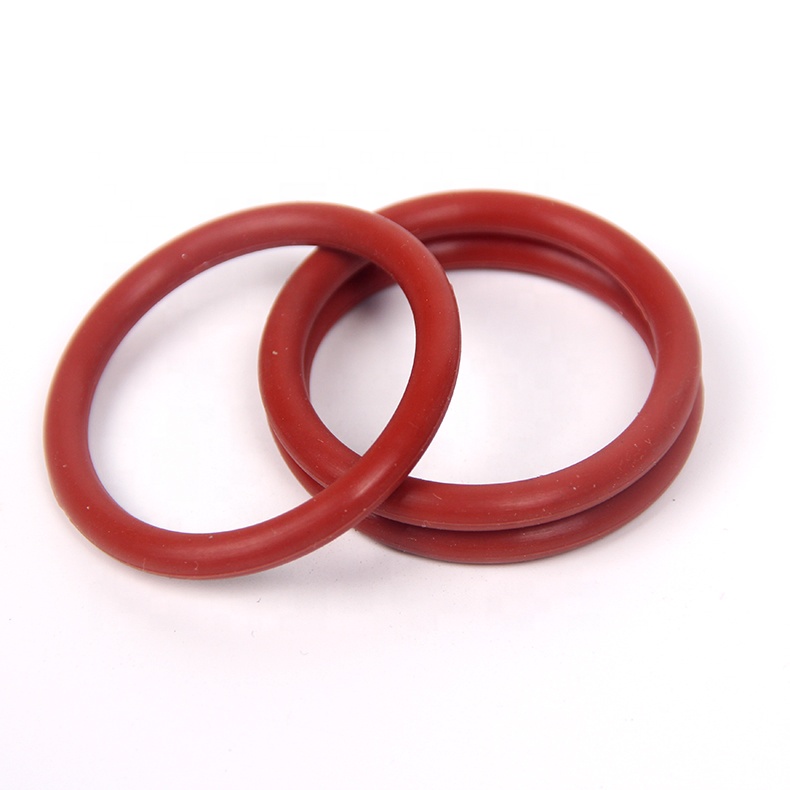
Silicone O-Rings are essential components in a vast range of industries, providing a reliable sealing solution for various applications. Known for their exceptional temperature resistance, chemical compatibility, and flexibility, they are a preferred choice over traditional rubber O-rings in many scenarios. This article will explore the properties, applications, advantages, and selection criteria for silicone O-rings, offering valuable insights for engineers, purchasers, and anyone involved in sealing solutions. Choosing the right O-ring can significantly impact the performance and longevity of your equipment.
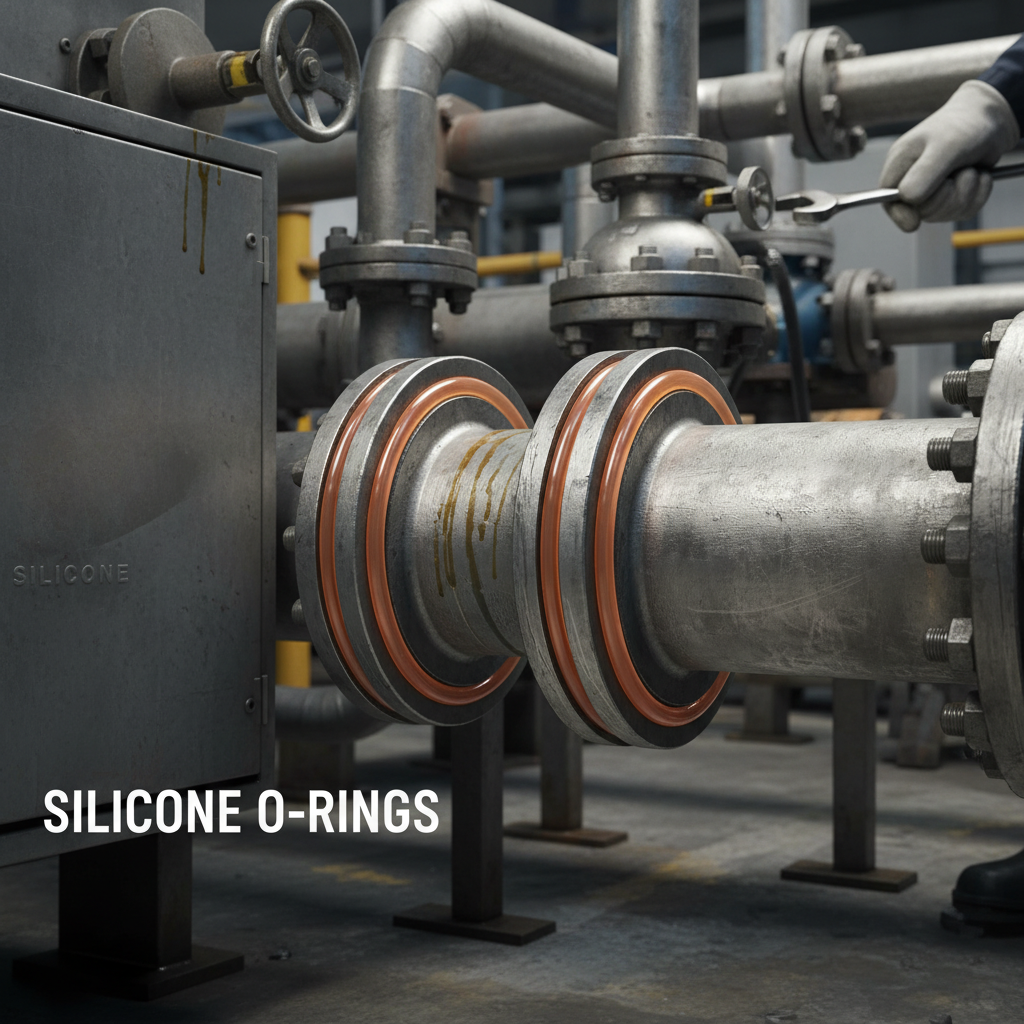
Understanding Silicone O-Ring Properties
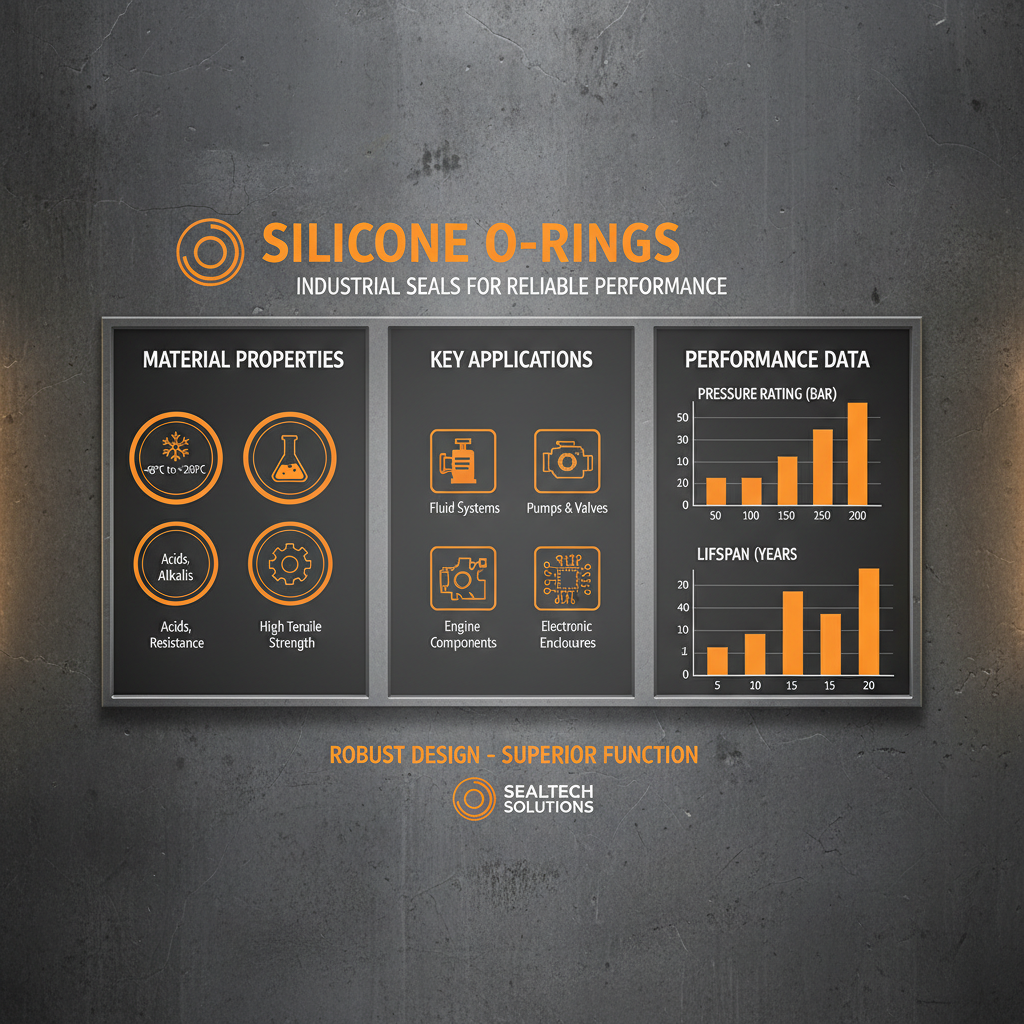
Silicone O-rings are manufactured from silicone elastomers, which offer a unique combination of properties. They exhibit excellent resistance to extreme temperatures, ranging from -60°C to +200°C (-76°F to +392°F). This broad temperature range makes them ideal for applications involving both hot and cold environments. Furthermore, silicone is inherently resistant to many chemicals, including water, oils, and dilute acids. However, it's important to note that silicone is not compatible with strong acids, ketones, and chlorinated solvents. Their flexibility allows for effective sealing even in dynamic applications, and they retain their elasticity over time. Beike Sealing offers a wide variety of silicone O-rings to meet diverse application needs.
Key Highlights: Excellent temperature resistance (-60°C to +200°C), chemical resistance (water, oils, dilute acids), and flexibility.
Applications of Silicone O-Rings
The versatility of silicone O-rings leads to their widespread use across numerous industries. In the food and beverage industry, their non-toxic nature and resistance to sterilization make them ideal for sealing food processing equipment. The automotive sector utilizes them for sealing fuel systems, coolant systems, and various engine components. Medical devices rely on silicone O-rings for sealing pumps, valves, and other critical components due to their biocompatibility. Aerospace applications benefit from their ability to withstand extreme temperatures and pressures. They are also commonly found in plumbing systems, hydraulic cylinders, and pneumatic equipment. Explore our range of silicone O-rings tailored to specific industry requirements.
Common Application Areas:
• Food & Beverage Processing
• Automotive Industry
• Medical Devices
• Aerospace Engineering
Silicone O-Ring Material Grades & Comparison
While all silicone O-rings share core properties, different grades cater to specific application demands. VMQ is the general-purpose silicone, suitable for a wide range of temperatures and non-aggressive media. PVMQ adds methyl vinyl functionality for improved strength and tear resistance. FVMQ (Fluorosilicone) offers enhanced resistance to fuels and oils, making it ideal for automotive and aerospace applications. These variations impact cost and performance; therefore, selecting the appropriate grade is crucial. Below is a comparison table to illustrate these differences:
Choosing the Right Silicone O-Ring
Selecting the optimal silicone O-ring involves considering several factors. First, determine the operating temperature range and ensure the chosen material can withstand it. Second, assess the chemical compatibility – confirm the silicone grade is resistant to the fluids it will contact. Third, consider the application's pressure requirements and choose an appropriate O-ring size and durometer (hardness). Finally, evaluate the dynamic or static nature of the seal – dynamic seals require greater flexibility and wear resistance. Contact Beike Sealing's experts for assistance in selecting the right O-ring for your specific needs.
The Advantages of Choosing Beike Sealing for Silicone O-Rings
At Beike Sealing, we pride ourselves on offering high-quality silicone O-rings, competitive pricing, and exceptional customer service. We maintain a large inventory to ensure quick delivery and cater to both small and large-volume orders. Our team of experienced engineers can provide technical support and assistance with material selection. We are committed to delivering reliable sealing solutions that meet your specific requirements. Partner with Beike Sealing for dependable silicone O-rings that enhance the performance and longevity of your equipment.
Conclusion: Reliable Sealing with Beike Sealing’s Silicone O-Rings
Choosing the right silicone O-rings is critical for ensuring the efficiency and reliability of your systems. Beike Sealing provides a comprehensive selection of high-quality silicone O-rings, along with expert support, to meet your specific sealing needs. Invest in quality and experience the difference.
Frequently Asked Questions (FAQs)
What is the shelf life of silicone O-rings?
Silicone O-rings generally have a long shelf life when stored properly. However, they can degrade over time due to exposure to UV light, ozone, and high temperatures. It's recommended to store them in a cool, dry, and dark environment, away from direct sunlight and heat sources. Ideally, store them in their original packaging or in sealed containers. While they don’t have a strict expiration date, it's best to use them within 3-5 years of purchase for optimal performance. Regular inspection for signs of cracking or discoloration is also recommended.
How do I determine the correct size silicone O-ring?
Determining the correct size involves measuring the inner diameter (ID), outer diameter (OD), and cross-section (thickness) of the space where the O-ring will be installed. It's crucial to measure accurately using calipers. The ID should be slightly smaller than the shaft diameter to create a proper seal. Consider the groove dimensions and material compression to ensure optimal performance. Beike Sealing’s sizing guides and expert support team can assist you with this process.
Are silicone O-rings food grade?
Yes, certain silicone O-rings are manufactured to be food grade, meeting the requirements of regulations like FDA 21 CFR 177.2600. These O-rings are made from silicone formulations that are non-toxic and safe for contact with food and beverages. However, it's essential to verify that the specific O-ring you choose is explicitly certified as food grade and suitable for your intended application. Beike Sealing offers a range of food-grade silicone O-rings.
Can silicone O-rings be used in vacuum applications?
Silicone O-rings can be used in vacuum applications, but careful consideration is needed. Silicone has a relatively high gas permeability compared to some other elastomers like Viton. This means that there can be some minimal outgassing, especially at elevated temperatures. For high-vacuum applications, selecting a low-outgassing silicone compound is essential. Proper surface treatment of the O-ring and careful design of the sealing interface can also help minimize outgassing and maintain a reliable vacuum seal.