Automotive Custom ORings Solutions for Optimal Vehicle Performance
Automotive Custom O-Rings: A Comprehensive Guide
In the automotive industry, precision and reliability are paramount. A critical component often overlooked, yet vital for efficient operation, is the O-ring. From sealing fuel systems to hydraulic lines, automotive custom O-rings play a crucial role in preventing leaks and ensuring optimal performance. This article will explore the significance of custom O-rings in automotive applications, materials used, key considerations when selecting the right O-ring, and how Beike Sealing provides tailored solutions for your automotive sealing needs. Choosing the right O-ring impacts the longevity and safety of vehicle systems.
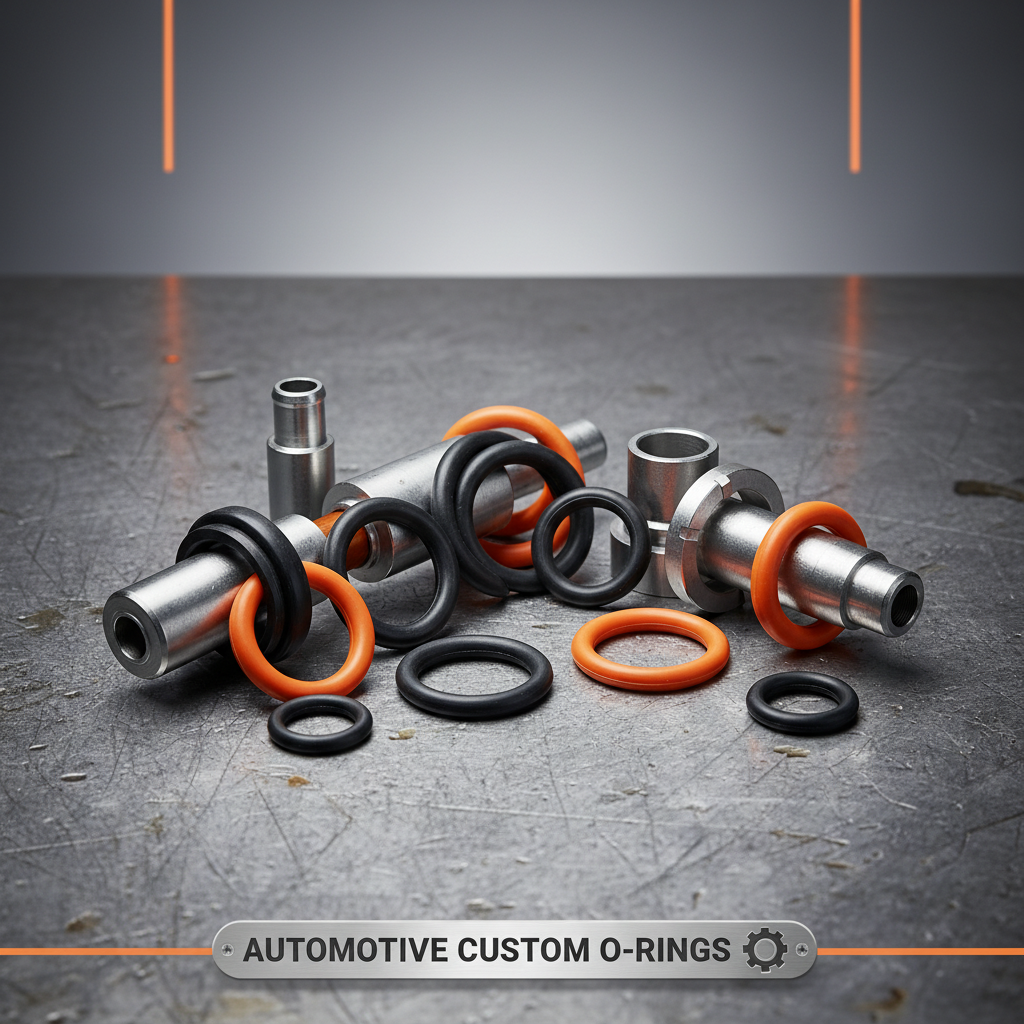
The Importance of Custom O-Rings in Automotive Applications
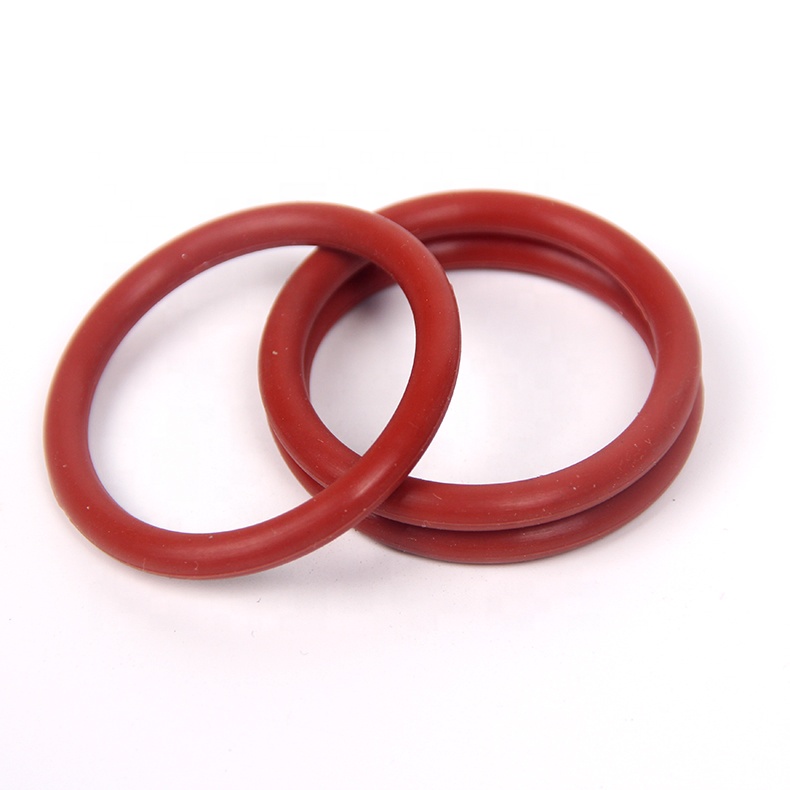
Standard O-rings often don't meet the specific requirements of automotive systems. Custom O-rings are engineered to precise dimensions, materials, and durometers to ensure a perfect fit and optimal sealing performance. They are used extensively in various automotive applications, including: fuel injection systems, transmission seals, engine gaskets, power steering systems, brake systems, air conditioning systems, and hydraulic systems. Using a custom O-ring ensures a tighter seal, increased reliability, and reduced risk of costly leaks. Beike Sealing specializes in crafting these crucial components to exacting specifications.
Key Benefits: Precise fit, increased reliability, reduced leakage, extended component lifespan, and optimized system performance.
Materials for Automotive Custom O-Rings: A Comparative Overview
Selecting the correct material is critical for an automotive custom O-ring. Different materials offer varying levels of resistance to fuel, oil, temperature extremes, and chemicals. Common materials include: Nitrile (NBR), Viton (FKM), Silicone (VMQ), EPDM, and Polyurethane (PU). The choice depends heavily on the specific application and the fluids the O-ring will be exposed to. Here’s a comparison:
Key Considerations When Selecting Automotive O-Rings
Beyond the material, several factors influence O-ring selection. These include: the size and groove dimensions, the working pressure, the operating temperature, the fluid compatibility, and the required durometer (hardness). A higher durometer indicates a harder, more rigid O-ring, while a lower durometer indicates a softer, more flexible O-ring. Proper sizing is critical – an O-ring that's too large won't fit correctly, while one that's too small will leak. Beike Sealing offers expert guidance to ensure you select the optimal O-ring for your specific application.
Automotive Custom O-Rings: Ensuring Long-Term Reliability
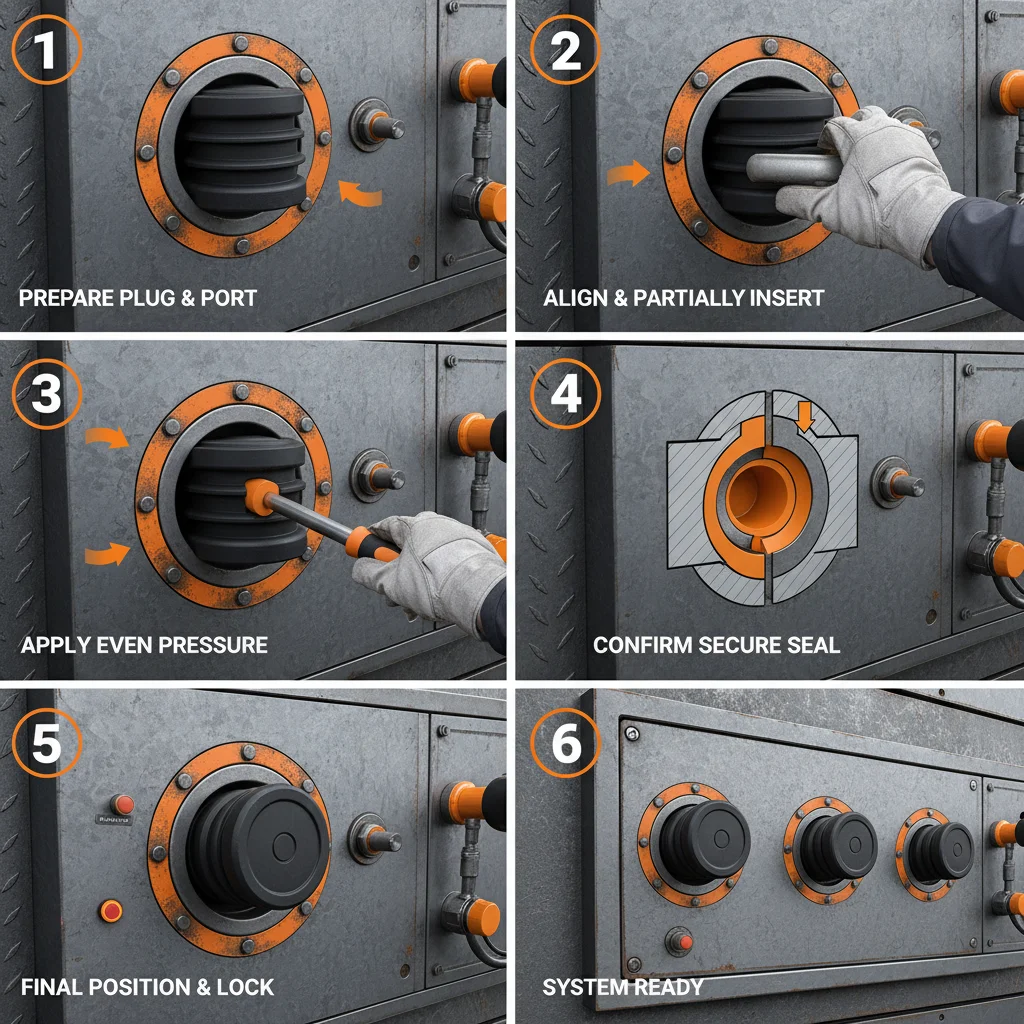
Proper installation is as important as selecting the right O-ring. Ensure the grooves are clean and free of debris. Lubricate the O-ring with a compatible fluid before installation to prevent damage. Avoid twisting or stretching the O-ring during installation. Regular inspection of O-rings for wear and tear is also crucial for preventative maintenance. Replacing worn O-rings proactively can prevent costly failures and downtime. Beike Sealing provides high-quality custom O-rings designed for long-term performance and reliability in demanding automotive environments.
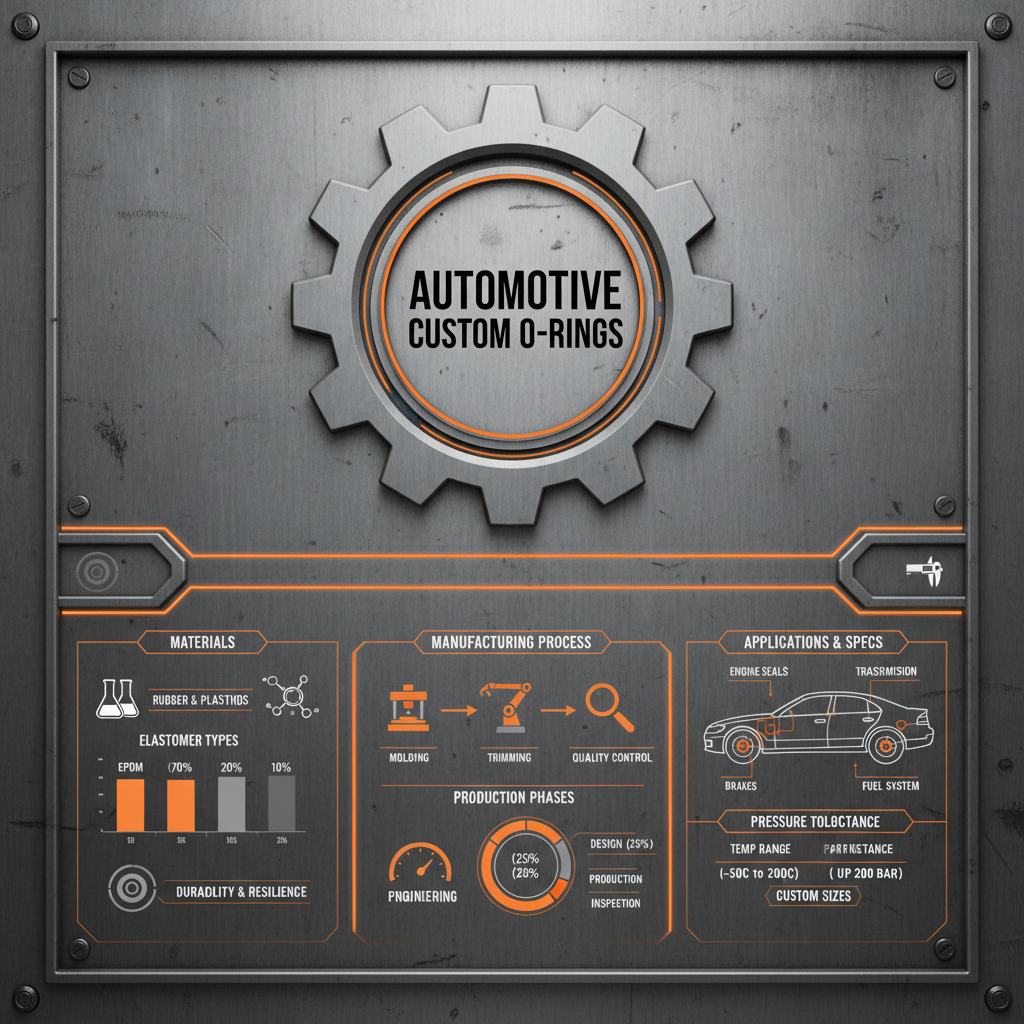
Why Choose Beike Sealing for Your Automotive O-Ring Needs?
Beike Sealing is a leading provider of custom O-ring solutions for the automotive industry. We offer a wide range of materials, sizes, and durometers to meet your exact specifications. Our experienced engineers can assist you with material selection and design optimization. We utilize advanced manufacturing processes to ensure consistent quality and precision. We are committed to delivering exceptional customer service and fast turnaround times. With Beike Sealing, you can be confident you're getting the highest quality automotive custom O-rings available.
Conclusion: Reliable Sealing for Automotive Excellence
Investing in high-quality automotive custom O-rings is a critical step in ensuring the reliability and performance of vehicles. Beike Sealing provides the expertise and solutions you need to optimize your sealing systems and prevent costly failures. Contact us today to discuss your specific requirements and experience the Beike Sealing difference.
Frequently Asked Questions (FAQs)
What is the typical lead time for custom automotive O-rings?
Lead times vary depending on the complexity of the order, the materials required, and our current production schedule. However, we strive to provide quick turnaround times without compromising quality. Standard custom orders typically ship within 5-7 business days. For large or highly specialized orders, lead times may be longer. We provide accurate lead time estimates during the quotation process and keep you informed of any changes. Contact Beike Sealing today for a custom quote and detailed timeline.
Can Beike Sealing assist with O-ring material selection?
Absolutely. Our team of experienced engineers can provide expert guidance on material selection based on your specific application requirements. We’ll consider factors such as fluid compatibility, temperature range, pressure, and desired durometer to recommend the optimal material for your automotive O-ring. We also offer material testing services to ensure compatibility and performance.
Do you offer prototyping services for custom O-rings?
Yes, we do. We understand the importance of validating designs before full-scale production. Beike Sealing offers prototyping services to help you test and refine your custom O-ring design. We can create prototypes using various materials and manufacturing processes to ensure they meet your exact specifications. This allows you to identify any potential issues early on and make necessary adjustments.
What quality control measures does Beike Sealing employ?
Beike Sealing is committed to delivering products of the highest quality. We employ rigorous quality control measures throughout the entire manufacturing process, from material sourcing to final inspection. Our quality control procedures include dimensional checks, material testing, and visual inspection. We adhere to industry standards and maintain a robust quality management system to ensure consistent performance and reliability.