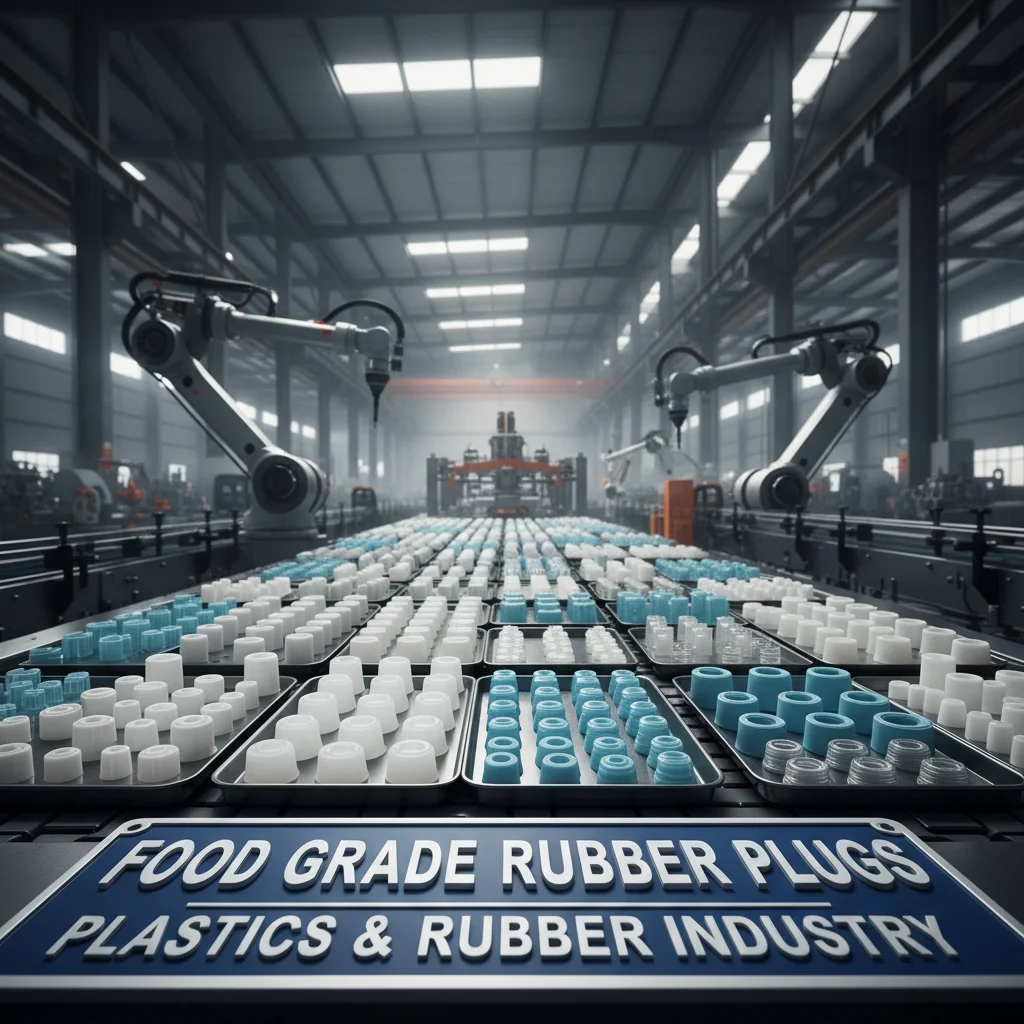
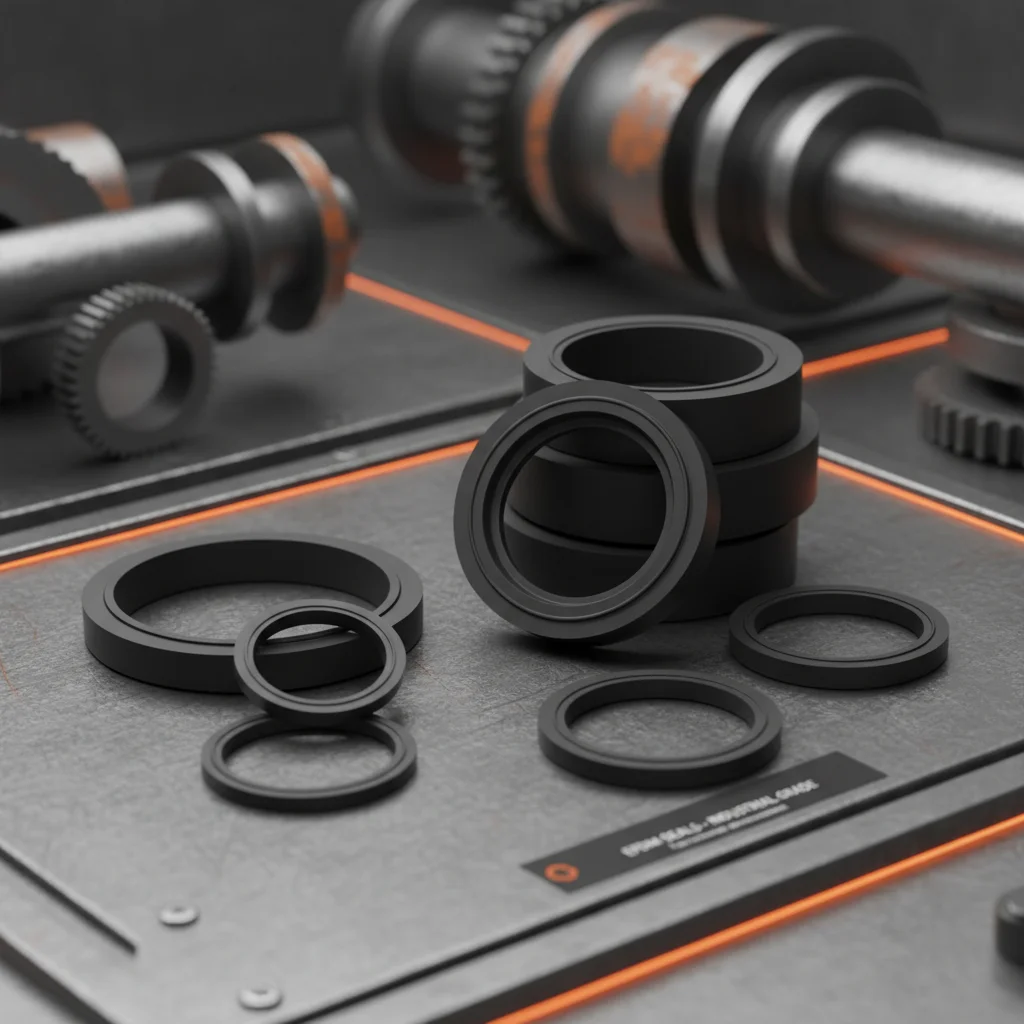
In the demanding world of industrial sealing, Silicone Gaskets have emerged as a cornerstone for maintaining system integrity across a multitude of high-stakes environments. From the sterile corridors of pharmaceutical labs to the extreme heat of automotive engines, these versatile components provide an airtight and watertight barrier that prevents costly leaks and hazardous contaminations. By blending flexibility with extreme resilience, they ensure that machinery operates at peak efficiency while reducing the frequency of unplanned maintenance.
Understanding the nuances of silicone material science is essential for engineers and procurement specialists who seek to optimize their assembly lines. Unlike standard rubber, these specialized gaskets offer a unique combination of thermal stability and chemical inertness, making them indispensable for applications where traditional elastomers would fail. As global industries shift toward more sustainable and durable manufacturing practices, the reliance on high-performance silicone solutions continues to grow.
Choosing the right sealing strategy isn't just about filling a gap; it is about mitigating risk and enhancing the longevity of an entire system. Whether you are dealing with food-grade requirements or aerospace-grade pressures, the implementation of precision-engineered Silicone Gaskets offers a reliable insurance policy against the failures that lead to downtime. This guide explores the technical depths, global applications, and future innovations of these critical components.

Global Relevance of Silicone Gaskets
On a global scale, the demand for Silicone Gaskets is driven by the rigorous standards of ISO and other international quality frameworks. As industries in Europe, Asia, and North America push toward tighter tolerances and higher safety margins, the ability of silicone to withstand temperatures ranging from -60°C to over 230°C makes it a global standard for extreme environment sealing.
The primary challenge facing modern manufacturing is the degradation of sealing materials under chemical stress or thermal cycling. Traditional rubbers often crack or liquefy, leading to catastrophic leaks in critical infrastructure. By adopting high-grade silicone, companies can significantly reduce waste and prevent environmental hazards, aligning their operations with global sustainability goals.
Technical Definition and Industrial Meaning
In simple technical terms, Silicone Gaskets are precision-molded or die-cut components made from silicone elastomers, designed to create a leak-proof seal between two mating surfaces. Unlike organic rubbers, silicone's inorganic backbone of silicon and oxygen provides a level of stability that is nearly unmatched in the elastomer world, allowing it to remain flexible even in freezing temperatures.
Beyond the physical definition, these gaskets represent a critical intersection between material science and humanitarian safety. In medical device manufacturing, for instance, the biocompatibility of silicone ensures that patients are not exposed to toxic leaching, while in food processing, FDA-compliant silicone prevents the contamination of consumables, directly impacting public health.
Within the broader context of the rubber parts industry, these components are seen as a premium solution. While they may carry a higher initial cost than Nitrile or EPDM, their meaning in a commercial context is defined by "Total Cost of Ownership" (TCO). The extended lifespan and reduced replacement frequency make them the most economical choice for long-term industrial deployments.
Core Components of Gasket Performance
Thermal Stability is the primary pillar of Silicone Gaskets. This characteristic allows the material to maintain its shape and sealing force without becoming brittle in the cold or melting in high-heat environments, which is crucial for engine gaskets and oven seals.
Chemical Inertness is another critical factor. High-quality Silicone Gaskets do not react with most common chemicals, making them the gold standard for laboratory equipment and pharmaceutical piping where purity is non-negotiable.
Compression Set Resistance ensures that the gasket returns to its original thickness after being compressed. This elasticity is what allows the seal to remain tight over thousands of pressure cycles, preventing the gradual leaks that often plague lower-grade rubber seals in hydraulic and pneumatic systems.
Comparative Efficiency and Scalability
When analyzing the scalability of sealing solutions, Silicone Gaskets offer a distinct advantage due to their versatility in manufacturing processes. Whether produced via liquid silicone rubber (LSR) injection molding for high-volume precision or compression molding for larger, custom industrial seals, the process can be scaled to meet any project size.
The efficiency of silicone is most evident when comparing its lifecycle to traditional elastomers. While a standard rubber seal might require replacement every six months in a high-heat environment, a silicone alternative can often last two to three years, drastically reducing labor costs and system downtime.
Performance Metrics of Various Silicone Gaskets Methods
Global Applications and Real-World Use Cases
In real-world industrial zones, Silicone Gaskets are deployed in the most challenging environments. For example, in the automotive industry of Germany and Japan, they are used in turbocharger systems and engine manifolds where they must endure constant thermal expansion and contraction without losing their seal.
Beyond heavy industry, these gaskets play a vital role in humanitarian and medical sectors. In remote medical clinics across Africa and Asia, silicone seals are used in portable sterilization equipment (autoclaves), ensuring that medical tools are sterilized effectively without the seal failing due to the high-pressure steam cycles.
Long-Term Value and Sustainability
The long-term value of investing in Silicone Gaskets extends beyond simple durability. From a sustainability perspective, the longevity of silicone reduces the volume of rubber waste entering landfills. Because silicone is more stable and lasts longer, the environmental footprint associated with the production and transport of replacement parts is significantly lowered.
Moreover, the safety and trust provided by a reliable seal are priceless. In the energy sector, a failed gasket can lead to gas leaks or oil spills, resulting in environmental disasters and loss of life. The reliability of silicone provides a layer of psychological and operational security, allowing engineers to focus on innovation rather than crisis management.
Economically, the transition to high-performance silicone is an investment in operational uptime. By eliminating the "fail-replace-fail" cycle of cheaper materials, companies realize a higher return on investment (ROI) through stabilized production schedules and lower insurance premiums due to decreased risk of accidents.
Future Innovations in Sealing Technology
The future of Silicone Gaskets is being shaped by the digital transformation of manufacturing. We are seeing the rise of "Smart Gaskets"—silicone seals embedded with micro-sensors that can detect pressure drops or material fatigue in real-time, alerting operators to a potential failure before it occurs.
Additionally, the move toward green energy is sparking the development of bio-based silicone elastomers. These new materials aim to maintain the legendary performance of traditional silicone while utilizing sustainable feedstocks, further reducing the carbon footprint of the rubber parts industry.
Automation and 3D printing (additive manufacturing) are also revolutionizing how these seals are created. The ability to print a custom-shaped silicone gasket on-demand allows for rapid prototyping and the creation of complex geometries that were previously impossible with traditional molding, enabling more efficient sealing in compact, high-tech devices.
Core Analysis of Future Sealing Technology Trends
| Innovation Type |
Primary Benefit |
Adoption Rate |
Impact Score (1-10) |
| Smart Sensor Integration |
Predictive Maintenance |
Emerging |
9 |
| Bio-based Silicone |
Carbon Reduction |
Moderate |
8 |
| 3D Printed Gaskets |
Rapid Prototyping |
Growing |
7 |
| Nanocomposite Filling |
Enhanced Wear Resistance |
Low |
6 |
| Plasma Surface Treatment |
Improved Adhesion |
High |
8 |
| Hybrid Silicone-Fluorocarbon |
Extreme Chem Resistance |
Moderate |
9 |
FAQS
Silicone gaskets offer superior thermal stability, remaining flexible at extremely low temperatures and stable at very high temperatures where traditional rubbers would either crack or melt. Additionally, they are chemically inert and biocompatible, making them safer for food, medical, and pharmaceutical applications, although they may have lower tear strength than some specialized synthetic rubbers.
While silicone is excellent for thermal and chemical resistance, it generally has lower tensile strength and abrasion resistance than materials like Nitrile or Viton. For extremely high-pressure hydraulics, a reinforced silicone or a hybrid material is often recommended to prevent "extrusion" of the gasket under intense pressure, ensuring the seal remains intact.
If your component will come into direct contact with food, beverages, or pharmaceuticals, you must use FDA-compliant or LFGB-certified silicone. These materials are manufactured without harmful fillers or catalysts, ensuring that no toxic substances migrate into the product, which is a legal requirement for safety and health compliance in most global markets.
Lifespan varies by environment, but in high-heat applications, silicone can last 3 to 5 times longer than standard EPDM or Nitrile. In stable environments, they can last for many years. The main factors affecting longevity are the frequency of compression cycles and exposure to incompatible chemicals (like certain strong solvents), which can cause the material to swell.
Yes, absolutely. Silicone is highly versatile and can be produced through various methods: injection molding for complex 3D shapes, extrusion for continuous profiles (like D-seals), and die-cutting from sheets for flat gaskets. This allows for total customization to meet the exact engineering specifications of any mechanical assembly.
Generally, once a silicone gasket is torn or has developed a leak path, it should be replaced to ensure system integrity. While some silicone adhesives can be used for temporary patches, they rarely provide the same pressure-bearing capacity as a molded part. Given the critical nature of sealing, replacement is the only professional solution.
Conclusion
In summary, Silicone Gaskets represent the pinnacle of versatility in the rubber parts industry, bridging the gap between extreme environmental endurance and strict safety requirements. By focusing on core attributes like thermal stability, chemical inertness, and compression set resistance, these components protect critical infrastructure, enhance operational safety, and reduce long-term maintenance costs across the globe.
As we move toward a future defined by smart manufacturing and sustainable materials, the role of advanced silicone solutions will only expand. For businesses looking to optimize their reliability and embrace innovation, investing in precision-engineered silicone sealing is not just a technical choice—it is a strategic advantage. To explore our full range of custom sealing solutions, visit our website: www.beikesealing.com