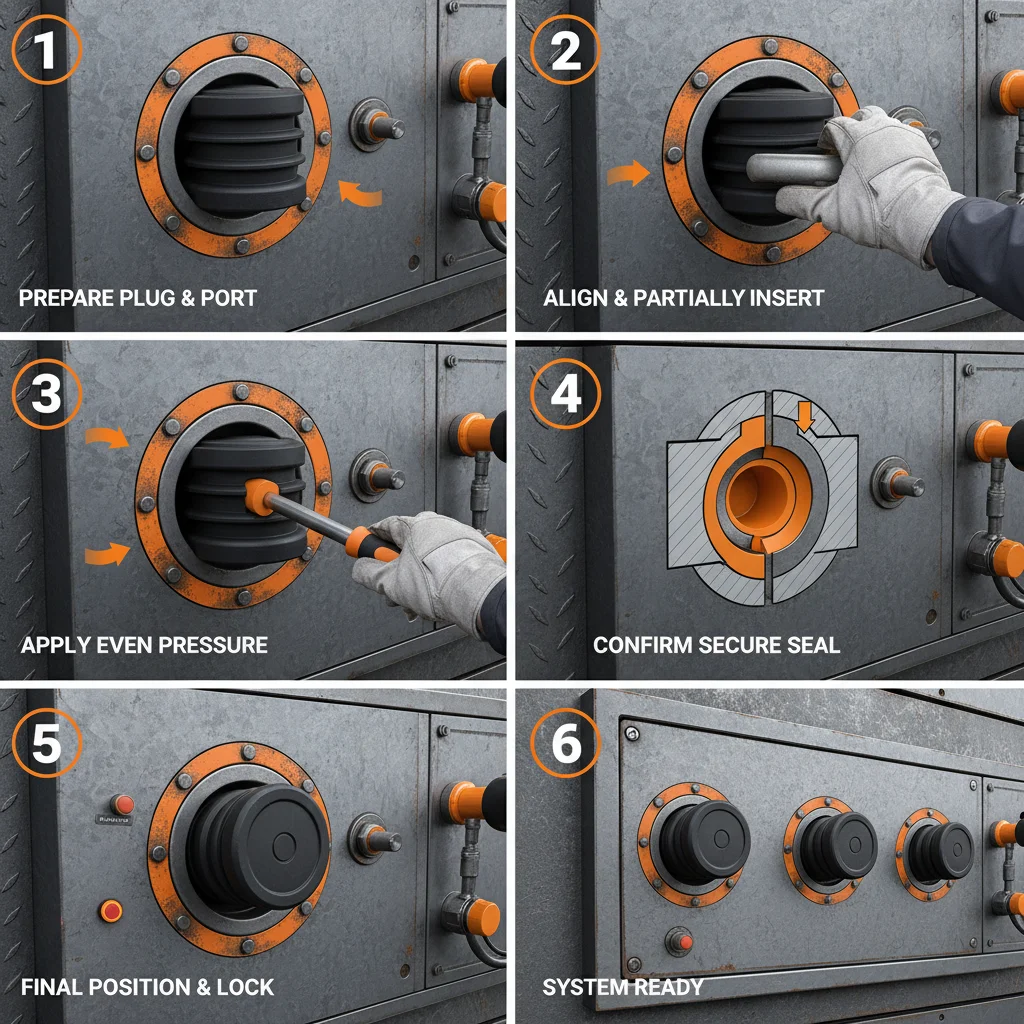
Custom Sealing Rings are critical components across a vast array of industries, ensuring the safe and efficient containment of fluids and gases. Their importance stems from preventing leaks, maintaining pressure, and protecting sensitive equipment from contamination. Understanding the nuances of these rings, from material selection to bespoke design, is paramount for operational reliability and cost-effectiveness.
The global demand for high-performance sealing solutions is constantly increasing, driven by factors such as stringent safety regulations, the growth of industries like oil and gas, aerospace, and automotive, and the need for more sustainable operations. This necessitates innovation in sealing technologies and a shift towards custom solutions tailored to specific application requirements.
Investing in a thorough understanding of Custom Sealing Rings – their capabilities, limitations, and potential for optimization – is no longer merely a technical consideration, but a strategic imperative for businesses seeking to maintain a competitive edge and ensure long-term success. Custom Sealing Rings play a vital role in modern engineering.
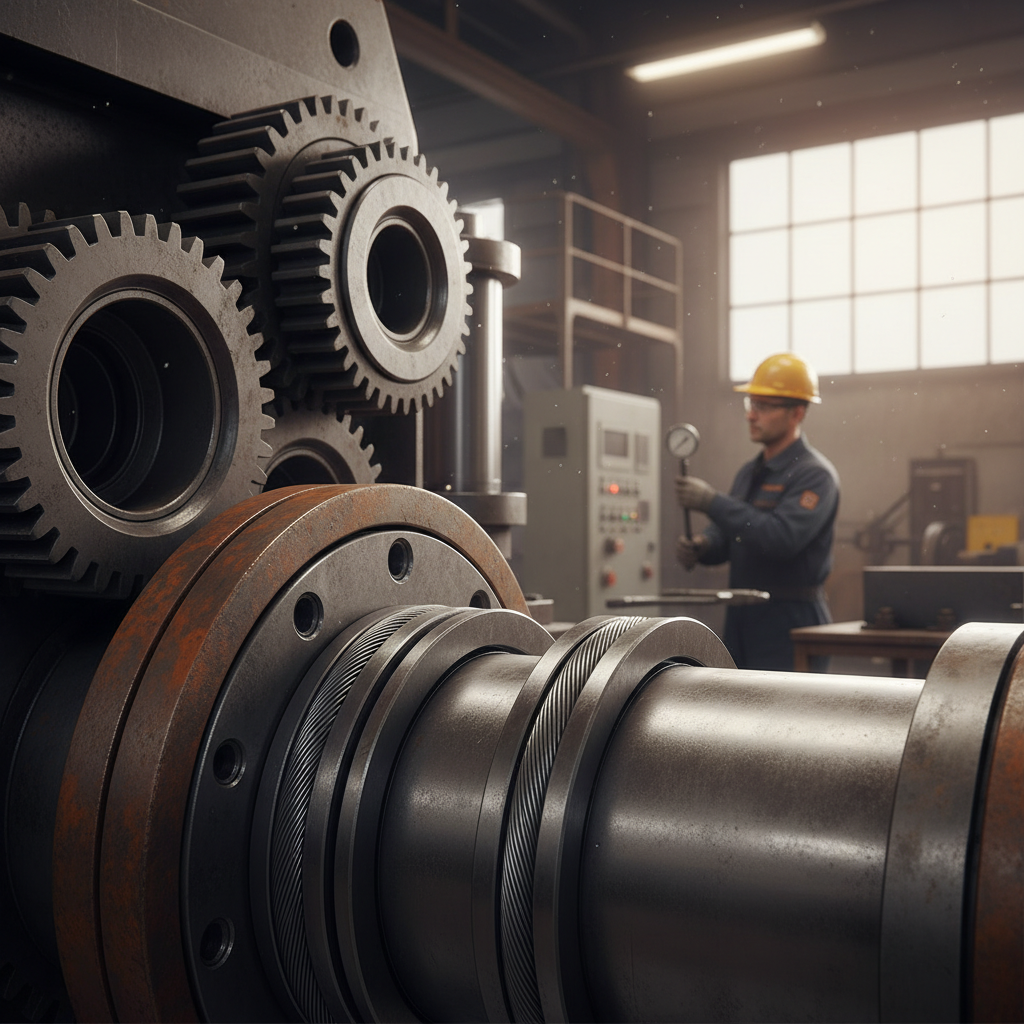
The Importance of Custom Sealing Rings
The modern industrial landscape demands unparalleled precision and reliability, and Custom Sealing Rings are often the linchpin of these requirements. Unlike standardized seals, custom rings are engineered to meet extremely specific parameters, such as temperature fluctuations, chemical exposure, and pressure differentials, making them ideal for niche applications where off-the-shelf solutions fall short.
Their importance transcends simple leak prevention; they directly impact operational efficiency, safety standards, and overall product quality. Selecting the appropriate Custom Sealing Rings for a given application is therefore a critical engineering decision, often resulting in substantial cost savings and enhanced performance over the lifespan of the equipment.
Defining Custom Sealing Rings
Custom Sealing Rings are precisely engineered components designed to prevent the passage of fluids or gases between mating surfaces. They are created to specific dimensions, materials, and configurations, differing significantly from standard, mass-produced seals. The customization process involves careful consideration of the application's operating conditions, the fluids being sealed, and the required level of performance.
This differs from traditional sealing methods which often rely on compromise. A Custom Sealing Ring isn't simply 'close enough'; it's perfectly matched to the task. This precision is especially critical in industries like aerospace, pharmaceuticals, and oil & gas where even minimal leakage can have catastrophic consequences.
The core function of a Custom Sealing Ring connects directly to the demands of modern industrial processes. From maintaining vacuum integrity in semiconductor manufacturing to ensuring the safe containment of hazardous chemicals, these components are vital for a wide spectrum of applications and, increasingly, humanitarian needs like water purification systems.
Core Components and Key Factors
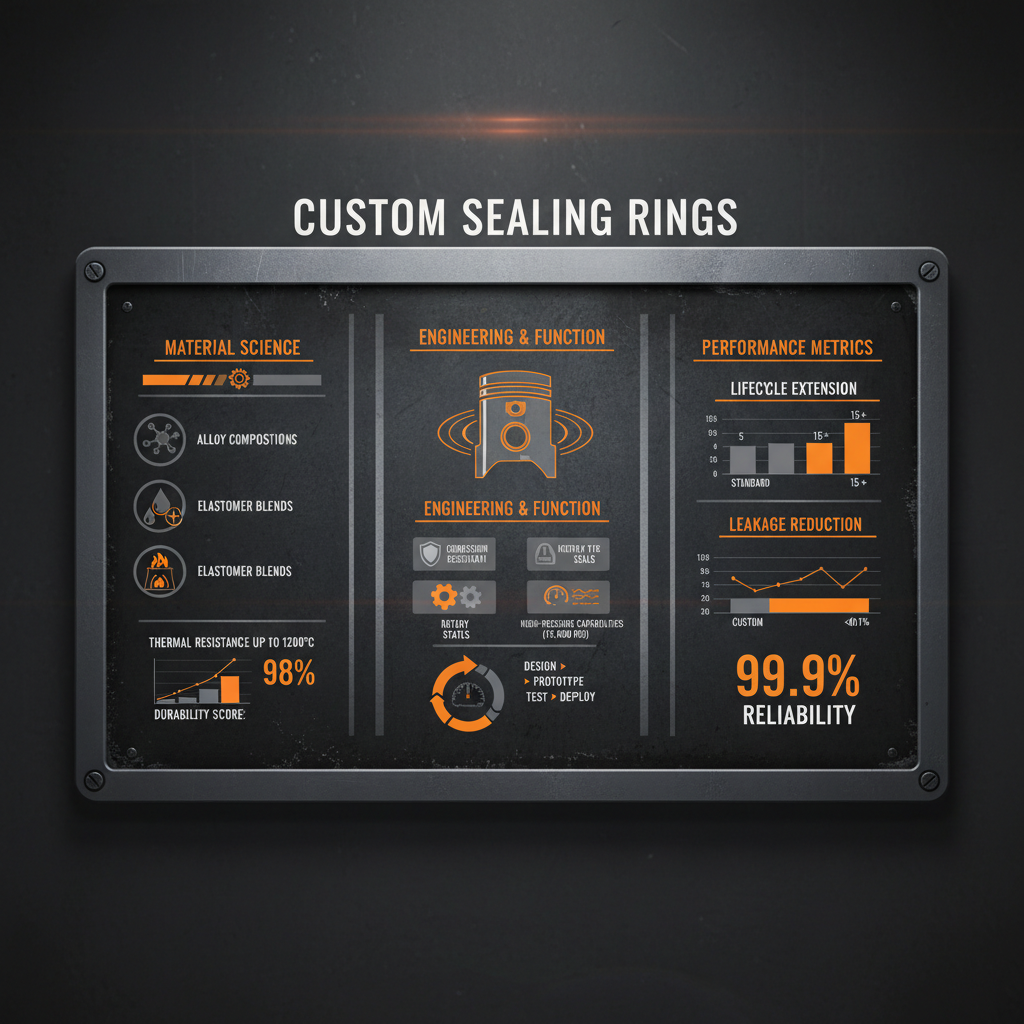
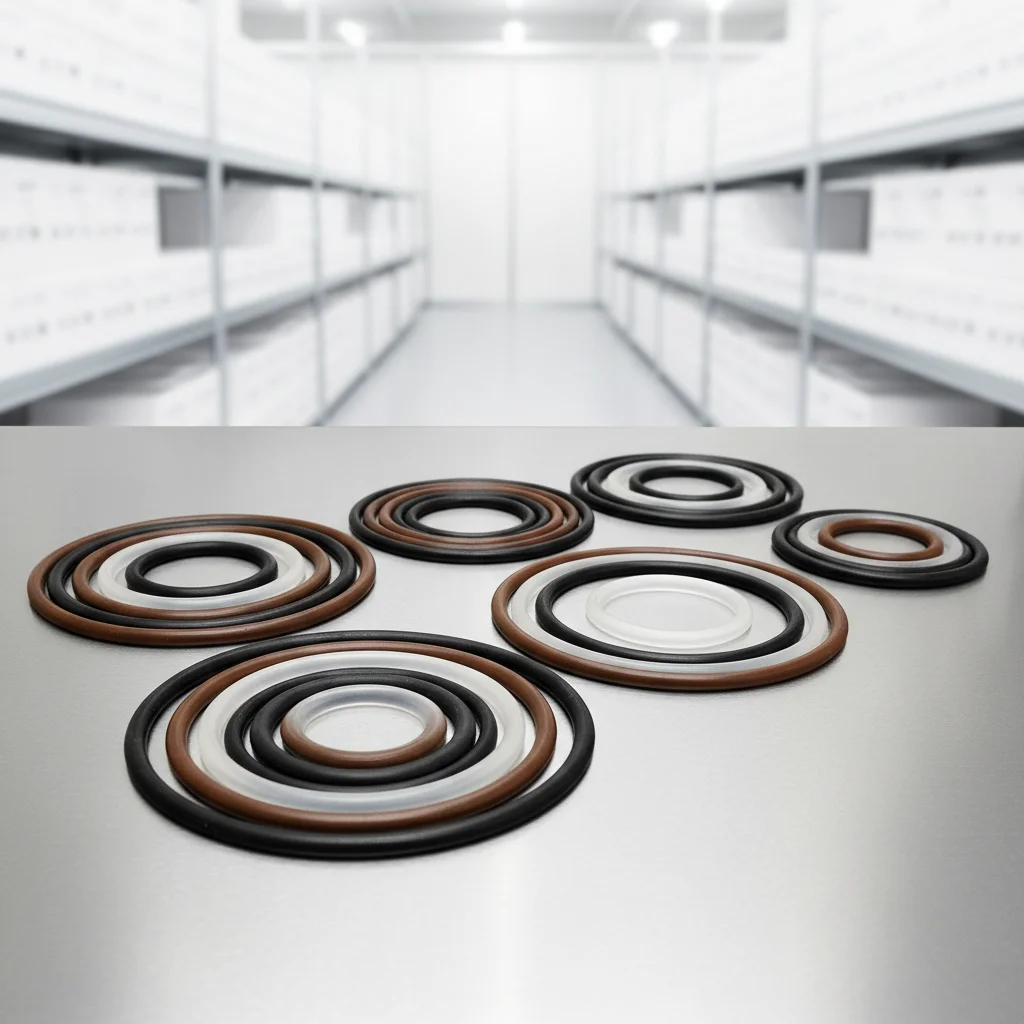
Several key factors determine the effectiveness and longevity of Custom Sealing Rings. First, Material Selection is paramount, with choices ranging from elastomers like Viton and EPDM to metals like PTFE and stainless steel, each possessing unique resistance properties. Secondly, Dimensional Accuracy ensures a tight, reliable fit, preventing leakage even under extreme pressure.
Durometer, or hardness, influences the seal's ability to conform to surface irregularities and maintain a consistent seal. Furthermore, Surface Finish of both the ring and the mating surfaces impacts friction and wear. Lastly, Design Complexity, including features like O-rings, X-rings, and lip seals, directly relates to its ability to handle dynamic applications.
Understanding these factors is crucial for engineers and designers tasked with selecting the optimal Custom Sealing Ring for a particular application. Ignoring even one aspect can lead to premature failure and costly downtime.
Applications Across Diverse Industries
The versatility of Custom Sealing Rings leads to their deployment across an incredibly diverse range of industries. In the Aerospace sector, they're critical for fuel systems, hydraulic actuators, and engine components, demanding extreme temperature and pressure resistance. The Automotive industry utilizes them in engines, transmissions, and braking systems, requiring durability and resistance to automotive fluids.
In the Oil & Gas industry, Custom Sealing Rings are essential for downhole tools, pipelines, and refineries, requiring resistance to harsh chemicals and extreme pressures. The Pharmaceutical sector relies on them for sterile fluid handling and maintaining product integrity. Even in emerging fields like Renewable Energy, specialized seals are crucial for wind turbine gearboxes and solar panel fluid systems.
Geographically, demand is particularly high in industrialized nations like the US, Germany, and Japan, but also rapidly growing in emerging economies like China and India. In post-disaster relief operations, portable water purification systems often rely on reliable Custom Sealing Rings to ensure safe drinking water.
Custom Sealing Ring Application Breakdown
Advantages and Long-Term Value Proposition
The benefits of investing in Custom Sealing Rings extend far beyond simply preventing leaks. Tangible advantages include reduced downtime through increased reliability, minimized maintenance costs due to longer lifespans, and enhanced operational efficiency. The enhanced safety they provide also drastically reduces the risk of costly accidents and environmental damage.
From a sustainability perspective, precise seals minimize waste of valuable resources and reduce environmental impact. The increased trust and confidence in systems employing Custom Sealing Rings provide a clear competitive advantage. These components contribute directly to a company’s reputation for quality and reliability, which are crucial for long-term success.
Future Trends and Technological Advancements
The field of Custom Sealing Rings is undergoing a period of rapid innovation. The integration of advanced materials like graphene and self-healing polymers promises to dramatically extend seal lifespan and improve performance. Digital twin technology, coupled with predictive maintenance algorithms, will enable proactive identification of potential seal failures, minimizing downtime.
Automation and AI-powered design tools are streamlining the customization process, reducing lead times and lowering costs. Furthermore, a growing emphasis on green energy applications is driving demand for seals compatible with hydrogen and other alternative fuels, promoting sustainability and a circular economy.
Challenges and Innovative Solutions
Despite advancements, several challenges remain in the realm of Custom Sealing Rings. These include the high cost of specialized materials, the complexity of designing for extreme environments, and the difficulty of ensuring consistent quality control. One innovative solution is the development of additive manufacturing techniques, like 3D printing, to create complex seal geometries with greater precision and reduced material waste.
Another approach is the utilization of advanced coatings to enhance surface properties and improve resistance to wear and corrosion. Finally, collaborative design efforts between seal manufacturers and end-users are crucial for identifying application-specific challenges and developing tailored solutions.
Addressing these challenges through ongoing research and development will be vital for unlocking the full potential of Custom Sealing Rings and meeting the evolving needs of diverse industries. Custom Sealing Rings are at the forefront of these solutions.
Summary of Common Challenges and Proposed Solutions for Custom Sealing Rings
| Challenge |
Impact on Performance |
Proposed Solution |
Implementation Difficulty (1-10) |
| High Material Costs |
Reduced Profit Margins |
Material Optimization & Alternative Sourcing |
6 |
| Complex Design Requirements |
Extended Lead Times & Higher Engineering Costs |
AI-Powered Design Tools & Simulation |
7 |
| Extreme Operating Conditions |
Premature Seal Failure & System Downtime |
Advanced Material Coatings & Novel Polymers |
8 |
| Quality Control Consistency |
Variations in Seal Performance |
Automated Inspection Systems & Statistical Process Control |
5 |
| Limited Design Flexibility |
Inability to Optimize for Specific Applications |
Additive Manufacturing (3D Printing) |
9 |
| Lack of Industry Standards |
Difficulty in Comparative Analysis |
Collaboration for the Development of New Standards |
4 |
FAQS
Custom sealing rings offer significant advantages over standard O-rings when applications demand precision and reliability. They are tailored to specific pressure, temperature, and chemical environments, maximizing performance and minimizing leak potential. Standard O-rings are often a 'one-size-fits-all' solution, potentially compromising on sealing integrity. Custom rings offer material selection beyond typical elastomers, optimizing for durability and compatibility. This leads to reduced downtime and increased operational safety.
A wide range of materials are employed, dictated by the application requirements. Common elastomers include Viton (FKM), EPDM, Silicone, and Nitrile. For high-temperature or corrosive environments, PTFE (Teflon), PEEK, and other fluoropolymers are preferred. Metal rings utilize materials like stainless steel, Hastelloy, and Inconel. Material selection considers fluid compatibility, temperature range, pressure, and abrasion resistance.
Lead times vary depending on the complexity of the design, material availability, and current production workload. Simple designs with standard materials can often be delivered within 2-3 weeks. More intricate designs or those requiring specialized materials may take 4-8 weeks or longer. We strive to provide accurate lead time estimates during the quoting process and maintain open communication throughout production.
We require detailed specifications, including dimensions (inner diameter, outer diameter, thickness), material requirements, operating temperature range, pressure, fluid compatibility, and application details. A technical drawing or CAD model is highly beneficial. The more information provided, the more accurate and efficient the quoting process will be.
Yes, we specialize in designing and manufacturing sealing rings for both static and dynamic applications. For dynamic seals, factors such as friction, wear resistance, and lubrication are critical. We offer various seal designs, including lip seals, U-cups, and V-rings, optimized for rotary and reciprocating motion. Material selection and surface treatments are carefully considered to ensure long-term performance.
We adhere to stringent quality control procedures throughout the entire manufacturing process. This includes raw material inspection, dimensional verification using precision measuring instruments, and visual inspection for defects. We can also perform specialized testing, such as pressure testing and leak testing, to validate seal performance. Our commitment to quality ensures consistent, reliable products.
Conclusion
Custom Sealing Rings are indispensable components in a vast and expanding array of industries, offering unmatched reliability, performance, and longevity compared to standard solutions. Their ability to be precisely engineered to meet specific application demands makes them critical for ensuring safety, efficiency, and sustainability. The continued advancement of materials, manufacturing processes, and design tools promises to further enhance the capabilities and value proposition of these essential components.
Looking ahead, investing in research and development, fostering collaboration between manufacturers and end-users, and embracing innovative technologies like additive manufacturing will be vital for unlocking the full potential of Custom Sealing Rings and addressing the evolving challenges of a rapidly changing world. To explore how custom sealing solutions can benefit your specific application, visit our website: Custom Sealing Rings.