• Home
  • Top Blog
0%

Table of Contents

FVMQ O-Rings, or fluoroelastomer O-rings, represent a crucial component in numerous industries demanding high performance sealing solutions. Their exceptional resistance to a wide range of chemicals, fuels, and extreme temperatures makes them indispensable in applications where standard elastomers fail. Understanding the properties and applications of FVMQ O-Rings is paramount for engineers, maintenance professionals, and anyone involved in system reliability and safety.

The global demand for high-performance sealing solutions is steadily increasing, driven by advancements in automotive, aerospace, and oil & gas industries. According to a recent market analysis report, the global O-ring market is projected to reach $5.8 billion by 2028, with fluoroelastomers representing a significant growth segment. This growth is fueled by the need for materials that can withstand increasingly harsh operating conditions and extended service life.

FVMQ O-Rings address a critical challenge: maintaining sealing integrity in demanding environments. Traditional elastomers often degrade rapidly when exposed to fuels, oils, and aggressive chemicals. FVMQ offers a robust solution, ensuring operational efficiency, reducing downtime, and enhancing overall system reliability. This makes them a vital component across a diverse range of critical applications.
FVMQ O-Rings

Introduction to FVMQ O-Rings

FVMQ O-Rings

FVMQ O-Rings are a specialized class of elastomer seals renowned for their exceptional resistance to fuels, oils, and aggressive fluids. They are critical components in sealing applications across diverse industries, providing reliable performance where other materials would quickly degrade. Their unique composition offers a significant advantage in harsh operating environments.

The growing demand for reliable sealing solutions in industries like aerospace, automotive, and oil & gas is driving the adoption of FVMQ O-Rings. As operating temperatures and fluid aggressiveness increase, the need for materials that can withstand these conditions becomes paramount, positioning FVMQ as a preferred choice for engineers and designers globally.

Defining FVMQ O-Rings and Their Importance

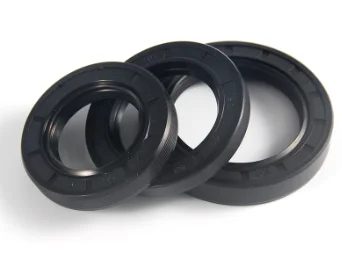
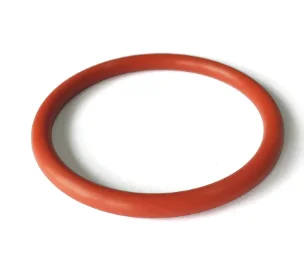
An FVMQ O-Ring is a toroidal-shaped seal made from a fluoroelastomer material containing vinylidene fluoride (VDF) and hexafluoropropylene (HFP). These materials are copolymerized to create a rubber compound with superior resistance to a wide range of chemicals, high temperatures, and compression set. The "O" refers to the shape of the ring, designed to fit into a groove and create a tight seal.

In modern industry, FVMQ O-Rings play a critical role in preventing leaks, maintaining pressure, and ensuring the safe and efficient operation of machinery and equipment. Their ability to function reliably in harsh environments makes them essential in applications ranging from fuel systems and hydraulic components to aerospace engines and chemical processing equipment.

Beyond industrial applications, FVMQ O-Rings are instrumental in ensuring the reliability of critical systems in areas like healthcare (medical devices) and environmental monitoring (sealing sensitive instruments). Their consistent performance directly contributes to the safety and efficiency of these applications, demonstrating their far-reaching importance.

Key Properties of FVMQ O-Rings

The standout property of FVMQ O-Rings is their exceptional resistance to fuels and oils, including gasoline, diesel, jet fuel, and synthetic lubricants. This resistance stems from the fluorocarbon polymer structure, which is inherently inert to these substances, preventing swelling, cracking, and degradation.

FVMQ materials also exhibit excellent high-temperature performance, maintaining their sealing properties at temperatures up to 200°C (392°F) and even higher in some specialized formulations. Furthermore, they demonstrate a low gas permeability, crucial for applications requiring tight containment of gases or fluids.

Another critical property is their resistance to ozone and weathering, making them suitable for outdoor applications. Although generally good, FVMQ O-Rings have relatively poor resistance to low-temperature flexibility and ketones compared to other elastomers; however, specialized formulations can mitigate these limitations for specific applications.

FVMQ O-Ring Performance Metrics

Evaluating the performance of FVMQ O-Rings requires considering several key metrics. Tensile strength indicates the material’s ability to withstand pulling forces, while elongation at break defines its flexibility. Compression set, a crucial parameter, measures the material’s ability to recover its original shape after prolonged compression; a lower compression set indicates better sealing performance over time.

Fluid resistance is assessed by measuring swelling and hardness changes after exposure to various fluids. These metrics directly correlate to the O-ring's long-term durability and sealing capability. Temperature resistance is typically specified as an upper and lower operating temperature range, reflecting the material's ability to maintain its properties under thermal stress.

FVMQ O-Ring Performance Comparison

Global Applications of FVMQ O-Rings

The automotive industry heavily relies on FVMQ O-Rings for sealing fuel systems, transmission components, and engine seals. Their resistance to gasoline, diesel, and automatic transmission fluids is crucial for ensuring long-term reliability and preventing leaks. In aerospace, they are utilized in fuel lines, hydraulic systems, and engine seals, where extreme temperatures and fluid compatibility are paramount.

The oil and gas sector employs FVMQ O-Rings in downhole tools, wellhead equipment, and pipeline sealing applications, leveraging their resistance to harsh chemicals and high pressures. In chemical processing plants, they seal pumps, valves, and reactors handling corrosive fluids. These diverse applications highlight the versatile nature of FVMQ O-Rings across multiple industries globally.

Advantages and Long-Term Value

The primary advantage of FVMQ O-Rings is their extended service life compared to traditional elastomers in harsh environments, resulting in reduced maintenance costs and downtime. This translates into significant cost savings over the long term, particularly in critical applications where failures can have substantial consequences. Their superior chemical resistance minimizes the risk of seal degradation and leakage, improving operational safety and environmental protection.

Beyond the economic benefits, FVMQ O-Rings contribute to enhanced reliability and trust in the systems they seal. Their consistent performance fosters confidence in the equipment and processes they support, bolstering brand reputation and customer satisfaction. Moreover, their durability and longevity align with sustainability goals by reducing the need for frequent replacements, minimizing waste and resource consumption.

Future Trends and Innovations in FVMQ O-Ring Technology

Ongoing research and development efforts are focused on enhancing the low-temperature flexibility of FVMQ materials and improving their resistance to specific chemicals, such as ketones and ethers. New polymer formulations are being explored to broaden the range of applications and address emerging challenges. The incorporation of nano-fillers to improve mechanical properties and reduce permeability is another area of active investigation.

Digitalization and automation in manufacturing processes are streamlining the production of FVMQ O-Rings, allowing for tighter tolerances and improved quality control. Advanced sensor technologies are also being integrated into sealing systems to monitor performance and predict potential failures, enabling proactive maintenance and minimizing downtime. The drive toward sustainable materials and manufacturing processes is influencing the development of eco-friendly FVMQ formulations.

The increasing demand for lightweight materials in aerospace and automotive applications is driving the development of thinner-walled FVMQ O-Ring designs without compromising sealing performance. These innovations aim to reduce weight and improve efficiency while maintaining the high reliability that FVMQ O-Rings are known for.

FAQS

What are the primary benefits of using FVMQ O-Rings over traditional nitrile rubber O-rings?

FVMQ O-Rings offer significantly superior resistance to fuels, oils, and high temperatures compared to nitrile rubber (NBR) O-rings. While NBR is more cost-effective, it swells and degrades quickly in contact with petroleum-based fluids, leading to premature failure. FVMQ maintains its properties in these environments, offering longer service life and reduced maintenance. This makes FVMQ ideal for applications like fuel systems and automotive components where NBR is unsuitable.

Can FVMQ O-Rings be used in applications involving exposure to strong acids or bases?

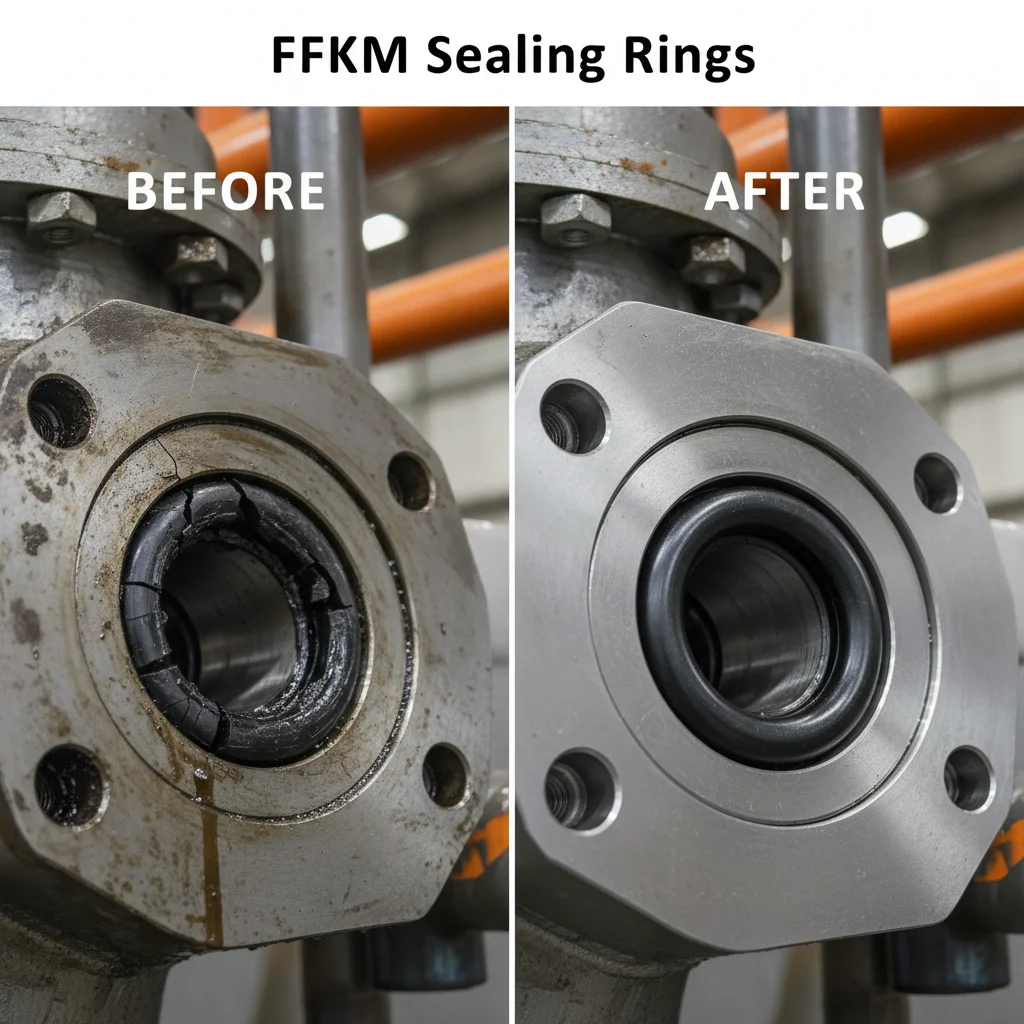
While FVMQ exhibits good overall chemical resistance, it's not universally resistant to all chemicals. Strong acids and bases can cause degradation of the FVMQ material. The level of resistance depends on the specific acid or base, concentration, and temperature. For such applications, specialized fluorocarbon elastomers like FFKM (Kalrez) are often preferred due to their broader chemical compatibility. Always consult a chemical compatibility chart before using FVMQ in corrosive environments.

What is the typical lifespan of an FVMQ O-Ring in a fuel system application?

The lifespan of an FVMQ O-Ring in a fuel system application depends on several factors, including fuel type, operating temperature, pressure, and the quality of the O-ring itself. However, under typical conditions, a well-installed FVMQ O-Ring can last for several years without significant degradation. Regular inspection and replacement based on manufacturer recommendations are essential to ensure long-term reliability and prevent leaks.

How does temperature affect the performance of FVMQ O-Rings?

FVMQ O-Rings perform exceptionally well at elevated temperatures, typically up to 200°C (392°F). However, their low-temperature flexibility is somewhat limited compared to some other elastomers. Exposure to extremely low temperatures can cause the material to become stiff and lose its sealing ability. Selecting a specialized FVMQ formulation with improved low-temperature properties is recommended for applications operating in cold environments.

Are there different grades or formulations of FVMQ O-Rings available?

Yes, there are various grades and formulations of FVMQ O-Rings available to meet specific application requirements. These formulations differ in their composition and properties, such as low-temperature flexibility, chemical resistance, and compression set. Common variations include formulations with improved resistance to specific fuels or chemicals, as well as those optimized for dynamic sealing applications.

What size range of FVMQ O-Rings are commonly available?

FVMQ O-Rings are available in a wide range of sizes, from very small miniature sizes (e.g., AS568 size 010) to large industrial sizes (e.g., AS568 size 330). They are supplied in both standard AS568 sizes and custom dimensions to meet specific application needs. The availability of specific sizes depends on the manufacturer and the grade of FVMQ material.

Conclusion

In conclusion, FVMQ O-Rings offer a superior sealing solution for applications demanding exceptional resistance to fuels, oils, and high temperatures. Their extended service life, enhanced reliability, and contribution to sustainable practices make them a valuable asset across a diverse range of industries, including automotive, aerospace, and oil & gas. Understanding their properties and applications is crucial for engineers and professionals seeking to optimize system performance and minimize downtime.

Looking ahead, continued innovation in FVMQ materials and manufacturing processes will further expand their capabilities and address emerging challenges. By embracing advancements in polymer technology and digitalization, we can unlock even greater potential for FVMQ O-Rings, driving improvements in efficiency, safety, and sustainability. To learn more about how FVMQ O-Rings can benefit your specific application, visit our website: www.beikesealing.com.

Michael Wilson

Michael Wilson

Michael Wilson is a Product Development Engineer with Shijiazhuang Beike Sealing Technology, focused on innovative rubber part design. He’s been with the company for 5 years, initially specializing in mold design and now leading the development of new FFKM O-ring solutions. Michael collaborates closely with the R&D center, leveraging their
Previous High Performance Custom Rubber ORings for Diverse Industrial Applications
Next High Temperature ORings for Critical Sealing Applications and Industrial Growth

If you are interested in our products, you can choose to leave your information here, and we will be in touch with you shortly.