Comprehensive Guide to Mechanical ORings for Sealing Applications
Mechanical O-Rings: A Comprehensive Guide
Mechanical O-rings are essential sealing components used across a diverse range of industries to prevent leakage and maintain pressure in various systems. From hydraulic cylinders to pneumatic equipment, their reliability is paramount. This article delves into the world of mechanical O-rings, covering materials, applications, sizing, and best practices for selection and installation. Choosing the right O-ring can significantly impact the performance and longevity of your equipment. Explore our wide selection of high-quality O-rings and sealing solutions to find the perfect fit for your needs.
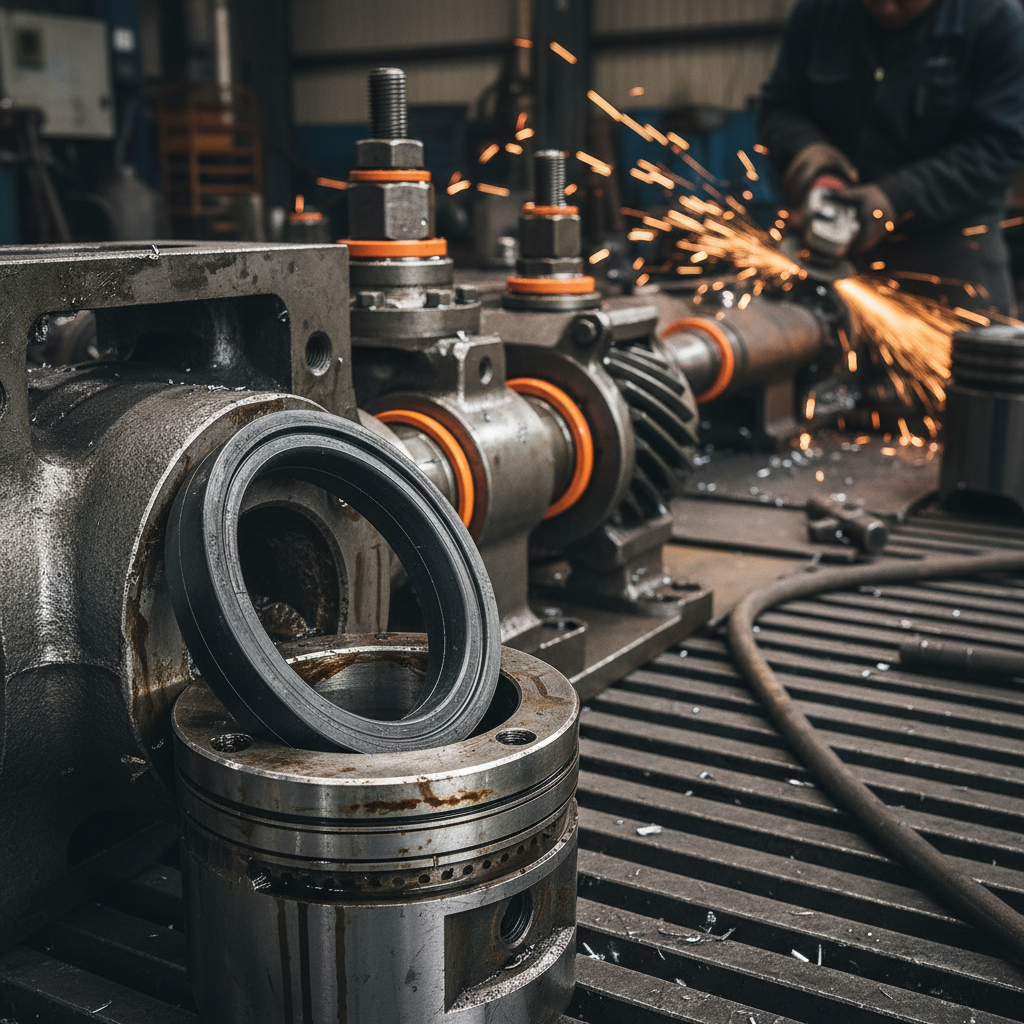
Understanding Mechanical O-Rings
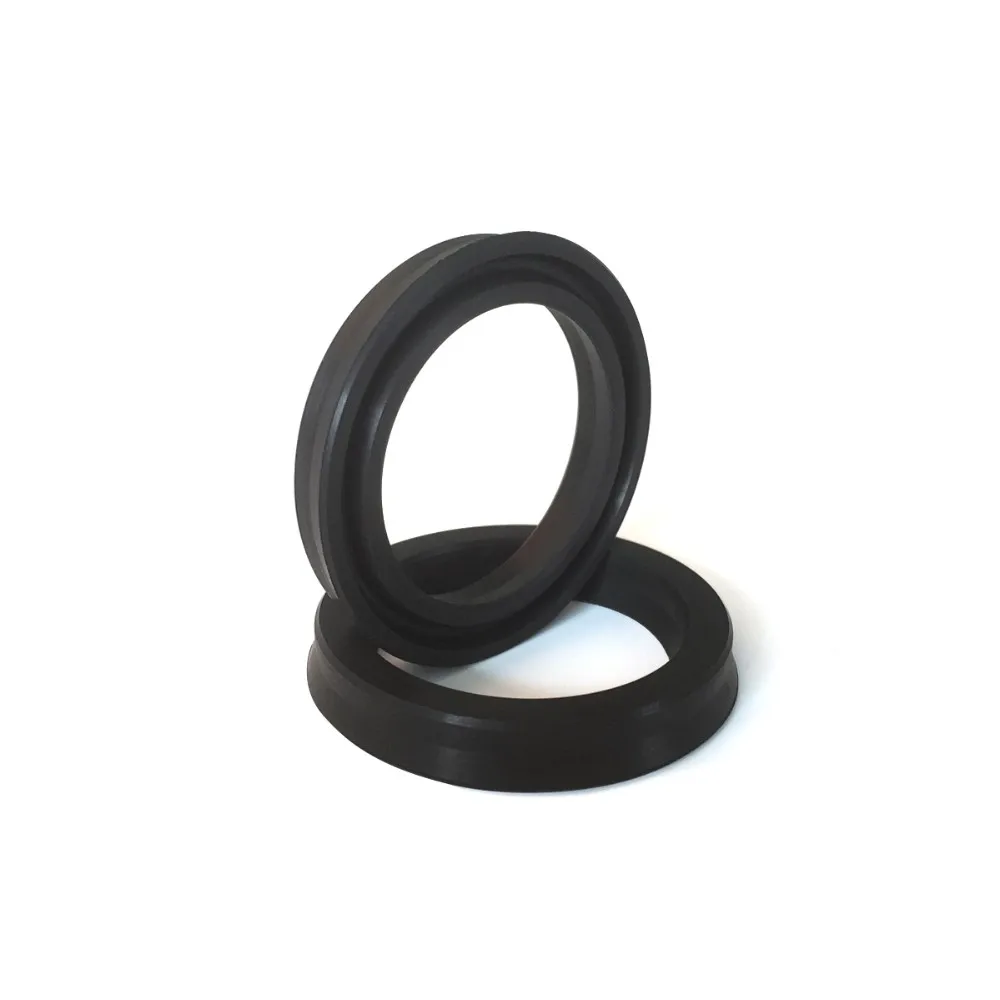
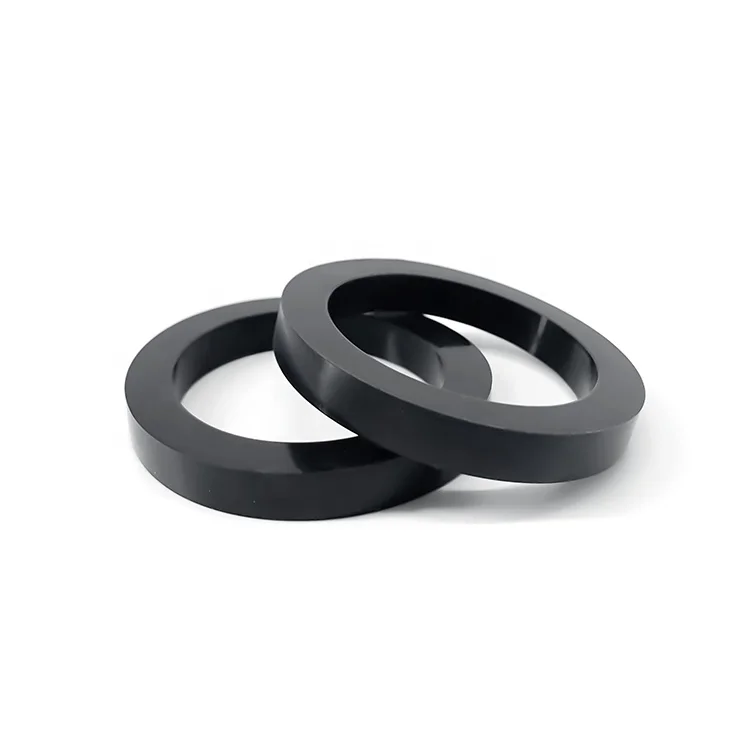
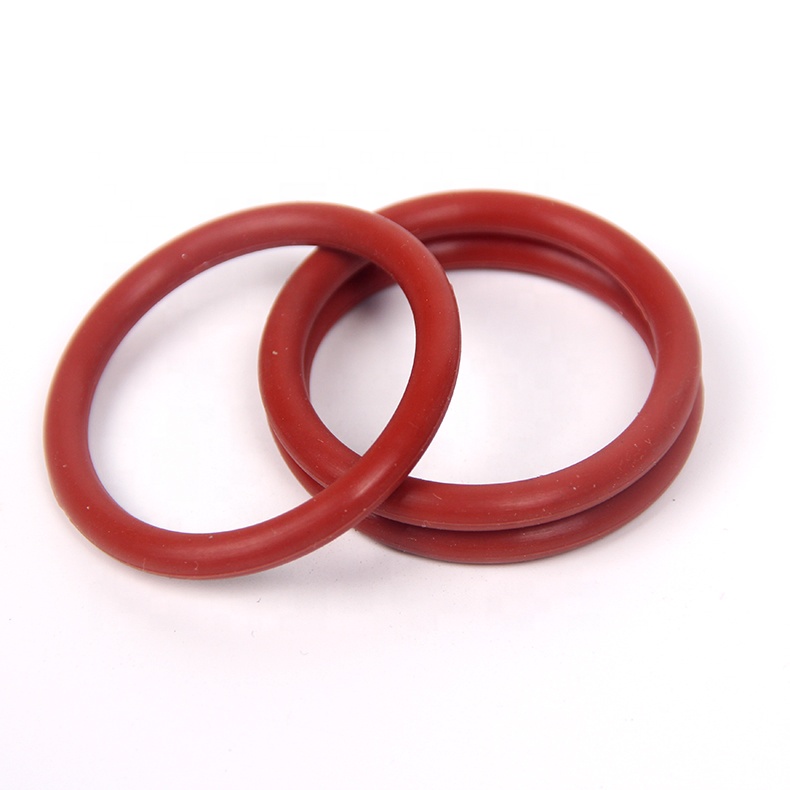
A mechanical O-ring is a torus-shaped seal, meaning it has a circular cross-section. It functions by being compressed between two mating surfaces, creating a barrier against fluids or gases. The effectiveness of an O-ring relies heavily on proper material selection, correct sizing, and precise installation. They are widely favored for their simplicity, low cost, and effectiveness across a broad spectrum of applications. Because of their simple design, they are often the first choice in sealing solutions.
Key Highlights: O-rings are essential for preventing leakage and maintaining pressure, offering a cost-effective and reliable sealing solution.
Common Materials Used in Mechanical O-Rings
The material of an O-ring is crucial and depends heavily on the application’s operating conditions. Some of the most common materials include:
- Nitrile Rubber (NBR): Excellent resistance to oil, fuel, and water – a general-purpose choice.
- Viton (FKM): Superior resistance to high temperatures, chemicals, and oils.
- Silicone (VMQ): Good flexibility over a wide temperature range, suitable for food and medical applications.
- EPDM: Excellent resistance to weather, ozone, and water – often used in outdoor applications.
- Polyurethane (PU): High abrasion resistance and good tensile strength.
Selecting the correct material ensures the O-ring will perform reliably and prevent premature failure. Beike Sealing offers a vast inventory of materials to suit diverse needs.
Material Selection Guide:
• Oil/Fuel: Nitrile, Viton
• High Temperature: Viton, Silicone
• Water/Weather: EPDM
• Food/Medical: Silicone, EPDM
Mechanical O-Ring Sizing and Standards
O-rings are specified by their inner diameter (ID) and cross-section (CS), often referred to as the thickness. The ID must precisely match the groove in which the O-ring will be seated. The CS determines the sealing force. Standards such as AS568 (SAE AS568) define the standard sizes and dimensions of O-rings. Using standardized sizes simplifies procurement and ensures interchangeability. Choosing the correct size is critical for proper sealing performance.
Applications of Mechanical O-Rings
The versatility of mechanical O-rings leads to widespread use across numerous industries. Common applications include:
- Hydraulic Systems: Sealing cylinders, pumps, and valves.
- Pneumatic Systems: Preventing air leaks in compressors and actuators.
- Automotive Industry: Used in fuel systems, engines, and transmissions.
- Aerospace: Critical sealing applications in aircraft hydraulics and fuel systems.
- Industrial Machinery: Sealing pumps, compressors, and other rotating equipment.
Wherever a reliable seal is needed to contain fluids or gases, a mechanical O-ring is often the solution. Explore the comprehensive range of sealing products offered by Beike Sealing to find the ideal O-ring for your specific application.
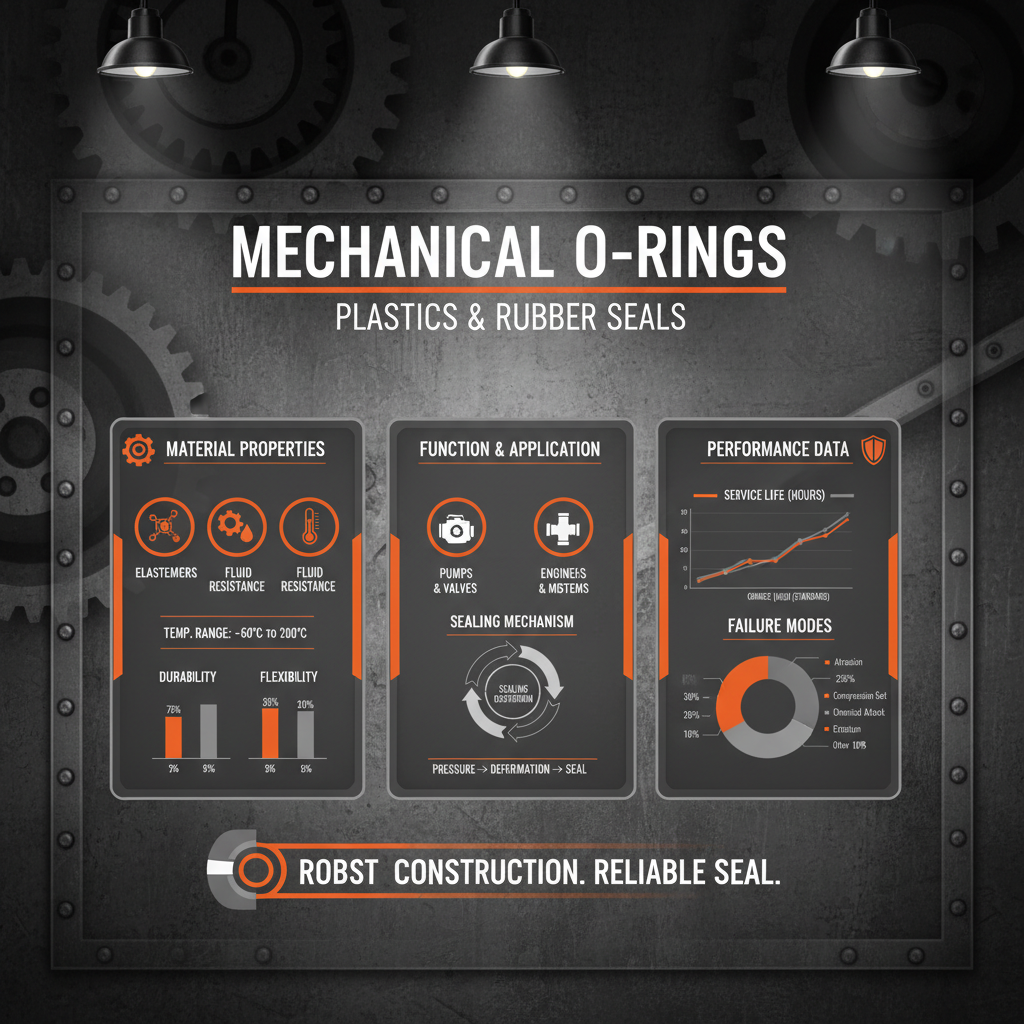
Installation Best Practices for Mechanical O-Rings
Proper installation is essential for ensuring a leak-free seal. Here are some best practices:
- Lubrication: Use a compatible lubricant to ease installation and prevent damage.
- Inspection: Inspect the O-ring for any defects before installation.
- Cleanliness: Ensure the groove and mating surfaces are clean and free of debris.
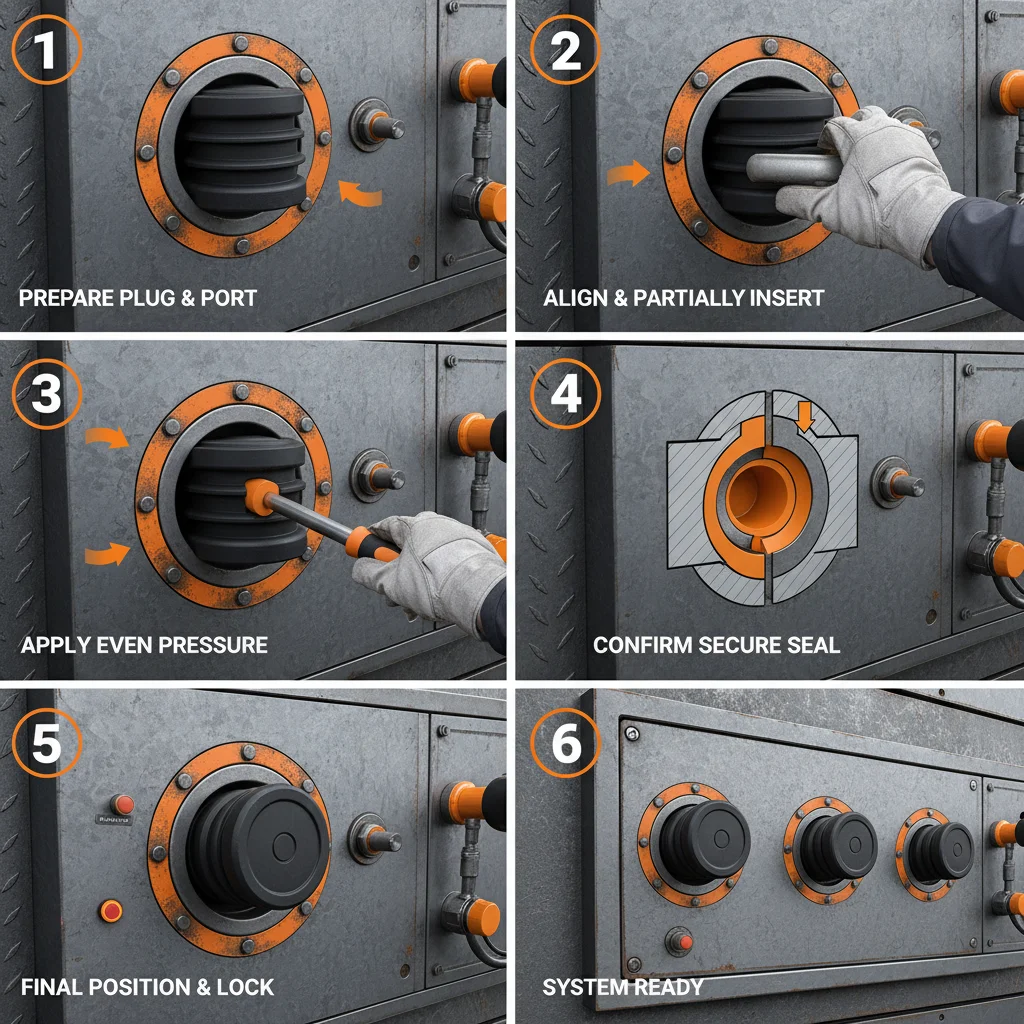
- Avoid Twisting: Carefully install the O-ring without twisting or stretching it.
- Proper Seating: Ensure the O-ring is fully seated in the groove.
Conclusion: Choosing the Right O-Ring for Optimal Performance
Selecting the right mechanical O-ring – considering material, size, and installation – is crucial for preventing leaks and ensuring the reliable operation of your equipment. Beike Sealing provides high-quality O-rings and expert guidance to help you find the perfect solution for your needs. Invest in quality sealing components for long-lasting performance and peace of mind.
Frequently Asked Questions (FAQs)
What is the shelf life of an O-ring?
Generally, O-rings have a long shelf life if stored correctly. However, it’s best to use them within 2-3 years of purchase to ensure optimal performance. Exposure to UV light, ozone, heat, and chemicals can degrade the rubber over time. Proper storage involves keeping O-rings in a cool, dry, and dark environment, away from direct sunlight and incompatible materials. Check for signs of deterioration, like cracking or hardening, before installation.
Can I reuse an O-ring?
Reusing an O-ring is generally not recommended. Once an O-ring has been compressed and used, its elastic properties can be altered, potentially leading to leakage. Even if it appears undamaged, the seal may not be as effective. The cost of replacing an O-ring is minimal compared to the potential cost of equipment failure or downtime. It’s best to install a new O-ring each time for reliable sealing.
What causes O-ring failure?
Several factors can lead to O-ring failure, including improper material selection, incorrect sizing, damage during installation, exposure to incompatible fluids or chemicals, and extreme temperatures. Extrusion (being squeezed into a gap), abrasion, and chemical swelling can also cause failure. Regular inspection and preventative maintenance can help identify and address potential issues before they lead to a complete seal failure.
What lubricant should I use on O-rings?
The appropriate lubricant depends on the O-ring material and the fluid being sealed. Generally, silicone-based lubricants are a safe choice for most O-ring materials. Avoid using petroleum-based lubricants with certain materials like EPDM, as they can cause swelling and degradation. Always check the lubricant's compatibility with the O-ring material and the system's operating fluid. Beike Sealing can provide guidance on lubricant selection.