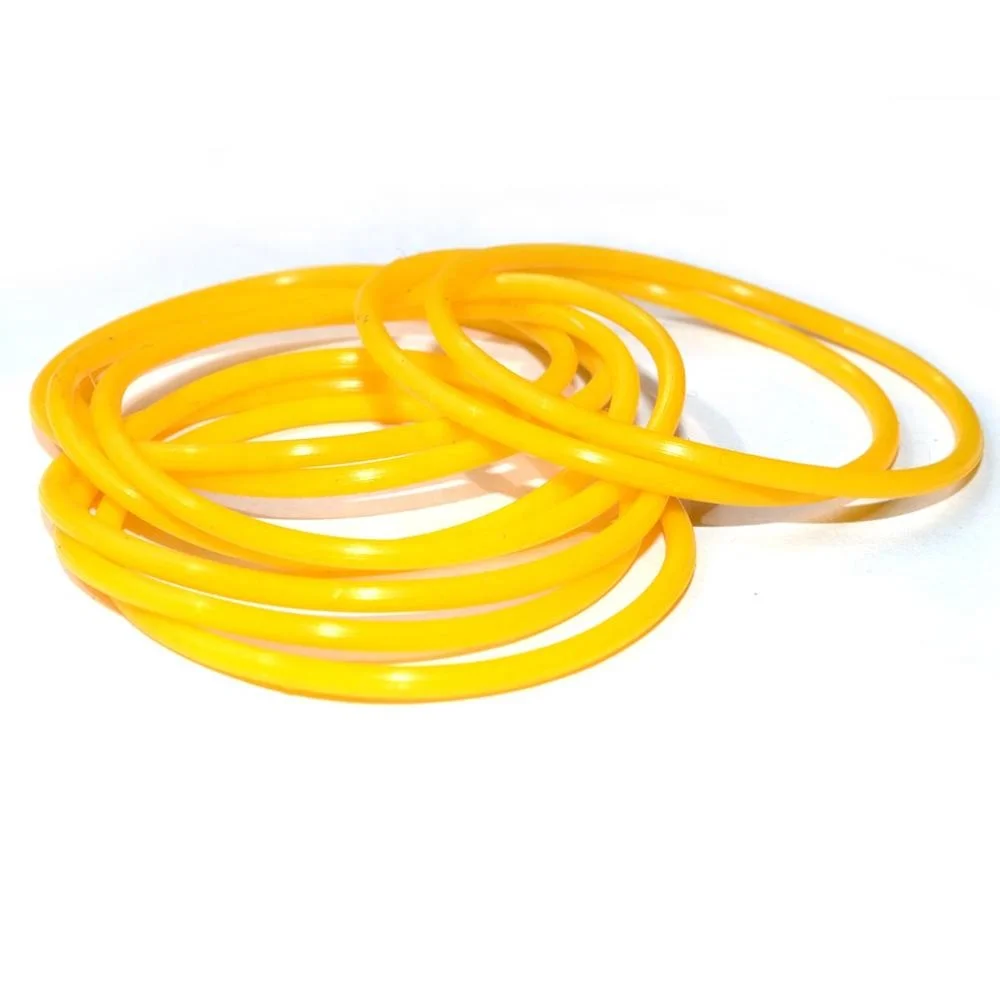
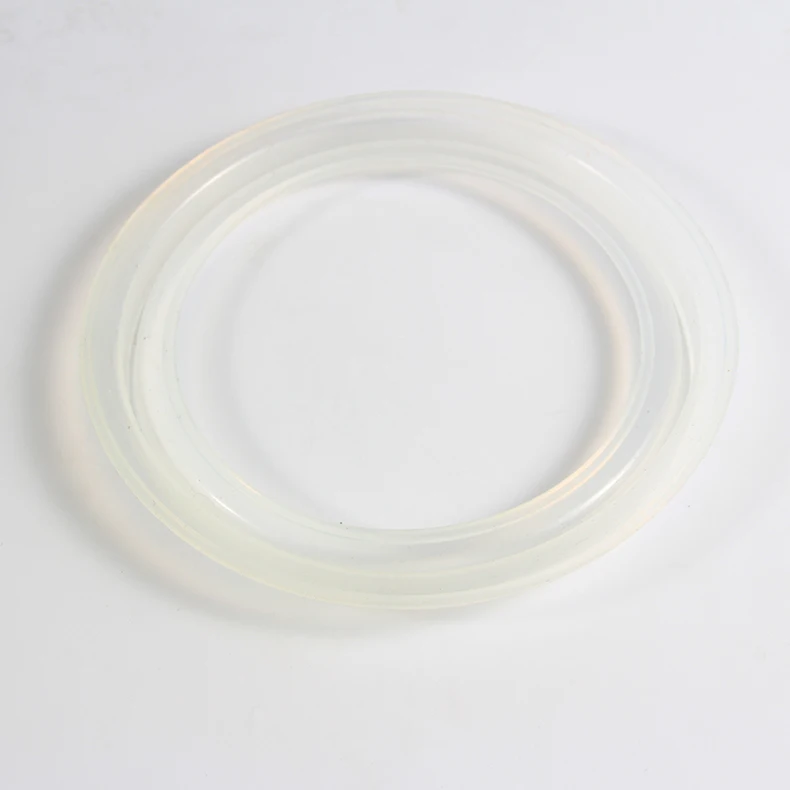
Industrial Sealing Solutions for South Korea HighPerformance FKM Gaskets
  • Home
  • Global Service

Industrial Sealing Solutions for South Korea: High-Performance FKM Gaskets

Precision-engineered rubber components designed to meet the rigorous demands of South Korea's semiconductor, automotive, and shipbuilding industries.

Industrial Sealing Solutions for South Korea: High-Performance FKM Gaskets

Providing South Korean manufacturers with advanced sealing technology to ensure operational safety and efficiency across high-pressure and corrosive environments.

The Rubber Sealing Landscape in South Korea

Adapting to the high-tech industrial demands of the Korean peninsula.

South Korea's manufacturing sector, dominated by giants in electronics and heavy industry, requires sealing components that can withstand extreme thermal cycling and chemical exposure. The high humidity of the coastal regions necessitates the widespread use of EPDM Gaskets for outdoor infrastructure and water management systems.

In the shipbuilding hubs of Ulsan and Busan, the presence of saltwater aerosols makes Corrosion Resistant Gaskets a critical requirement for preventing structural degradation and leaks in marine vessels and offshore platforms.

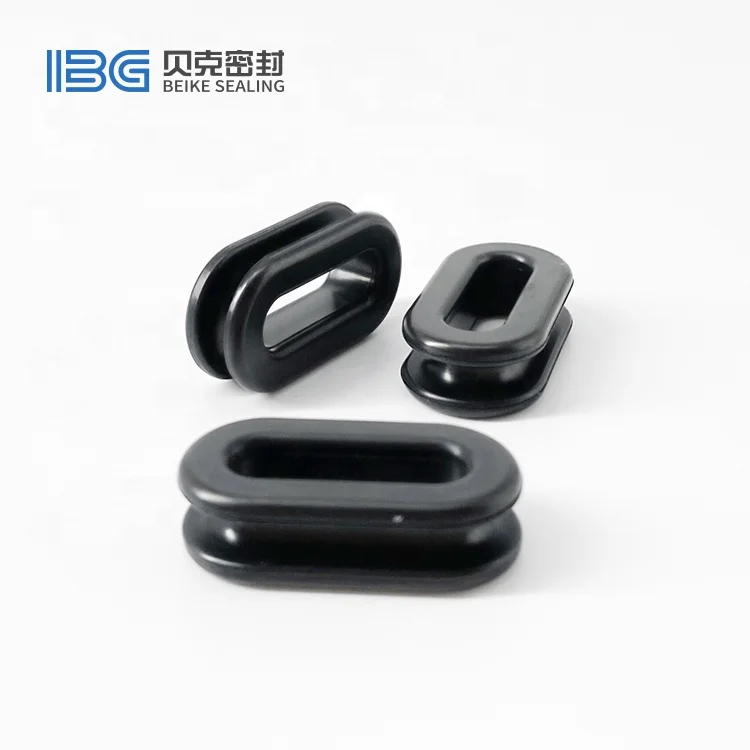
Furthermore, the precision-driven semiconductor industry in Gyeonggi-do demands zero-leakage environments, driving the demand for high-purity Dustproof Rubber Plugs to protect sensitive equipment during transport and installation.
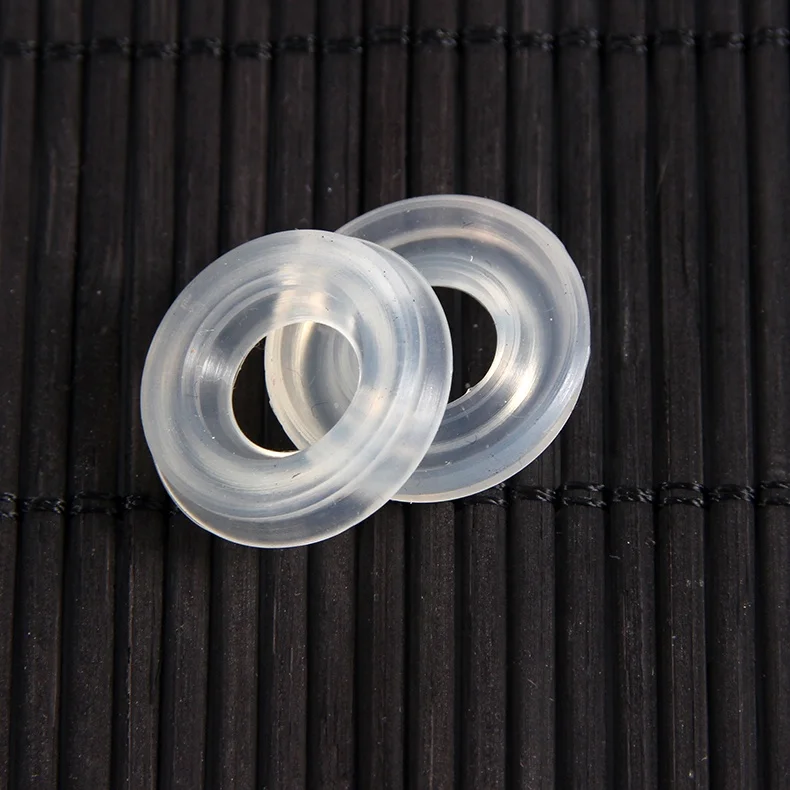
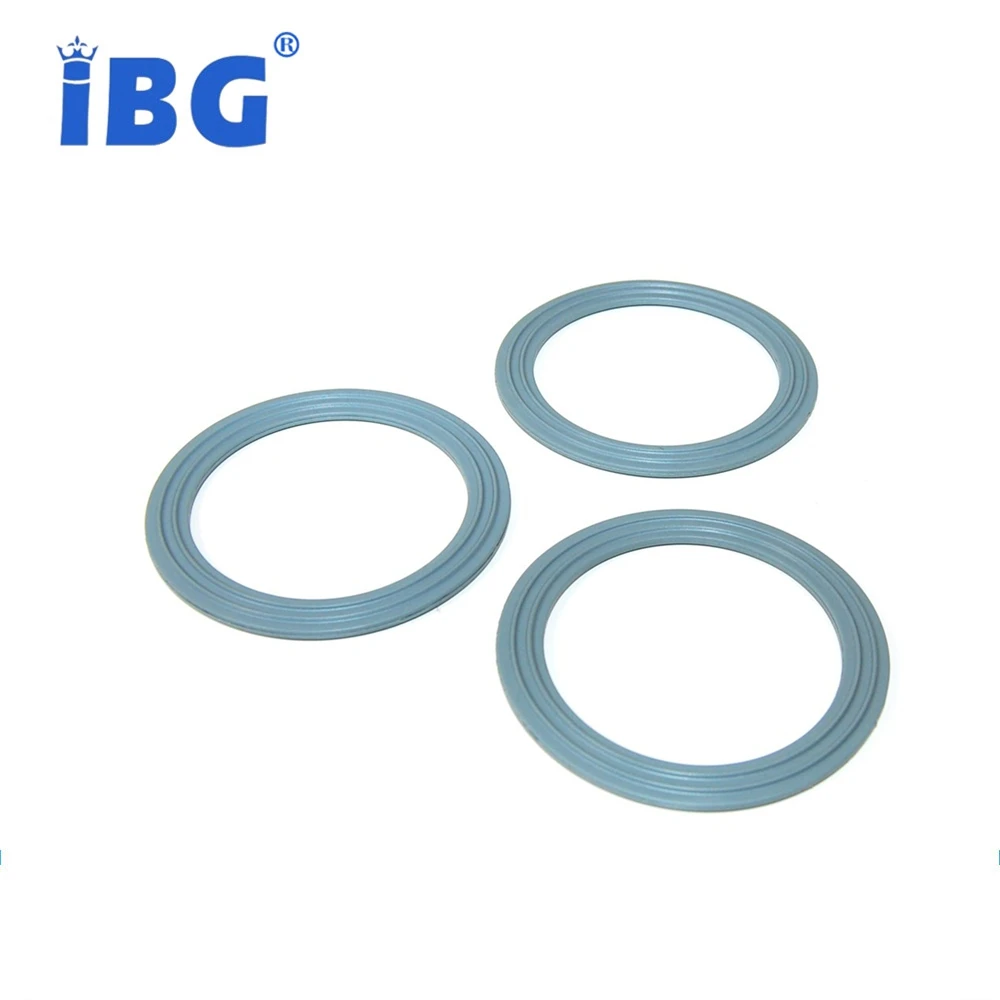
Evolution and Technical Trajectory of Rubber Components

From basic sealing to intelligent material science.

Market Development History

During the 1980s and 90s, the South Korean rubber industry focused primarily on general-purpose NBR and neoprene for the growing automotive sector, utilizing standard molds for basic shapes.

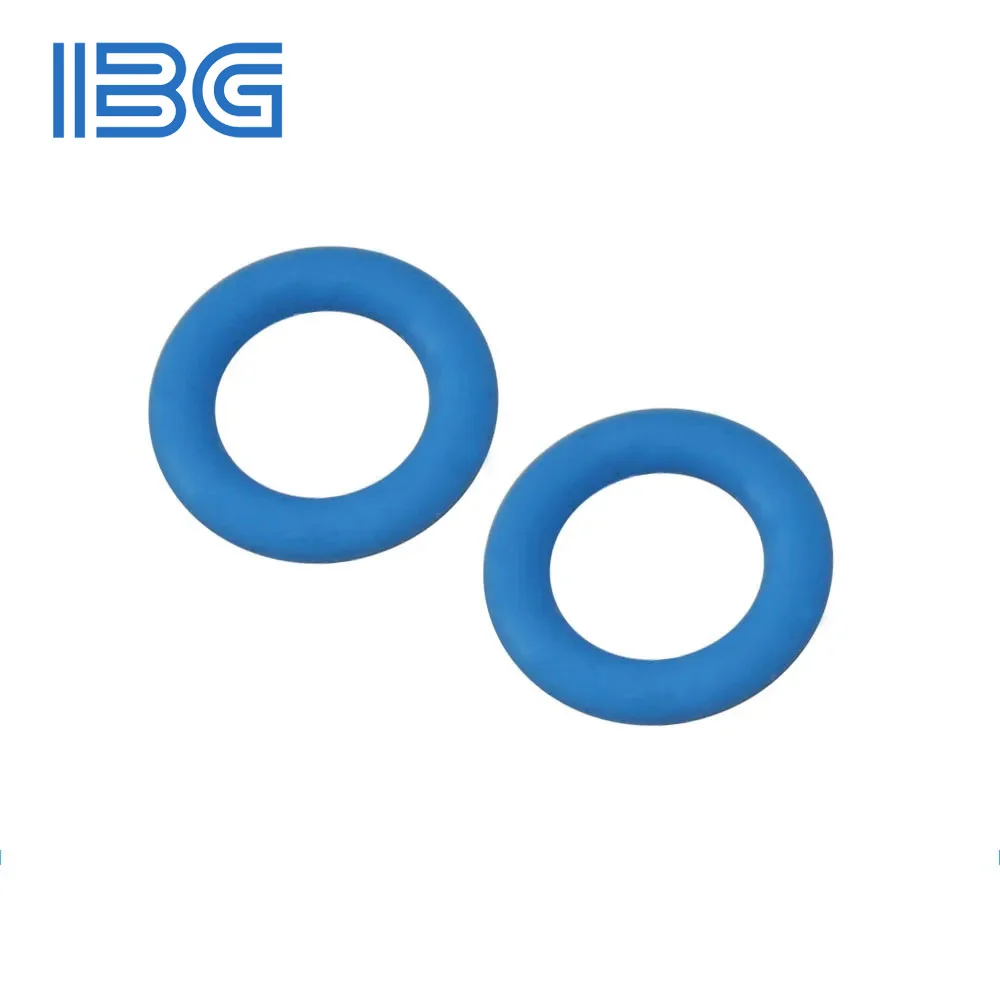
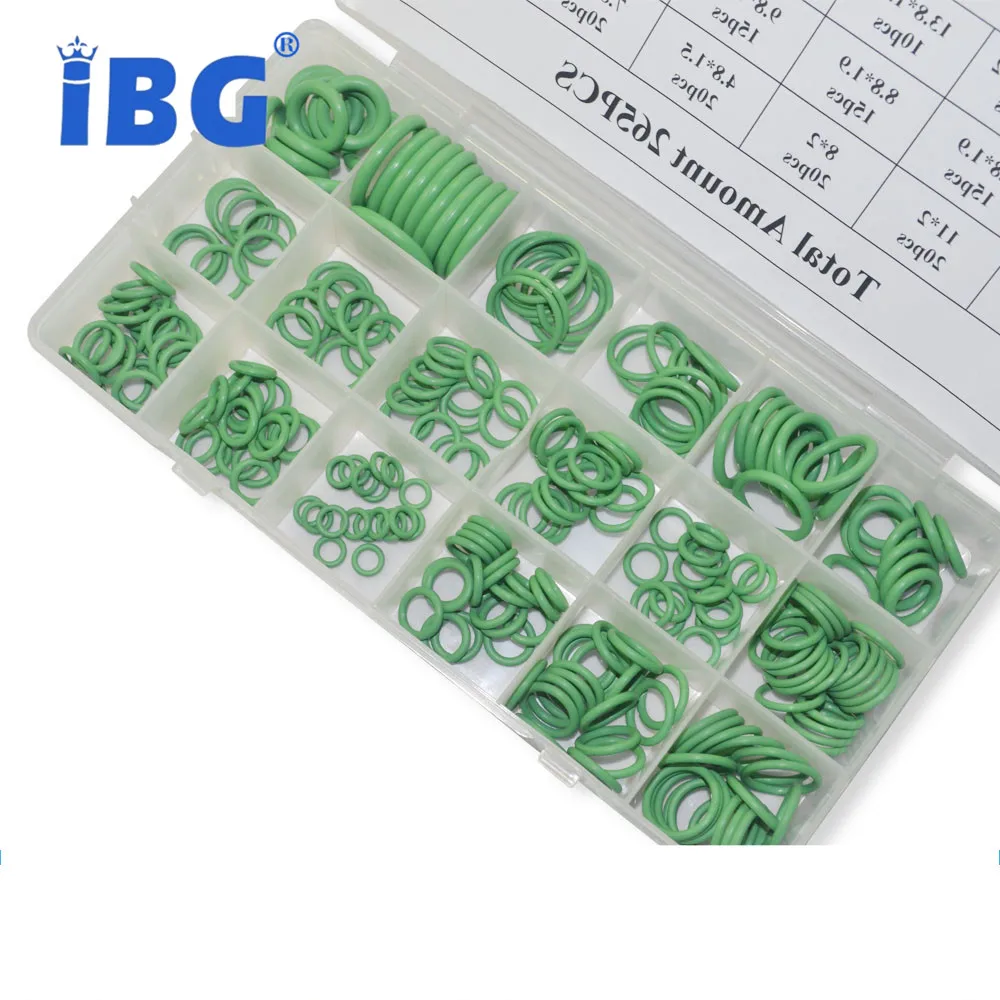
By the mid-2000s, the shift toward high-tech electronics and petrochemicals led to the adoption of fluoroelastomers. This era saw the introduction of FKM Gaskets to handle aggressive solvents and higher temperatures in industrial plants.

From 2015 to the present, the focus has shifted toward sustainability and extreme precision. The integration of CNC machining with rubber molding has allowed for the creation of complex Pipeline Rubber Plugs with tighter tolerances for smart-city piping systems.

Future Development Trends

Nano-Composite Materials

Integrating graphene and nano-fillers into rubber matrices to increase tensile strength and thermal conductivity for next-generation EV batteries.

Eco-Friendly Bio-Rubbers

Transitioning toward biodegradable and recyclable elastomers to align with South Korea's "Green New Deal" environmental policies.

Predictive Wear Monitoring

Developing "smart gaskets" embedded with sensors that signal the need for replacement before a failure occurs, reducing downtime in automated factories.

Industry Trends and Future Outlook

Strategic foresight for the rubber parts manufacturing sector in Korea.

Hydrogen Economy Transition
Increasing demand for specialized seals that prevent hydrogen permeation in fuel cell vehicles and storage.
Semi-Conductor Precision
Growth in Ultra-High Purity (UHP) sealing requirements to support the 3nm chip manufacturing process.
Automation & Industry 4.0
Adopting AI-driven quality control to eliminate defects in large-batch rubber component production.
Advanced Material Fusion
Combining rubber with PTFE or metal inserts for extreme pressure seals in chemical processing.

Industry Outlook

Based on Google search trends in East Asia, there is a surging interest in "High-Temperature Fluoroelastomers" and "Chemical Resistant Polymers," indicating a shift toward more specialized, low-volume, high-value products in South Korea.

We anticipate that the next five years will see a convergence of material science and digital twin technology, where the life cycle of a Pipeline Rubber Plug can be simulated and predicted with 99% accuracy.

Localized Application Scenarios in South Korea

Practical deployments of high-performance rubber components in Korean industry.

1. Semiconductor Cleanroom Piping

Using ultra-pure FKM Gaskets to seal chemical delivery lines, ensuring no particulate contamination enters the wafer fabrication process.

2. Ulsan Shipbuilding Marine Seals

Deployment of Corrosion Resistant Gaskets in ballast tank valves and seawater intake systems to prevent saline corrosion.

3. Seoul Metropolitan Water Infrastructure

Utilizing high-durability EPDM Gaskets for municipal water pipes to ensure leak-proof joints under varying urban ground pressures.

4. Automotive Battery Housing

Implementation of customized Dustproof Rubber Plugs to seal electrical connectors in EV battery packs, preventing moisture ingress.

5. Industrial Chemical Plant Maintenance

Using heavy-duty Pipeline Rubber Plugs for temporary isolation during the maintenance of petrochemical pipelines in Yeosu.

Brand Story

Global Development Journey of Shijiazhuang Beike Sealing Technology Co., Ltd.

Foundational Excellence

Established with a focus on precision rubber molding, solving the initial industry pain point of inconsistent seal dimensions.

Material Innovation

Expanded R&D into fluoroelastomers and EPDM, allowing us to serve high-temperature and high-corrosion industrial environments.

Global Quality Certification

Achieved international ISO standards, enabling the export of high-performance seals to demanding markets like South Korea and Germany.

Strategic Diversification

Developed a comprehensive portfolio including specialized plugs and custom-engineered gaskets for the aerospace and medical sectors.

Future-Ready Sealing

Currently integrating sustainable materials to lead the transition toward a carbon-neutral manufacturing future.

Frequently Asked Questions for South Korean Clients

Technical insights and procurement guidance for rubber components.

How do I choose between FKM and EPDM gaskets for chemical plants?

Choose FKM if you are dealing with high temperatures and hydrocarbons. Select EPDM if the environment involves steam, hot water, or ozone exposure.

Are your corrosion resistant gaskets suitable for seawater applications?

Yes, our specialized compounds are engineered to resist salt-spray and chloride-induced degradation, making them ideal for South Korean shipyards.

What is the maximum pressure rating for your pipeline rubber plugs?

Pressure ratings vary by material and diameter; however, our reinforced industrial plugs can typically handle high-pressure differentials for temporary isolation.

Can dustproof rubber plugs be customized for specific electronic enclosures?

Absolutely. We provide custom molding based on 3D CAD files to ensure a perfect airtight fit for various port sizes and shapes.

What is the lead time for custom rubber parts shipping to South Korea?

Standard orders typically ship within 7-14 days, while custom molds may take 3-4 weeks depending on the complexity of the design.

Do you provide material certifications (TDS/MSDS) for your gaskets?

Yes, every batch comes with comprehensive technical data sheets and material safety data sheets to meet South Korean regulatory requirements.

Get Expert Sealing Advice Today

Our engineering team is ready to support your manufacturing needs across South Korea with high-precision rubber components.

Contact Us Now

If you are interested in our products, you can choose to leave your information here, and we will be in touch with you shortly.