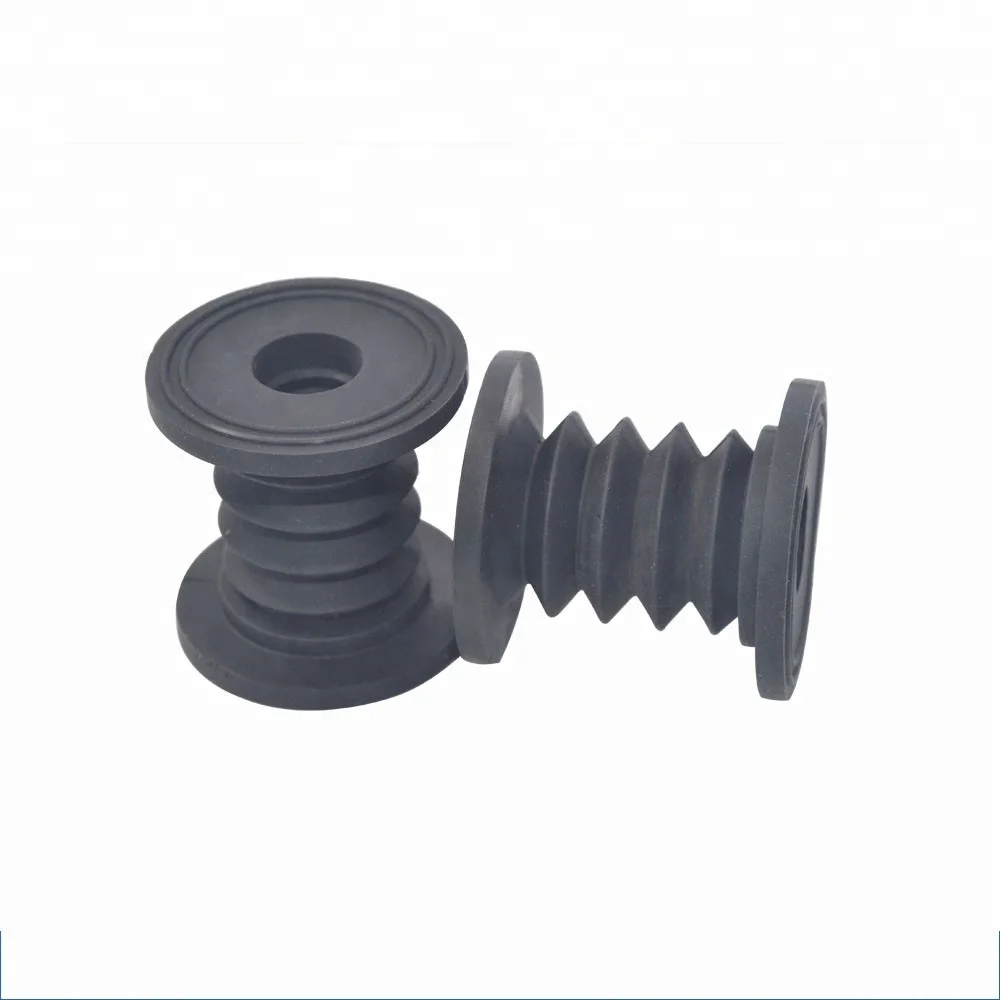
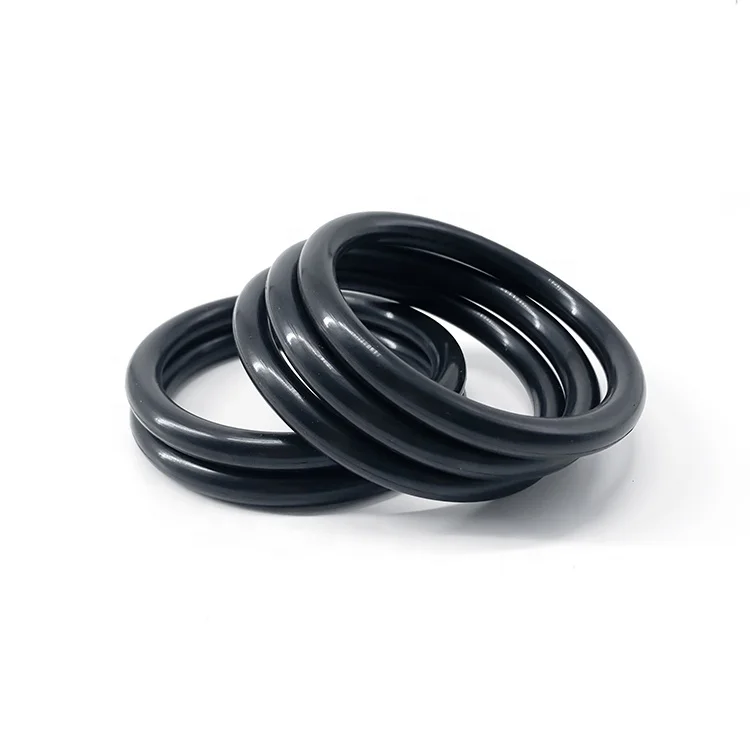
Industrial Sealing Solutions for Qatar HighPerformance FKM Gaskets

Industrial Sealing Solutions for Qatar: High-Performance FKM Gaskets

Engineering precision-grade rubber components to withstand extreme heat and chemical corrosion in Qatar's demanding oil, gas, and infrastructure sectors.

Industrial Sealing Solutions for Qatar: High-Performance FKM Gaskets

Our specialized range of rubber parts ensures zero-leakage performance for Qatar's critical energy infrastructure, utilizing advanced polymers designed for high-temperature stability and chemical inertness.

The Operational Reality of Rubber Sealing in Qatar

Challenges of thermal expansion and saltwater corrosion in the Gulf region.

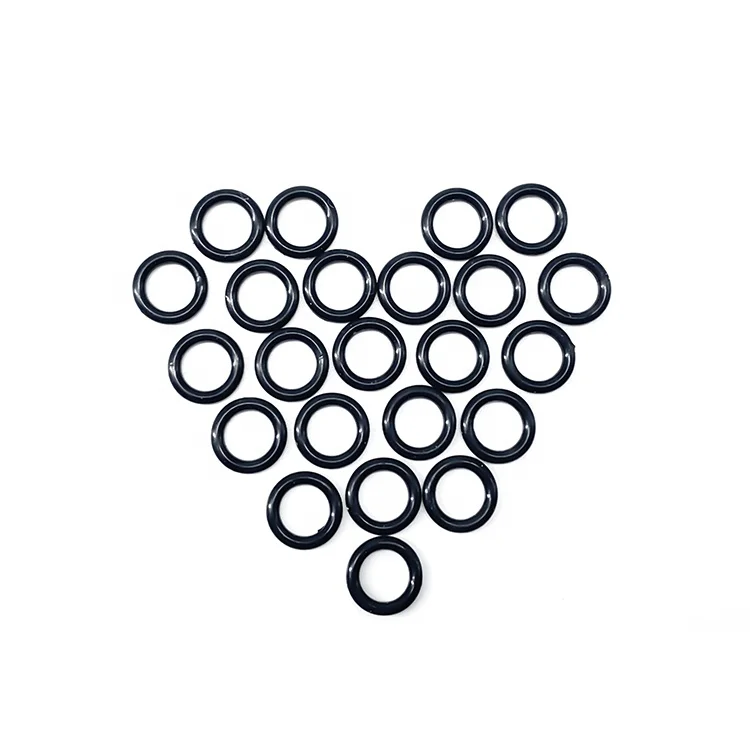
In Qatar, the rubber parts manufacturing sector faces extreme environmental stressors. The combination of ambient temperatures exceeding 50°C and high humidity levels accelerates the degradation of standard elastomers, making Corrosion Resistant Gaskets a mandatory requirement rather than an option for industrial stability.

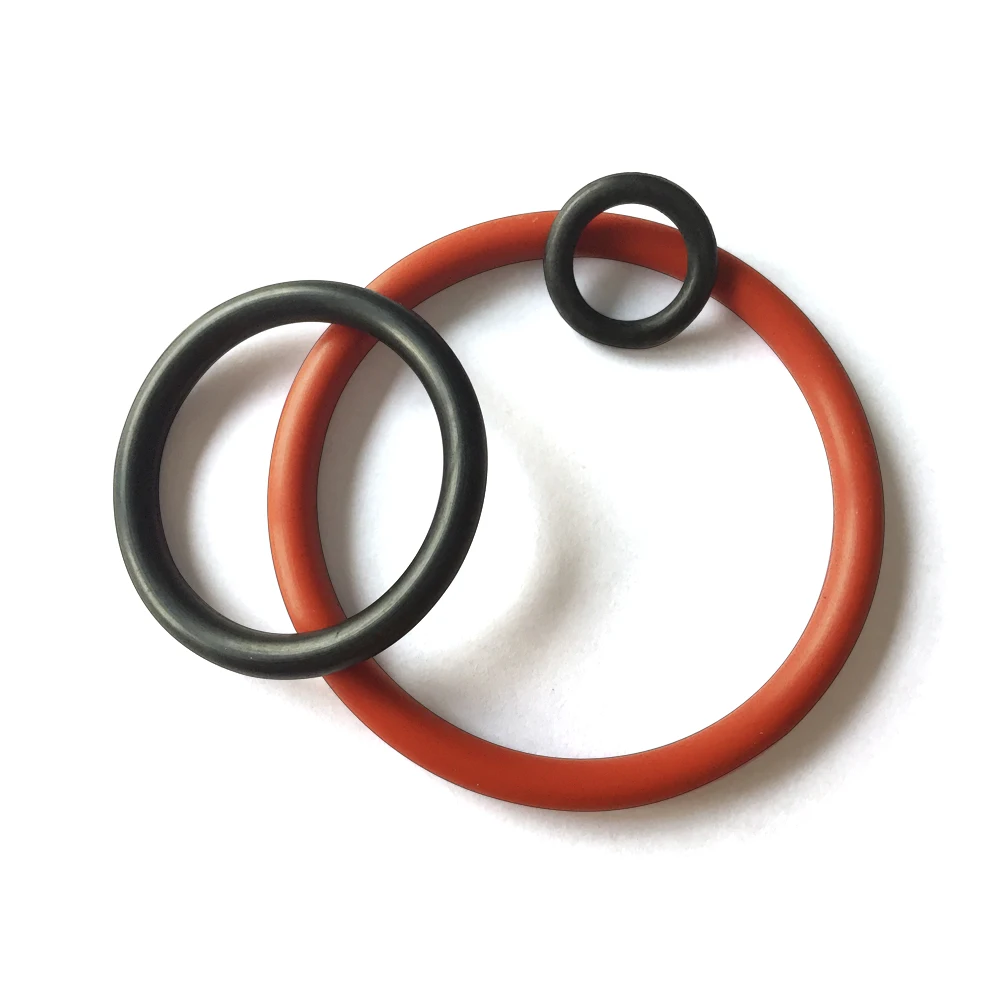
The prevalence of saltwater spray from the Arabian Gulf introduces severe chloride-induced corrosion. This necessitates the use of high-grade EPDM Gaskets, which provide superior resistance to ozone and weathering, preventing premature cracking in outdoor pipeline installations.

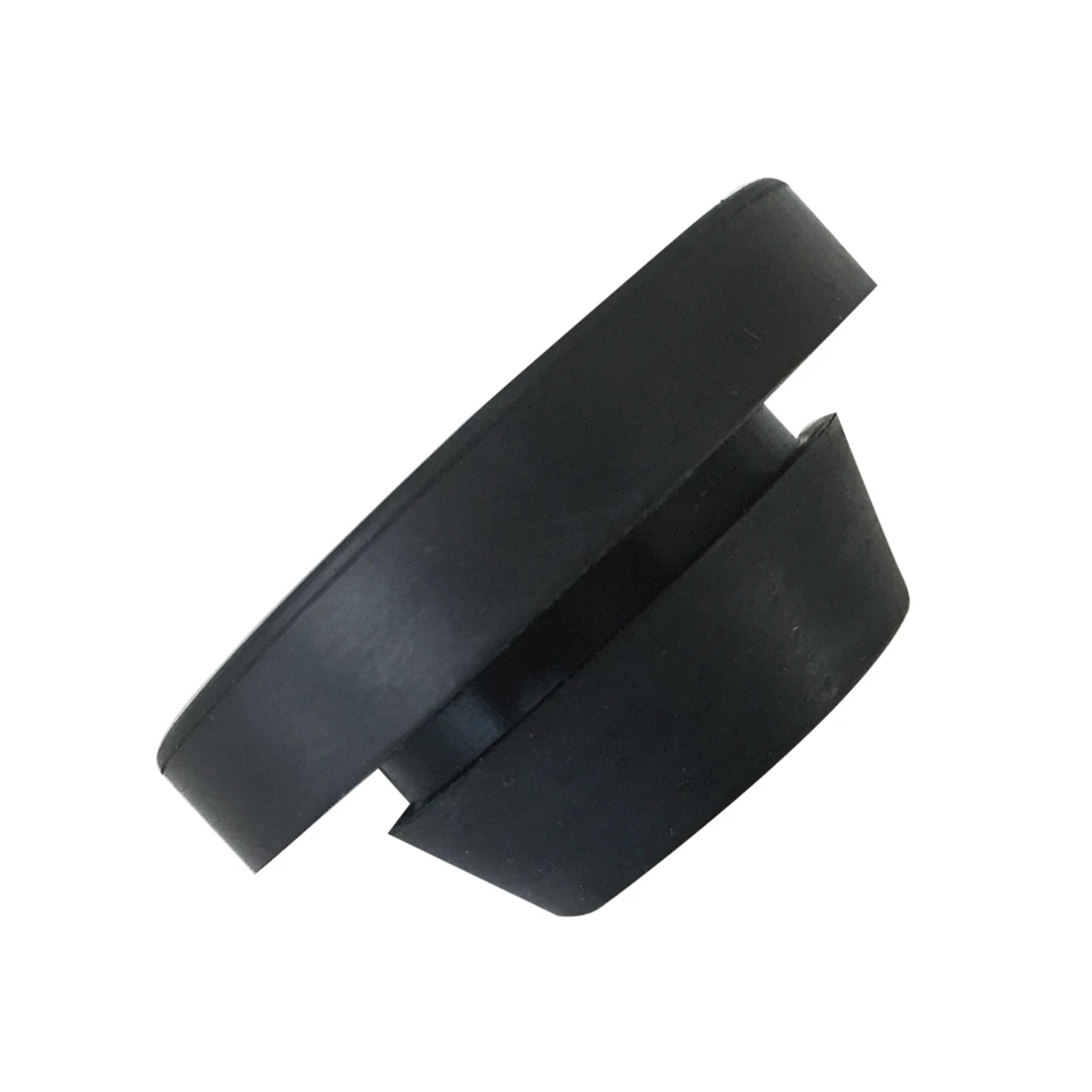
Furthermore, the dominance of the LNG and petrochemical industries in Ras Laffan and Mesaieed demands seals that can handle aggressive hydrocarbons. This has led to a surge in demand for specialized components like Pipeline Rubber Plugs to ensure safe maintenance and temporary sealing during plant shutdowns.
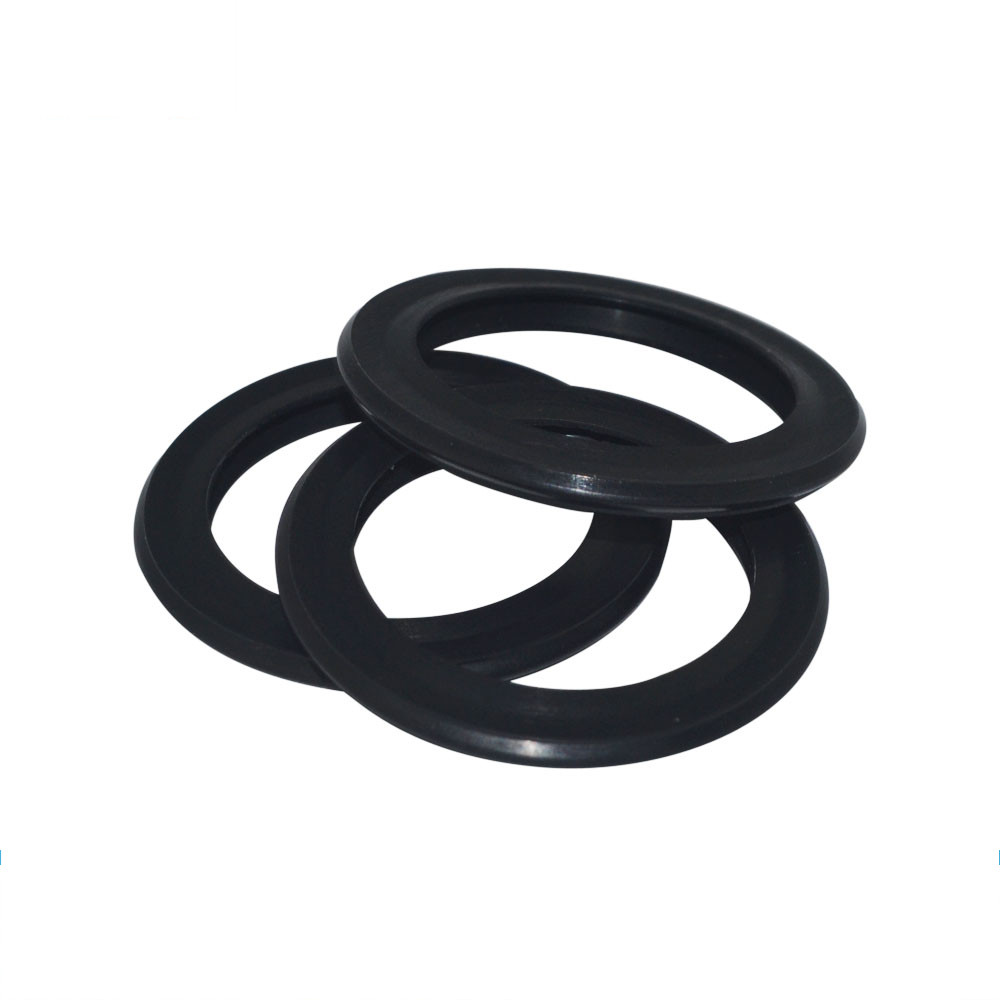
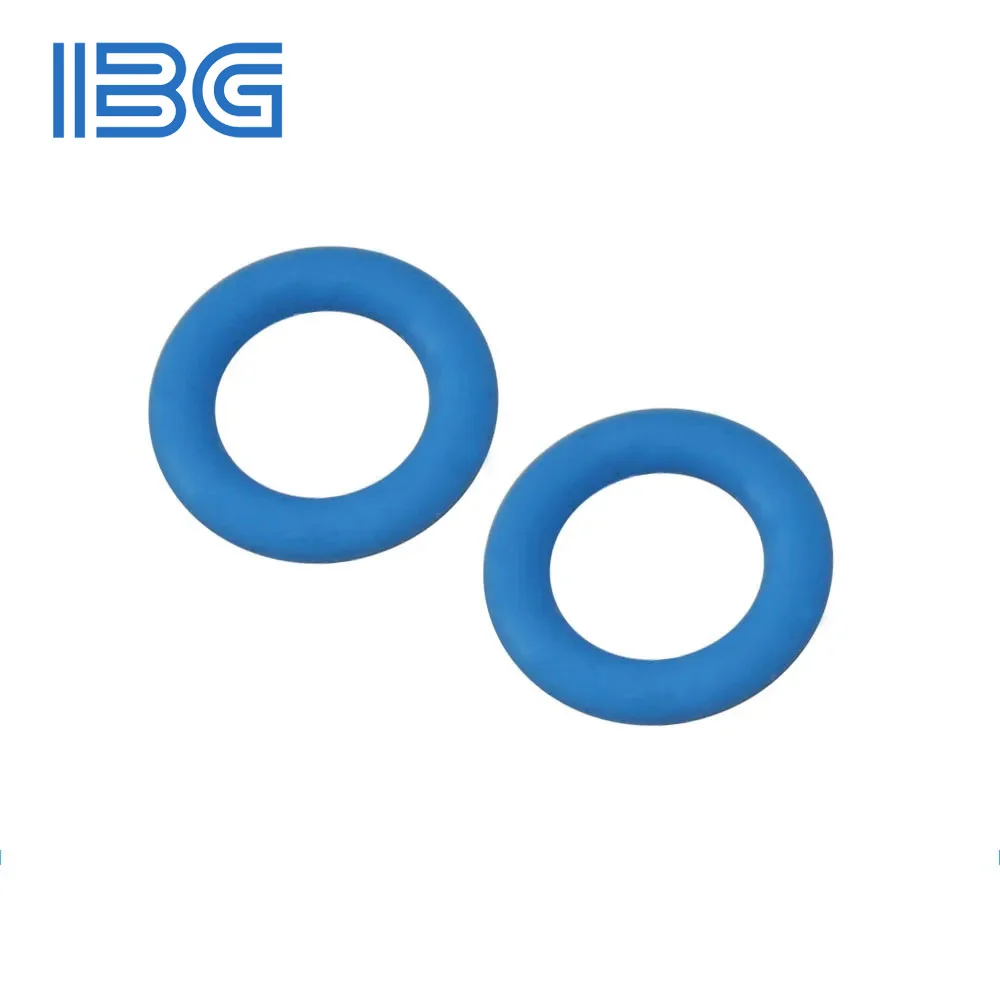
Evolution of Rubber Component Engineering

From basic compression seals to advanced fluoroelastomer technology.

Market Development History

During the early development of Qatar's oil fields (1940s-1980s), the industry relied heavily on natural rubber and basic nitrile seals. These materials often failed under the intense heat of the desert, leading to frequent unplanned outages and leakage risks.

Between 1990 and 2010, the transition toward synthetic polymers began. The introduction of EPDM and early Viton variants allowed for better thermal stability, though chemical resistance remained a challenge for the increasingly complex refining processes.

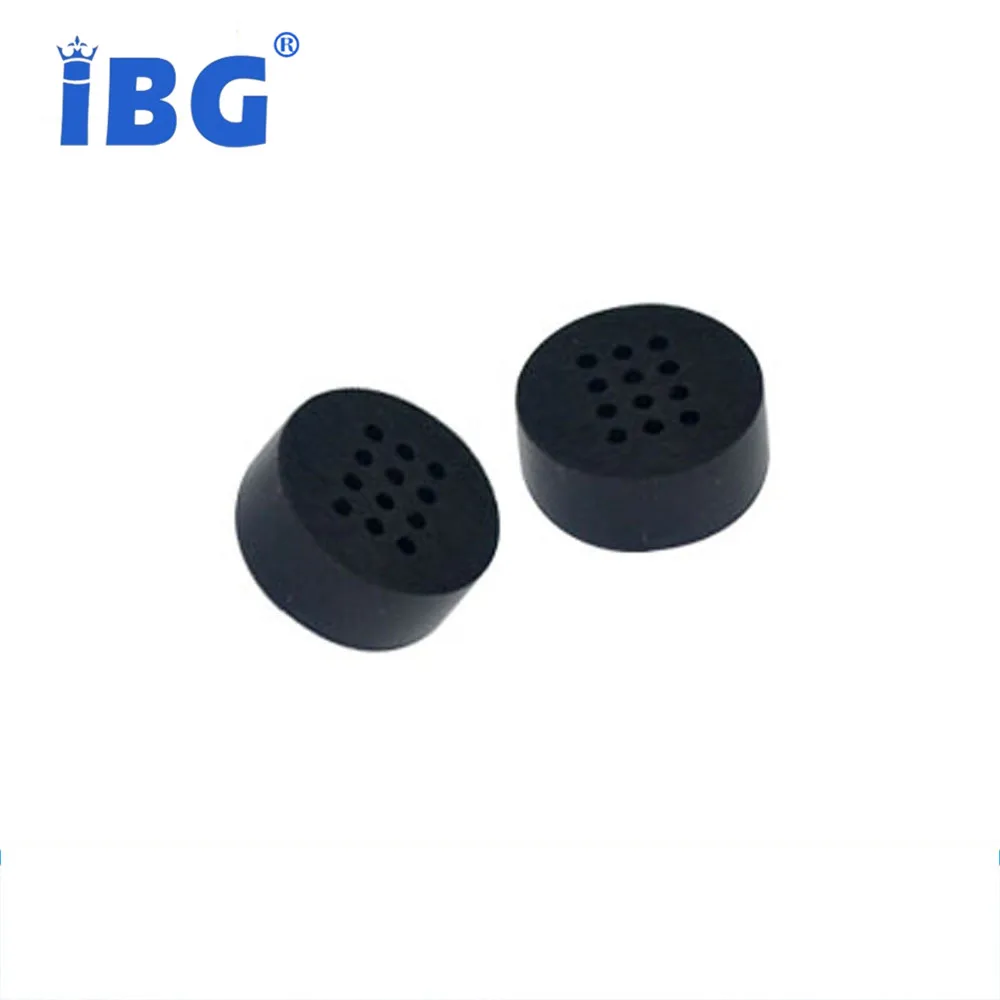
From 2010 to the present, the market has shifted toward "extreme-environment" engineering. The adoption of high-fluorine content materials and precision molding has enabled the creation of Dustproof Rubber Plugs that protect sensitive electronics from the fine silica dust characteristic of Qatari sandstorms.

Future Development Trends

Nano-Composite Integration

Integration of graphene and carbon nanotubes into rubber matrices to increase thermal conductivity and mechanical strength for high-pressure gas lines.

Bio-Based High-Performance Elastomers

Developing sustainable, eco-friendly elastomers that match the chemical resistance of FKM to align with Qatar National Vision 2030 sustainability goals.

Smart Sealing Technology

Embedded sensors within gaskets to provide real-time leak detection and degradation alerts via IoT networks.

Strategic Outlook for Rubber Parts Manufacturing

Projecting the next 5 years of material science and demand in Qatar.

Thermal Resistance Peak
Increasing demand for materials that maintain elasticity at 200°C+ for high-temperature steam systems.
Chemical Inertness
Shift towards Perfluoroelastomers (FFKM) for extreme acid/base resistance in refineries.
Precision Automation
Transition from manual molding to AI-driven precision injection for zero-defect sealing.
Eco-Material Shift
Implementing recyclable thermoset rubbers to reduce industrial waste in the region.

Industry Outlook

Based on search trend analysis, there is a growing query volume regarding "high-temperature sealing" and "chemical compatibility" in the Gulf region. This indicates a market shift toward highly specialized rubber parts that can reduce downtime in LNG plants.

We expect the demand for FKM Gaskets and specialized fluorinated polymers to grow by 15% annually as Qatar expands its North Field gas production capabilities.

Local Application Scenarios in Qatar

Real-world deployment of high-performance rubber parts across diverse Qatari industries.

1. LNG Plant Gas Processing

Using FKM Gaskets in cryogenic and high-heat exchangers to prevent hazardous gas leaks in Ras Laffan facilities.

2. Desalination Plant Piping

Implementation of EPDM Gaskets in reverse osmosis plants to resist saltwater corrosion and maintain vacuum seal integrity.

3. Oil Field Pipeline Maintenance

Utilizing heavy-duty Pipeline Rubber Plugs for isolating sections of crude oil transport lines during emergency repairs.

4. Electrical Panel Protection

Applying Dustproof Rubber Plugs to outdoor power distribution boxes to prevent fine desert sand from causing short circuits.

5. Chemical Storage Tank Sealing

Installing Corrosion Resistant Gaskets in industrial chemical storage tanks to ensure containment of aggressive solvents and acids.

Brand Story

Global Development Journey of Shijiazhuang Beike Sealing Technology Co., Ltd.

Foundation and Specialization

Established as a specialist in rubber engineering, Beike focused on solving the core problem of seal failure in high-pressure environments.

Material Innovation Phase

Developed proprietary compounding formulas for FKM and EPDM to exceed international ASTM and ISO standards for chemical resistance.

Global Market Expansion

Expanded operations to the Middle East, specifically targeting the unique climatic challenges of the Qatar and UAE energy markets.

Advanced Manufacturing Upgrade

Invested in automated precision molding technology to reduce tolerances and increase the lifespan of industrial gaskets.

Commitment to Zero-Leakage

Today, our mission is to eliminate industrial leakage globally through the application of cutting-edge elastomer science.

Common Questions on Rubber Parts in Qatar

Expert answers regarding material selection and durability in the Gulf climate.

How to choose between FKM Gaskets and EPDM for outdoor Qatar use?

For applications involving oils, fuels, and extreme heat (above 150°C), FKM Gaskets are superior. For outdoor weather exposure, ozone resistance, and water-based systems, EPDM is the recommended choice.

What makes Corrosion Resistant Gaskets essential for desalination plants?

Desalination processes involve high concentrations of brine and chlorine. Corrosion Resistant Gaskets prevent material degradation and leakage that could lead to system contamination or failure.

Are Pipeline Rubber Plugs reusable for temporary oil line isolation?

Depending on the material grade and the chemicals encountered, many of our high-durability plugs are reusable. However, we recommend inspection for deformation after each use in high-pressure oil lines.

How do Dustproof Rubber Plugs protect electronics from Qatari sandstorms?

They create an airtight, compressive seal over ports and openings, preventing micron-sized silica dust from penetrating internal circuitry and causing overheating or electrical shorts.

What is the expected lifespan of rubber seals in extreme 50°C+ heat?

Standard rubbers may fail in months, but high-grade fluorinated elastomers (FKM) can last several years if correctly specified for the specific chemical environment and temperature range.

Can you customize the hardness of rubber parts for specific pressure ratings?

Yes, we provide various Shore A hardness levels to ensure the seal provides enough compression without causing mechanical damage to the flange or housing.

Secure Your Infrastructure with Expert Sealing

Contact our engineering team for customized rubber component solutions tailored for the industrial landscape of Qatar.

Contact Us Now

If you are interested in our products, you can choose to leave your information here, and we will be in touch with you shortly.