
Industrial Sealing Solutions for Libya HighPerformance FKM Gaskets

Industrial Sealing Solutions for Libya: High-Performance FKM Gaskets

Providing mission-critical rubber components engineered for the extreme thermal and chemical demands of the Libyan oil, gas, and infrastructure sectors.

Industrial Sealing Solutions for Libya: High-Performance FKM Gaskets

Our specialized range of rubber parts is designed to withstand the harsh desert climate and aggressive chemical environments found in Libya's industrial hubs.

Sealing Challenges in the Libyan Industrial Landscape

Analyzing the impact of extreme heat and salinity on rubber components

Libya's industrial sector, dominated by petroleum and petrochemicals, operates under some of the most grueling conditions globally. The combination of intense UV radiation, ambient temperatures exceeding 45°C, and highly saline coastal air creates a corrosive atmosphere that rapidly degrades standard rubber materials, necessitating the use of Corrosion Resistant Gaskets.

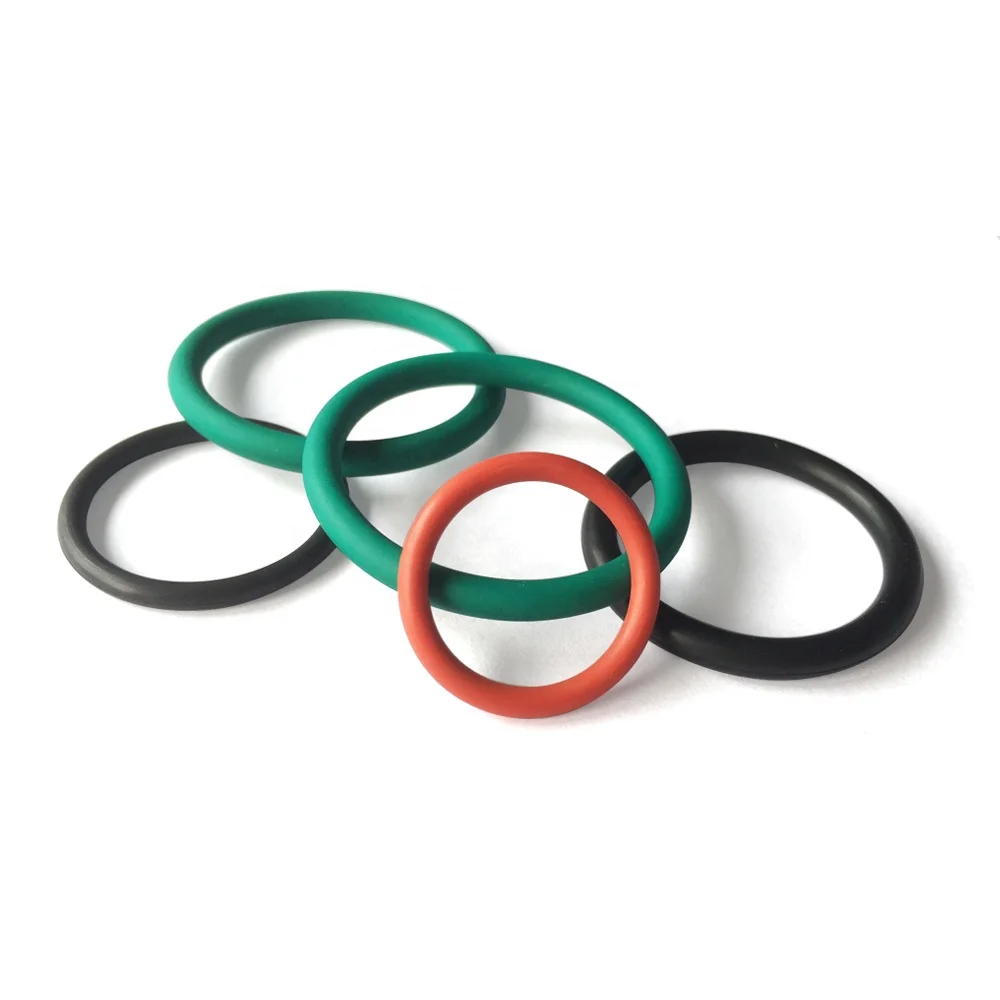
In the Great Man-Made River project and various municipal water works, the need for durable sealing is paramount. The shift towards EPDM Gaskets has become critical due to their superior weather resistance and ability to handle fluctuating thermal cycles without losing elasticity.

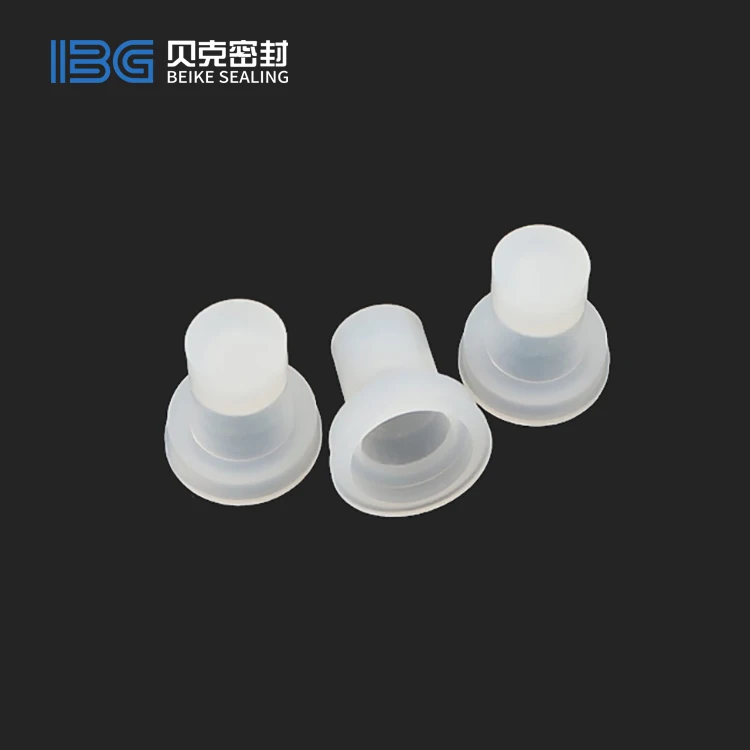
Furthermore, the prevalence of sand ingress in mechanical systems has led to a surge in demand for precision-engineered Dustproof Rubber Plugs, which protect sensitive valve internals and electronic interfaces from the pervasive Saharan dust.
Evolution of Rubber Component Technology in Libya

From generic elastomers to application-specific high-performance polymers

Market Development History

During the early stages of Libya's industrialization (1960s-1980s), the market relied heavily on general-purpose nitrile and natural rubber seals. These often failed prematurely due to the aggressive chemical composition of crude oil and the extreme desert heat.

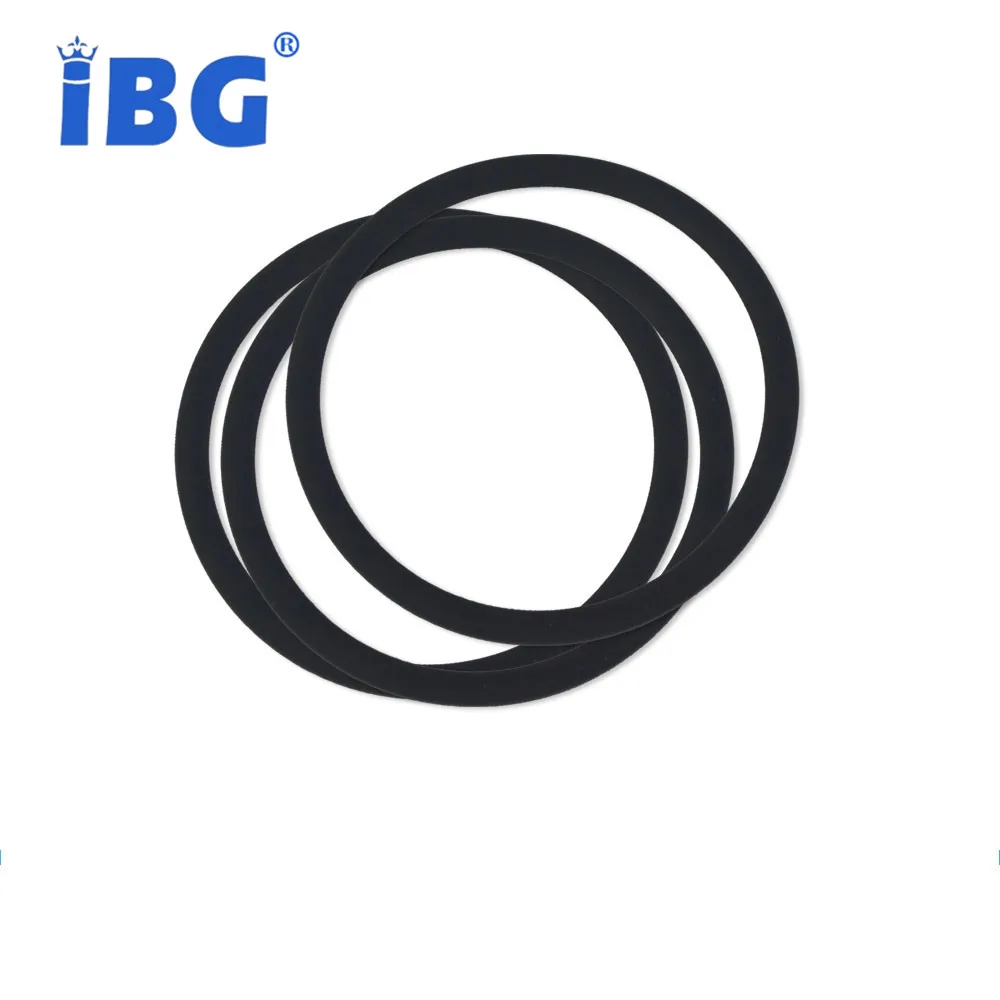
By the 2000s, there was a technical pivot toward specialized fluoroelastomers. The introduction of FKM Gaskets allowed the oil and gas sector to reduce downtime significantly by offering resistance to high-temperature hydrocarbons.

Currently, the industry is integrating advanced composite rubbers and precision molding, where Pipeline Rubber Plugs have evolved from simple stoppers to high-pressure rated engineering components used in complex pipeline maintenance.

Future Development Trends

Integration of Nano-Fillers

The next 3 years will see the adoption of nano-carbon additives to enhance the mechanical strength and thermal conductivity of gaskets used in Libyan refineries.

Smart Sealing Monitoring

Following global search trends for "Industrial IoT Sealing," we expect a shift toward gaskets with embedded wear-sensors to predict failure before leakage occurs.

Bio-Compatible Elastomers

With growing environmental regulations in North Africa, there is a move toward sustainable, low-emission rubber production processes that maintain high performance.

Industry Outlook and Future Projections

Strategic technical trajectories for the rubber parts industry in Libya

Extreme Thermal Stability
Developing polymers that maintain structural integrity at constant temperatures above 150°C for desert refinery use.
Chemical Resistance Optimization
Customizing FKM and EPDM blends to resist specific Libyan crude oil sulfur concentrations.
Precision Dust Sealing
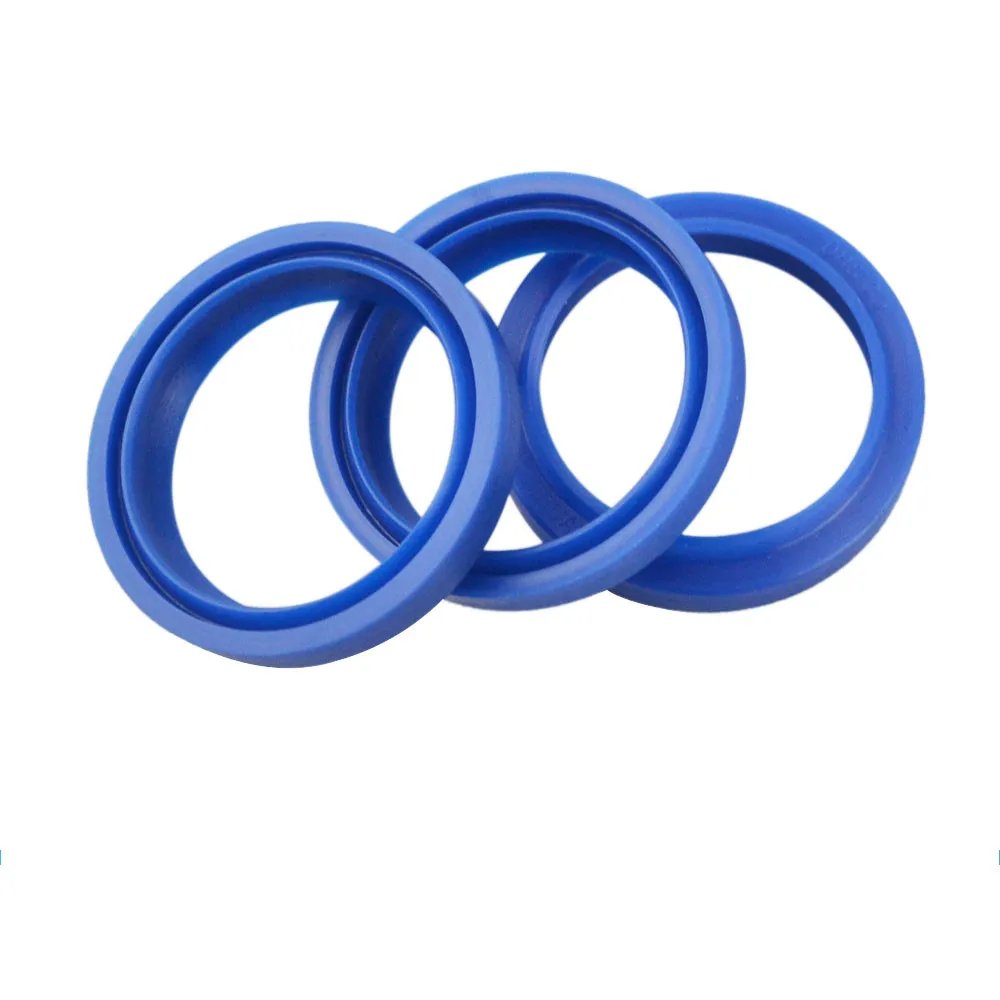
Implementing advanced lip-seal geometries in rubber plugs to prevent micro-particle ingress.
Rapid Deployment Logistics
Localized warehousing and rapid-response kits for urgent pipeline repair in remote Libyan regions.

Industry Outlook

The future of rubber parts in Libya is inextricably linked to the modernization of its energy infrastructure. As the country seeks to increase output and efficiency, the demand for "Zero-Leakage" technology will drive the adoption of higher-grade elastomers.

Data indicates a growing trend toward standardized, interchangeable components that reduce the reliance on custom fabrication, favoring manufacturers who can provide certified, internationally compliant rubber parts with guaranteed lifespans in arid climates.

Localized Application Scenarios in Libya

Real-world deployment of rubber components across key Libyan sectors

1. Oil Refinery Heat Exchangers

Utilizing FKM Gaskets in high-temperature refinery units to ensure leak-proof performance when exposed to aromatic hydrocarbons and extreme heat.

2. Desalination Plant Pipelines

Deploying Corrosion Resistant Gaskets in coastal desalination facilities to prevent saltwater corrosion and ensure structural integrity of brine lines.

3. Great Man-Made River Maintenance

Using industrial-grade Pipeline Rubber Plugs for sectional isolation during the critical maintenance of Libya's massive water transport network.

4. Desert Power Generation Units

Installing EPDM Gaskets in cooling systems of power plants to withstand the combination of UV exposure and thermal cycling.

5. Heavy Machinery Protection

Applying customized Dustproof Rubber Plugs on electrical junction boxes and hydraulic ports of construction equipment working in the Sahara.

Brand Story

Global Development History of Shijiazhuang Beike Sealing Technology Co., Ltd.

Foundational Excellence

Established as a specialist in rubber chemistry, Beike Sealing began by solving the most basic sealing failures in domestic industrial plants.

Material Innovation

We invested heavily in R&D to develop high-performance FKM and EPDM compounds, breaking the dependency on expensive imported materials.

Global Expansion

Recognizing the needs of the MENA region, we optimized our production for extreme environments, expanding our reach into North African markets.

Quality Certification

Achieving international ISO and API standards, ensuring our rubber parts meet the rigorous safety requirements of the global oil and gas industry.

Mission for the Future

Our mission is to eliminate industrial downtime by providing the most durable, application-specific sealing solutions for the world's harshest climates.

Common Technical Inquiries for Libya Sealing Solutions

Expert answers to the most frequent industrial sealing questions

Which material is best for high-temperature oil seals in Libya?

For high-temperature hydrocarbon environments, FKM Gaskets are the superior choice due to their exceptional thermal stability and chemical resistance.

How do EPDM Gaskets perform in coastal Libyan areas?

EPDM Gaskets offer excellent resistance to ozone and saltwater, making them ideal for coastal infrastructure and water treatment plants.

What is the lifespan of Corrosion Resistant Gaskets in saline environments?

Lifespan varies by grade, but our Corrosion Resistant Gaskets are engineered to last 3-5 times longer than standard nitrile seals in high-salinity conditions.

Can Pipeline Rubber Plugs withstand high-pressure isolation?

Yes, our Pipeline Rubber Plugs are reinforced with high-tensile cores to ensure safe isolation under varying pressure levels.

How do Dustproof Rubber Plugs prevent Saharan sand ingress?

Our Dustproof Rubber Plugs utilize a tight-tolerance interference fit and UV-stabilized rubber to create an airtight seal against fine dust.

Are your rubber parts compliant with international oil and gas standards?

Absolutely. All our components undergo rigorous testing to meet ISO and API specifications, ensuring they are safe for the most critical Libyan energy projects.

Secure Your Infrastructure Today

Get expert technical consultation for high-performance rubber components tailored for Libya.

Contact Us Now

If you are interested in our products, you can choose to leave your information here, and we will be in touch with you shortly.