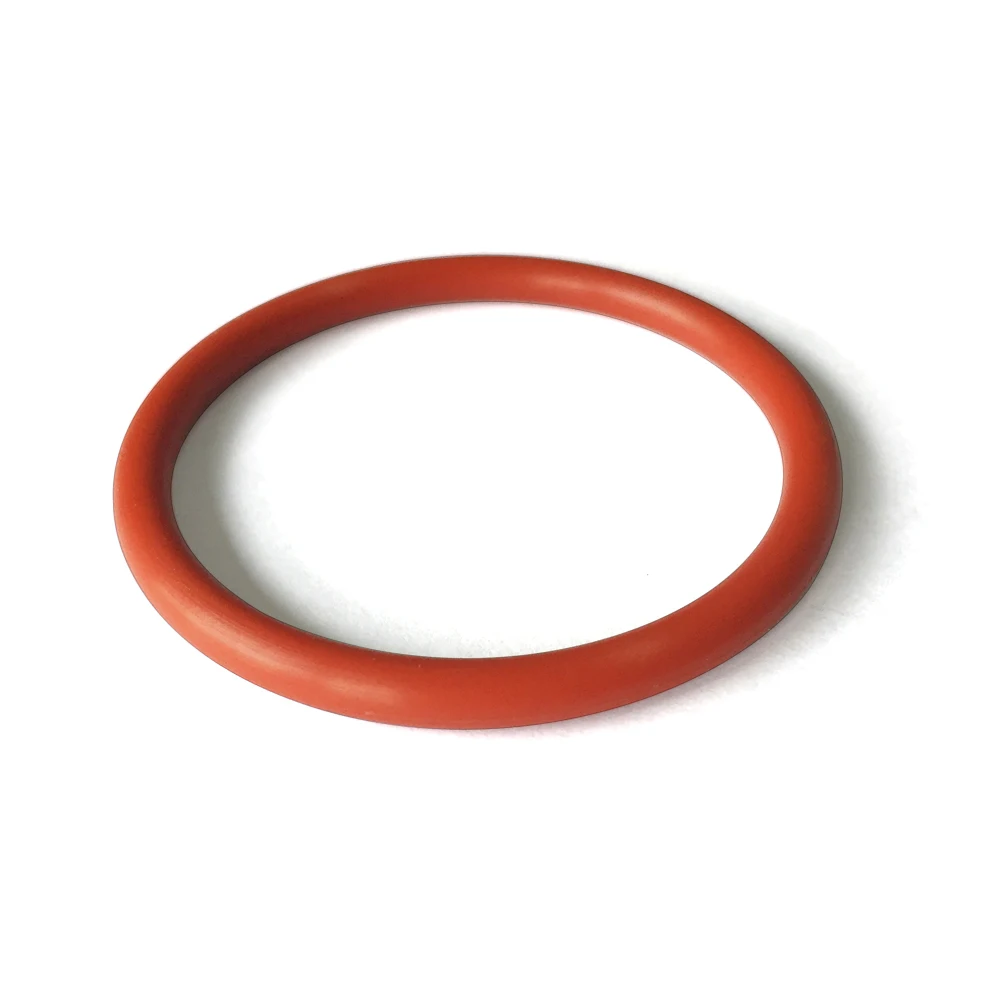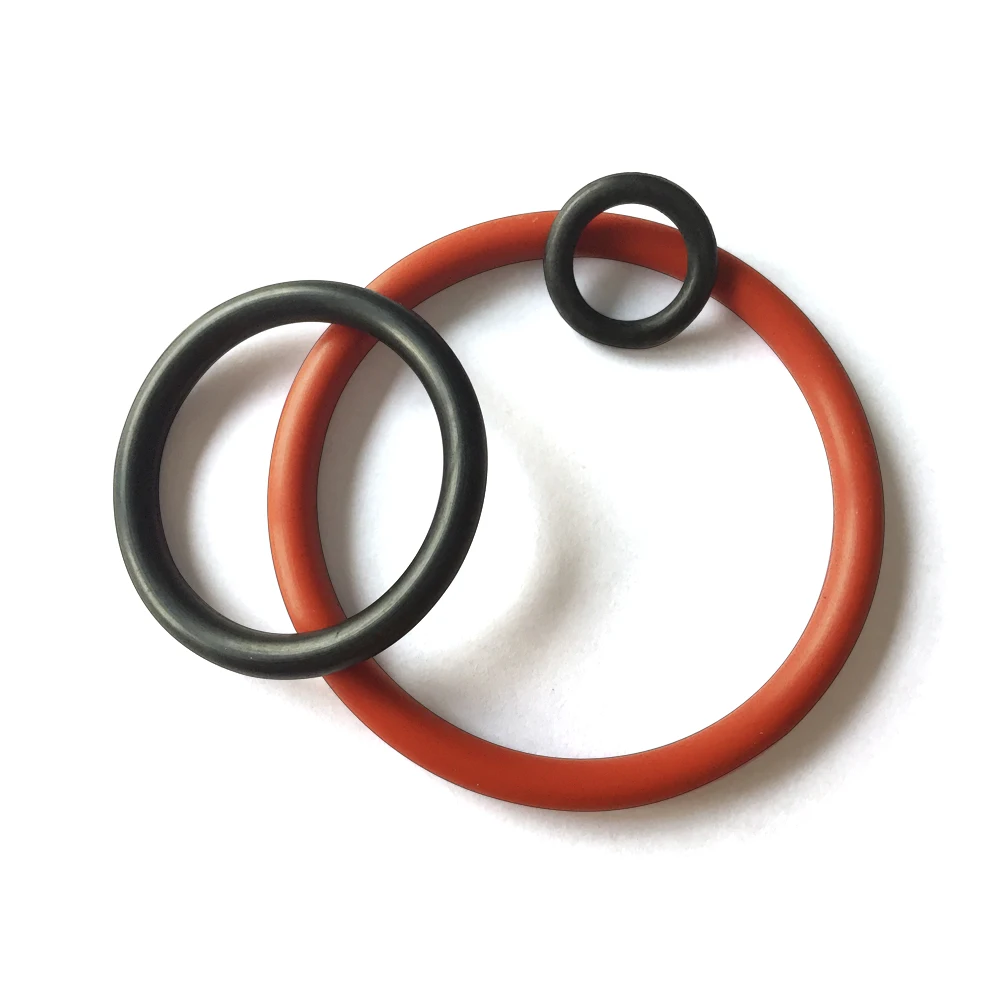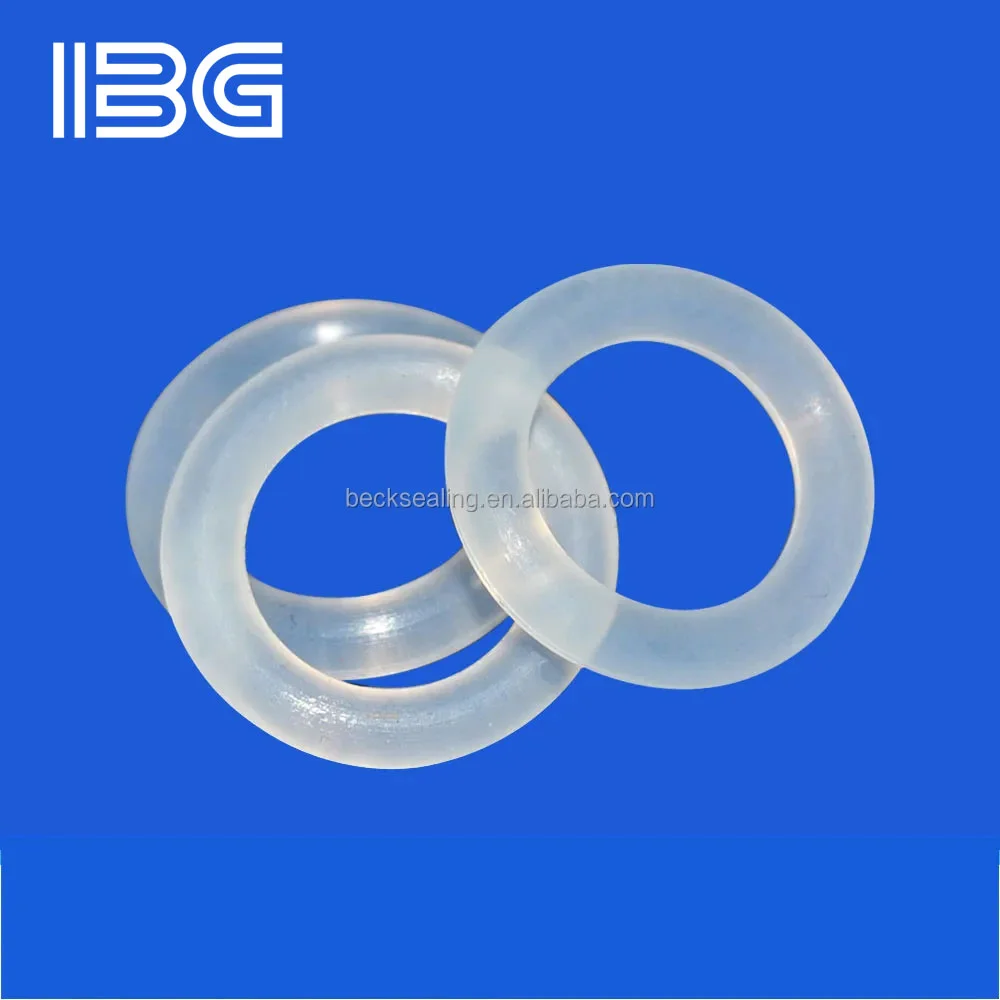
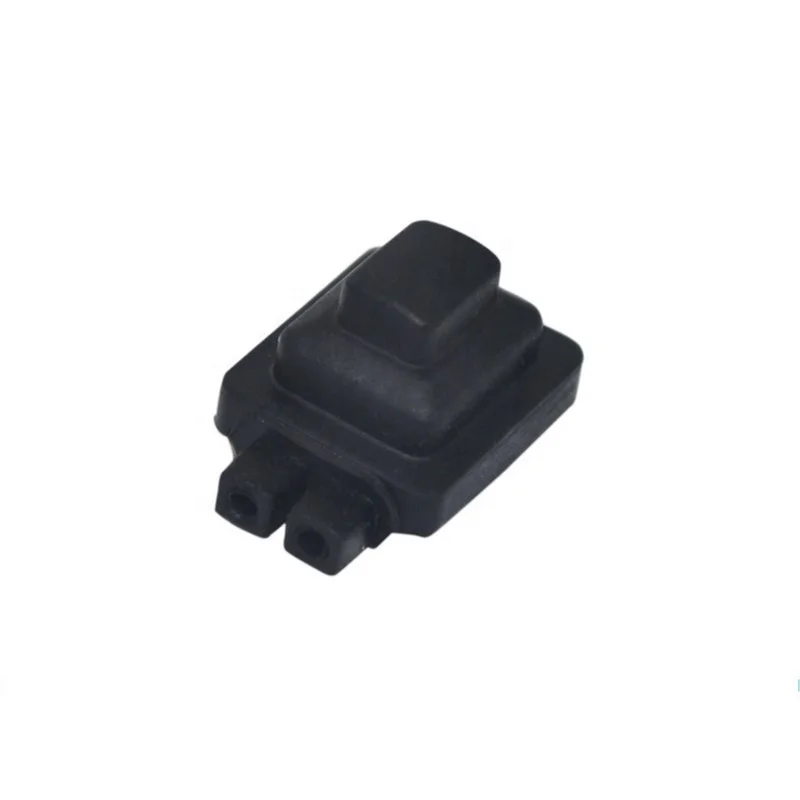
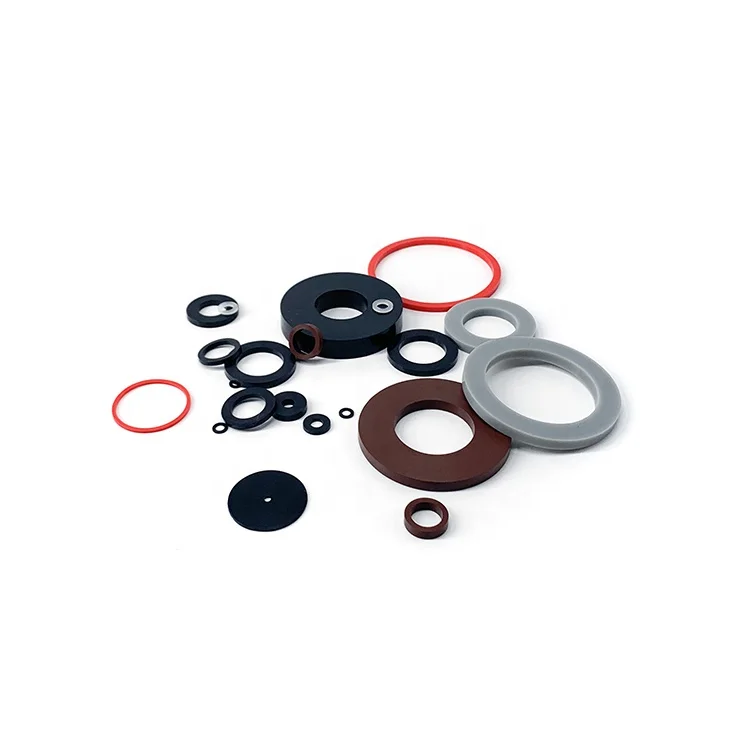
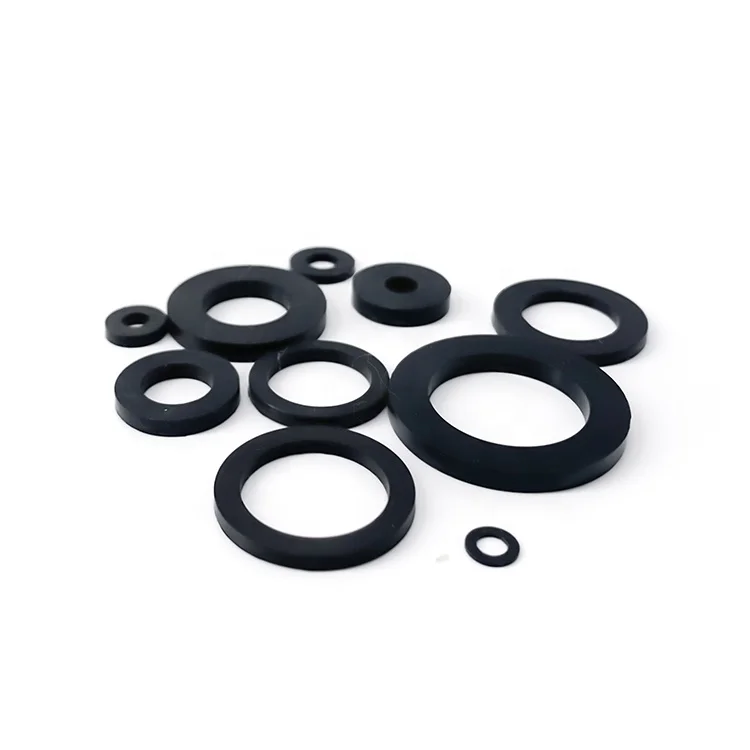
Advanced Sealing Solutions for Nigeria HighPerformance FKM Gaskets

Advanced Sealing Solutions for Nigeria: High-Performance FKM Gaskets

Engineering precision rubber components to withstand the extreme corrosive environments of the Nigerian oil, gas, and industrial sectors.

Advanced Sealing Solutions for Nigeria: High-Performance FKM Gaskets

Providing Nigeria's heavy industry with cutting-edge rubber technology, specializing in high-temperature resistance and chemical stability for critical infrastructure.

The Current State of Rubber Sealing in Nigeria

Addressing the challenges of extreme humidity and chemical exposure in West Africa.

In Nigeria, the manufacturing and extraction industries face severe operational hurdles due to the tropical climate. High humidity and saline air in coastal regions like Lagos and Port Harcourt accelerate the degradation of standard rubber parts, necessitating the use of Corrosion Resistant Gaskets to prevent systemic leaks.

The oil and gas sector, a cornerstone of the Nigerian economy, requires materials that can handle aggressive hydrocarbons and fluctuating temperatures. Many legacy systems still rely on outdated polymers, leading to frequent downtime. There is a growing shift toward EPDM Gaskets for weather-proofing and water-handling infrastructure.

Furthermore, the lack of localized high-precision rubber molding has historically forced Nigerian firms to import low-grade alternatives. This has created a critical demand for standardized Pipeline Rubber Plugs that meet international API and ISO standards to ensure pipeline integrity during maintenance.
Evolution of Rubber Components in Nigeria

From generic rubber seals to high-spec engineered elastomers.

Market Development History

Between 1990 and 2005, the Nigerian market was dominated by general-purpose natural rubber seals. These components lacked the chemical resistance required for industrial scaling, often failing prematurely in acidic or alkaline environments.

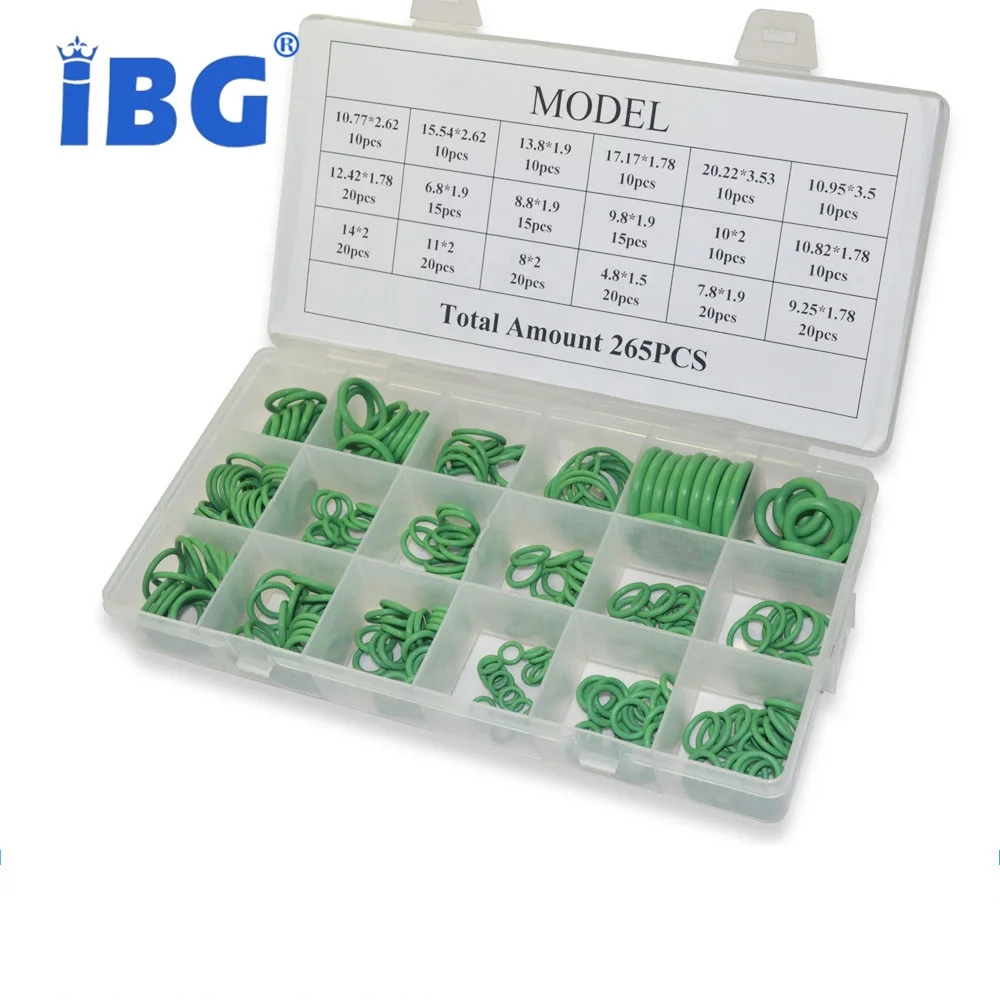
From 2006 to 2015, the introduction of synthetic elastomers transformed the landscape. The adoption of fluoroelastomers allowed the petrochemical sector to operate at higher temperatures, reducing the failure rate of critical valves and flanges.

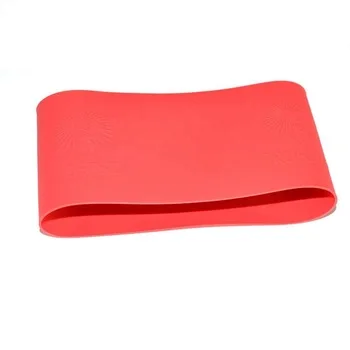
Since 2016, the focus has shifted toward specialized sealing. The integration of precision-molded Dustproof Rubber Plugs became essential for protecting sensitive electronic and mechanical equipment from the pervasive Saharan dust (Harmattan) affecting Northern Nigeria.

Future Development Trends

Smart Material Integration

Integration of sensor-embedded gaskets to monitor real-time wear and leakages in Nigerian offshore platforms.

Sustainable Elastomer Sourcing

Transitioning toward bio-based polymers that maintain the performance of high-end rubber while reducing the environmental footprint in the Niger Delta.

Zero-Leak Tolerance Standards

A shift toward ultra-high precision molds to eliminate micro-leaks in high-pressure hydrogen and natural gas transport.

Industry Trends and Future Outlook

Strategic forecasting for the rubber parts manufacturing sector in West Africa.

Chemical Resistance Upgrades
Increasing demand for polymers that resist aggressive chemical solvents used in Nigerian refineries.
Thermal Stability Optimization
Developing components that maintain elasticity under extreme heat cycles typical of the Nigerian climate.
Precision Molding Standards
Moving toward micron-level tolerances to reduce maintenance cycles in the energy sector.
Logistics Network Expansion
Localized distribution hubs to reduce lead times for emergency sealing replacements.

Industry Outlook

The Nigerian rubber manufacturing landscape is poised for a surge in high-performance elastomeric demand. As the nation expands its gas-to-power projects, the reliance on specialized seals that prevent leaks of volatile compounds will become a regulatory requirement rather than an option.

Search trends indicate a rising interest in "industrial durability" and "chemical-resistant polymers" within West Africa, suggesting that procurement officers are prioritizing Long-Term Value (LTV) over initial cost, paving the way for premium engineered rubber products.

Localized Application Scenarios in Nigeria

Real-world deployment of rubber components across Nigerian key industries.

1. Niger Delta Oil Pipeline Maintenance

Using high-pressure Pipeline Rubber Plugs for temporary isolation and pressure testing of crude oil lines to prevent environmental contamination.

2. Lagos Port Chemical Storage

Installing Corrosion Resistant Gaskets in tank flange connections to handle saltwater spray and corrosive chemical vapors.

3. Abuja Industrial HVAC Systems

Deploying EPDM Gaskets in cooling tower seals to withstand high UV exposure and temperature swings common in the federal capital.

4. Kaduna Manufacturing Machinery

Utilizing Dustproof Rubber Plugs on electrical control panels to prevent fine silica dust from causing short circuits during the dry season.

5. Port Harcourt Refinery Valve Sealing

Implementing FKM Gaskets in high-temperature steam valves and acid-wash systems for maximum chemical stability.

Brand Story

Global Development Journey of Shijiazhuang Beike Sealing Technology Co., Ltd.

Foundation of Precision

Started as a specialist workshop focused on solving the most difficult leakages in heavy machinery, establishing a reputation for material purity.

Technological Expansion

Invested in advanced fluoroelastomer R&D, enabling the company to produce seals that survive environments where others fail.

Global Certification

Achieved international quality standards, allowing our components to be integrated into global energy infrastructure projects.

Entering the African Market

Established strategic supply chains to support the industrialization of Nigeria, focusing on corrosion-proof engineering.

Vision for Zero Leakage

Committed to providing the global manufacturing industry with zero-failure rubber components to ensure safety and sustainability.

Common Industrial Sealing Questions in Nigeria

Technical guidance for selecting rubber parts in West African conditions.

Which material is best for Corrosion Resistant Gaskets in saline environments?

For high-salinity coastal areas like Lagos, FKM (Viton) or high-grade EPDM is recommended due to their superior resistance to oxidation and salt-induced degradation.

How do FKM Gaskets perform against Nigerian crude oil hydrocarbons?

FKM is specifically engineered for hydrocarbon resistance, making it the ideal choice for oil refineries and upstream extraction equipment in Nigeria.

Can EPDM Gaskets withstand the high UV exposure in Northern Nigeria?

Yes, EPDM is renowned for its excellent ozone and UV resistance, ensuring that seals do not crack or embrittle under intense sunlight.

What is the installation torque for Pipeline Rubber Plugs to avoid deformation?

Torque depends on the pipe diameter and rubber durometer. We provide specific torque charts with each shipment to ensure a leak-proof seal without over-compressing the rubber.

Do Dustproof Rubber Plugs protect against the Harmattan dust particles?

Our dustproof plugs are designed with a tight interference fit that blocks microscopic silica particles common during the Nigerian Harmattan season.

What is the typical lead time for custom rubber parts shipped to Nigeria?

Depending on the complexity of the mold, production takes 7-14 days, with air freight typically reaching Nigerian ports within an additional 5-10 days.

Secure Your Infrastructure Today

Contact our engineering team for customized sealing solutions tailored for the industrial landscape of Nigeria.

Contact Us Now

If you are interested in our products, you can choose to leave your information here, and we will be in touch with you shortly.